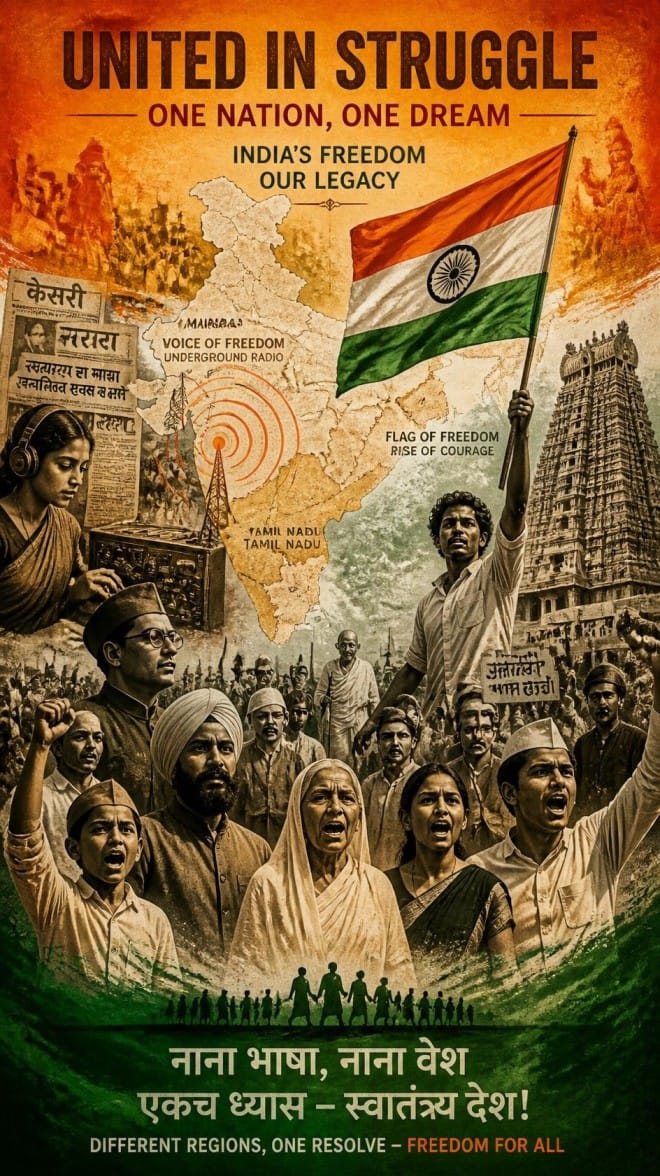
Swapna Kumbar , Bengaluru - Every republic begins with a set of firsts, the moment resistance became a revolution, the first hands to hold power, the first ballots ever cast. Today, we look at the milestones that laid the foundation of India's democracy, from the uprising that first challenged British rule to the leaders who shaped the nation's early identity.
First Indian Governor General – C. Rajagopalachari
When India gained independence in 1947, the role of Governor-General was initially held by Lord Mountbatten. In 1948, C. Rajagopalachari became the first and only Indian to hold this position, serving until the role was abolished when India became a republic in 1950. A statesman, writer, and freedom fighter, Rajagopalachari often known as "Rajaji" later went on to found the Swatantra Party, leaving a lasting mark on India's political landscape.
First Prime Minister – Jawaharlal Nehru
Jawaharlal Nehru became independent India's first Prime Minister on August 15, 1947, a position he held for over 16 years until his death in 1964. Nehru's leadership shaped the country's early foreign policy, its commitment to secularism, and its push toward industrialization and scientific development. His vision for a modern, self-reliant India continues to influence the nation's institutions today.
First President – Rajendra Prasad
When India adopted its Constitution and became a republic on January 26, 1950, Rajendra Prasad was elected as the country's first President. A close associate of Mahatma Gandhi and a key figure in the freedom movement, Prasad went on to serve two terms as President, the longest tenure of any Indian President to date, helping establish the dignity and constitutional role of the office in its formative years.
First General Election (1951–52)
India's first general election, held between October 1951 and February 1952, was a monumental undertaking the largest democratic exercise the world had seen at the time, with over 170 million eligible voters across a newly independent and largely non-literate population. The election established universal adult suffrage from day one, a bold democratic choice that many established democracies had taken decades to reach. It set the template for what would become the world's largest ongoing democratic exercise.
First Woman Prime Minister – Indira Gandhi
Indira Gandhi became India's first woman Prime Minister in 1966, going on to serve a combined total of over 15 years across multiple terms. Her tenure included major and often controversial moments in Indian political history, including the Green Revolution's expansion, the 1971 war with Pakistan, and the imposition of the Emergency in 1975. She remains one of the most influential and debated figures in India's political history.
First Woman President – Pratibha Patil
In 2007, Pratibha Patil became the first woman to be elected President of India, serving a five-year term until 2012. Before her presidency, she had a long political career, including serving as the Governor of Rajasthan. Her election marked a significant milestone in the representation of women at the highest levels of Indian government.
First Woman Chief Minister – Sucheta Kripalani
Sucheta Kripalani made history in 1963 when she became the Chief Minister of Uttar Pradesh, the first woman in India to hold the position of Chief Minister of any state. A freedom fighter who had been actively involved in the Quit India Movement, Kripalani's rise to one of the country's most powerful state offices reflected the growing role of women in independent India's political leadership.
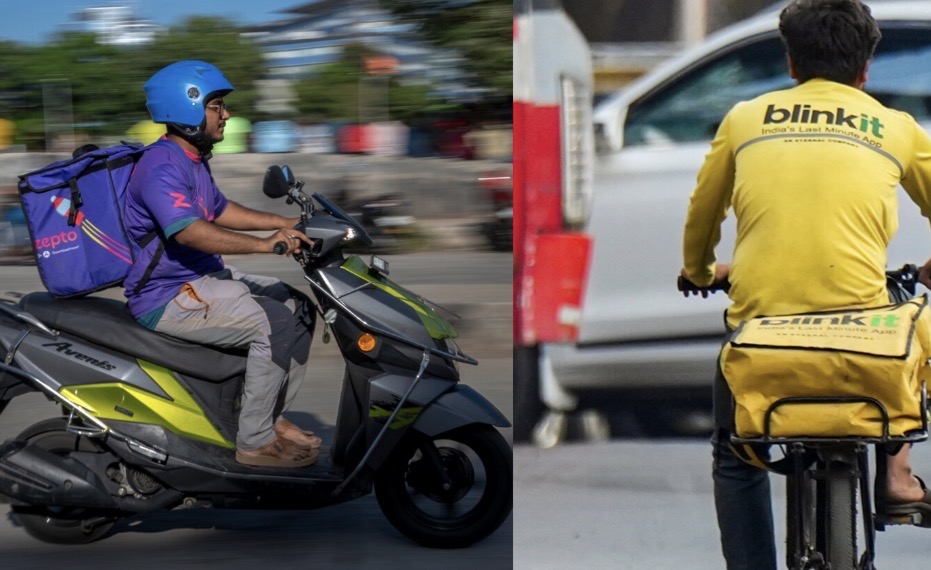
Zepto and Blinkit Under Scanner Over Alleged Food Safety Violations
Tata Sons Chairman N. Chandrasekaran Resigns Ahead of AGM, Company’s Shares Tumble

Everyday Essentials May Get More Expensive, FMCG Prices Likely to Rise
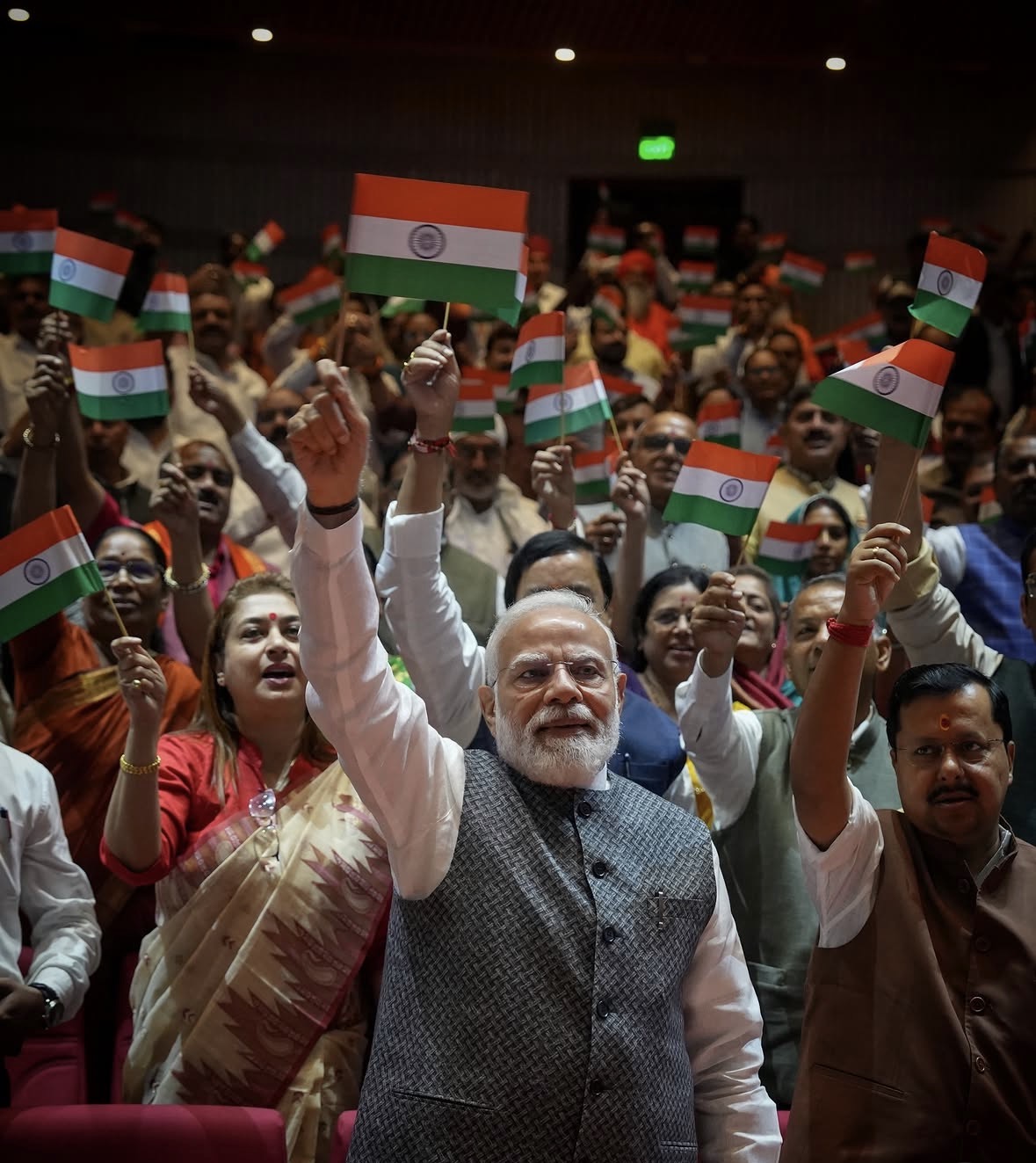
PM Modi and Other Leaders Wave the Tricolour at Mangal Milan Event
Fraud in the Name of Patients: 2,359 Hospitals Removed, 1,200 Banned
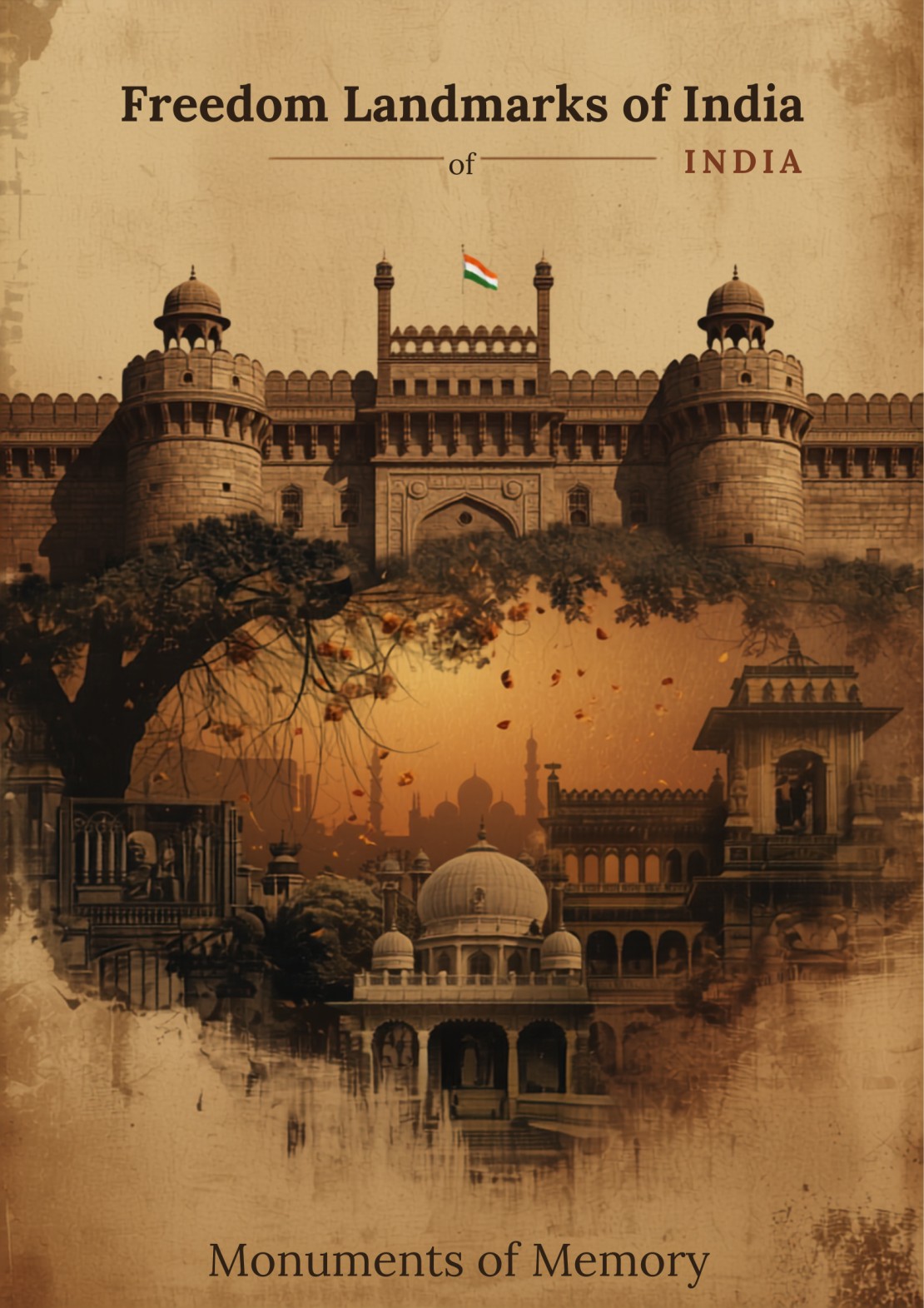
Twelve landmarks, one journey to freedom — from the Red Fort to Freedom Park, the places where India's independence was won.
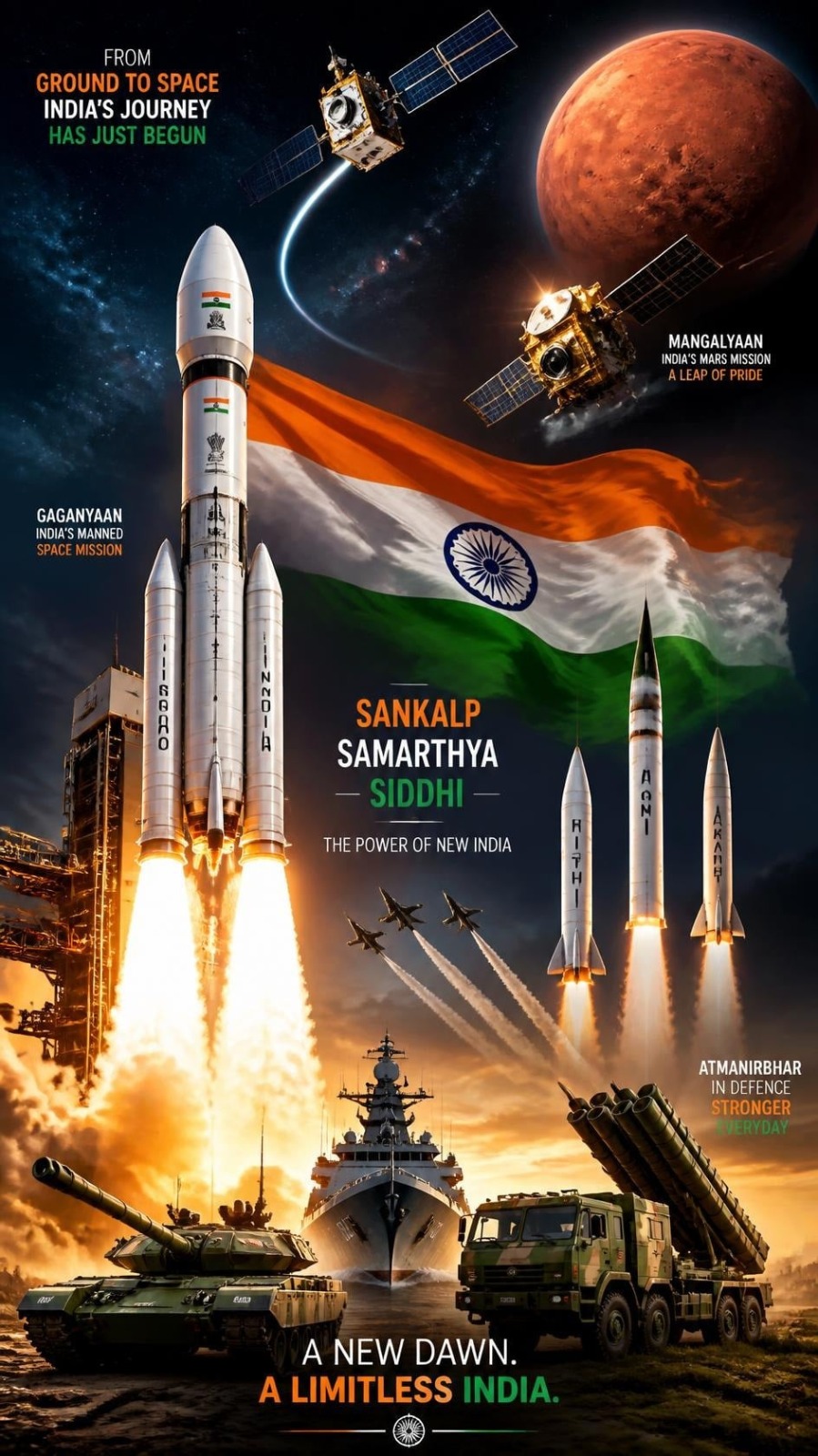
From a satellite built on a shoestring budget to a Mars mission that succeeded where many nations had failed, these firsts capture a nation that turned constraint into innovation.
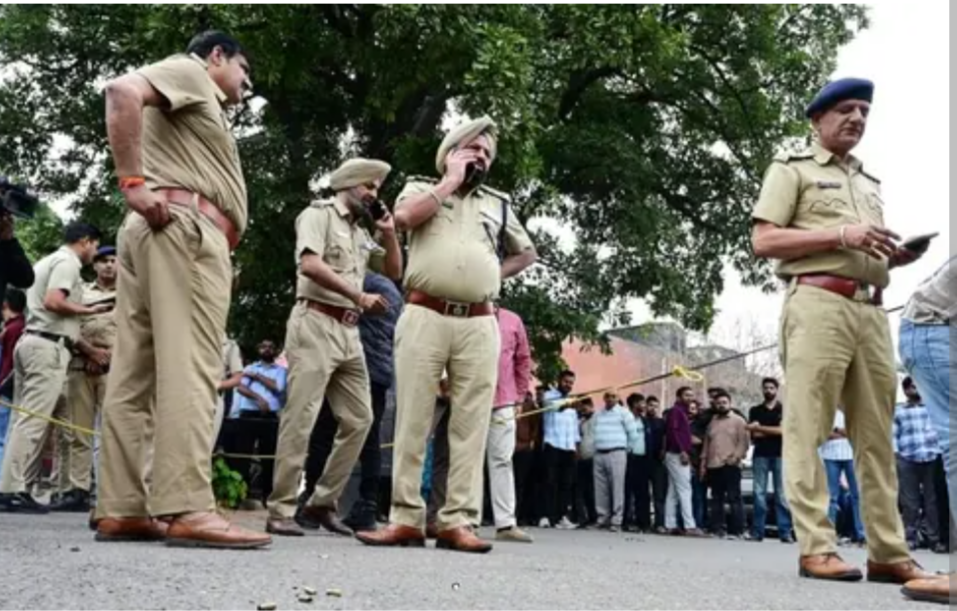
Panchkula woman found dead maid suspected.
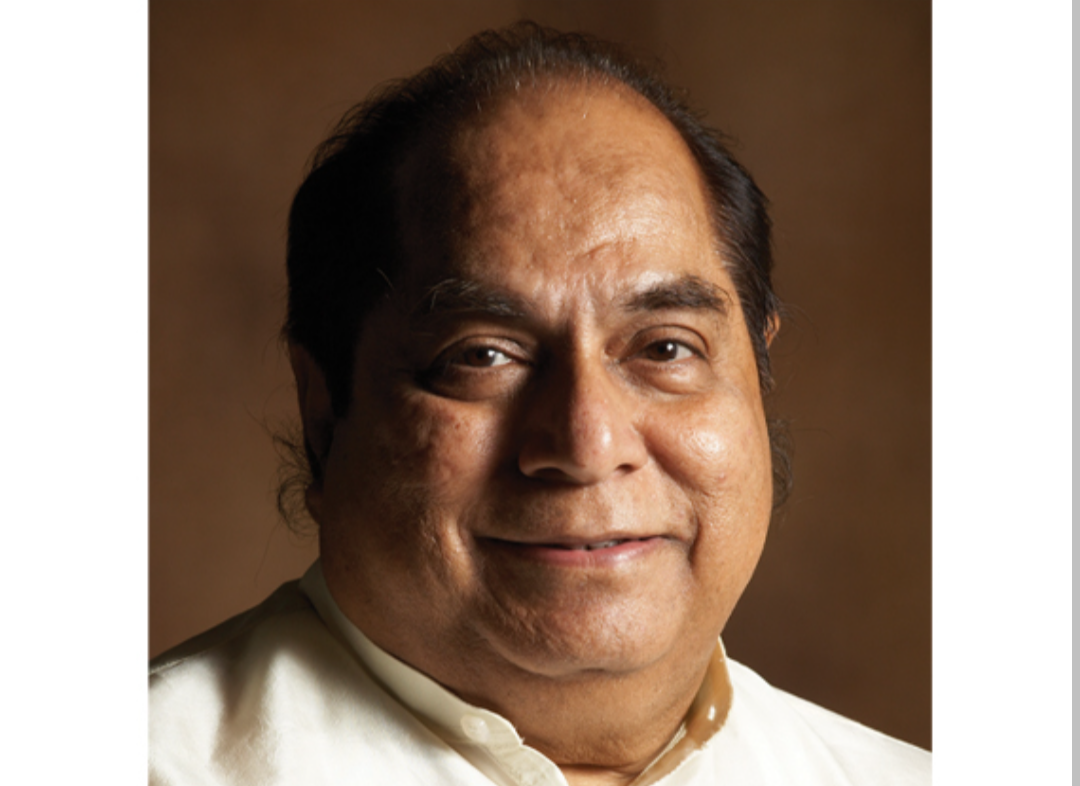
Former West Bengal Governor and educationist D Y Patil dies at 92.
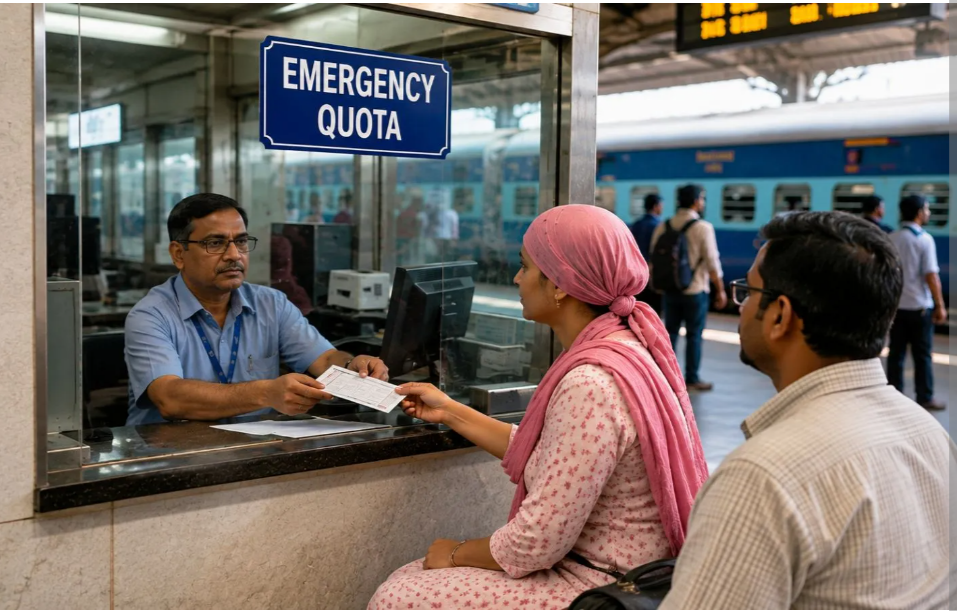
Indian Railways offers emergency quota tickets for cancer patients' urgent travel.
.jpg)
From underground radio waves in Maharashtra to a flag held high in Tamil Nadu, these stories remind us that resistance took root in every corner of the country, carried forward by people of every age and background. Join us tomorrow as this journey through India's freedom struggle continues
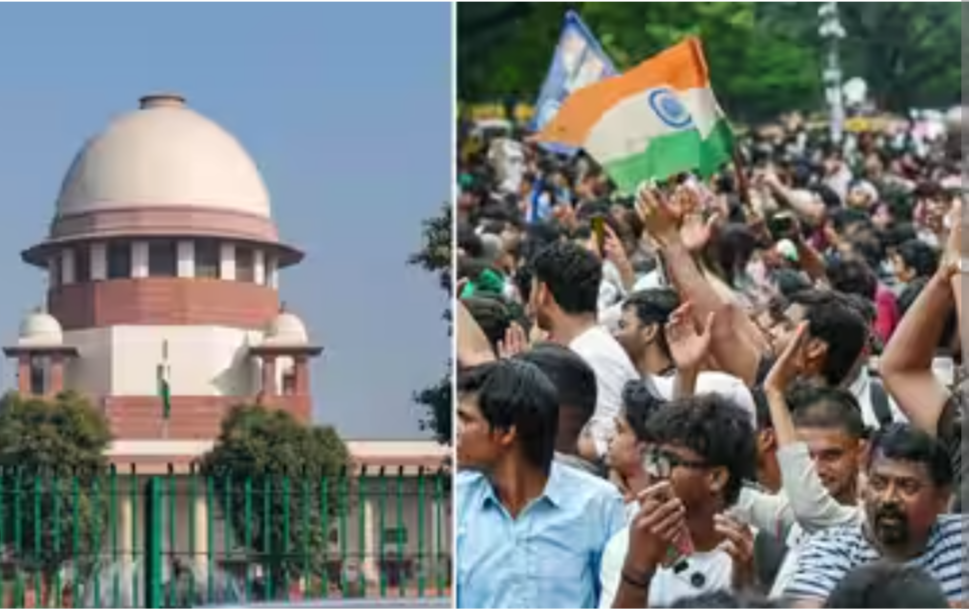
SC agrees to hear plea seeking an alternative to Jantar Mantar for protests.

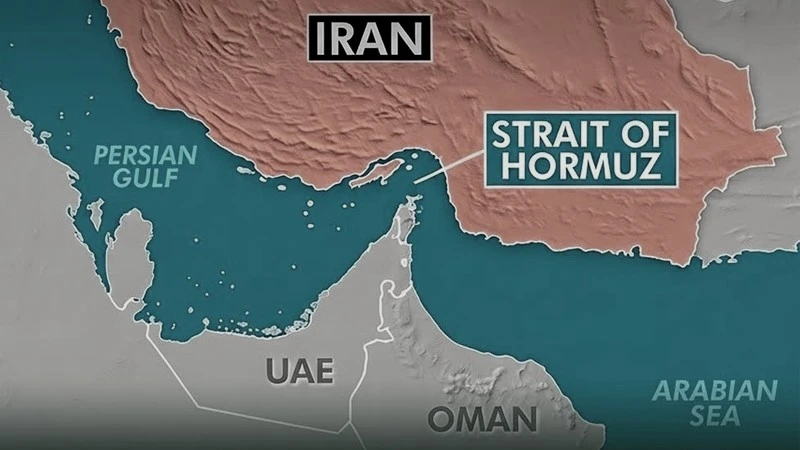
Iran, Oman and the U.S. are reportedly close to a Strait of Hormuz agreement tha...
.jpeg)
Fresh U.S. airstrikes in Iran reportedly killed 14 people, prompting Iranian ret...
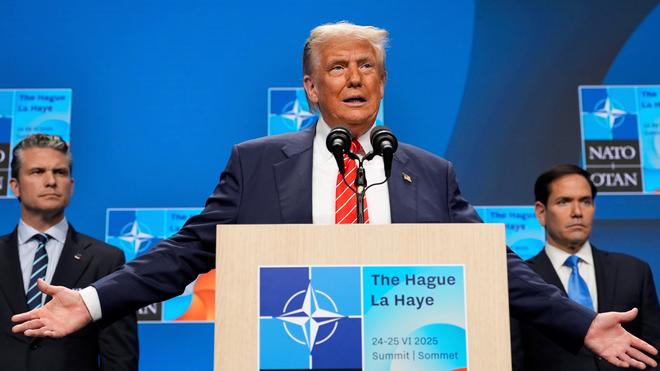
President Donald Trump claimed he is Iran’s “No. 1 target” after security measur...
.jpeg)
Three people were killed in U.S. strikes in western Iran as tensions escalated f...
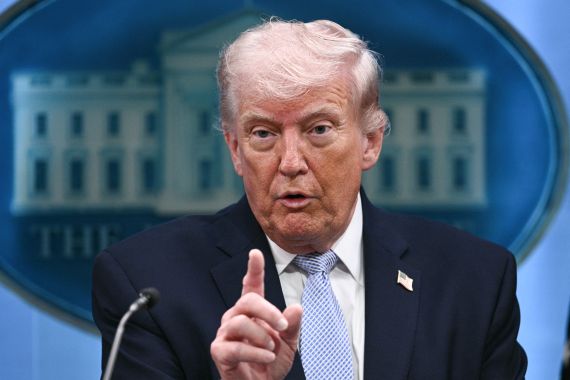
President Donald Trump said the Iran ceasefire is “over” following fresh U.S. st...