.jpeg)
Swapna Kumbar, Bengaluru - Every escalation in the Strait of Hormuz sends ripples across global energy markets, highlighting the vulnerability of countries heavily dependent on oil and gas imports. For India, which imports a significant portion of its energy needs from the Gulf region, a proposed 2,000-kilometre undersea pipeline connecting Oman to Gujarat has emerged as a potentially game-changing project. If realized, the pipeline could strengthen India's energy security and reduce exposure to geopolitical tensions in one of the world's most sensitive maritime corridors.
The proposed Oman-India Deep Sea Pipeline aims to transport natural gas directly from Oman to India's western coast through an underwater route spanning approximately 2,000 kilometres beneath the Arabian Sea. Unlike conventional tanker shipments that must pass through the Strait of Hormuz, the pipeline would provide a dedicated and uninterrupted supply channel. Energy experts believe such a link could significantly reduce logistical risks, improve supply stability, and enhance India's ability to meet growing energy demand as the economy expands.
Beyond energy security, the project carries important economic and strategic implications. A direct pipeline could lower transportation costs over the long term, support industrial growth, and strengthen energy cooperation between India and Oman. However, the ambitious project faces substantial challenges, including high construction costs, deep-sea engineering complexities, environmental considerations, financing requirements, and the need for long-term commercial viability. Despite these hurdles, renewed discussions surrounding the pipeline have gained attention amid concerns over regional instability and the possibility of disruptions to global energy flows through the Strait of Hormuz.
The Oman-Gujarat deep-sea pipeline remains a long-term vision rather than an immediate reality, but its potential impact on India's energy future is significant. By providing an alternative route for natural gas supplies, the project could help shield India from geopolitical shocks, diversify energy infrastructure, and strengthen the country's position as one of the world's fastest-growing energy consumers. As regional tensions continue to influence global markets, the pipeline represents a strategic option that could reshape India's energy landscape for decades to come.
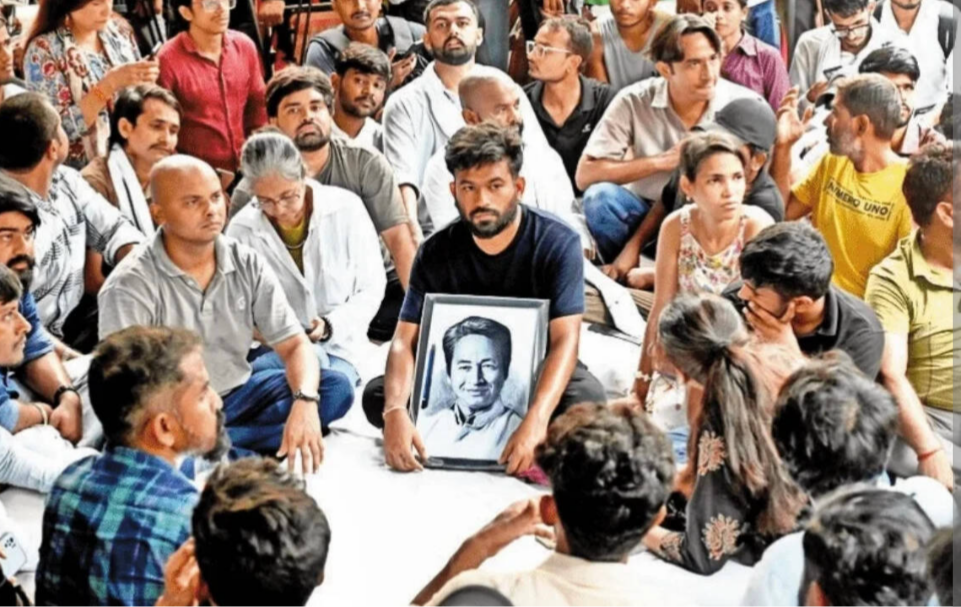
The Centre offered fresh talks with CJP, but the outfit insisted any dialogue must take place at Jantar Mantar.
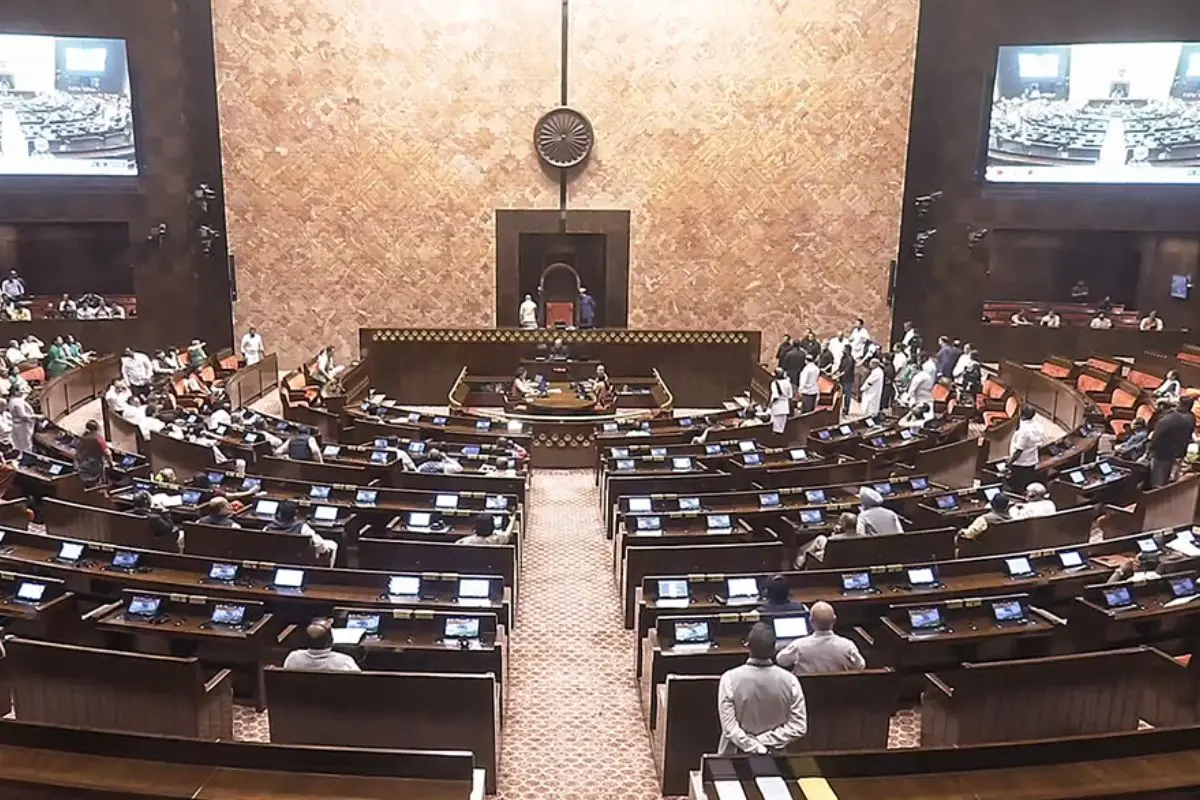
Both Houses of Parliament were adjourned for the day as Opposition protests over the NEET paper leak disrupted proceedings, with demands for Education Minister Dharmendra Pradhan’s resignation continuing.
.jpeg)
JPMorgan plans to hire 1,000 technology professionals for its India GCCs, focusing on AI, cloud computing, and cybersecurity despite increased automation.
.jpeg)
Assam’s flood death toll has climbed to 41 after 10 more fatalities, as heavy rain continues to hamper rescue efforts and threatens to worsen the situation.
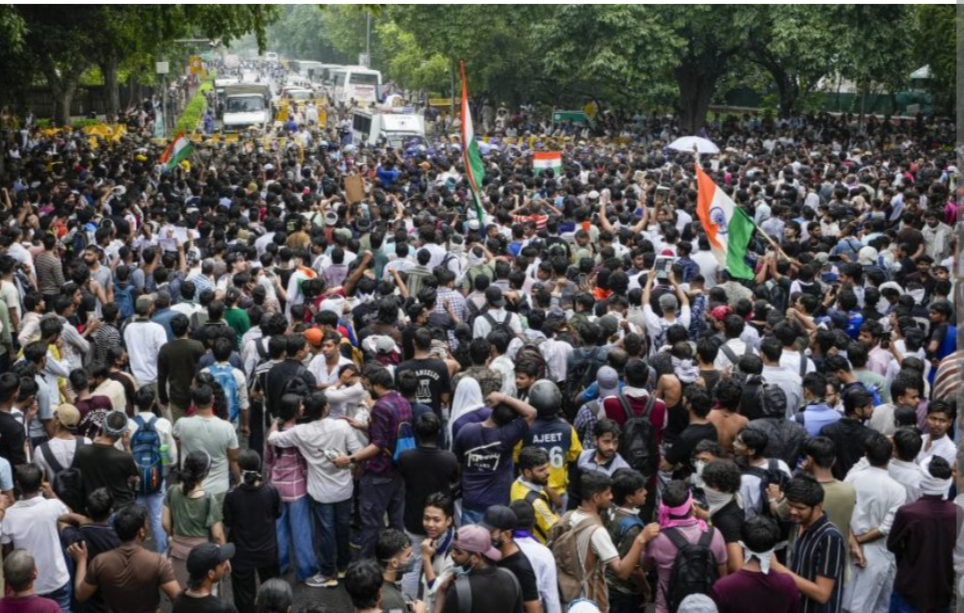
Security remained on high alert in central Delhi as the CJP protest entered another day.
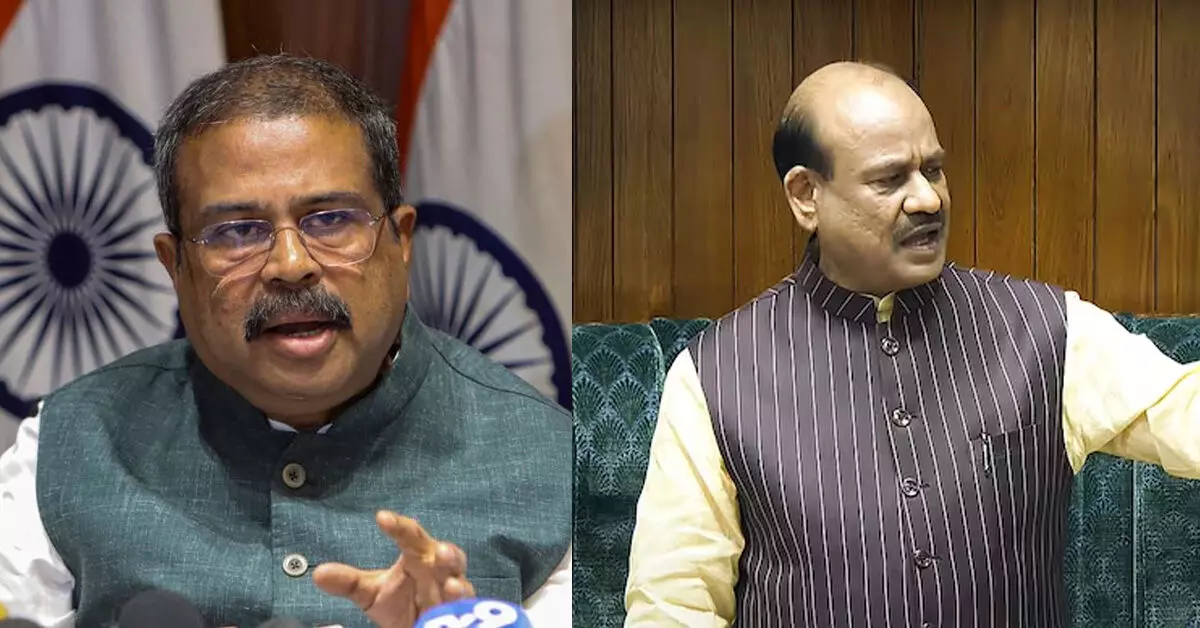
Education Minister Dharmendra Pradhan met Lok Sabha Speaker Om Birla after the government agreed to a detailed discussion on the NEET paper leak, while the Opposition continued demanding his resignation.
.jpeg)
A minister spoke with Rahul Gandhi during a protest outside the Prime Minister’s residence over paper leaks, as opposition parties intensified pressure on the government over exam reforms.
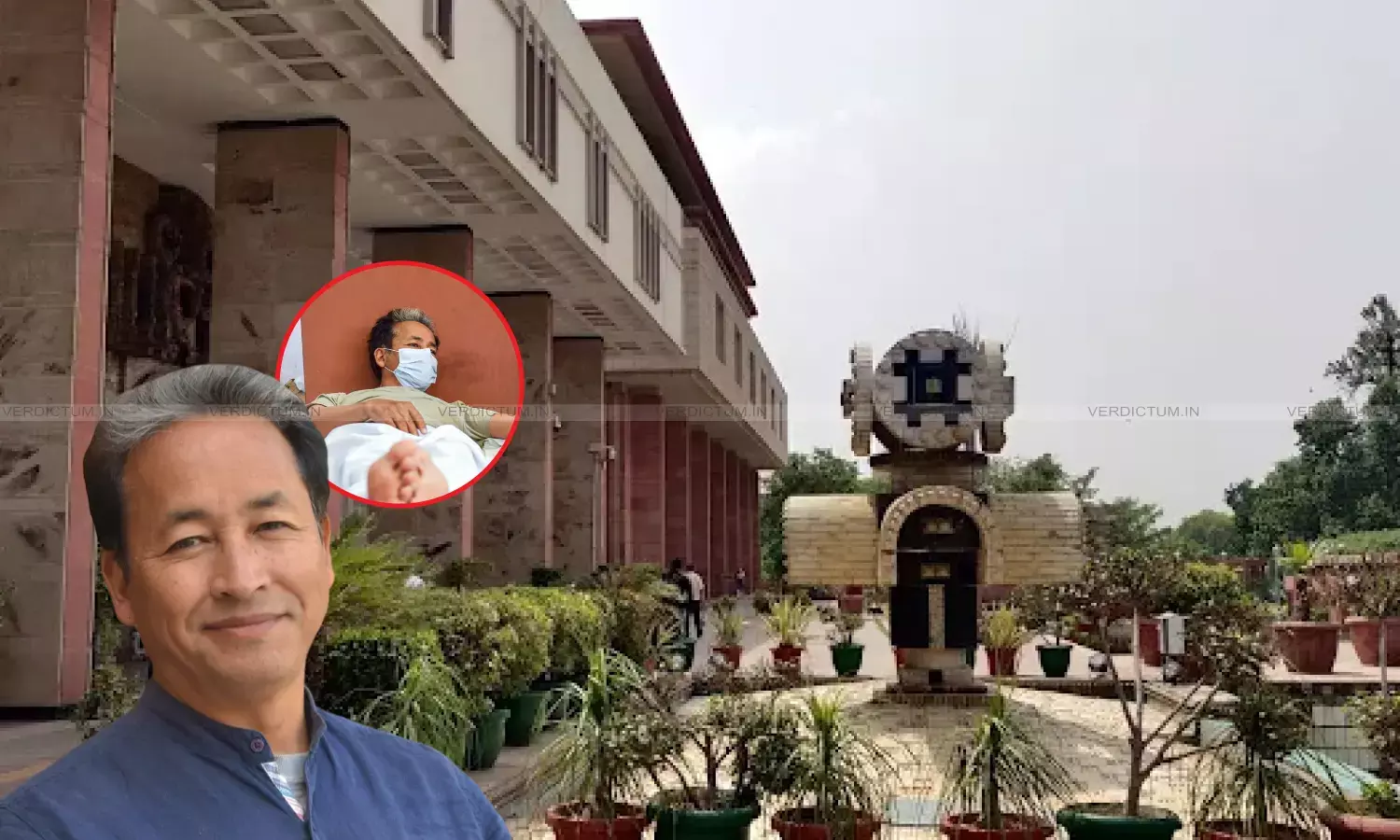
The High Court permitted the activist transfer from Safdarjung Hospital while ensuring continuity of medical treatment.
The Congress leader demanded the resignation of PM Modi, Amit Shah and Dharmendra Pradhan over the police action against student protesters.
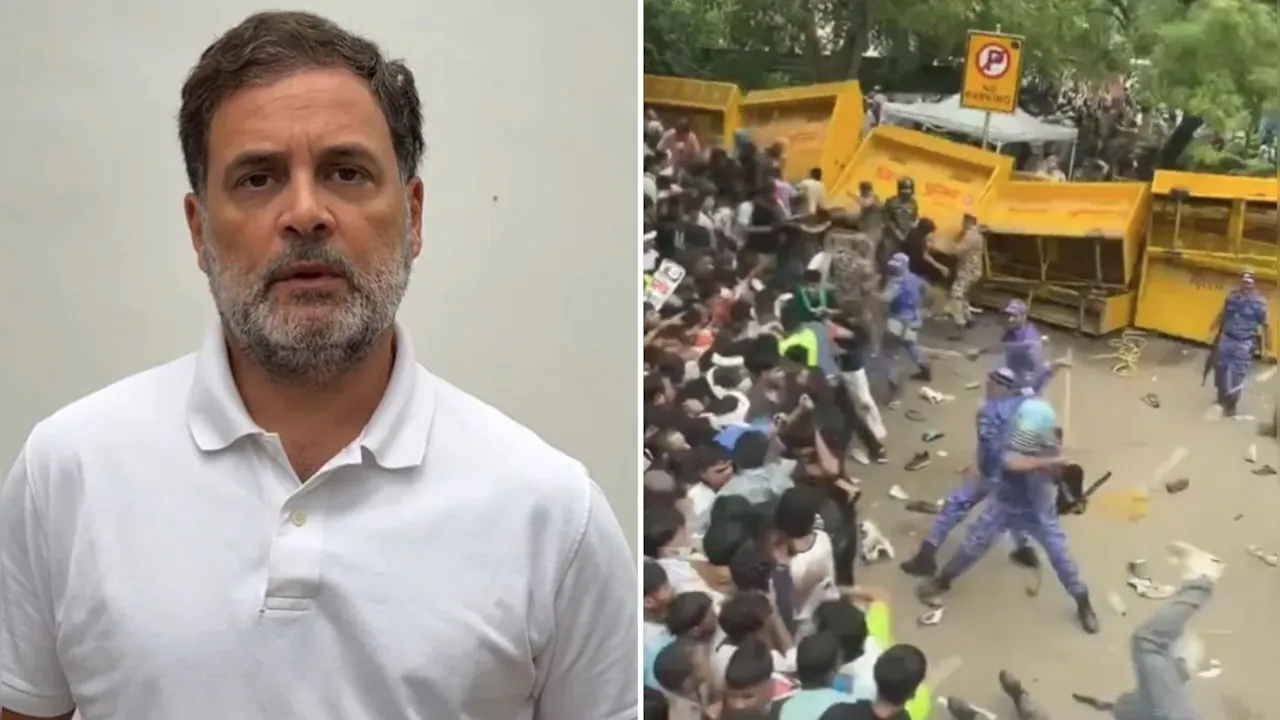
The Congress leader accused the Centre of suppressing students and sought the resignation of PM Modi, Amit Shah and Dharmendra Pradhan.
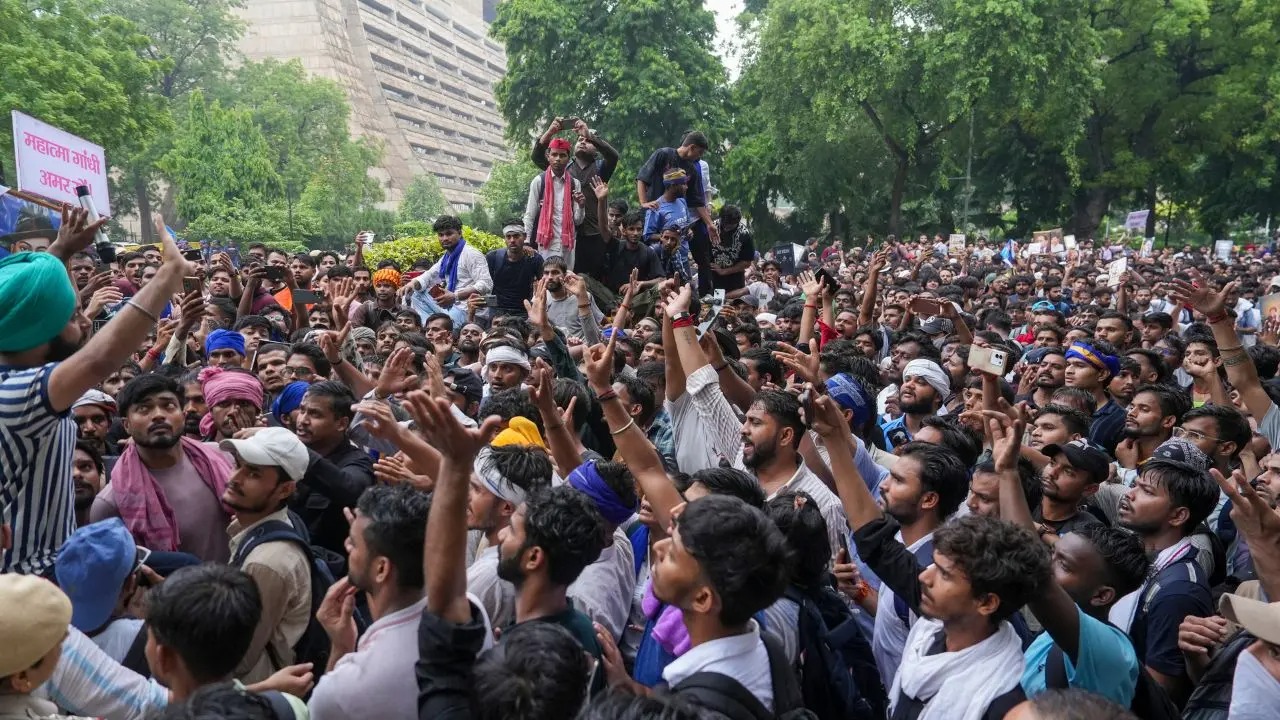
CJP resumes agitation a day after the Parliament march as Delhi Police continue restrictions under Section 163.
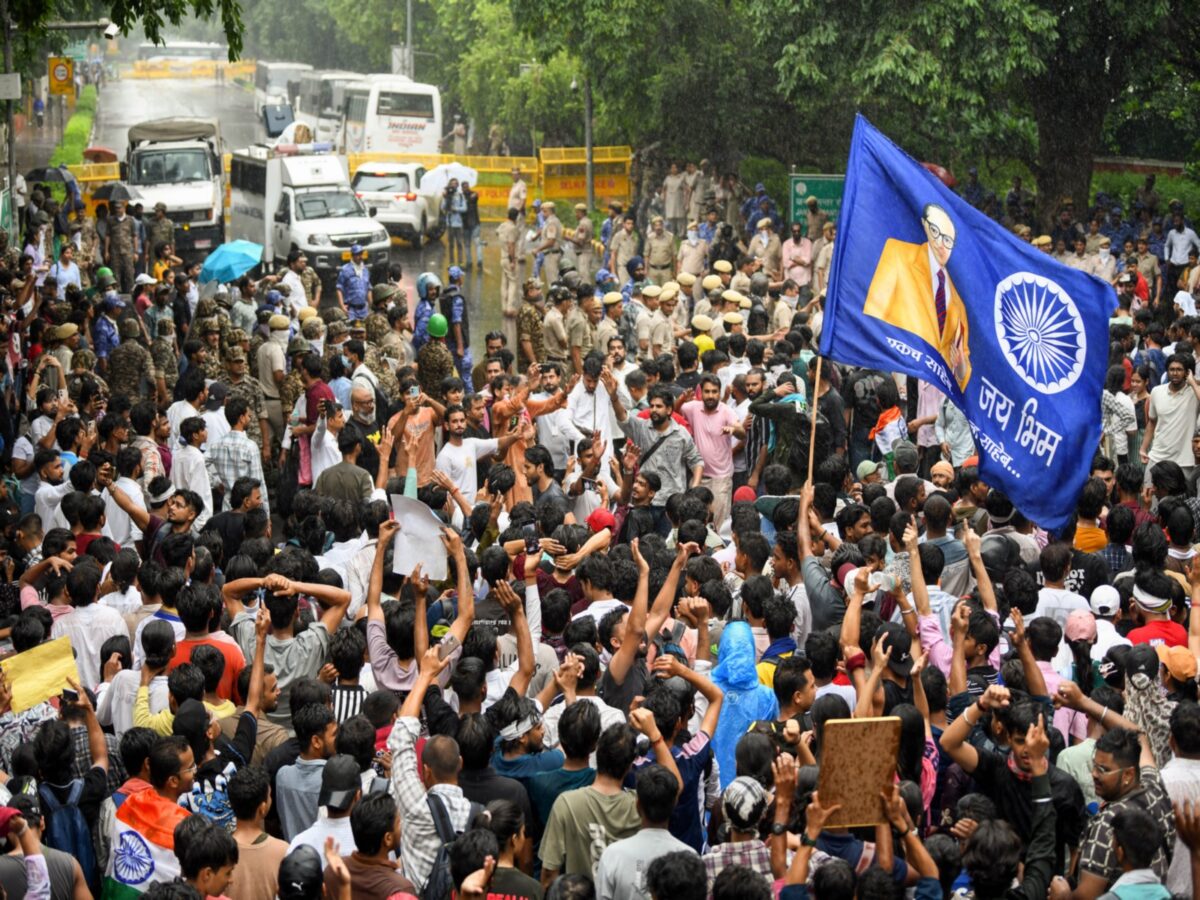
Senior Delhi Police officers were among those injured during clashes as protesters marched towards Parliament.
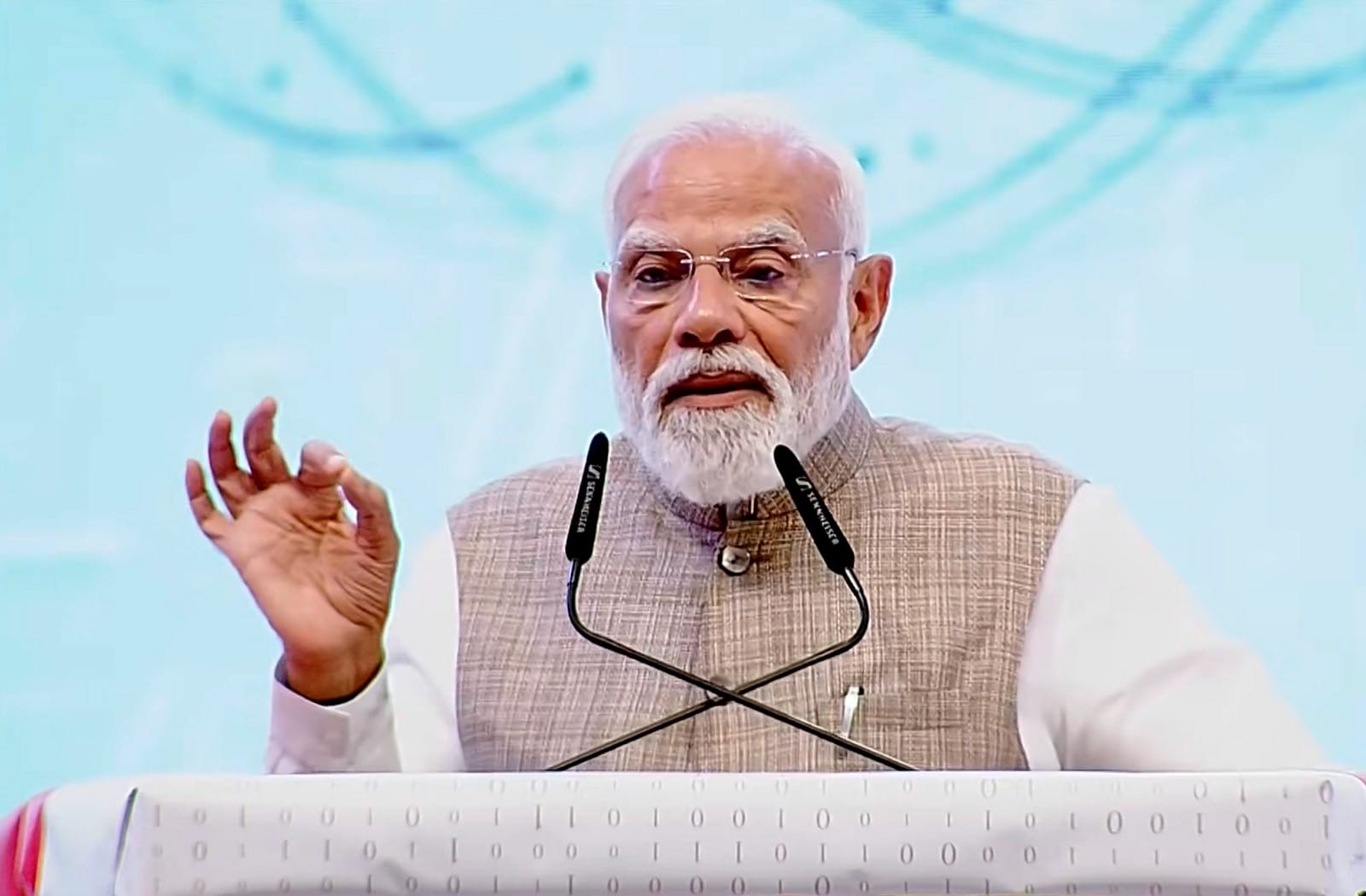
PM Narendra Modi said preventing exam paper leaks is a national responsibility, stressing stronger safeguards and strict action against malpractice amid the NEET controversy.
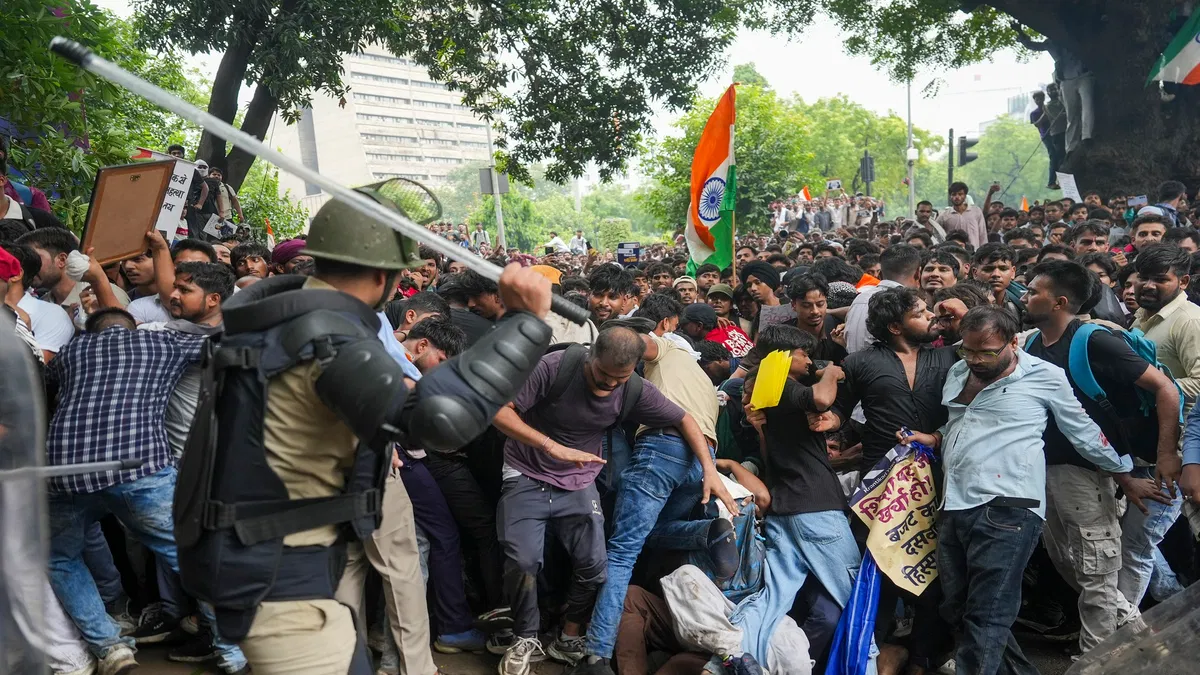
Police registered multiple FIRs over violence, alleged conspiracy and drone use during the CJP protest in New Delhi.
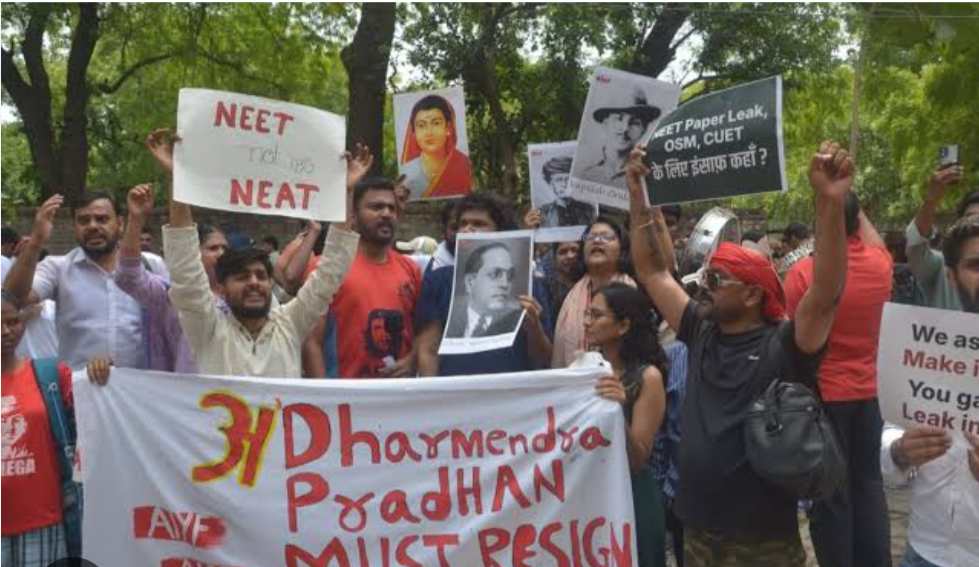
Thousands joined the CJP's march to Parliament, with several women protesters alleging police action during the demonstration.

.jpeg)
Donald Trump has again claimed credit for the India-Pakistan ceasefire as part o...
.jpeg)
Fresh U.S. airstrikes in Iran reportedly killed 14 people, prompting Iranian ret...
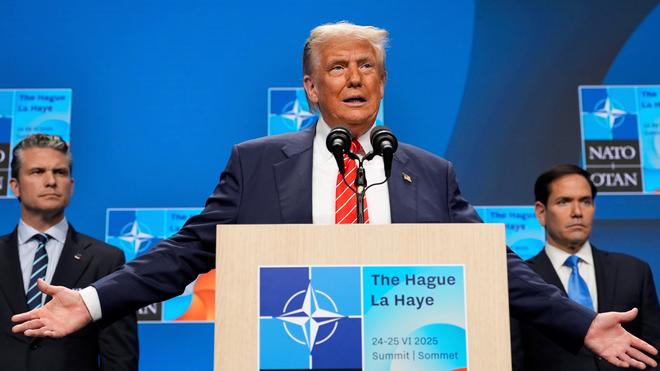
President Donald Trump claimed he is Iran’s “No. 1 target” after security measur...
.jpeg)
Three people were killed in U.S. strikes in western Iran as tensions escalated f...
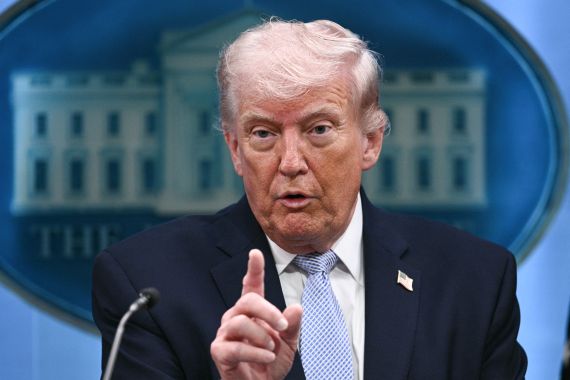
President Donald Trump said the Iran ceasefire is “over” following fresh U.S. st...