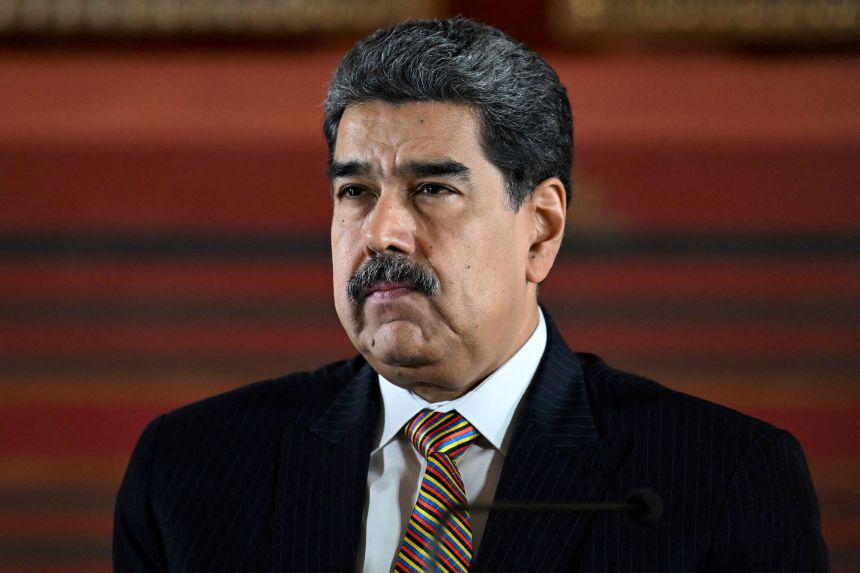
Desk Correspondent , Venezuela - Nicolás Maduro, the man recently captured in a daring U.S. military operation, rose from humble beginnings as a bus driver in Caracas to become the successor of Hugo Chávez and the ruler of Venezuela for over thirteen years. A lifelong leftist and trade union leader, Maduro’s political career took off when he joined Chávez’s movement, eventually serving as Foreign Minister and Vice President. Upon Chávez’s death in 2013, Maduro took the helm of the "Bolivarian Revolution," promising to continue the socialist legacy of his mentor. However, his tenure was defined by a historic economic collapse, hyperinflation, and accusations of authoritarianism that divided the nation.
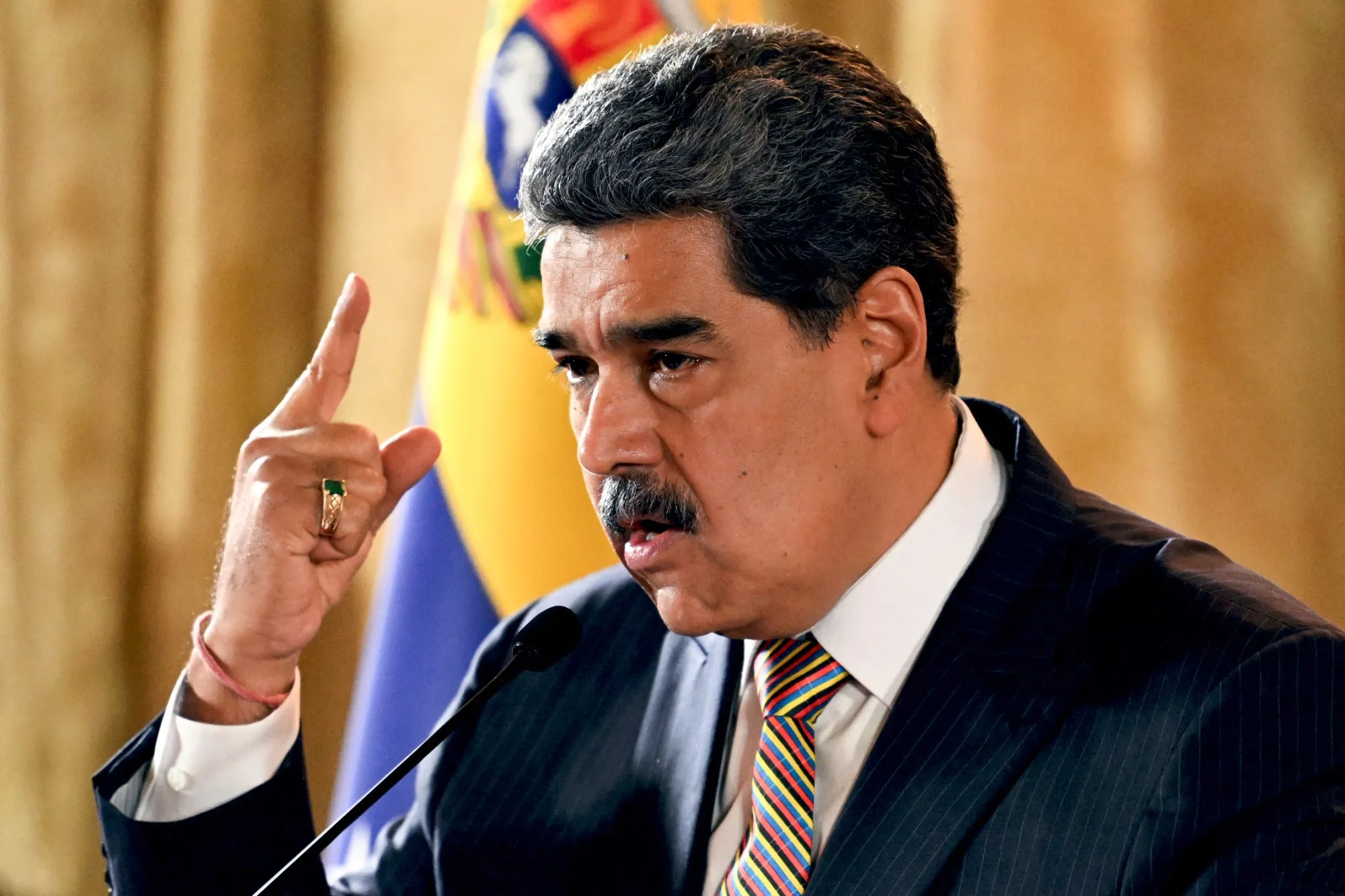
During his reign, Maduro faced intense international pressure and domestic protests as Venezuela's once-prosperous oil-based economy crumbled. While he maintained the loyalty of the military and a core base of supporters, his government was increasingly isolated by Western nations. The United States, particularly under President Donald Trump, led a campaign of heavy sanctions and eventually issued an indictment against him for "narco terrorism." Despite multiple attempts by the opposition to remove him from power and surviving an apparent drone assassination attempt in 2018, Maduro remained defiant in the presidential palace until the recent intervention that led to his extradition to Florida.
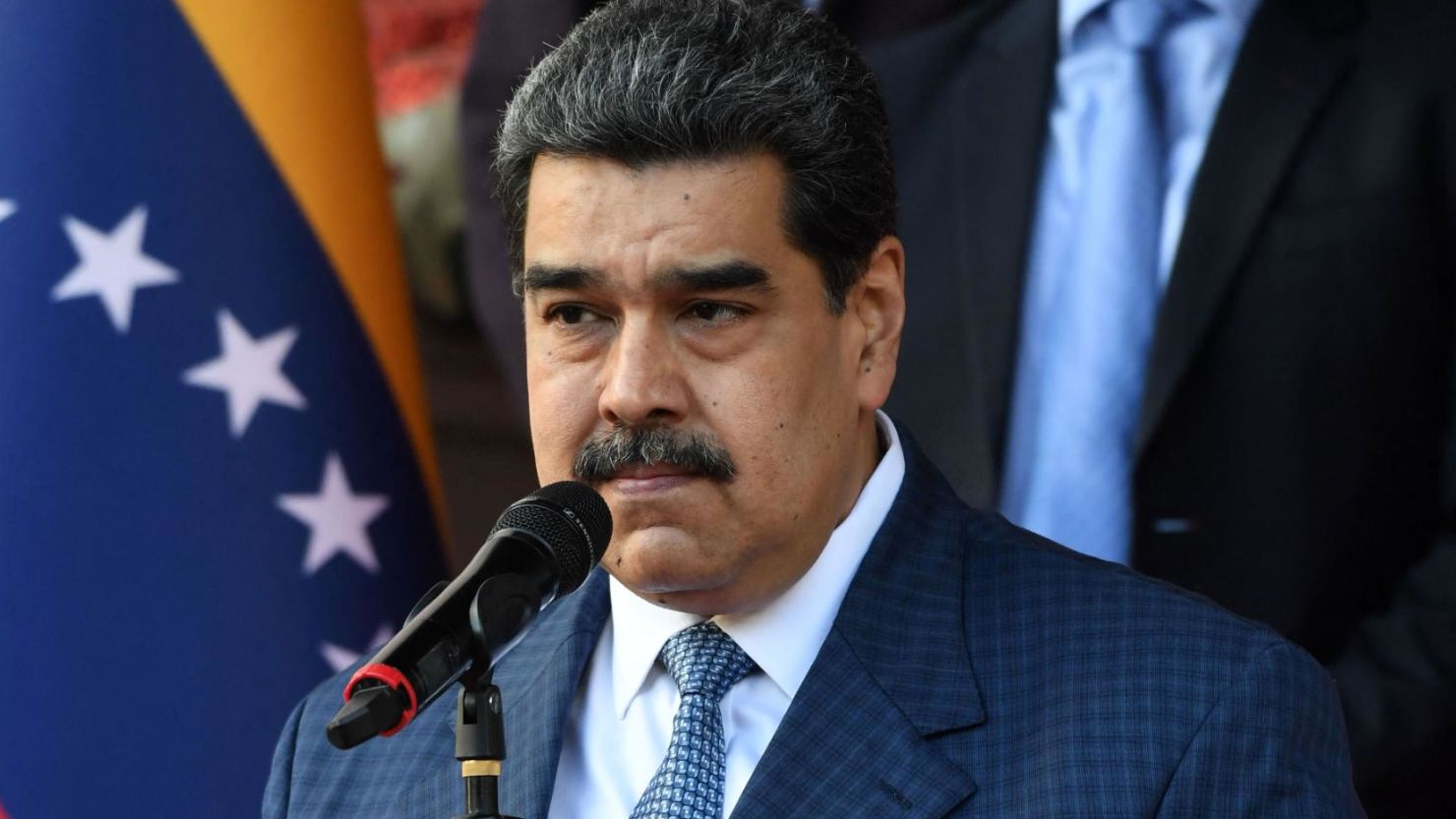
The capture of Maduro marks a dramatic end to a political era that reshaped South America. To his followers, he was a defender of the poor against "imperialist" forces, but to his critics and the millions who fled the country, he was a dictator responsible for a humanitarian catastrophe. As he now faces trial in a U.S. courtroom, his legacy remains deeply polarizing. This unprecedented shift in power leaves Venezuela at a critical crossroads, as the international community watches to see if his removal will lead to democratic restoration or further instability in the region.
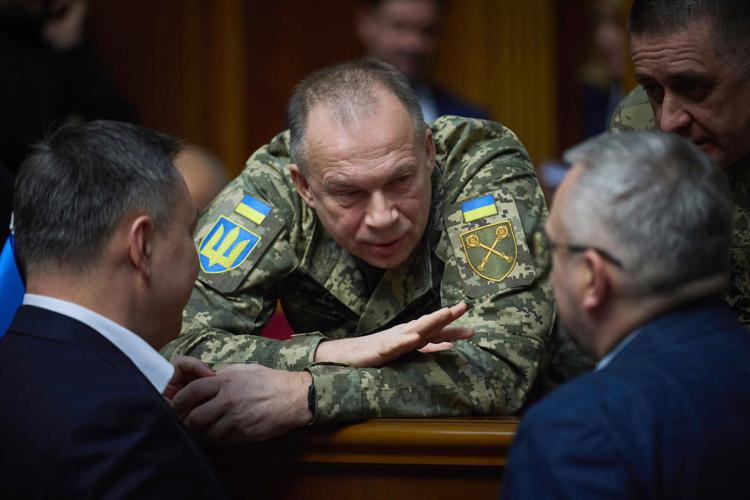
Ukrainian President Volodymyr Zelenskyy has appointed Mykhailo Drapatyi as the new army chief, replacing Oleksandr Syrskyi following protests over military leadership and reform.
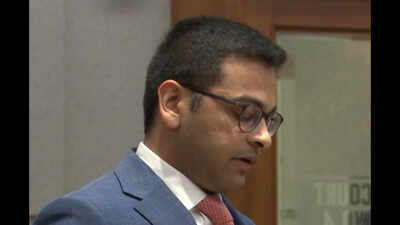
An Indian-origin doctor in Ohio has been sentenced to six months in prison for secretly recording hospital staff in a restroom, after pleading guilty to voyeurism and evidence tampering.
.jpeg)
Pakistan has reportedly sought a $10 billion U.S. exchange stabilisation facility to strengthen its foreign exchange reserves, support the rupee, and ease pressure on its struggling economy.
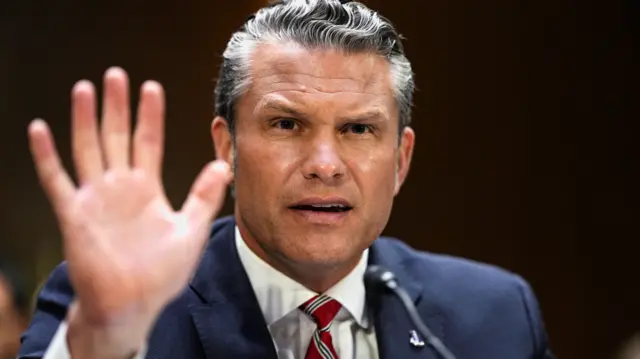
U.S. Defence Secretary Pete Hegseth said the conflict with Iran has cost the U.S. about $37.5 billion, as American strikes entered their 11th consecutive day.
.jpeg)
A reported Houthi blockade targeting Saudi-linked shipping in the Red Sea could disrupt oil exports, raise shipping costs, and increase pressure on global energy markets.
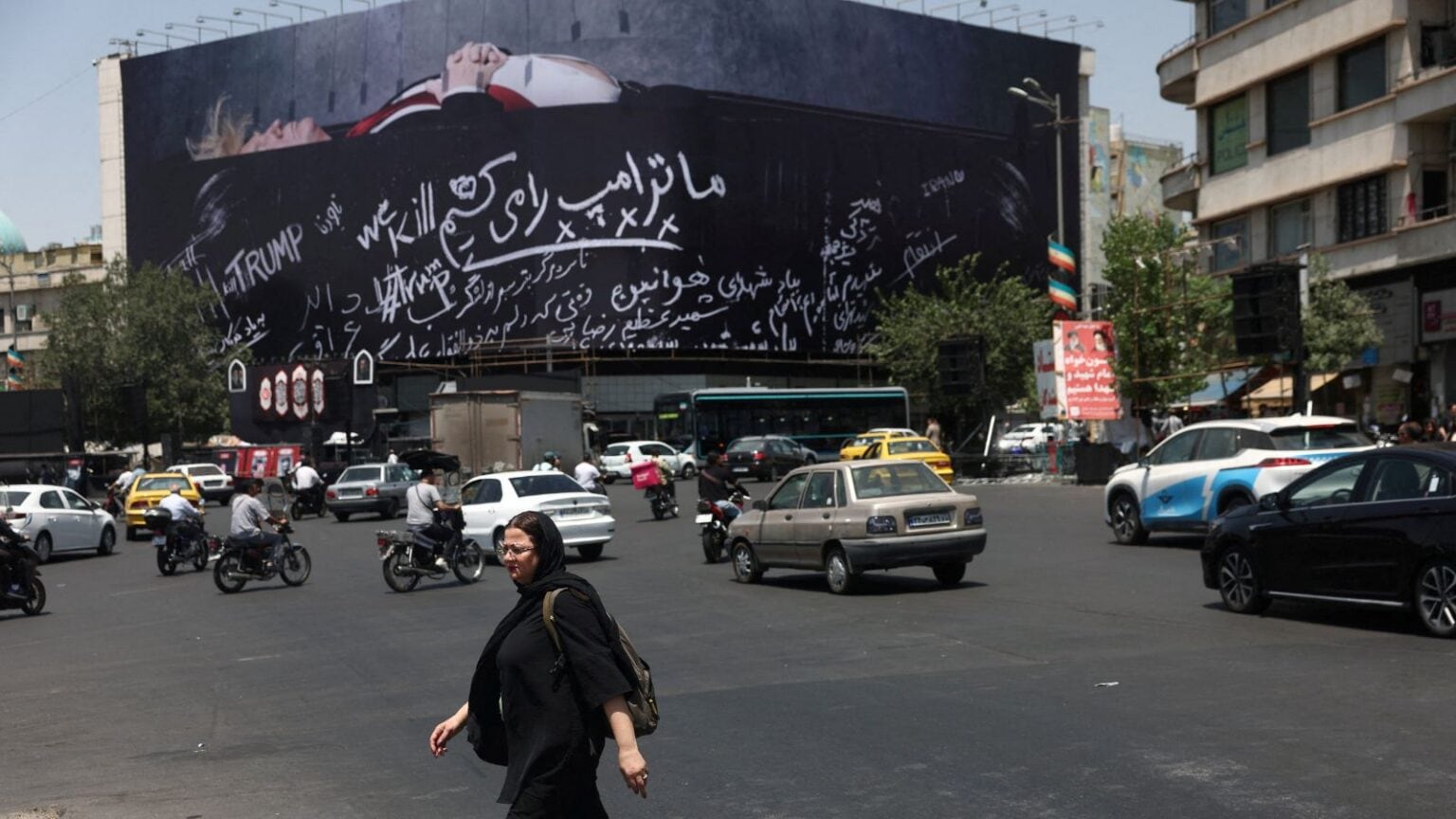
Iran says it targeted U.S.-linked sites in Bahrain and Kuwait after fresh American strikes on southern Iran, further escalating tensions across the Gulf and the Strait of Hormuz.
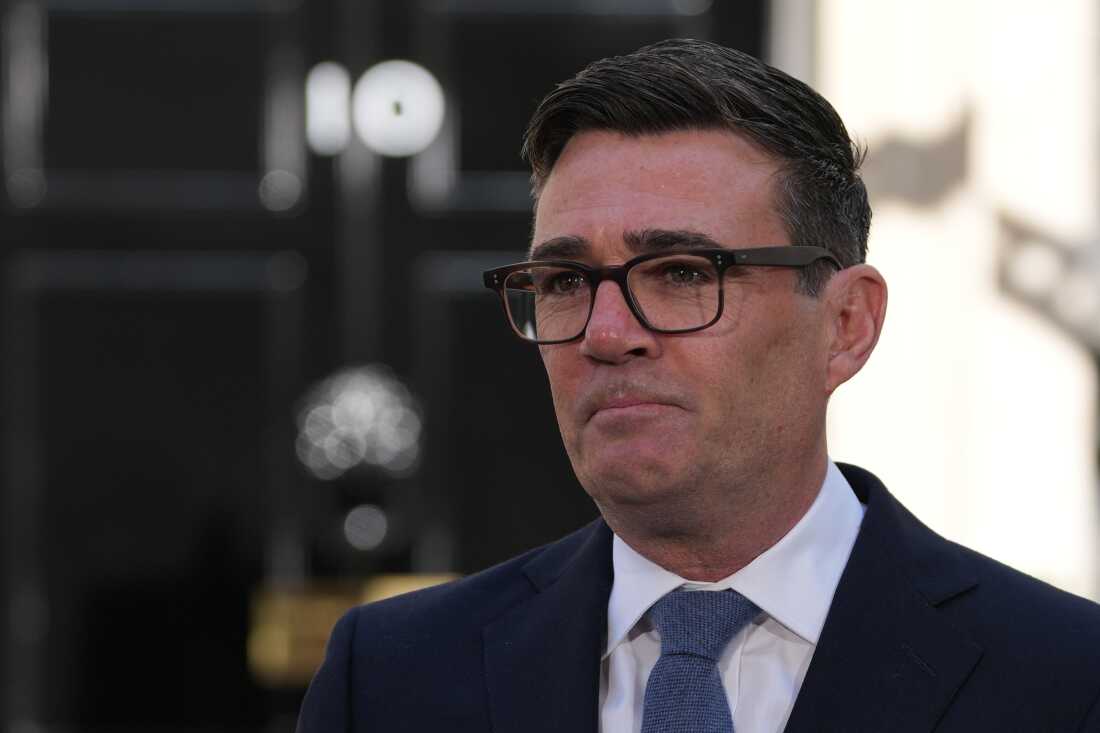
Andy Burnham has been sworn in as the U.K.'s new Prime Minister, promising a new social and political model focused on stability, fairness and long-term reform.
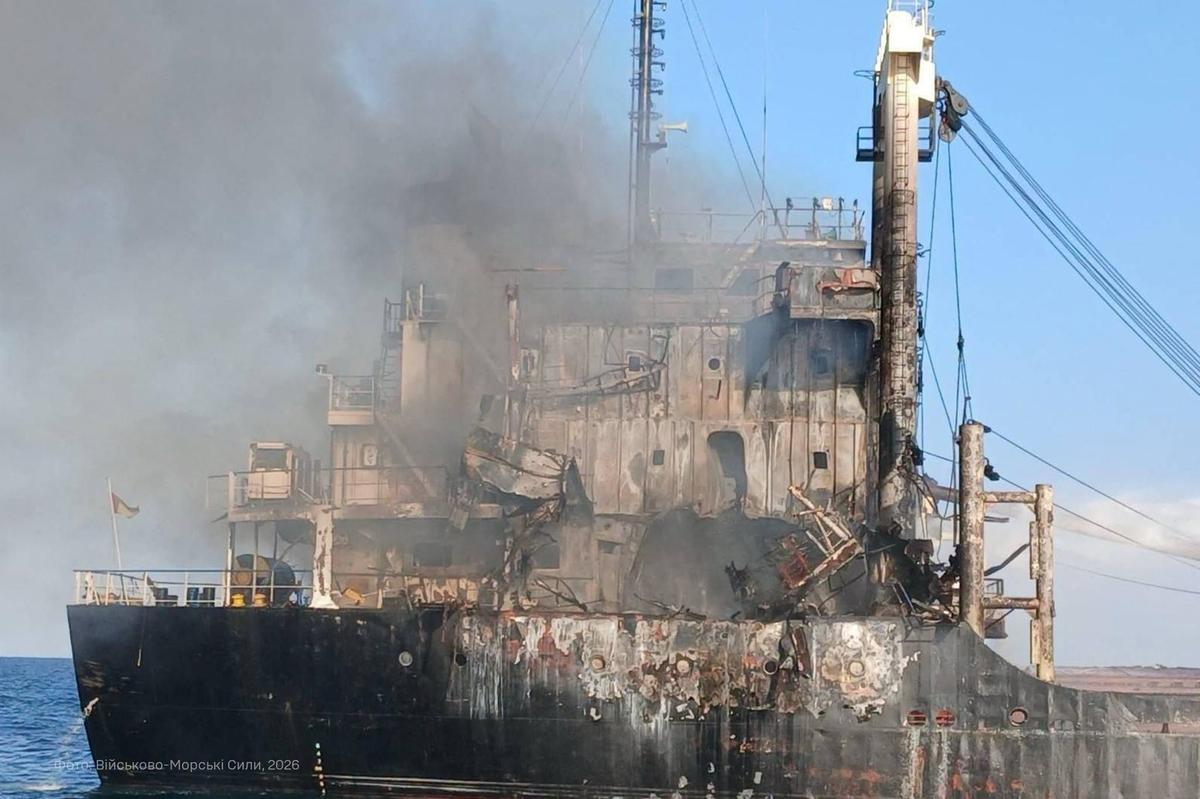
Four Indian seafarers were killed after a merchant vessel was attacked near Ukraine’s Odesa port, with one Indian critically injured and several crew members still missing.
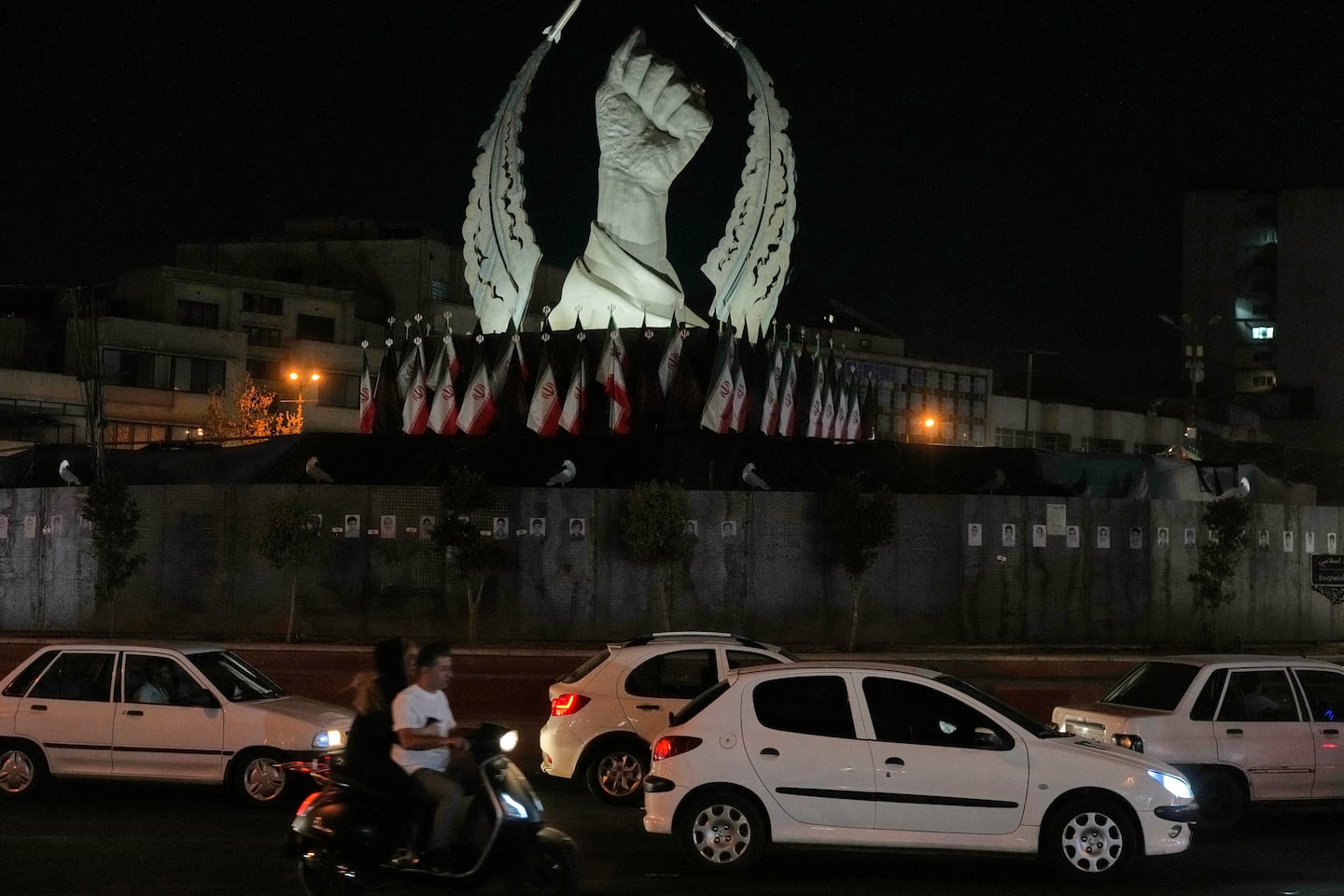
The U.S. has launched its 10th consecutive night of strikes on Iran, as both sides continue exchanging attacks, raising fears of a wider regional conflict.
.jpeg)
Outgoing UK Prime Minister Keir Starmer said “my work is done” as he wished Andy Burnham success, pledging his full support for a smooth leadership transition.
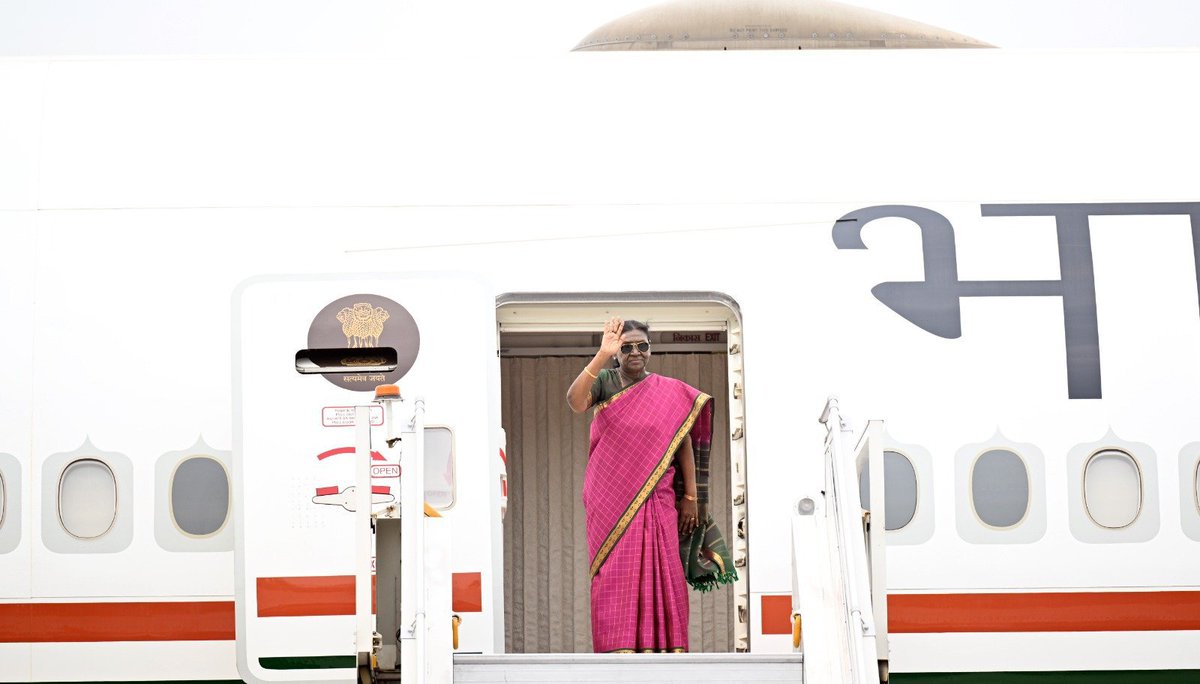
President Droupadi Murmu has arrived in Moldova, beginning a historic three-nation visit to Moldova, North Macedonia and Romania to strengthen diplomatic, economic and people-to-people ties.
.jpeg)
Bangladesh will import 200 Made-in-India broad-gauge railway coaches under a ₹915 crore deal, boosting passenger capacity and strengthening rail cooperation between the two countries.
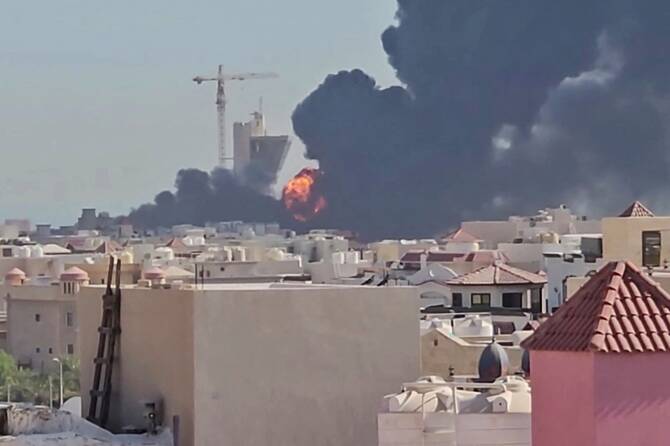
Iran’s IRGC claims it struck U.S. military targets in Kuwait and warned Gulf states hosting American forces, as tensions around the Strait of Hormuz continue to escalate.
.jpeg)
An American soldier was killed while attempting to safely detonate a captured Iranian explosive drone, highlighting the dangers of explosive ordnance disposal amid the ongoing U.S.-Iran conflict.
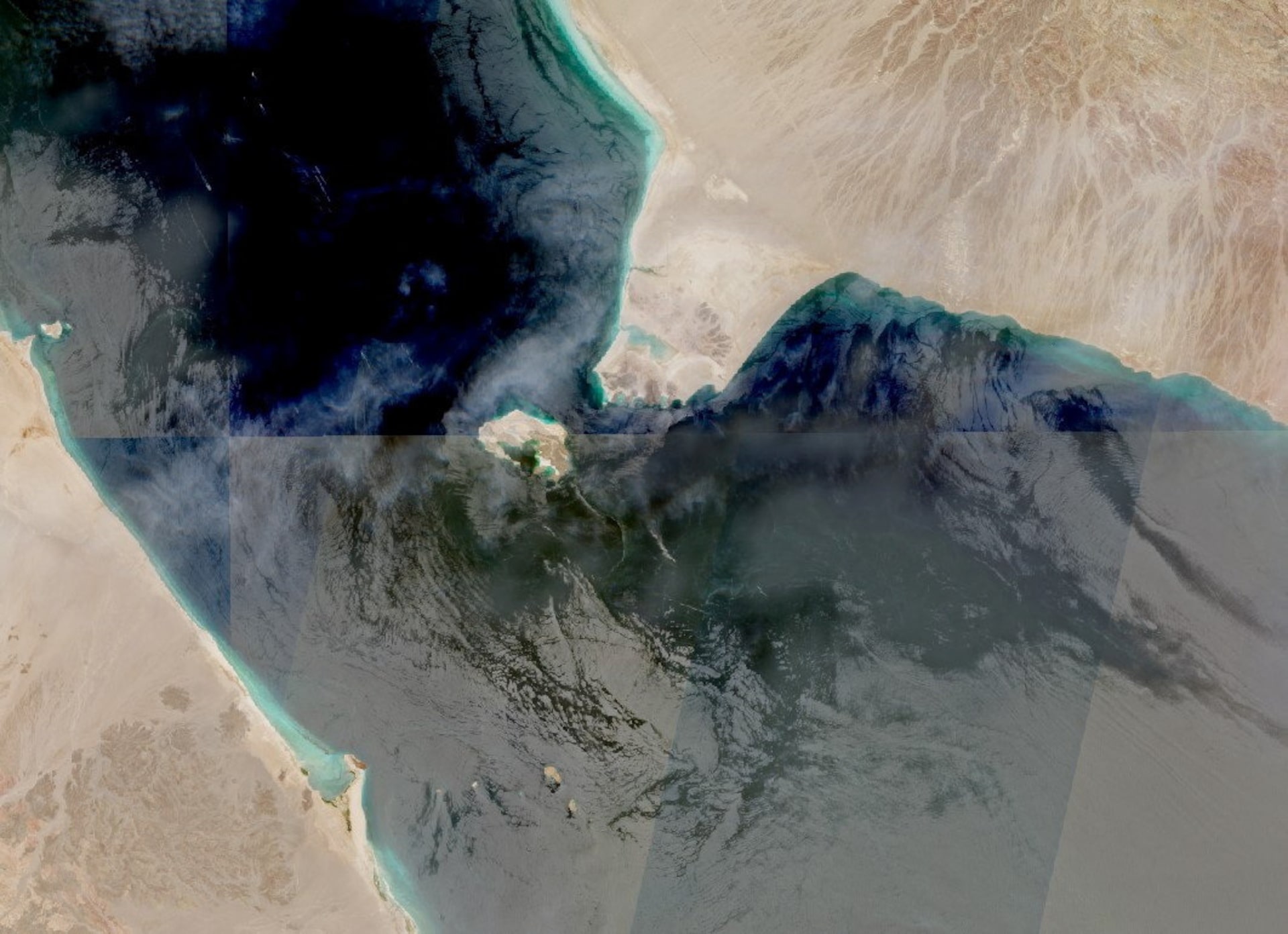
Iran has reportedly told the Houthis to prepare to target shipping near the Bab el-Mandeb Strait if the U.S. strikes Iran’s power infrastructure, raising concerns over Red Sea security.

.jpeg)
Donald Trump has again claimed credit for the India-Pakistan ceasefire as part o...
.jpeg)
Fresh U.S. airstrikes in Iran reportedly killed 14 people, prompting Iranian ret...
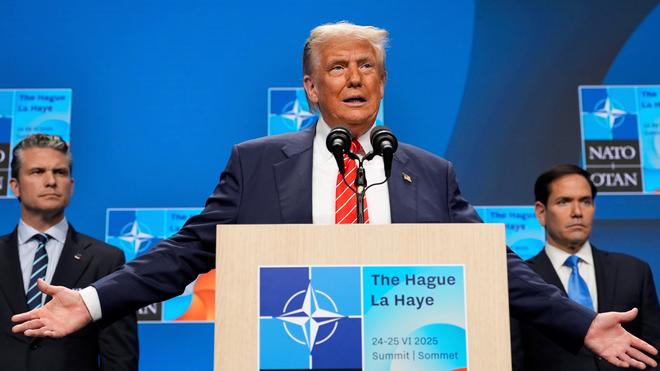
President Donald Trump claimed he is Iran’s “No. 1 target” after security measur...
.jpeg)
Three people were killed in U.S. strikes in western Iran as tensions escalated f...
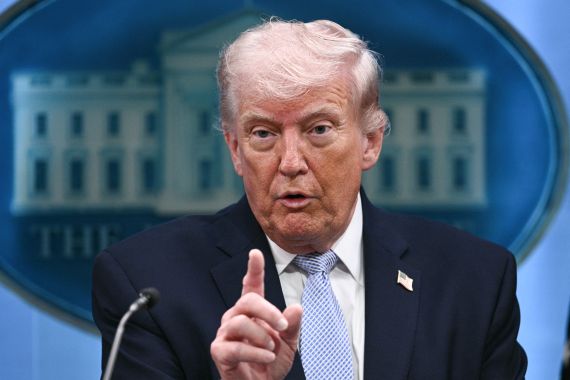
President Donald Trump said the Iran ceasefire is “over” following fresh U.S. st...