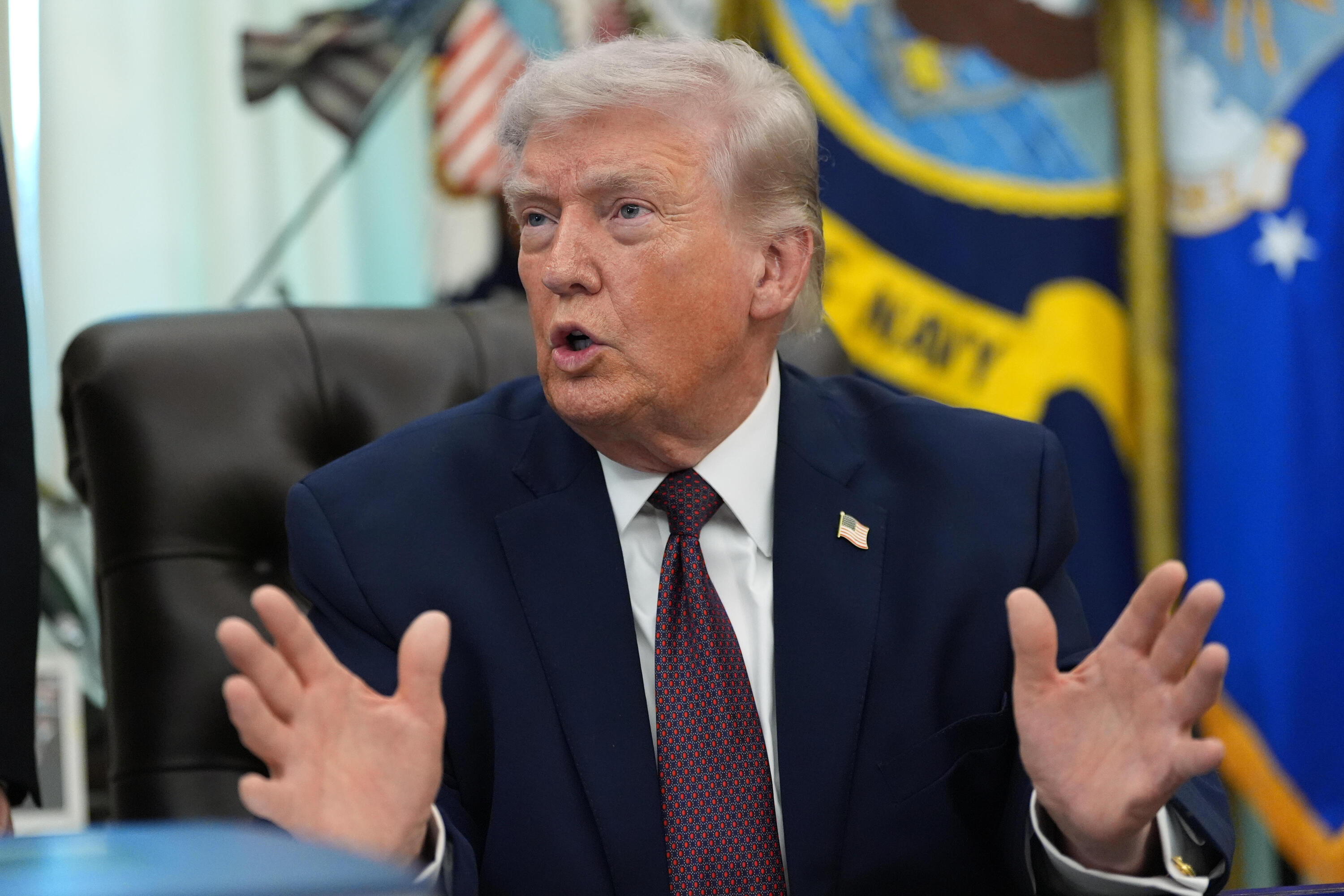
Desk Correspondent , Washington DC - 32 days into a war that has reordered the Middle East, disrupted global energy markets, fractured Western alliances, and pushed petrol past four dollars a gallon in the United States, President Donald Trump stood before reporters in the Oval Office on Tuesday and uttered words that instantly moved markets, rattled capitals, and raised one overriding question: does he mean it this time? "We'll be leaving very soon," Trump told reporters. "Within two weeks, maybe two weeks, maybe three." More strikingly, he abandoned his central diplomatic demand: Iran, he declared, does not need to make a deal for the war to end. The US may simply declare success and go home. Whether that constitutes a strategy or an improvisation is the defining question hanging over the fifth week of the Iran-US war.
President Donald Trump said U.S. forces would leave Iran within 2-3 weeks, with no nuclear deal or diplomacy required, on the condition that Iran is “put into the Stone Ages” and can no longer quickly get a nuclear weapon. His remarks broke from Washington’s earlier 15 point ceasefire plan, linked the withdrawal to falling U.S. gas prices which had hit $4 a gallon and $5.99 in Los Angeles and sent the S&P 500 up 2.9% and the Dow up 2.5%.
Trump also rebuked Britain, Spain, and France, telling them to “fight for themselves” and “get your own oil,” while Iranian forces threatened staff of 18 U.S. firms like Microsoft, Google, Apple, Tesla, and Boeing, and Iran’s foreign minister said trust is “at zero.” A Kuwaiti oil tanker was hit near Dubai, Israel’s Netanyahu said the war was “more than halfway” in missions, and the White House announced Trump would deliver a prime‑time national address on Iran at 9 p.m. ET, even as analysts noted his pattern of two‑week promises he has often not kept.
Trump’s 2-3 week exit declaration, if fulfilled, would be one of the most consequential foreign policy moves of his presidency, ending a war that has reshaped the Middle East and strained Western alliances, without a formal deal, without reopening the Strait of Hormuz, and without binding nuclear commitments from Tehran. Whether this is seen as victory or strategic retreat will define the war’s legacy. What is clear, however, is that the Strait remains blockaded, the alliance is fractured, Iran is devastated but defiant, and the Middle East will not return to its pre February 28 equilibrium no matter when the guns fall silent.
.jpeg)
The U.S. and Saudi Arabia have signed a civilian nuclear cooperation agreement, paving the way for long-term nuclear energy collaboration while emphasizing nonproliferation safeguards.
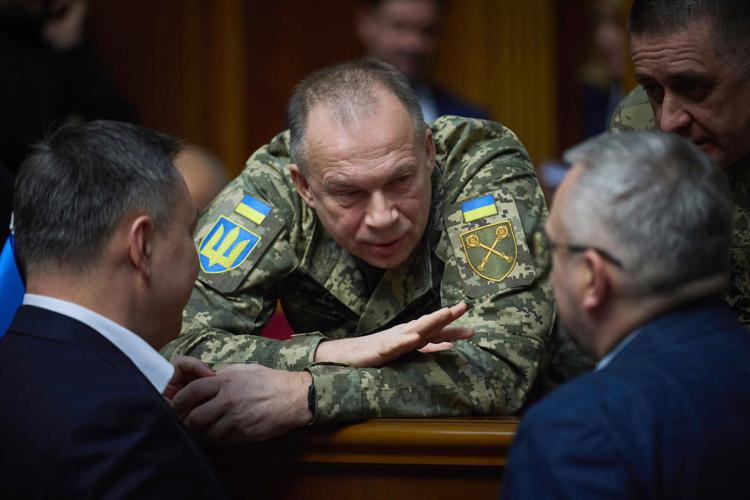
Ukrainian President Volodymyr Zelenskyy has appointed Mykhailo Drapatyi as the new army chief, replacing Oleksandr Syrskyi following protests over military leadership and reform.
An Indian-origin doctor in Ohio has been sentenced to six months in prison for secretly recording hospital staff in a restroom, after pleading guilty to voyeurism and evidence tampering.
.jpeg)
Pakistan has reportedly sought a $10 billion U.S. exchange stabilisation facility to strengthen its foreign exchange reserves, support the rupee, and ease pressure on its struggling economy.
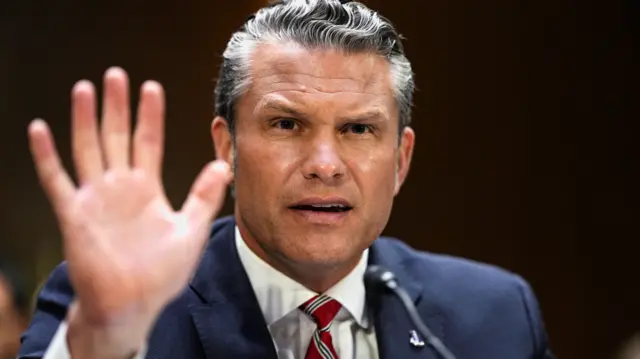
U.S. Defence Secretary Pete Hegseth said the conflict with Iran has cost the U.S. about $37.5 billion, as American strikes entered their 11th consecutive day.
.jpeg)
A reported Houthi blockade targeting Saudi-linked shipping in the Red Sea could disrupt oil exports, raise shipping costs, and increase pressure on global energy markets.
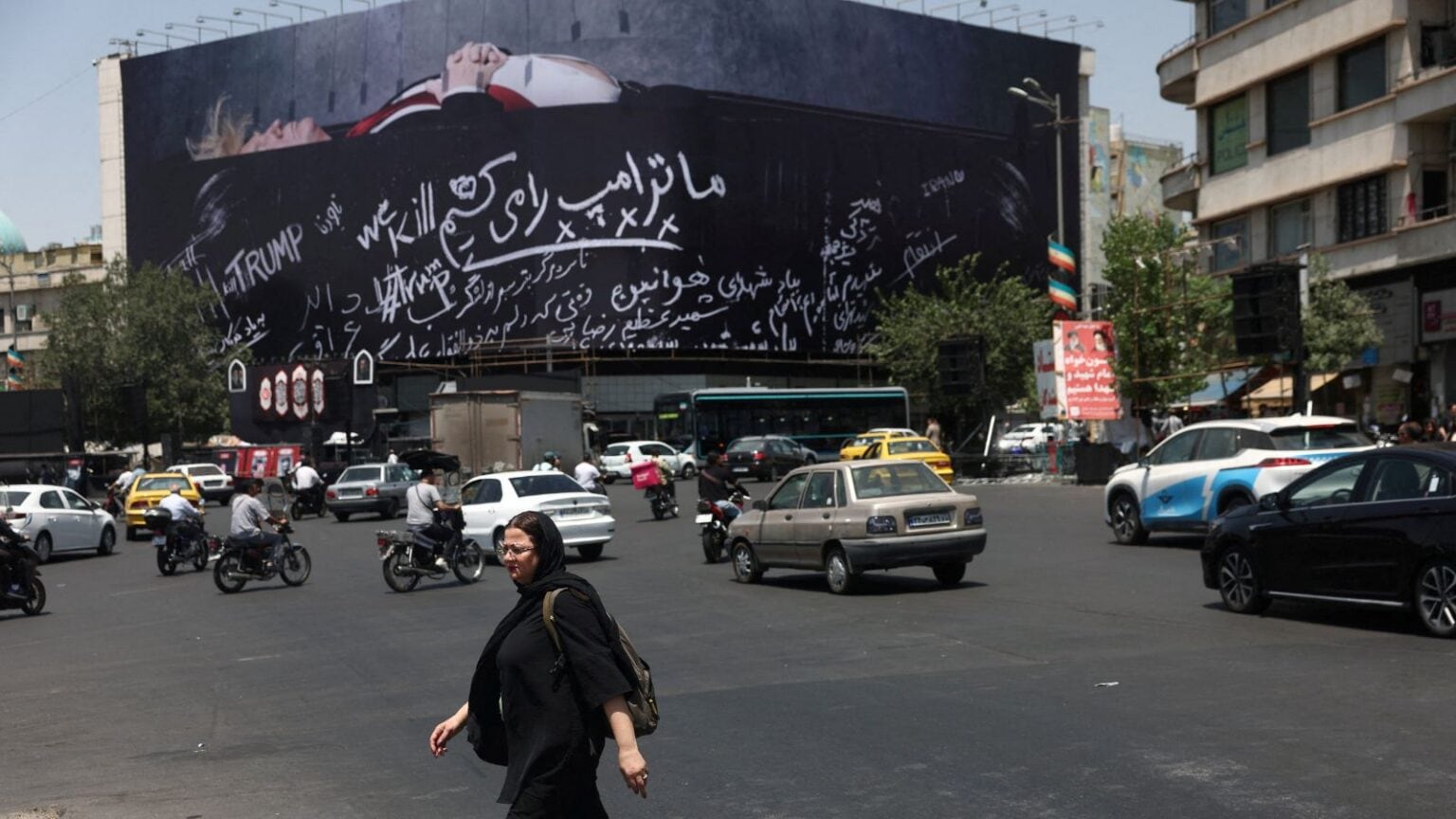
Iran says it targeted U.S.-linked sites in Bahrain and Kuwait after fresh American strikes on southern Iran, further escalating tensions across the Gulf and the Strait of Hormuz.
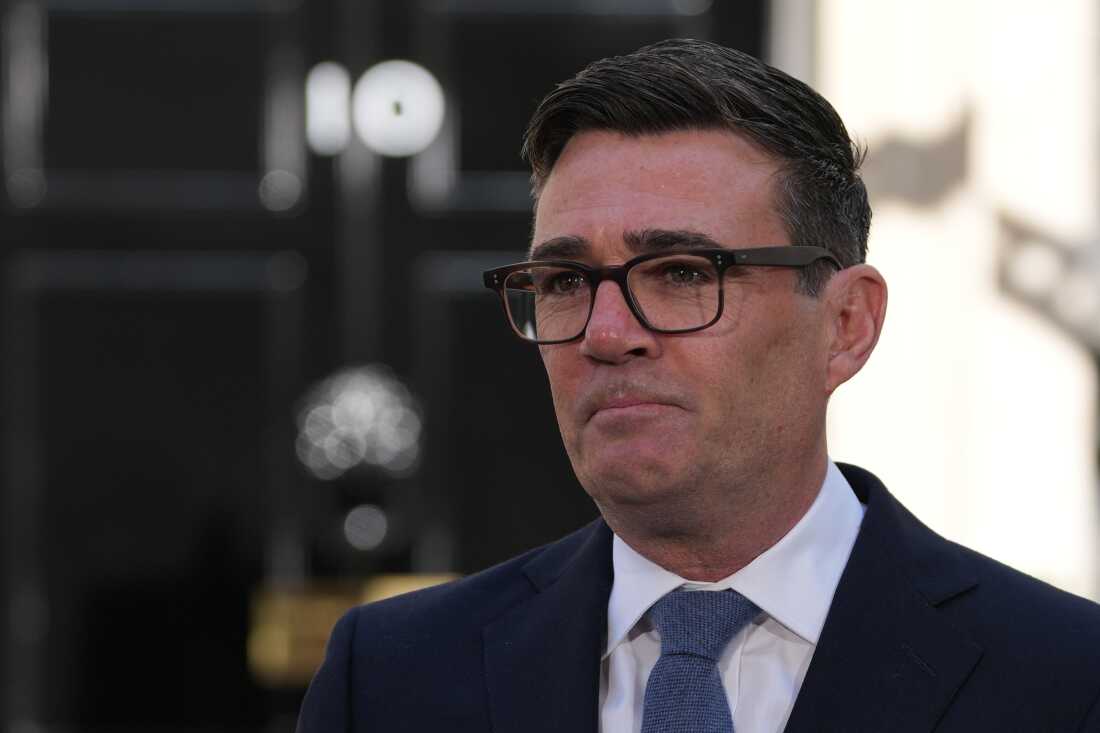
Andy Burnham has been sworn in as the U.K.'s new Prime Minister, promising a new social and political model focused on stability, fairness and long-term reform.
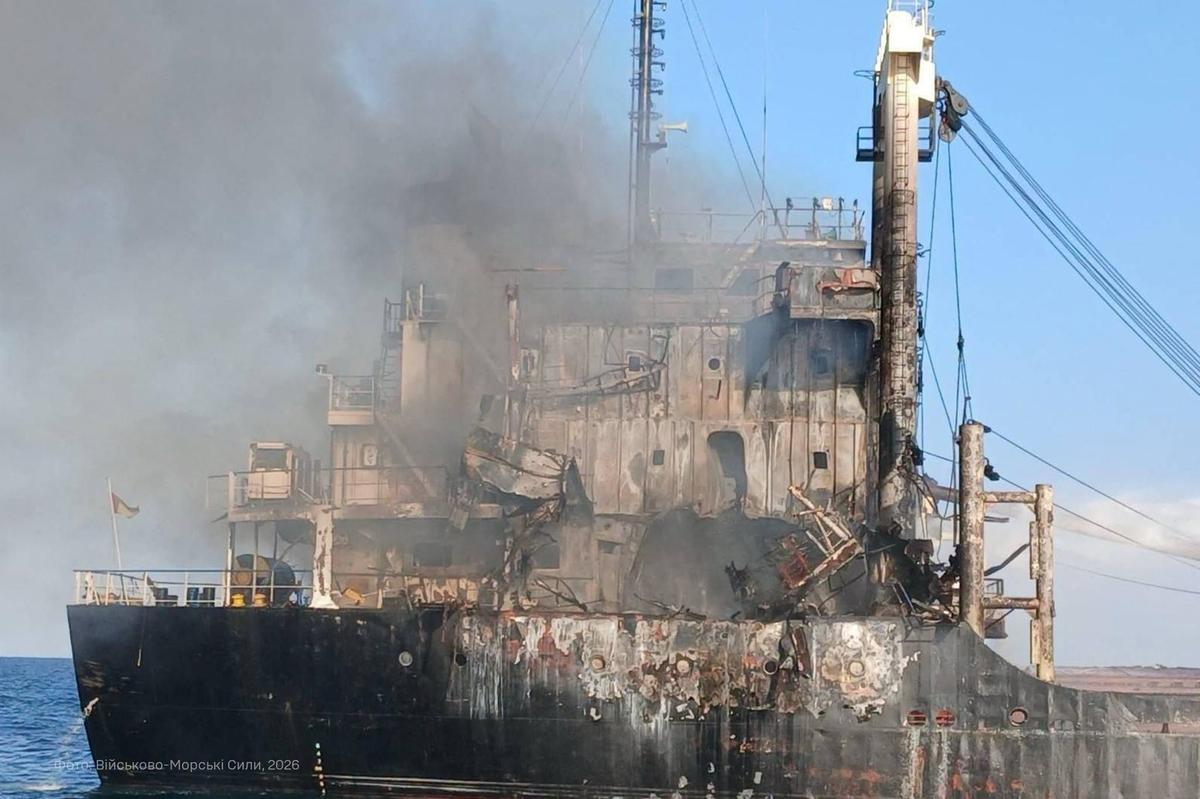
Four Indian seafarers were killed after a merchant vessel was attacked near Ukraine’s Odesa port, with one Indian critically injured and several crew members still missing.
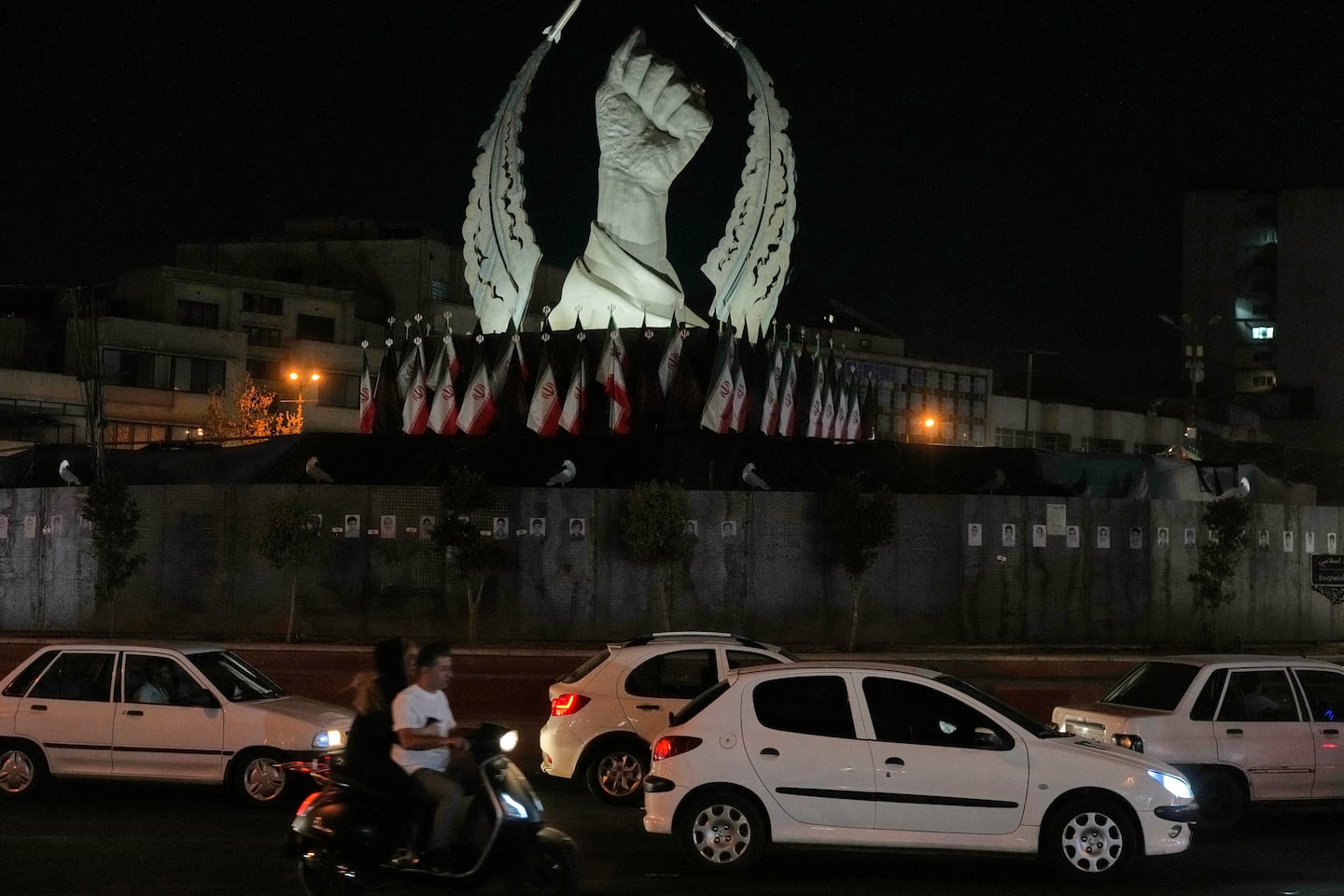
The U.S. has launched its 10th consecutive night of strikes on Iran, as both sides continue exchanging attacks, raising fears of a wider regional conflict.
.jpeg)
Outgoing UK Prime Minister Keir Starmer said “my work is done” as he wished Andy Burnham success, pledging his full support for a smooth leadership transition.
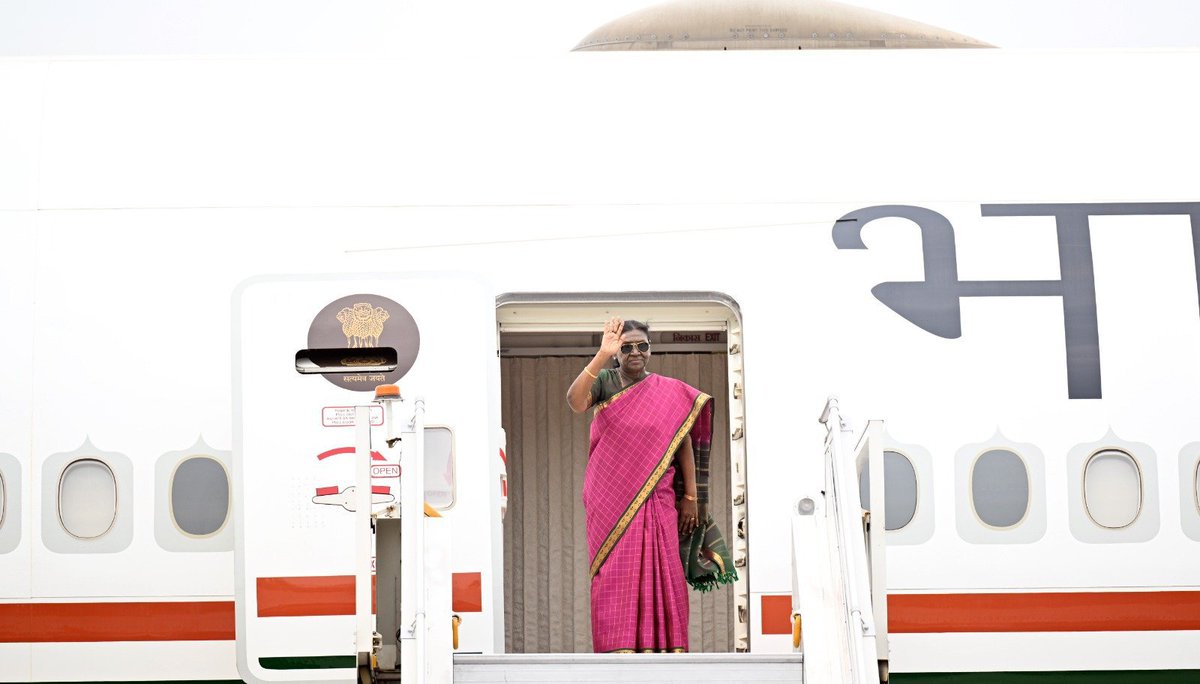
President Droupadi Murmu has arrived in Moldova, beginning a historic three-nation visit to Moldova, North Macedonia and Romania to strengthen diplomatic, economic and people-to-people ties.
.jpeg)
Bangladesh will import 200 Made-in-India broad-gauge railway coaches under a ₹915 crore deal, boosting passenger capacity and strengthening rail cooperation between the two countries.
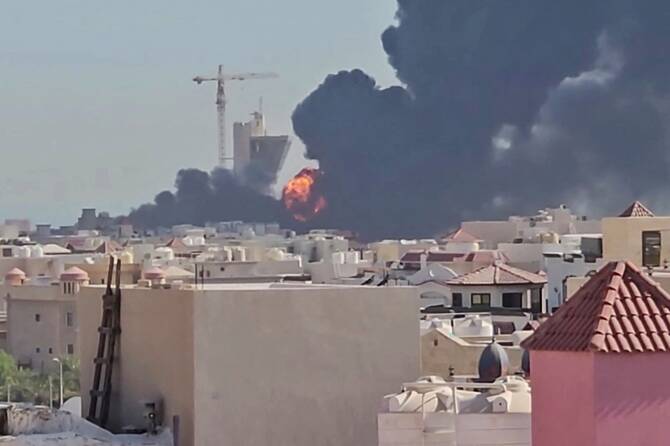
Iran’s IRGC claims it struck U.S. military targets in Kuwait and warned Gulf states hosting American forces, as tensions around the Strait of Hormuz continue to escalate.
.jpeg)
An American soldier was killed while attempting to safely detonate a captured Iranian explosive drone, highlighting the dangers of explosive ordnance disposal amid the ongoing U.S.-Iran conflict.

.jpeg)
Donald Trump has again claimed credit for the India-Pakistan ceasefire as part o...
.jpeg)
Fresh U.S. airstrikes in Iran reportedly killed 14 people, prompting Iranian ret...
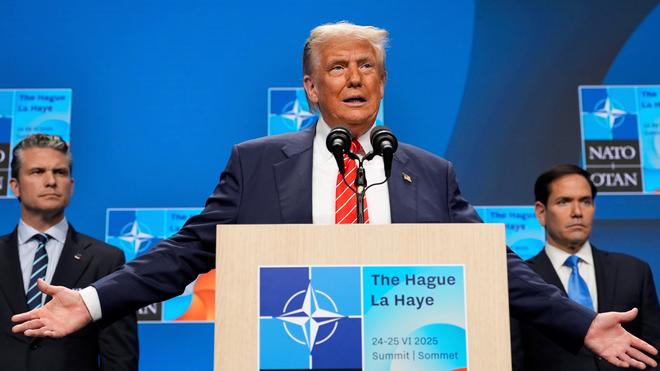
President Donald Trump claimed he is Iran’s “No. 1 target” after security measur...
.jpeg)
Three people were killed in U.S. strikes in western Iran as tensions escalated f...
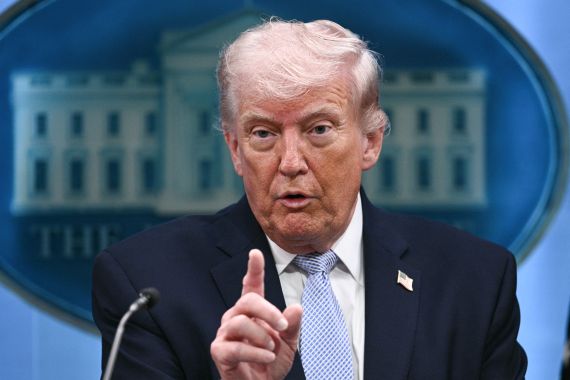
President Donald Trump said the Iran ceasefire is “over” following fresh U.S. st...