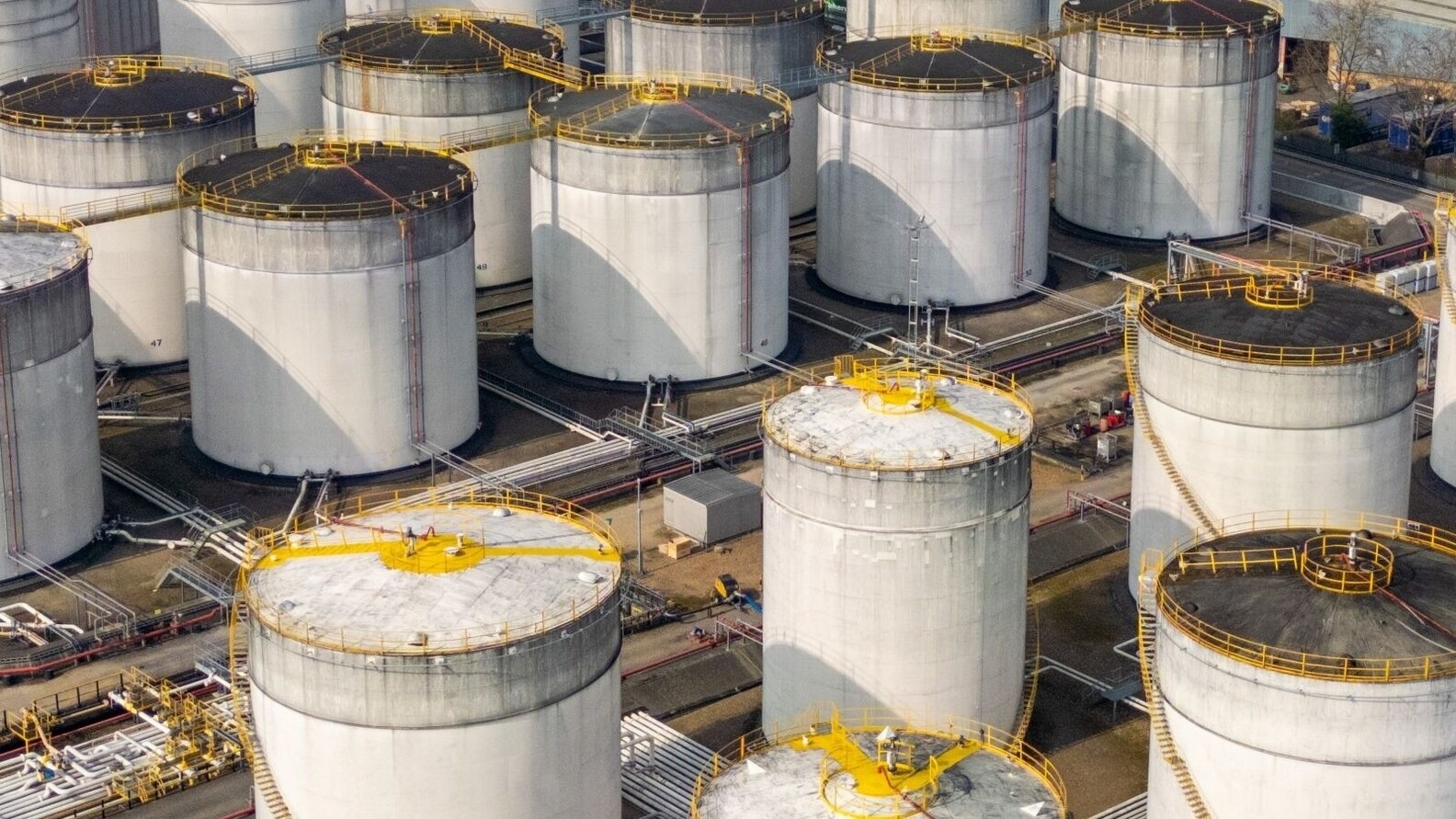
Swapna Kumbar, Bengaluru - The administration of Donald Trump has dramatically expanded its economic pressure campaign against Iran under a strategy known as “Operation Economic Fury.” The initiative is designed to choke off Iran’s “shadow oil” network, a vast system of front companies, covert shipping routes, hidden financial channels, and sanctioned tankers used to secretly sell Iranian crude despite international restrictions. US officials say the network has become one of Tehran’s most important financial lifelines during the ongoing regional conflict and sanctions standoff.
According to the US Treasury Department, the campaign targets every layer of Iran’s sanctions-evasion infrastructure, including oil tankers, shipping firms, banks, brokers, cryptocurrency channels, and foreign intermediaries accused of facilitating Iranian oil sales. Washington has imposed sanctions on dozens of vessels and companies allegedly linked to Iran’s military-backed oil trade, including networks connected to Sepehr Energy and shipping operators tied to the late Iranian security figure Ali Shamkhani’s family. Officials say many of these firms use shell companies, fake ownership structures, ship-to-ship transfers, and “dark fleet” tactics such as disabling tracking systems to move oil mainly toward Asian buyers, especially China’s independent “teapot” refineries.
The Trump administration has also expanded enforcement beyond traditional sanctions by targeting what it calls Iran’s “shadow banking architecture” and crypto financing networks. Treasury Secretary Scott Bessent described the operation as the “financial equivalent of a bombing campaign,” claiming the US has already disrupted billions of dollars in projected Iranian oil revenue and frozen nearly $500 million linked to regime-connected cryptocurrency activity. Washington has further threatened secondary sanctions on foreign financial institutions, shipping insurers, airlines, and governments that continue facilitating Iranian commerce.
The crackdown comes even as indirect negotiations continue over reopening the Strait of Hormuz and easing regional tensions. Analysts say the US strategy reflects a dual-track approach: using economic warfare to weaken Iran’s financial capacity while simultaneously pursuing diplomatic negotiations. However, critics warn that the pressure campaign risks further destabilizing global oil markets, especially if Iran retaliates by disrupting Gulf shipping routes or tightening control around Hormuz.
Operation Economic Fury represents one of the most aggressive US sanctions offensives against Iran in recent years, targeting not just oil exports but the entire hidden ecosystem that allows Tehran to bypass international restrictions. While Washington believes the strategy can force Iran into concessions, the campaign is also increasing geopolitical tensions and raising concerns about wider economic and energy disruptions across the Middle East.
The Trump administration has introduced new 10%–12.5% tariffs on imports from 60 trading partners, citing forced-labor concerns as temporary U.S. tariffs expire.
.jpeg)
The U.S. and Saudi Arabia have signed a civilian nuclear cooperation agreement, paving the way for long-term nuclear energy collaboration while emphasizing nonproliferation safeguards.
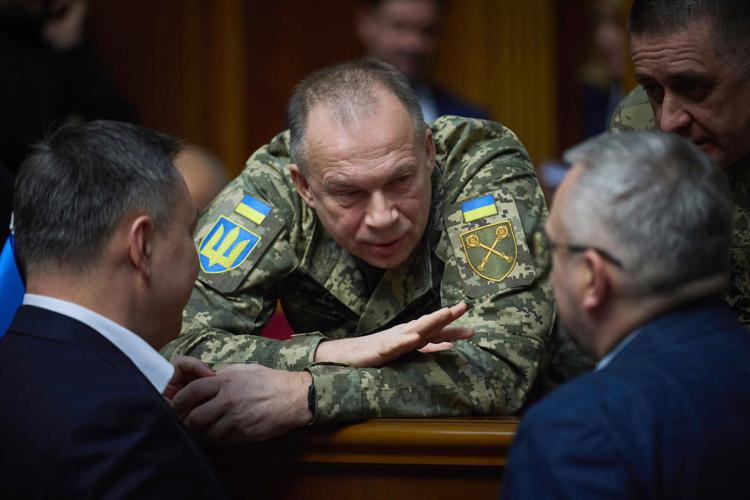
Ukrainian President Volodymyr Zelenskyy has appointed Mykhailo Drapatyi as the new army chief, replacing Oleksandr Syrskyi following protests over military leadership and reform.
An Indian-origin doctor in Ohio has been sentenced to six months in prison for secretly recording hospital staff in a restroom, after pleading guilty to voyeurism and evidence tampering.
.jpeg)
Pakistan has reportedly sought a $10 billion U.S. exchange stabilisation facility to strengthen its foreign exchange reserves, support the rupee, and ease pressure on its struggling economy.
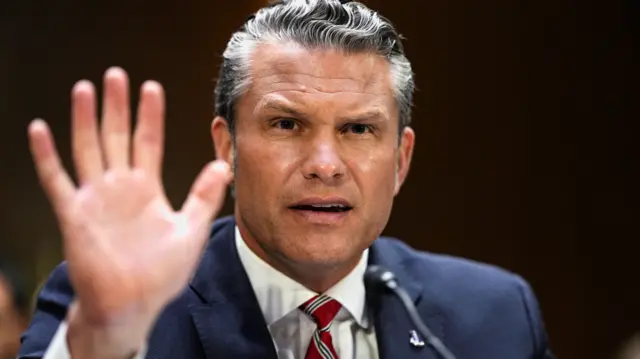
U.S. Defence Secretary Pete Hegseth said the conflict with Iran has cost the U.S. about $37.5 billion, as American strikes entered their 11th consecutive day.
.jpeg)
A reported Houthi blockade targeting Saudi-linked shipping in the Red Sea could disrupt oil exports, raise shipping costs, and increase pressure on global energy markets.
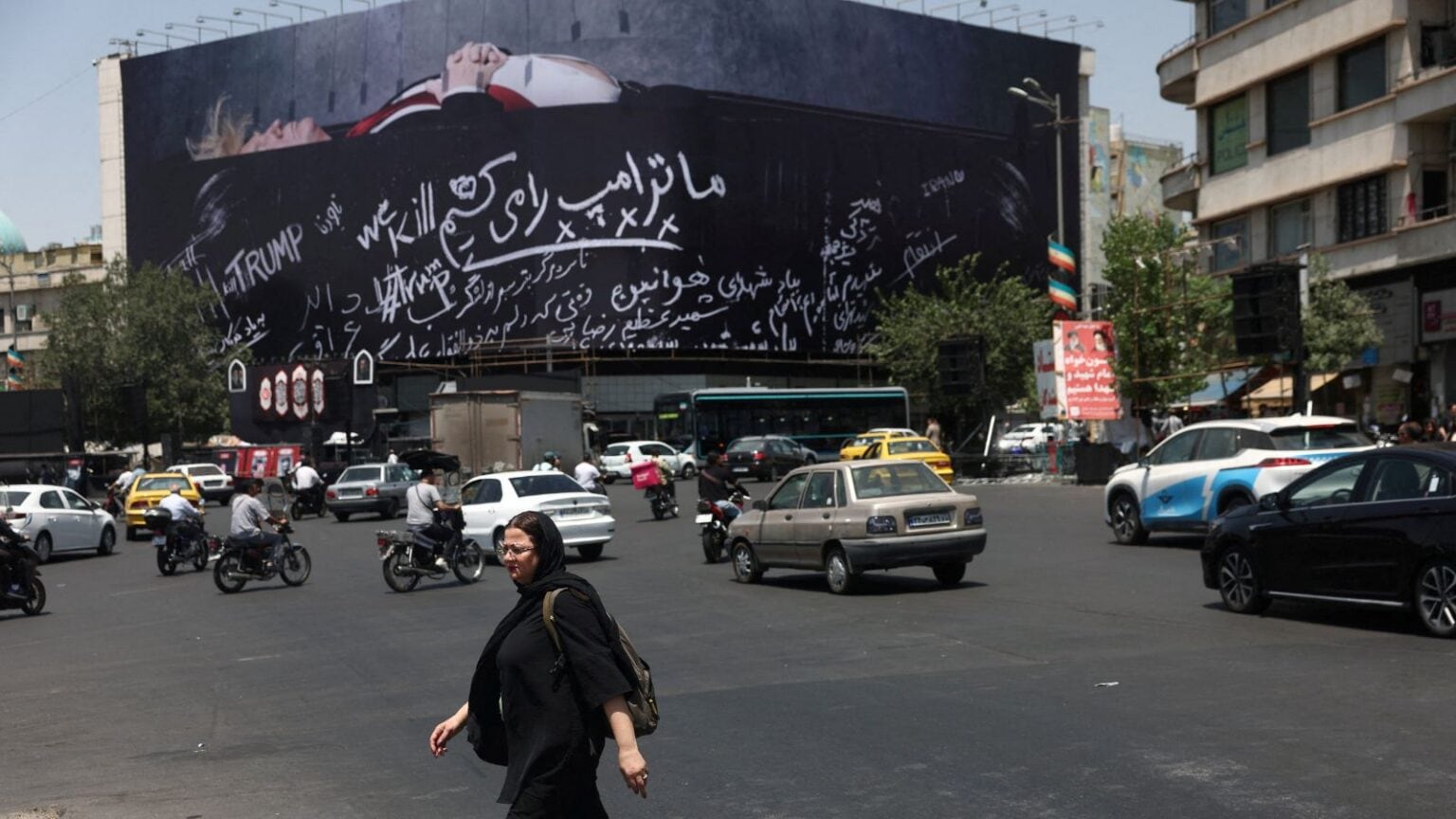
Iran says it targeted U.S.-linked sites in Bahrain and Kuwait after fresh American strikes on southern Iran, further escalating tensions across the Gulf and the Strait of Hormuz.
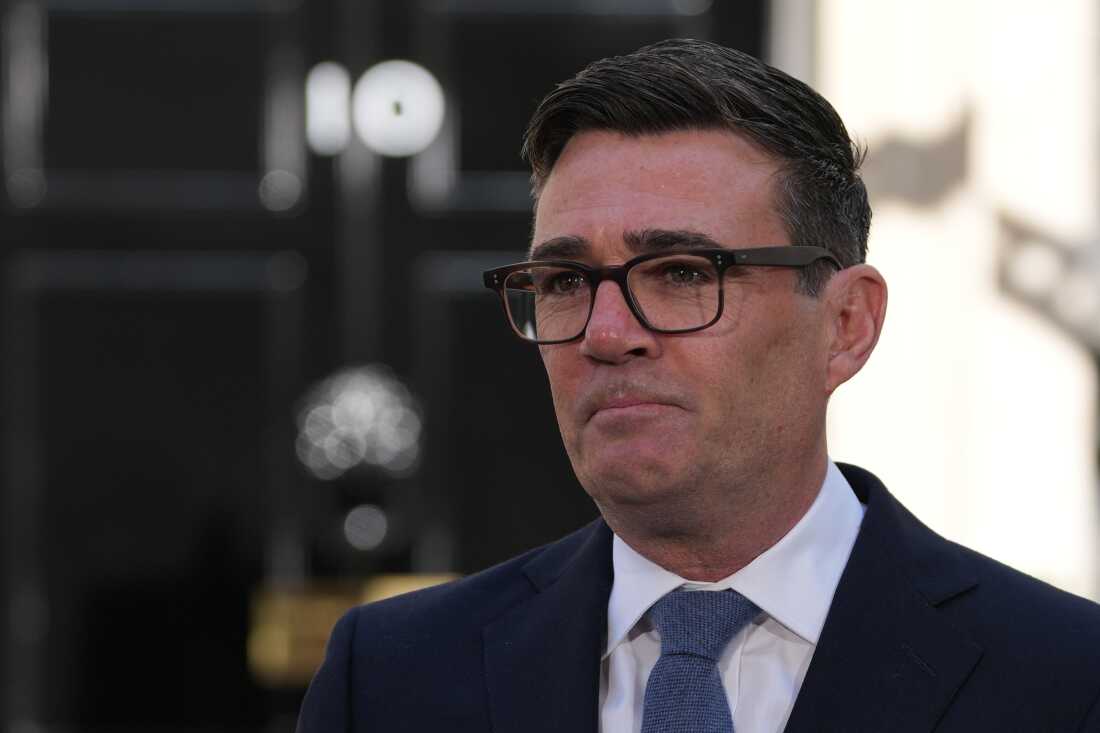
Andy Burnham has been sworn in as the U.K.'s new Prime Minister, promising a new social and political model focused on stability, fairness and long-term reform.
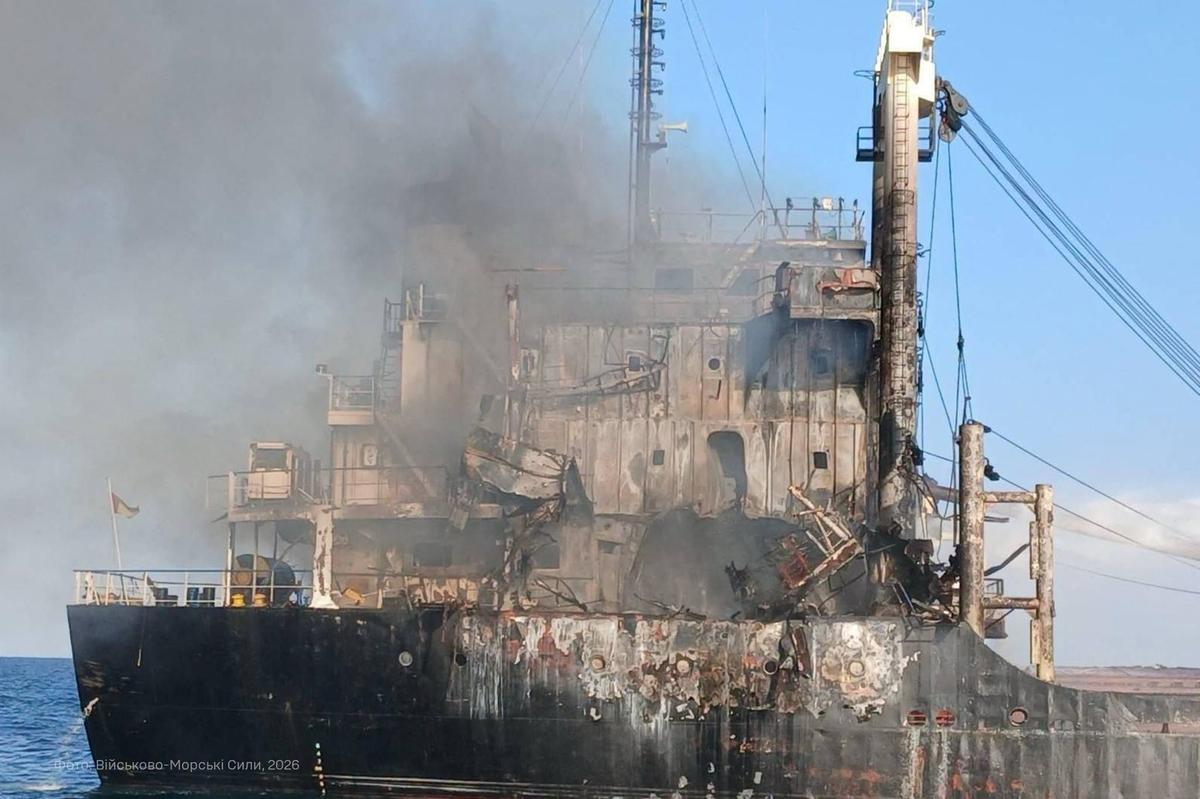
Four Indian seafarers were killed after a merchant vessel was attacked near Ukraine’s Odesa port, with one Indian critically injured and several crew members still missing.
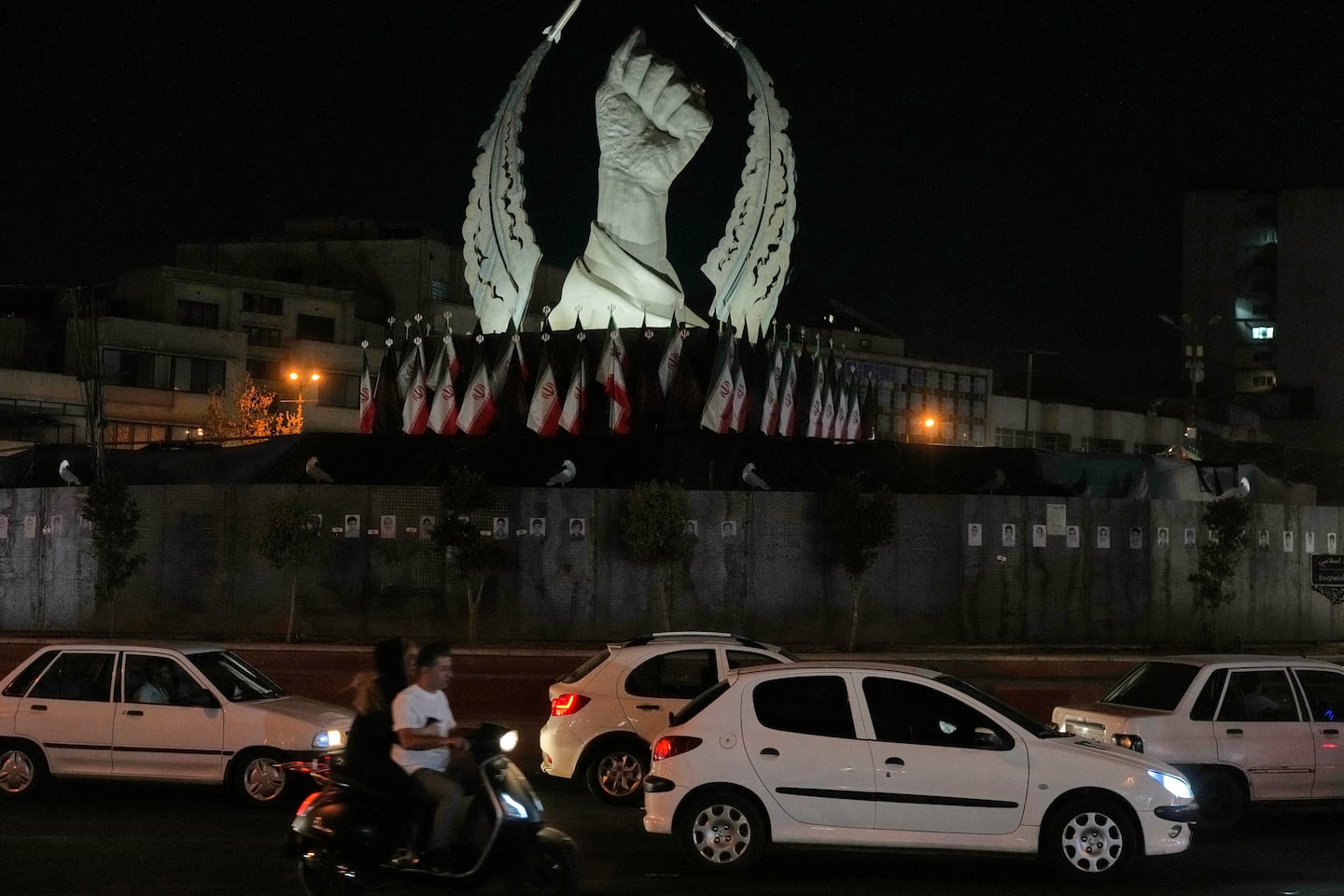
The U.S. has launched its 10th consecutive night of strikes on Iran, as both sides continue exchanging attacks, raising fears of a wider regional conflict.
.jpeg)
Outgoing UK Prime Minister Keir Starmer said “my work is done” as he wished Andy Burnham success, pledging his full support for a smooth leadership transition.
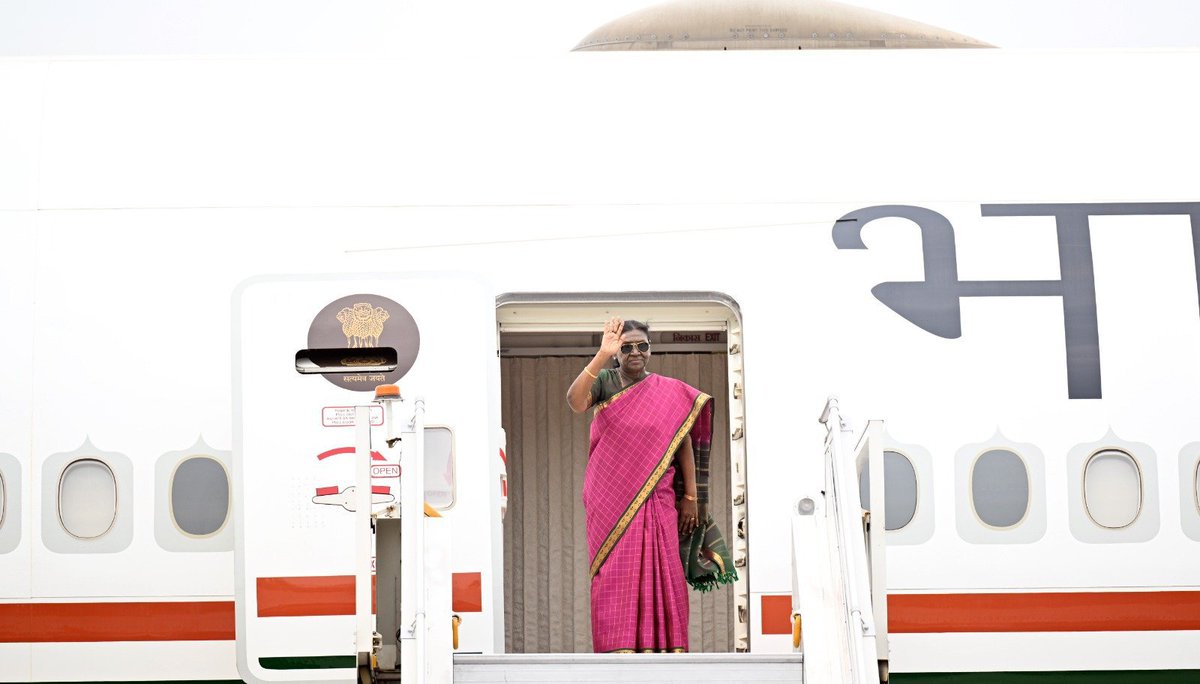
President Droupadi Murmu has arrived in Moldova, beginning a historic three-nation visit to Moldova, North Macedonia and Romania to strengthen diplomatic, economic and people-to-people ties.
.jpeg)
Bangladesh will import 200 Made-in-India broad-gauge railway coaches under a ₹915 crore deal, boosting passenger capacity and strengthening rail cooperation between the two countries.
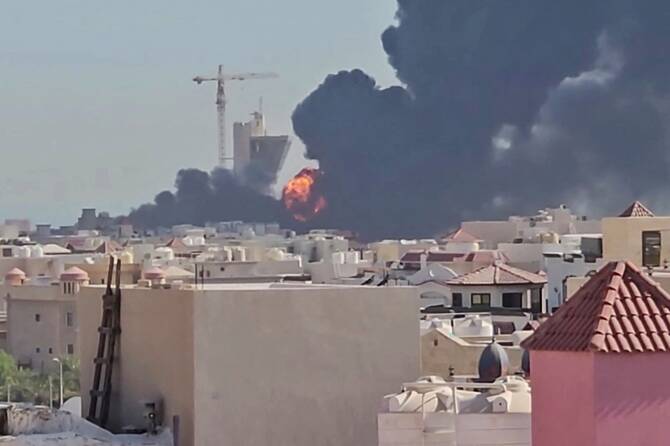
Iran’s IRGC claims it struck U.S. military targets in Kuwait and warned Gulf states hosting American forces, as tensions around the Strait of Hormuz continue to escalate.

.jpeg)
Donald Trump has again claimed credit for the India-Pakistan ceasefire as part o...
.jpeg)
Fresh U.S. airstrikes in Iran reportedly killed 14 people, prompting Iranian ret...
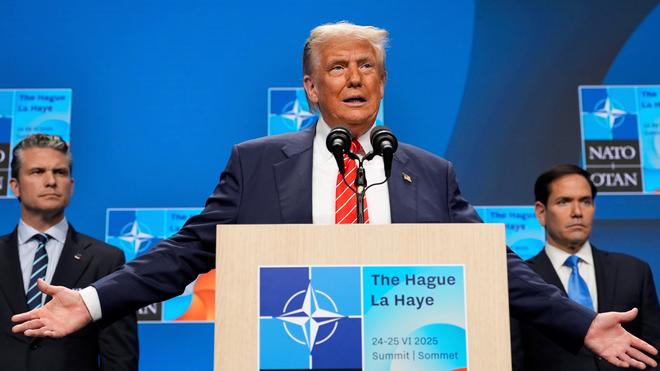
President Donald Trump claimed he is Iran’s “No. 1 target” after security measur...
.jpeg)
Three people were killed in U.S. strikes in western Iran as tensions escalated f...
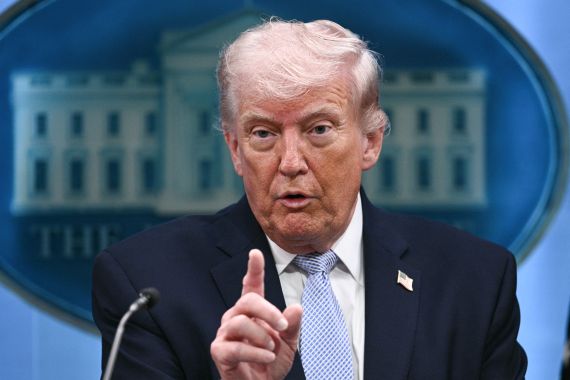
President Donald Trump said the Iran ceasefire is “over” following fresh U.S. st...