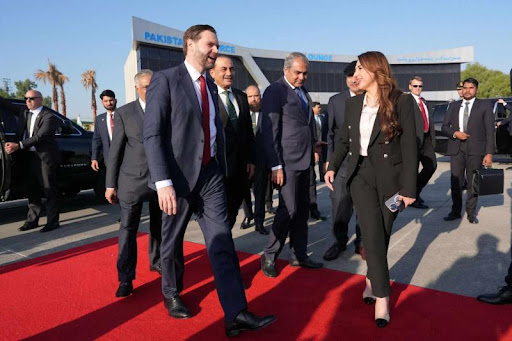
Desk Correspondent , Tehran - The US-Iran ceasefire, brokered less than two weeks ago after intense hostilities in the Strait of Hormuz, now stands on the brink of collapse. Iran has warned that it is preparing new cards on the battlefield if the truce fails and war resumes, while US President Donald Trump has publicly stated that an extension of the ceasefire is highly unlikely unless Tehran agrees to what he calls a far better deal. The tension is being played out against a hard line US naval blockade of Iranian ports and the looming expiry of the temporary truce, raising the risk of fresh military strikes and wider regional escalation at a moment when global energy markets and diplomatic channels are already under severe strain.
Iran’s warnings of new cards on the battlefield come from its powerful parliament speaker and chief negotiator, who has publicly rejected the idea of holding talks under the shadow of threats. During the ceasefire window, Tehran has insisted that it has used the pause not only to reposition forces and refine tactics but also to bring fresh military and strategic options into play options it claims it will reveal should hostilities restart. The message is clear: Iran does not see the current ceasefire as a victory for diplomacy, but as a fragile pause in which it must strengthen its leverage.
At the same time, Trump has doubled down on his demands, insisting that any extension must include stricter limits on Iran’s nuclear program, guarantees on its regional behaviour, and the full opening of the Strait of Hormuz for all shipping. He has maintained and even reinforced a naval blockade of Iranian ports, pointing to the seizure of an Iranian‑flagged ship attempting to circumvent the cordon in the Gulf of Oman as proof that Tehran is not complying with the current terms. The White House has released video footage and statements highlighting the detention of vessels and the monitoring of others, underscoring Washington’s determination to keep economic and military pressure on Iran.
The combination of Iran’s battlefield warnings, Trump’s refusal to lift the naval blockade, and the near term expiry of the ceasefire has turned the current window into a high stakes standoff rather than a genuine peace process. What began as a two week pause in direct strikes may now become a transition point either toward a more comprehensive deal or a renewed spiral of military action. The region, the Strait of Hormuz, and global energy markets are all watching to see whether the new cards Iran has hinted at will be played across the negotiating table or on the battlefield. For now, the ceasefire’s main legacy may be less about lasting peace and more about revealing how thin the margin is between diplomacy and outright war in today’s US-Iran confrontation.
.jpeg)
The U.S. and Saudi Arabia have signed a civilian nuclear cooperation agreement, paving the way for long-term nuclear energy collaboration while emphasizing nonproliferation safeguards.
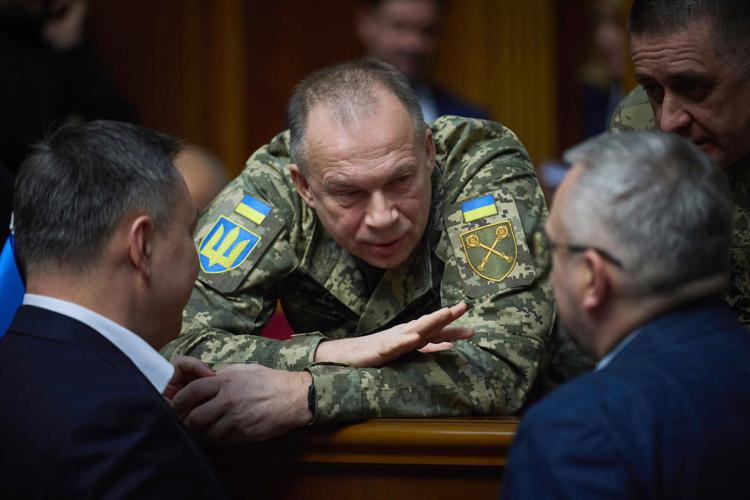
Ukrainian President Volodymyr Zelenskyy has appointed Mykhailo Drapatyi as the new army chief, replacing Oleksandr Syrskyi following protests over military leadership and reform.
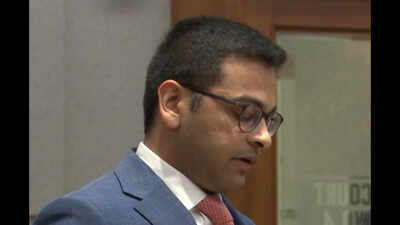
An Indian-origin doctor in Ohio has been sentenced to six months in prison for secretly recording hospital staff in a restroom, after pleading guilty to voyeurism and evidence tampering.
.jpeg)
Pakistan has reportedly sought a $10 billion U.S. exchange stabilisation facility to strengthen its foreign exchange reserves, support the rupee, and ease pressure on its struggling economy.
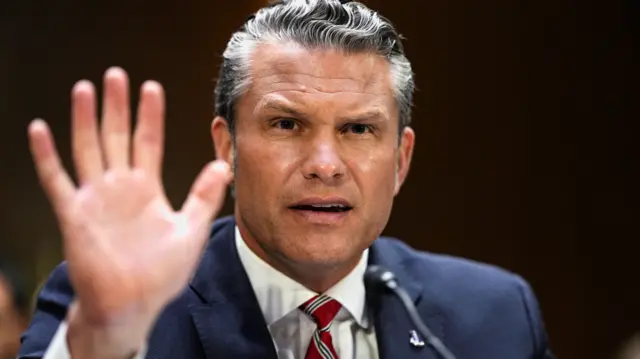
U.S. Defence Secretary Pete Hegseth said the conflict with Iran has cost the U.S. about $37.5 billion, as American strikes entered their 11th consecutive day.
.jpeg)
A reported Houthi blockade targeting Saudi-linked shipping in the Red Sea could disrupt oil exports, raise shipping costs, and increase pressure on global energy markets.
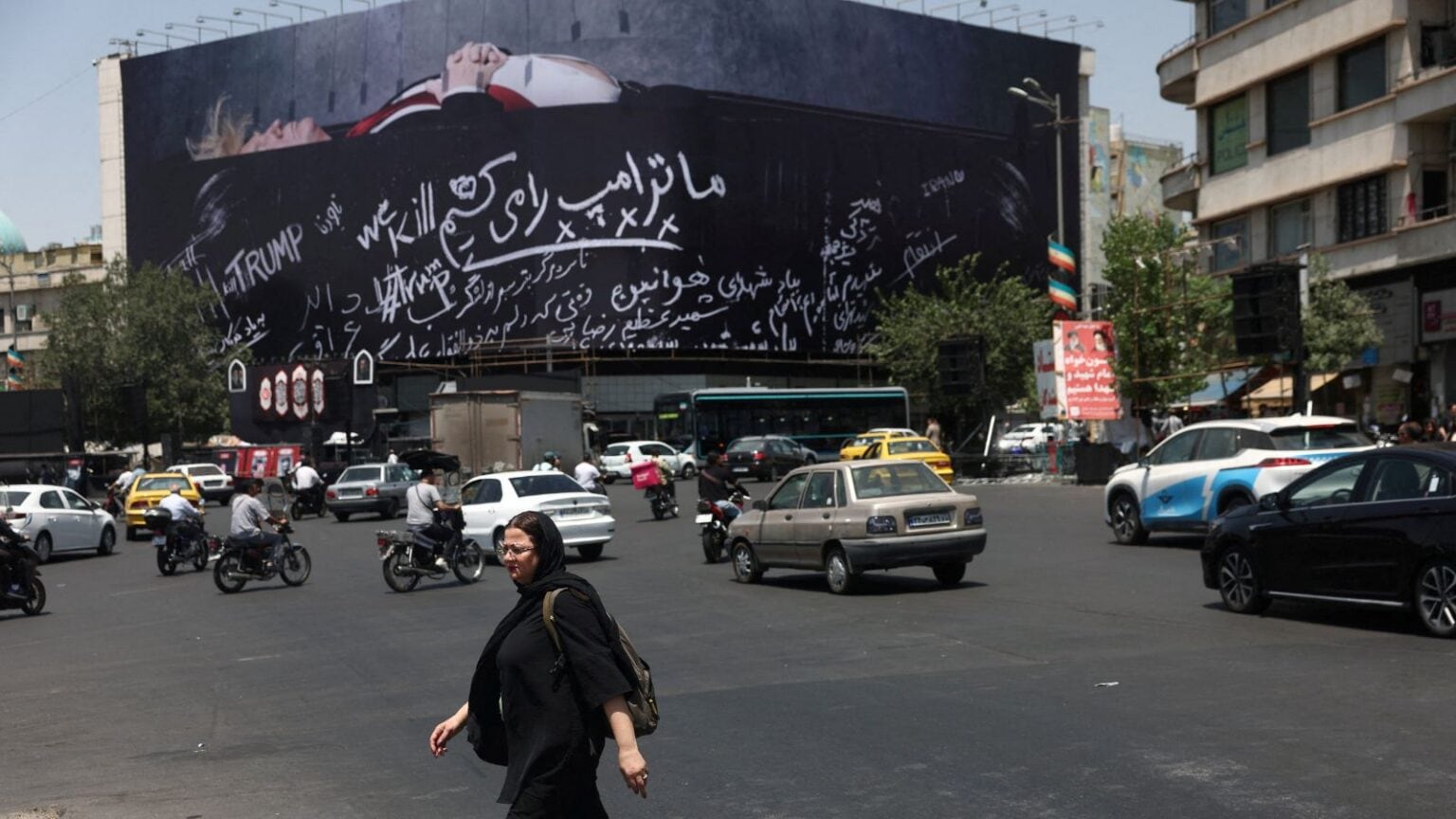
Iran says it targeted U.S.-linked sites in Bahrain and Kuwait after fresh American strikes on southern Iran, further escalating tensions across the Gulf and the Strait of Hormuz.
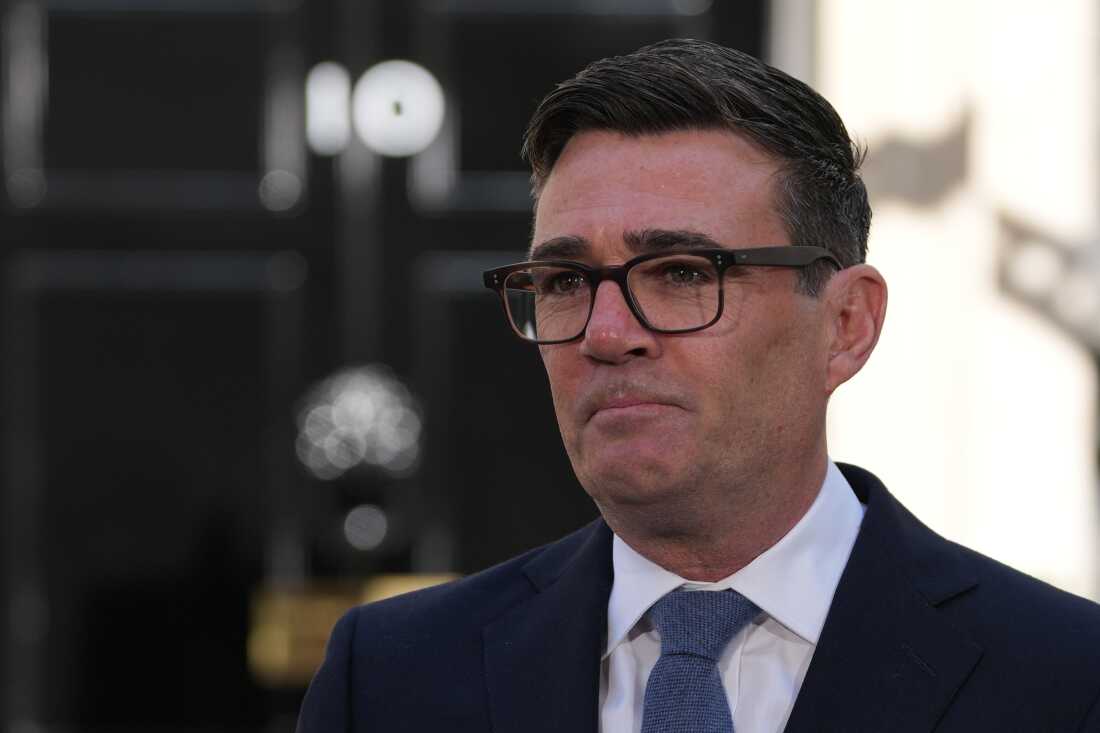
Andy Burnham has been sworn in as the U.K.'s new Prime Minister, promising a new social and political model focused on stability, fairness and long-term reform.
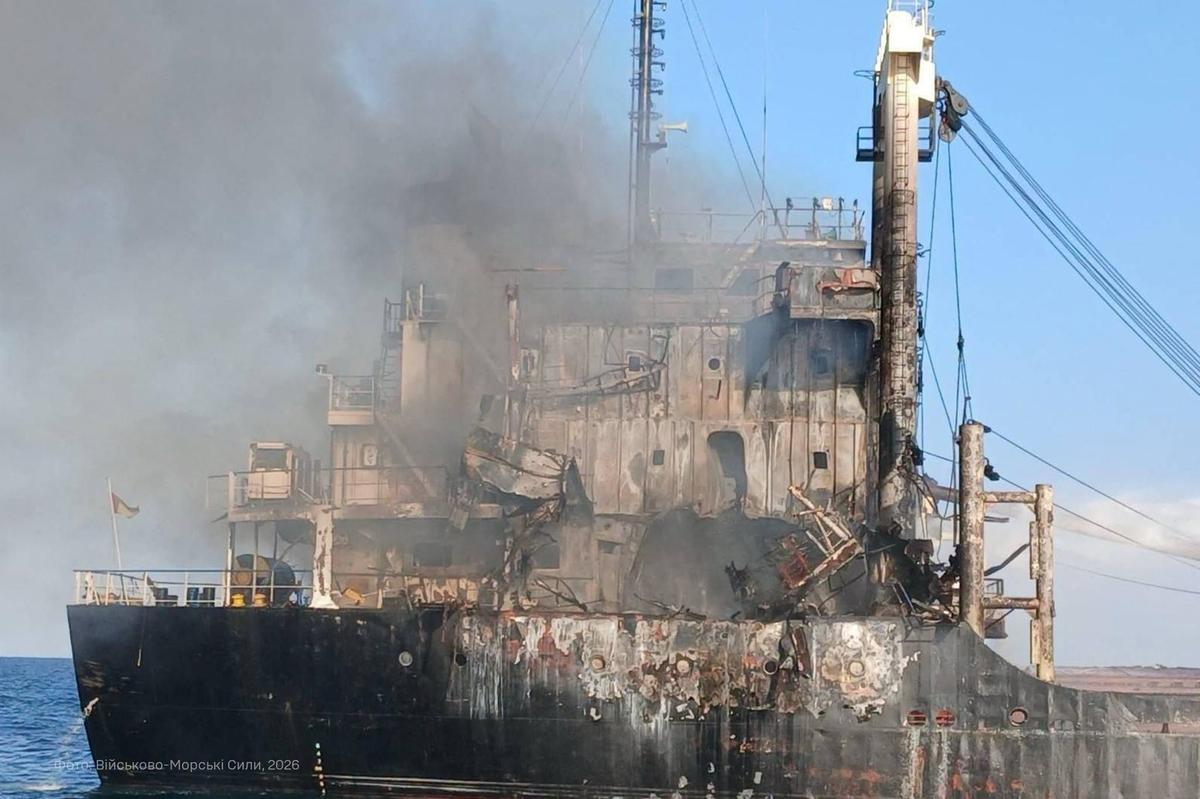
Four Indian seafarers were killed after a merchant vessel was attacked near Ukraine’s Odesa port, with one Indian critically injured and several crew members still missing.
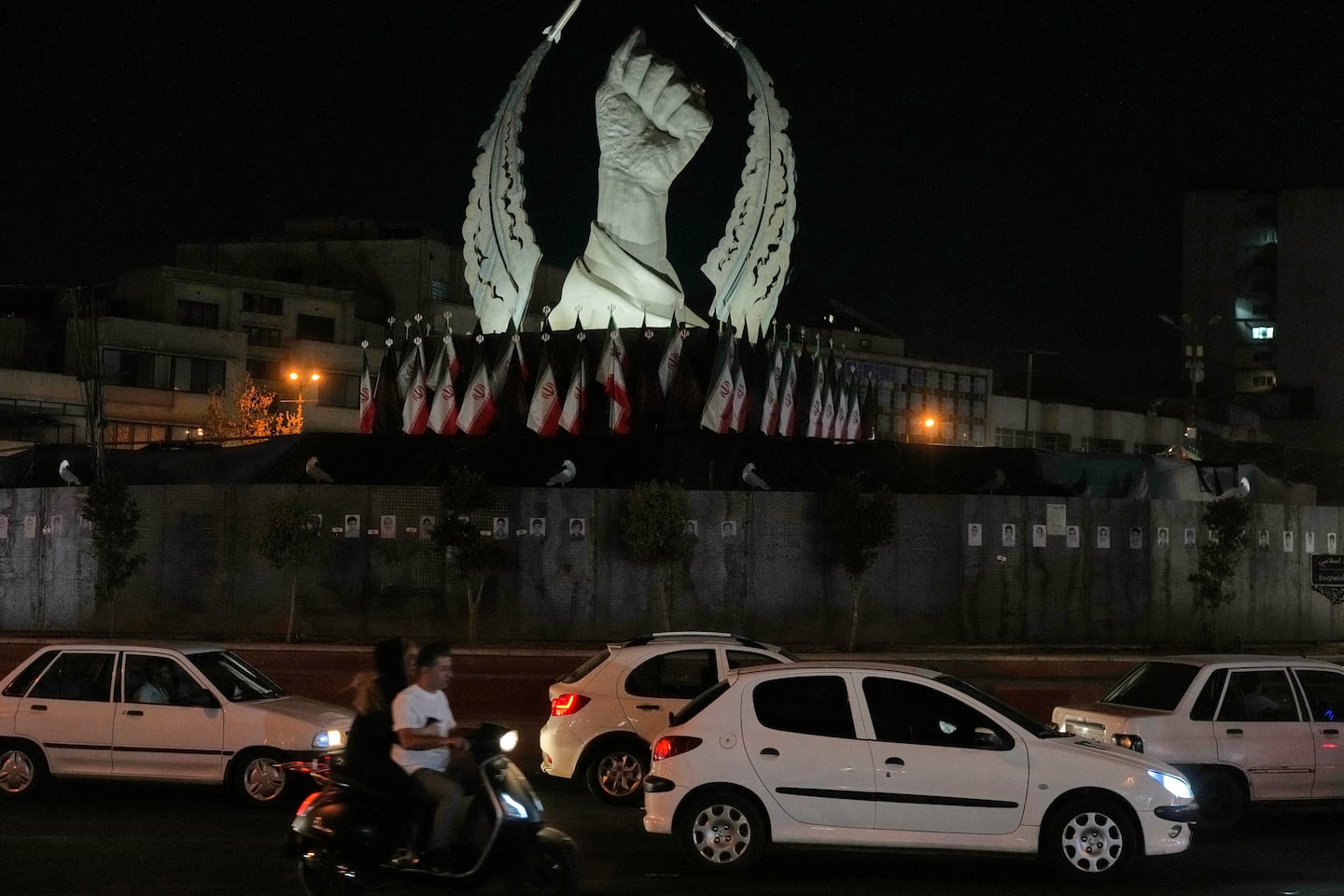
The U.S. has launched its 10th consecutive night of strikes on Iran, as both sides continue exchanging attacks, raising fears of a wider regional conflict.
.jpeg)
Outgoing UK Prime Minister Keir Starmer said “my work is done” as he wished Andy Burnham success, pledging his full support for a smooth leadership transition.
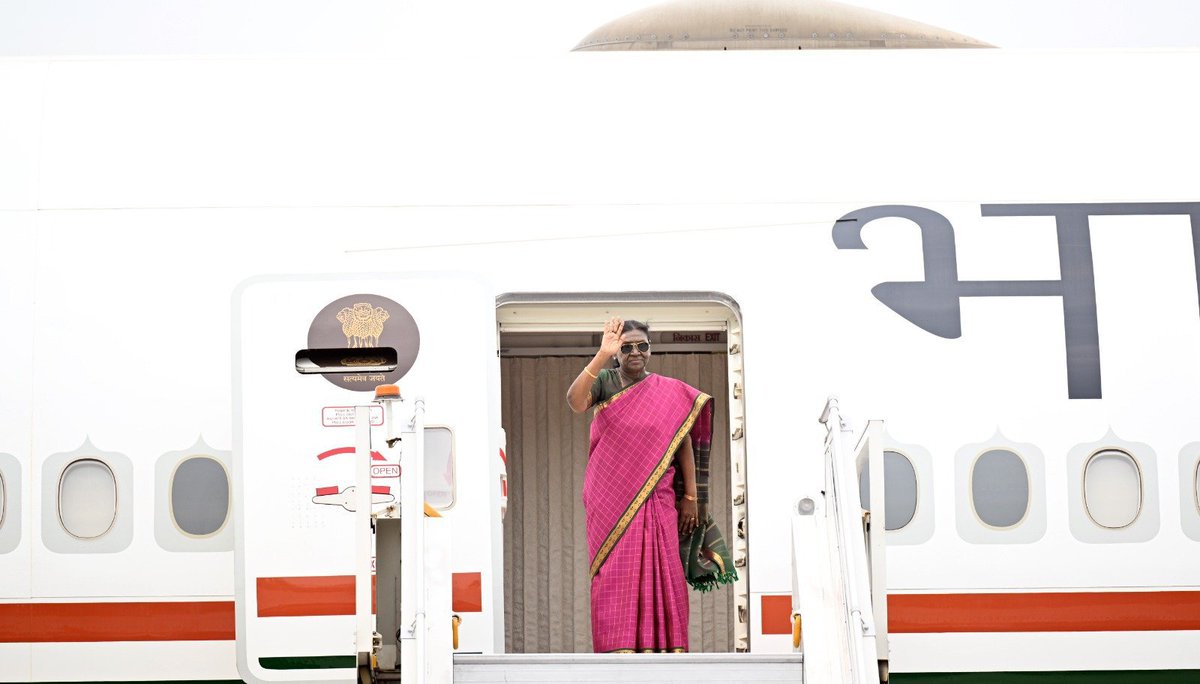
President Droupadi Murmu has arrived in Moldova, beginning a historic three-nation visit to Moldova, North Macedonia and Romania to strengthen diplomatic, economic and people-to-people ties.
.jpeg)
Bangladesh will import 200 Made-in-India broad-gauge railway coaches under a ₹915 crore deal, boosting passenger capacity and strengthening rail cooperation between the two countries.
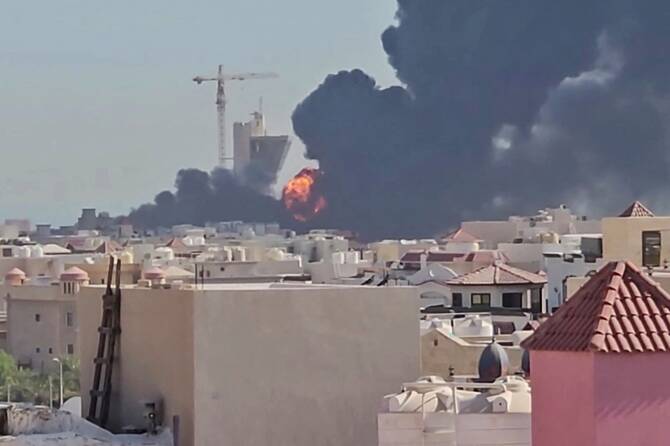
Iran’s IRGC claims it struck U.S. military targets in Kuwait and warned Gulf states hosting American forces, as tensions around the Strait of Hormuz continue to escalate.
.jpeg)
An American soldier was killed while attempting to safely detonate a captured Iranian explosive drone, highlighting the dangers of explosive ordnance disposal amid the ongoing U.S.-Iran conflict.

.jpeg)
Donald Trump has again claimed credit for the India-Pakistan ceasefire as part o...
.jpeg)
Fresh U.S. airstrikes in Iran reportedly killed 14 people, prompting Iranian ret...
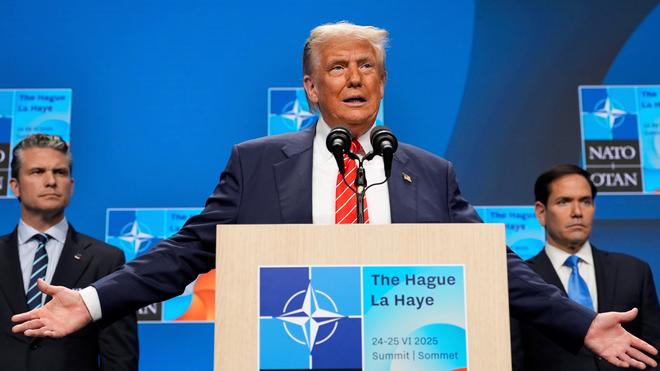
President Donald Trump claimed he is Iran’s “No. 1 target” after security measur...
.jpeg)
Three people were killed in U.S. strikes in western Iran as tensions escalated f...
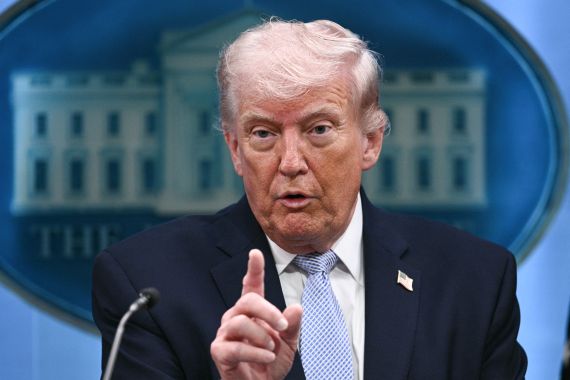
President Donald Trump said the Iran ceasefire is “over” following fresh U.S. st...