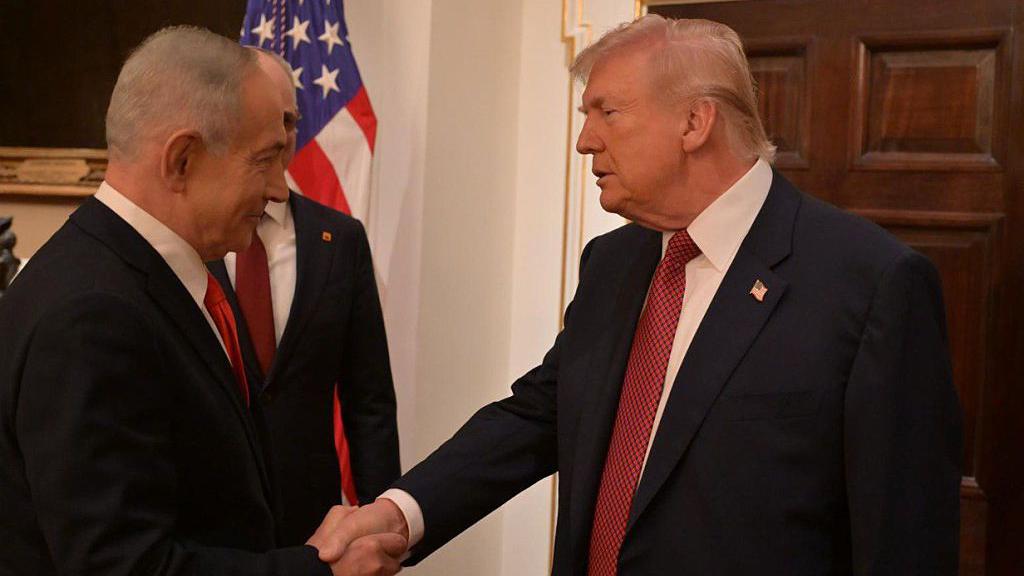
Swapna Kumbar , Bengaluru - Fresh tensions have emerged within the US-Israel alliance after reports revealed that President Donald Trump and Israeli Prime Minister Benjamin Netanyahu held a heated phone conversation over how to proceed with the Iran conflict. The call came at a critical moment as diplomatic mediators push for a temporary settlement while military pressure continues to build across the region. At the same time, Iran issued a strong warning that any renewed attacks by the United States or Israel would cause the war to expand far beyond the region, raising fears of a much broader international confrontation.
According to our reports, the conversation between Trump and Netanyahu reflected deep disagreements over whether to prioritize diplomacy or resume military operations against Iran. Trump reportedly wants to give ongoing negotiations another chance and recently delayed planned strikes after pressure from Gulf allies including Saudi Arabia, Qatar, and the UAE. Netanyahu, however, is said to remain highly skeptical of any deal that does not completely dismantle Iran’s nuclear and missile capabilities. Sources familiar with the call described the exchange as lengthy, dramatic, and at times openly tense, with one report claiming Netanyahu emerged from the conversation deeply frustrated over Washington’s willingness to pause military escalation.
Meanwhile, Iran sharply escalated its rhetoric on Wednesday, warning that renewed attacks would trigger retaliation extending well beyond the Middle East. Iranian officials accused Washington and Tel Aviv of attempting to pressure Tehran through threats while negotiations remain unresolved over sanctions relief, uranium enrichment, and control of the Strait of Hormuz. President Trump later stated that negotiations were in their final stages but also warned that the US military remained ready for large-scale action if diplomacy failed. Analysts say the growing divide between Washington and Tel Aviv highlights increasing uncertainty over the next phase of the conflict, especially as regional mediators continue trying to prevent another major war in the Gulf.
The tense Trump-Netanyahu call and Iran’s latest threats underline how fragile the current diplomatic efforts remain despite ongoing negotiations behind closed doors. With military forces still positioned across the region and both sides continuing to exchange warnings, the coming days could determine whether the crisis moves toward a negotiated settlement or another dangerous phase of escalation with global political and economic consequences.
.jpeg)
The U.S. and Saudi Arabia have signed a civilian nuclear cooperation agreement, paving the way for long-term nuclear energy collaboration while emphasizing nonproliferation safeguards.
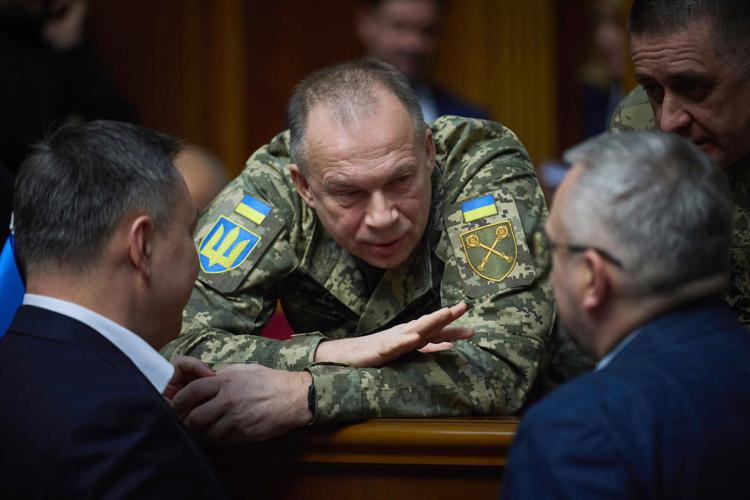
Ukrainian President Volodymyr Zelenskyy has appointed Mykhailo Drapatyi as the new army chief, replacing Oleksandr Syrskyi following protests over military leadership and reform.
An Indian-origin doctor in Ohio has been sentenced to six months in prison for secretly recording hospital staff in a restroom, after pleading guilty to voyeurism and evidence tampering.
.jpeg)
Pakistan has reportedly sought a $10 billion U.S. exchange stabilisation facility to strengthen its foreign exchange reserves, support the rupee, and ease pressure on its struggling economy.
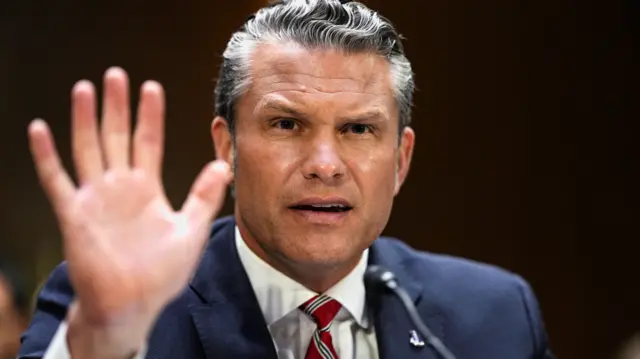
U.S. Defence Secretary Pete Hegseth said the conflict with Iran has cost the U.S. about $37.5 billion, as American strikes entered their 11th consecutive day.
.jpeg)
A reported Houthi blockade targeting Saudi-linked shipping in the Red Sea could disrupt oil exports, raise shipping costs, and increase pressure on global energy markets.
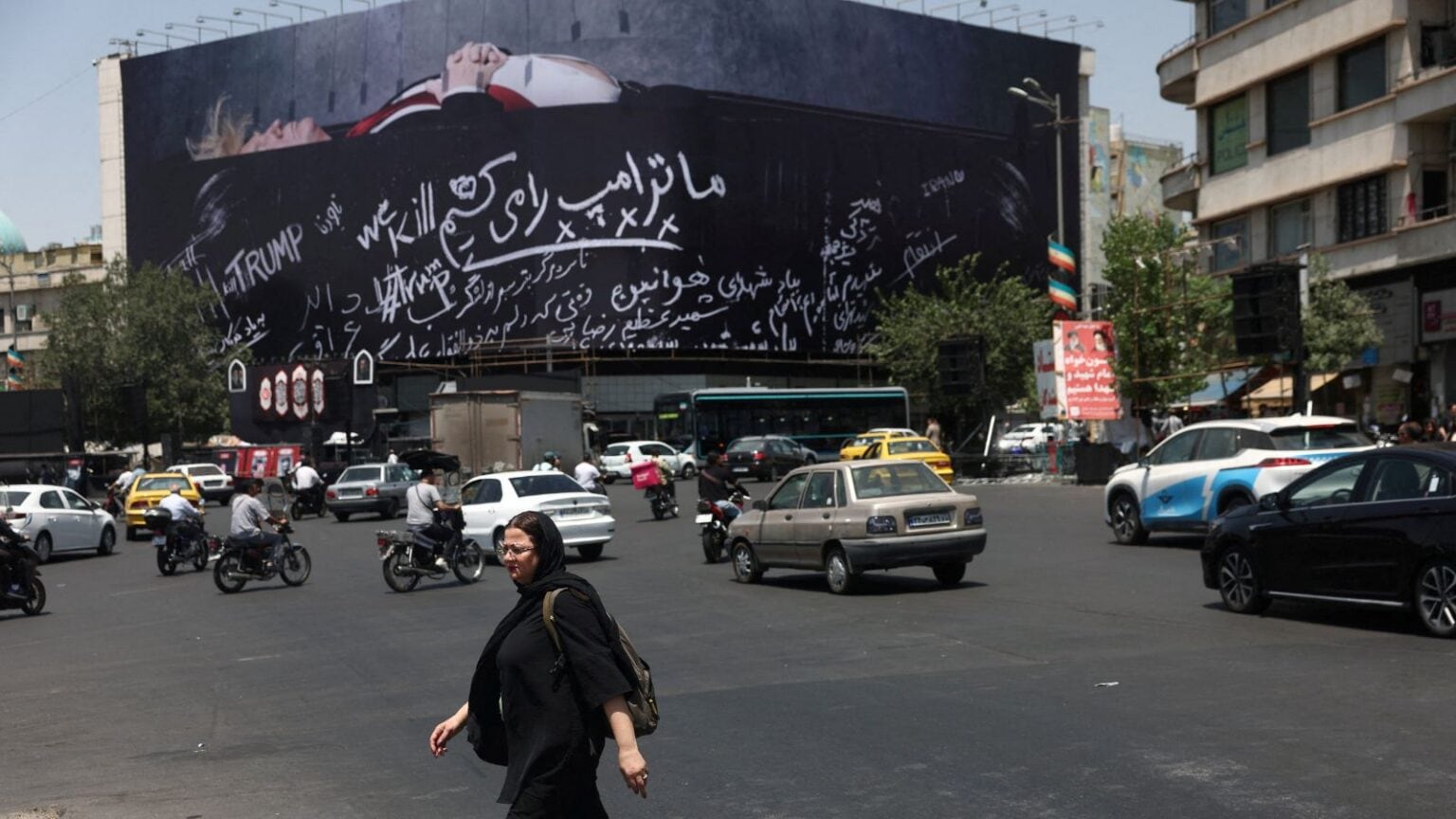
Iran says it targeted U.S.-linked sites in Bahrain and Kuwait after fresh American strikes on southern Iran, further escalating tensions across the Gulf and the Strait of Hormuz.
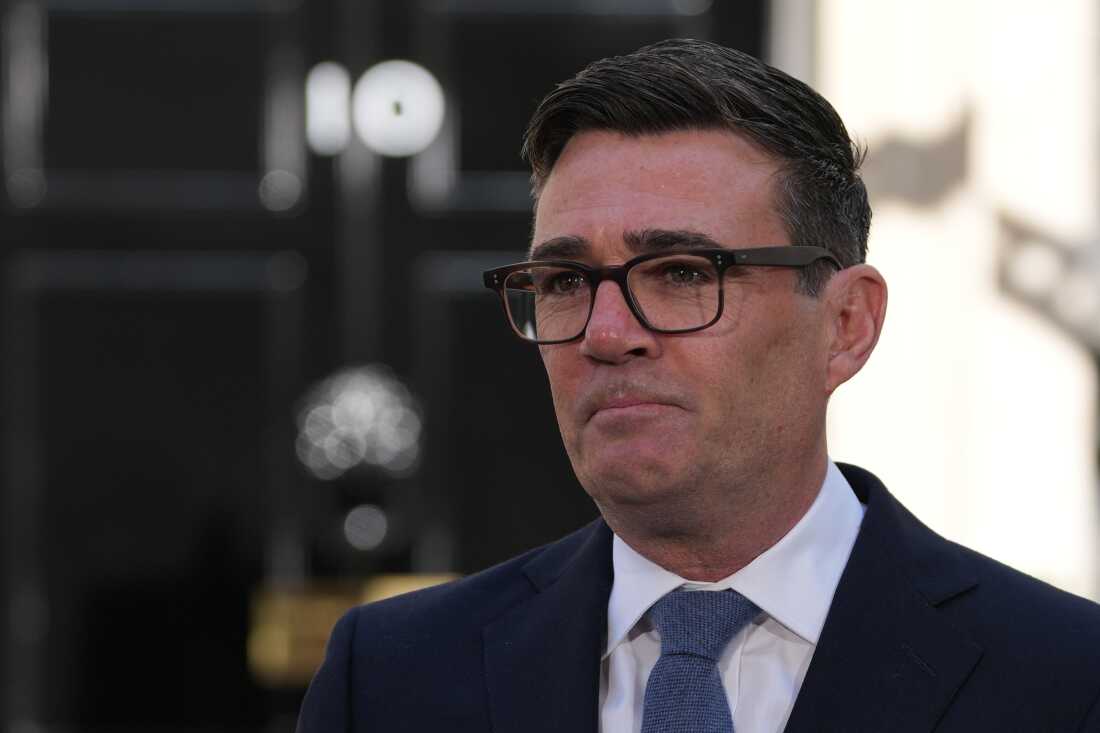
Andy Burnham has been sworn in as the U.K.'s new Prime Minister, promising a new social and political model focused on stability, fairness and long-term reform.
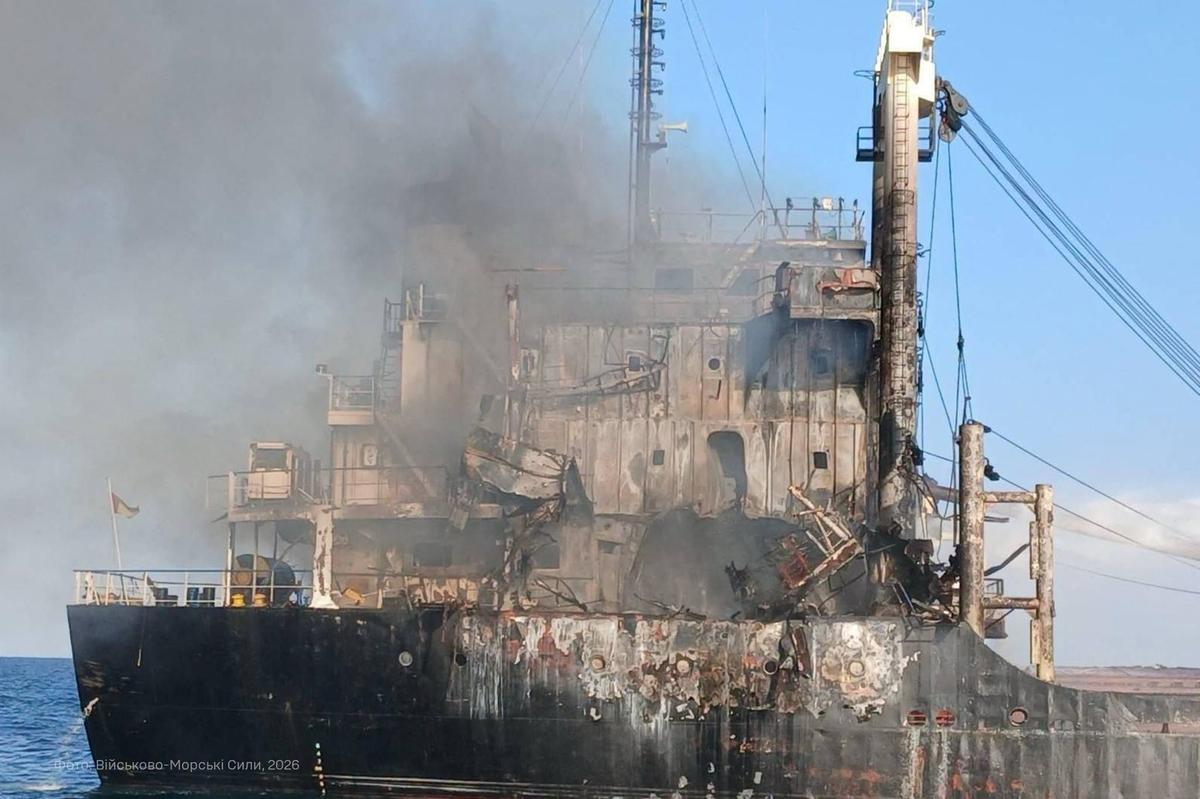
Four Indian seafarers were killed after a merchant vessel was attacked near Ukraine’s Odesa port, with one Indian critically injured and several crew members still missing.
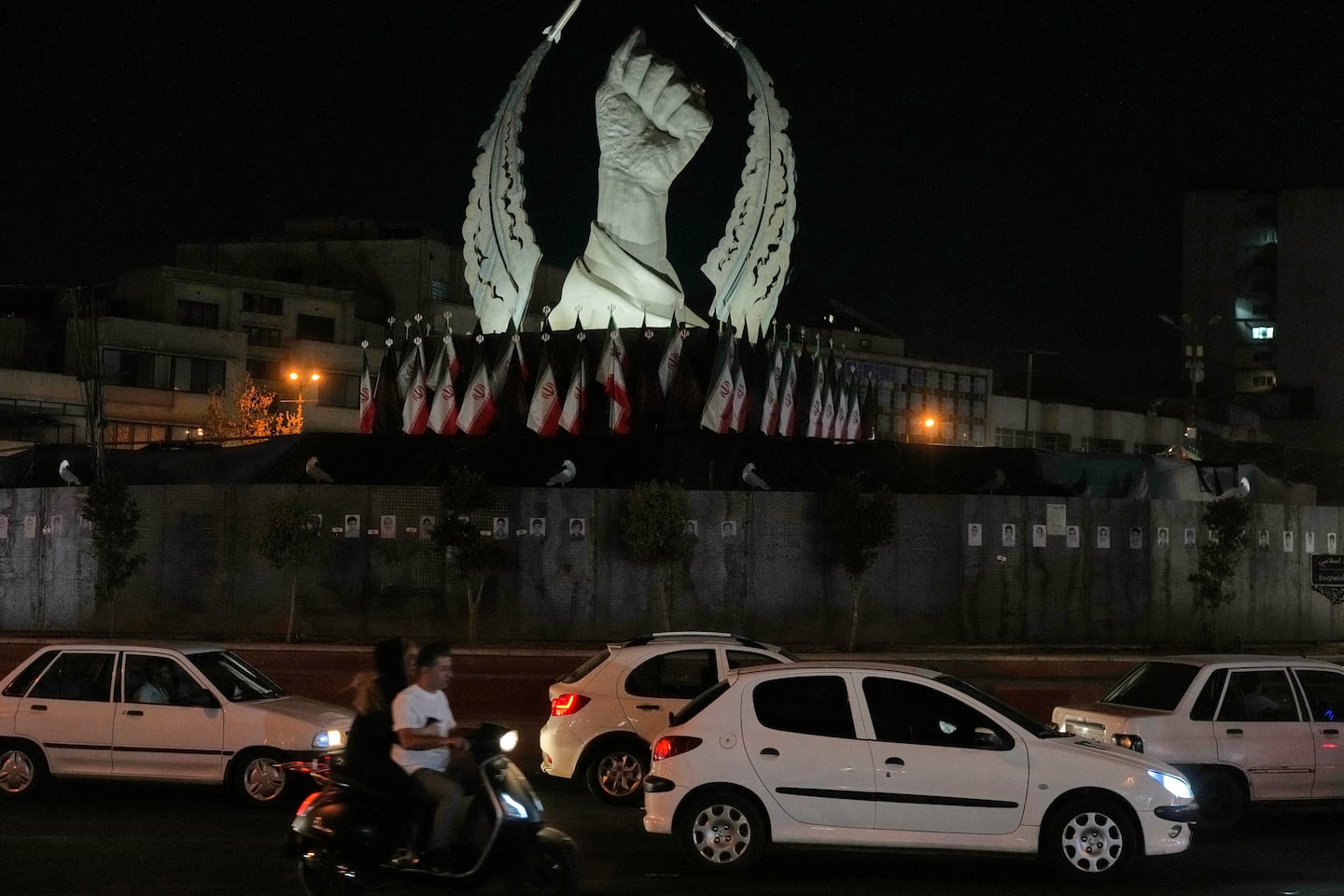
The U.S. has launched its 10th consecutive night of strikes on Iran, as both sides continue exchanging attacks, raising fears of a wider regional conflict.
.jpeg)
Outgoing UK Prime Minister Keir Starmer said “my work is done” as he wished Andy Burnham success, pledging his full support for a smooth leadership transition.
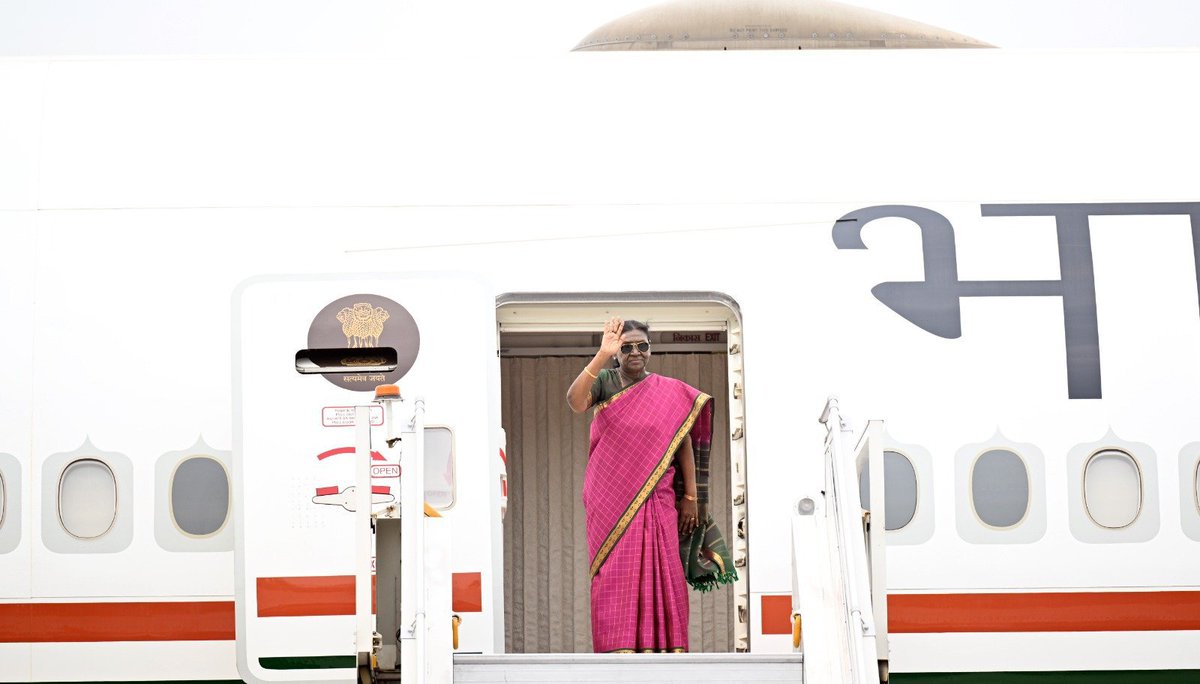
President Droupadi Murmu has arrived in Moldova, beginning a historic three-nation visit to Moldova, North Macedonia and Romania to strengthen diplomatic, economic and people-to-people ties.
.jpeg)
Bangladesh will import 200 Made-in-India broad-gauge railway coaches under a ₹915 crore deal, boosting passenger capacity and strengthening rail cooperation between the two countries.
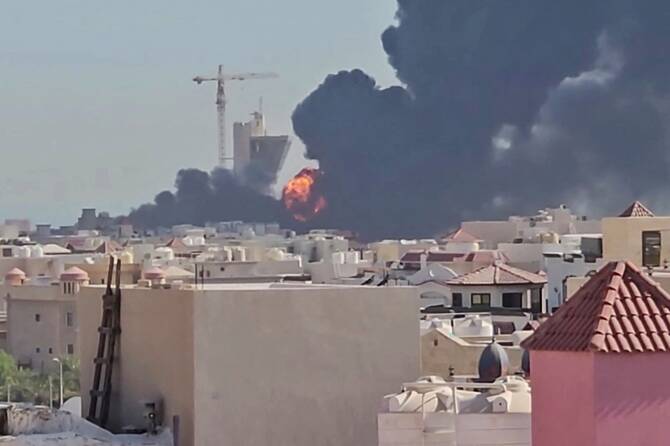
Iran’s IRGC claims it struck U.S. military targets in Kuwait and warned Gulf states hosting American forces, as tensions around the Strait of Hormuz continue to escalate.
.jpeg)
An American soldier was killed while attempting to safely detonate a captured Iranian explosive drone, highlighting the dangers of explosive ordnance disposal amid the ongoing U.S.-Iran conflict.

.jpeg)
Donald Trump has again claimed credit for the India-Pakistan ceasefire as part o...
.jpeg)
Fresh U.S. airstrikes in Iran reportedly killed 14 people, prompting Iranian ret...
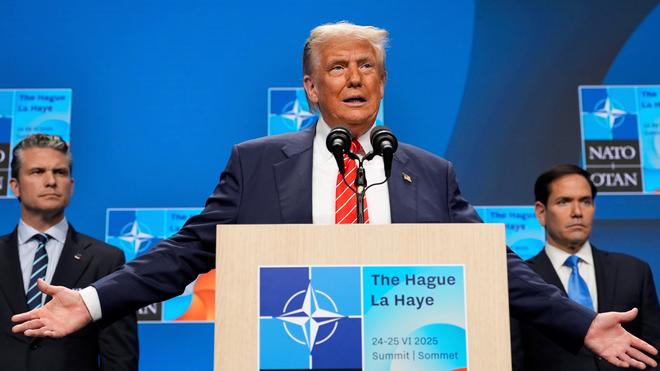
President Donald Trump claimed he is Iran’s “No. 1 target” after security measur...
.jpeg)
Three people were killed in U.S. strikes in western Iran as tensions escalated f...
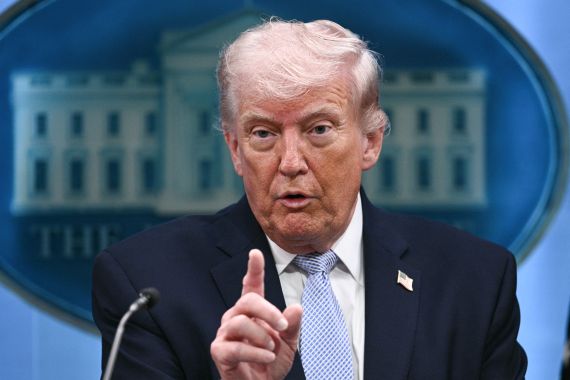
President Donald Trump said the Iran ceasefire is “over” following fresh U.S. st...