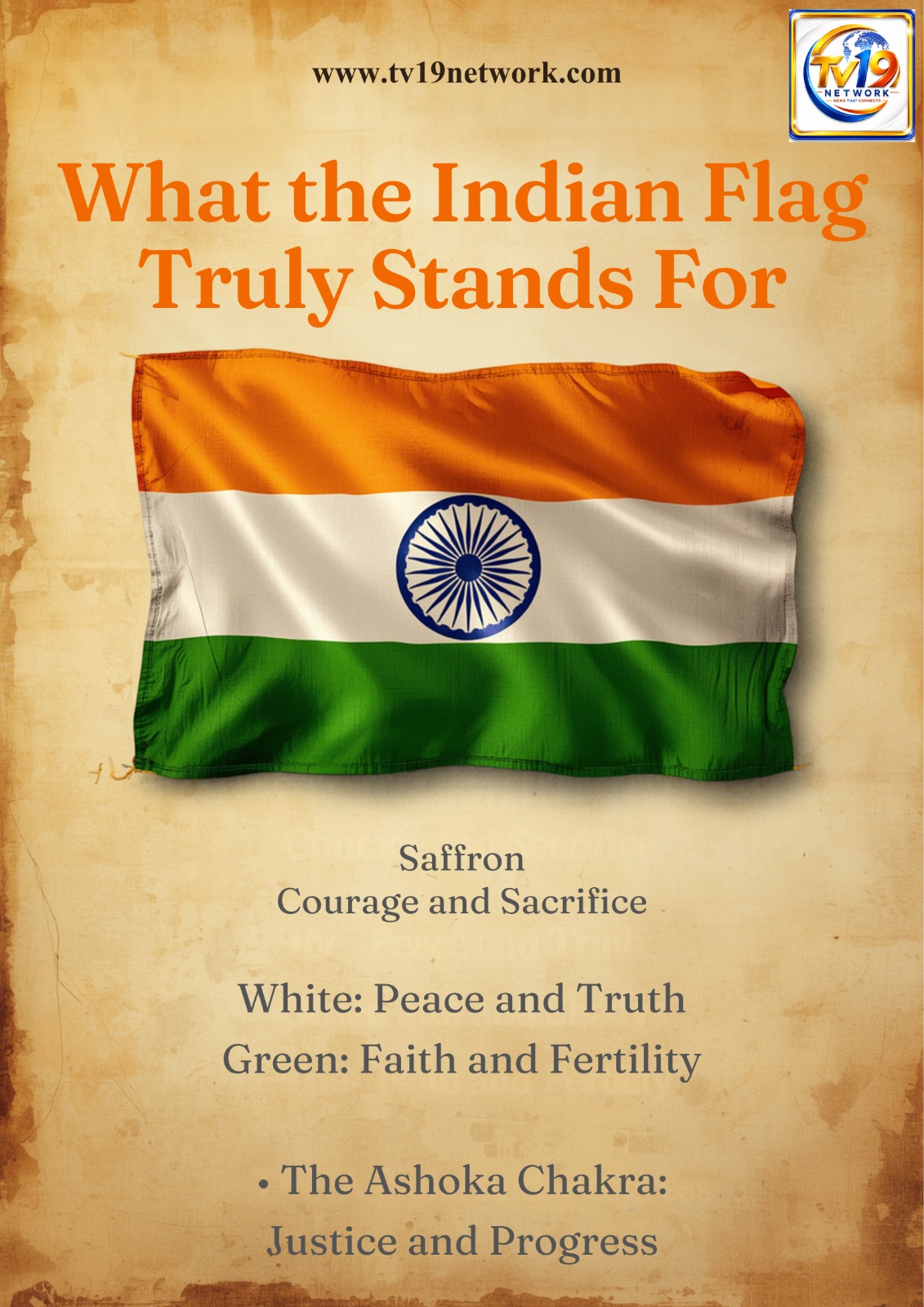
Swapna Kumbar , Bengaluru - Every year on August 15th, the Indian flag rises over the Red Fort, over schools, over homes, and over hearts. But behind its three simple bands of color lies a story of design, debate, and deep symbolism one that took decades to settle into the flag we recognize today. As we near Independence Day, we look at what the tricolour truly represents.
The Man Behind the Design
The flag's design is credited to Pingali Venkayya, a freedom fighter and agriculturist from Andhra Pradesh who presented an early version of the tricolour to Mahatma Gandhi in 1921. Venkayya had spent years studying flags from around the world, and his design went through several revisions before the Indian National Congress formally adopted a version of it. The flag in its current form was officially adopted by the Constituent Assembly on July 22, 1947, just weeks before independence.
Saffron: Courage and Sacrifice
The topmost band of the flag is saffron, a color long associated in India with courage, sacrifice, and renunciation. It represents the strength and resilience of the nation and honors those who gave up their comfort, safety, and often their lives in the pursuit of freedom. Saffron's presence at the top of the flag reflects the idea that courage must lead the way for a nation to rise.
White: Truth and Peace
At the center of the flag lies a band of white, symbolizing truth, peace, and purity. It reflects the path of honesty and nonviolence that leaders like Mahatma Gandhi championed throughout the freedom struggle, and it continues to represent India's aspiration toward harmony among its diverse peoples, religions, and cultures.
Green: Life and Prosperity
The bottom band of green represents fertility, growth, and the prosperity of the land. It is a nod to India's deep agricultural roots and its connection to the earth, symbolizing hope for a thriving and abundant future for the nation and its people.
The Ashoka Chakra: A Wheel in Motion
At the center of the white band sits the Ashoka Chakra, a navy-blue wheel with 24 spokes, inspired by the Lion Capital of Ashoka at Sarnath. The wheel replaced the traditional charkha, or spinning wheel, that had appeared on earlier versions of the flag during the freedom movement. The Ashoka Chakra represents dharma, or righteousness, and its 24 spokes are often interpreted as representing the continuous march of progress a reminder that a nation, like the wheel, must always keep moving forward. It is also seen as a symbol of the eternal wheel of law and the idea that life is dynamic, while stagnation is death.

SBI to Charge ₹15 for Cash Withdrawals Beyond Four Transactions from October 1
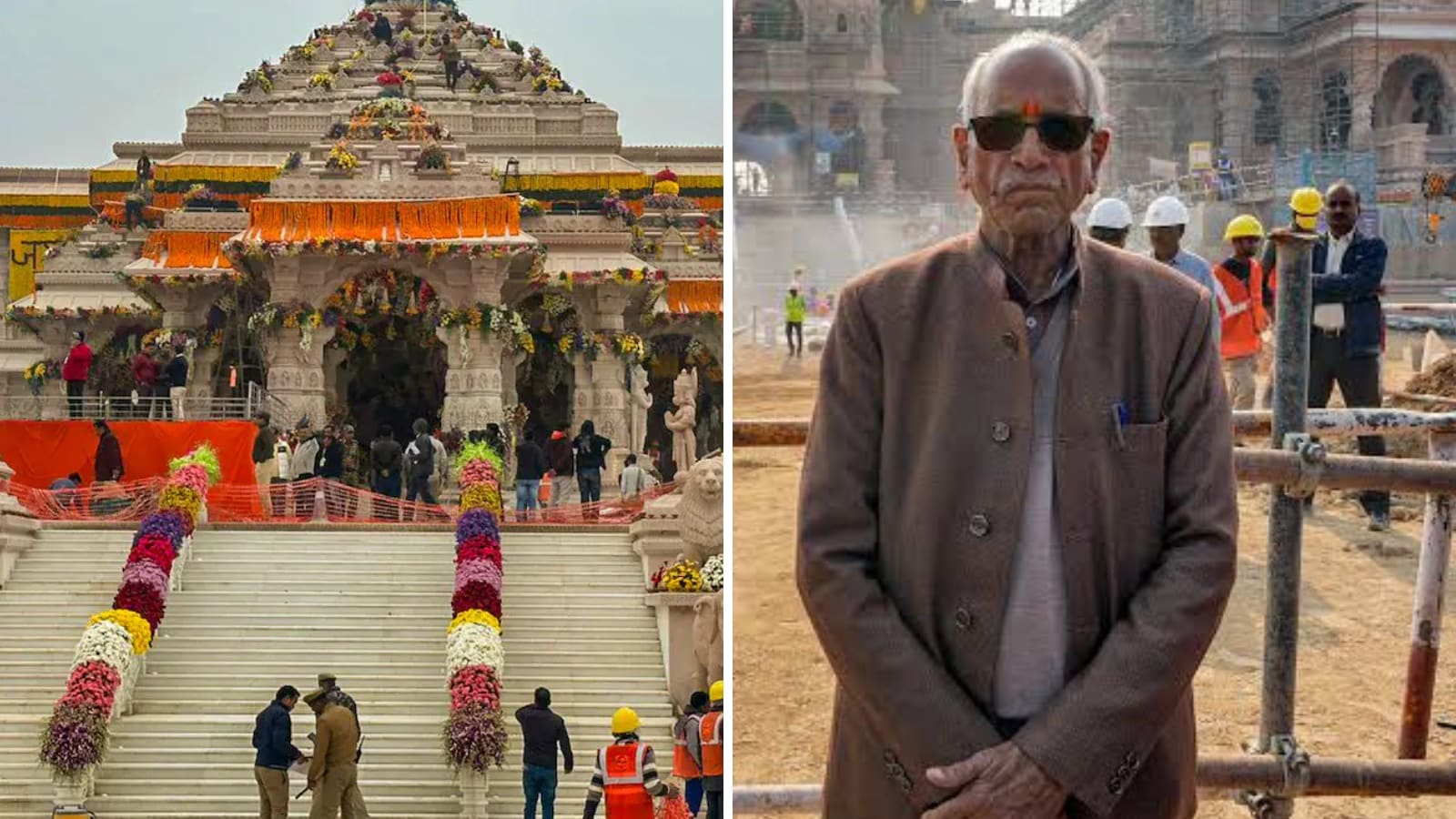
Champat Rai Questions Nripendra Misra, Releases 9-Page Statement

Meta Removes Illegal CSAM Accounts Following Government Action

Mukesh Khanna’s call to replace “Jana Gana Mana” with “Vande Mataram” has sparked debate over India’s national symbols and the history behind them.
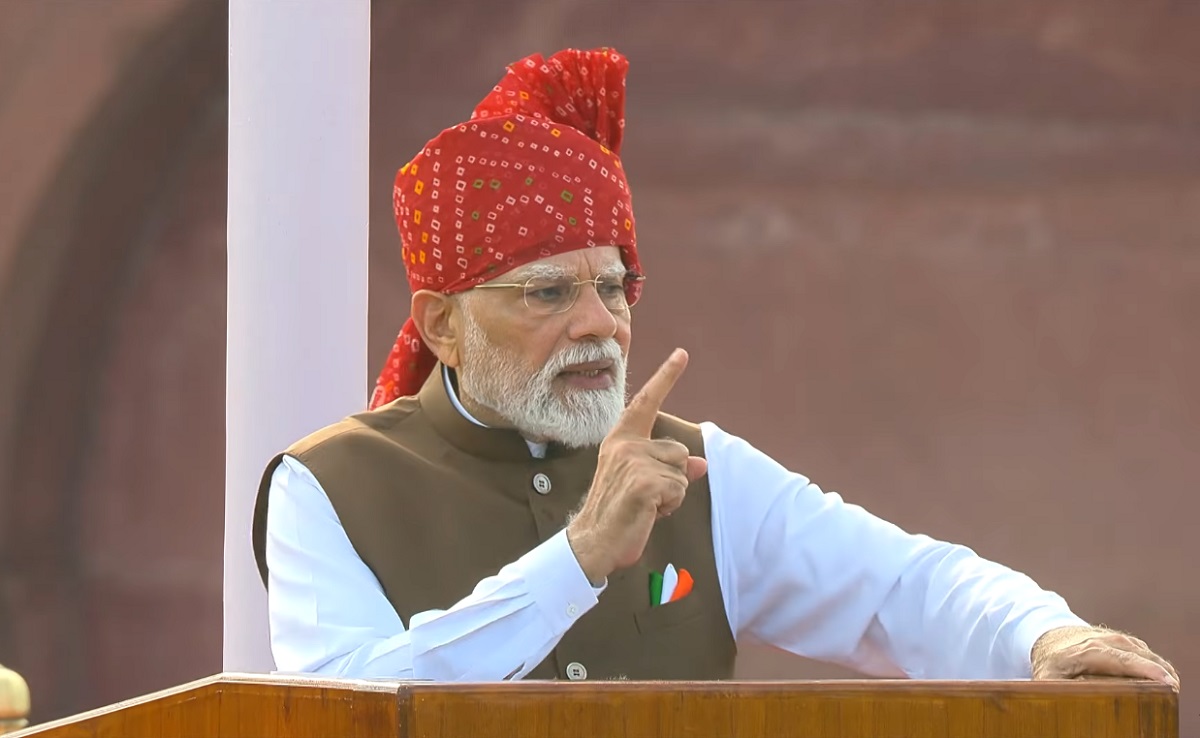
PM Modi warned against what he called “dimaagi Naxals,” urging their identification and isolation, while the Congress criticised the remarks as politically motivated.
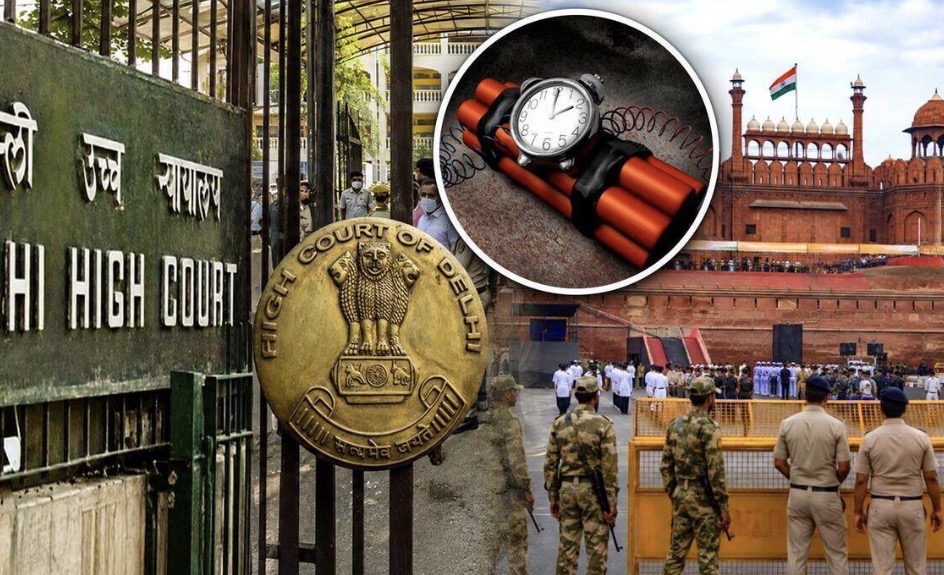
Bomb Threats Reported at Six Locations in Delhi, Security Agencies on High Alert

Supreme Court Grants Major Relief to Samay Raina, All FIRs in ‘India’s Got Latent’ Case Closed
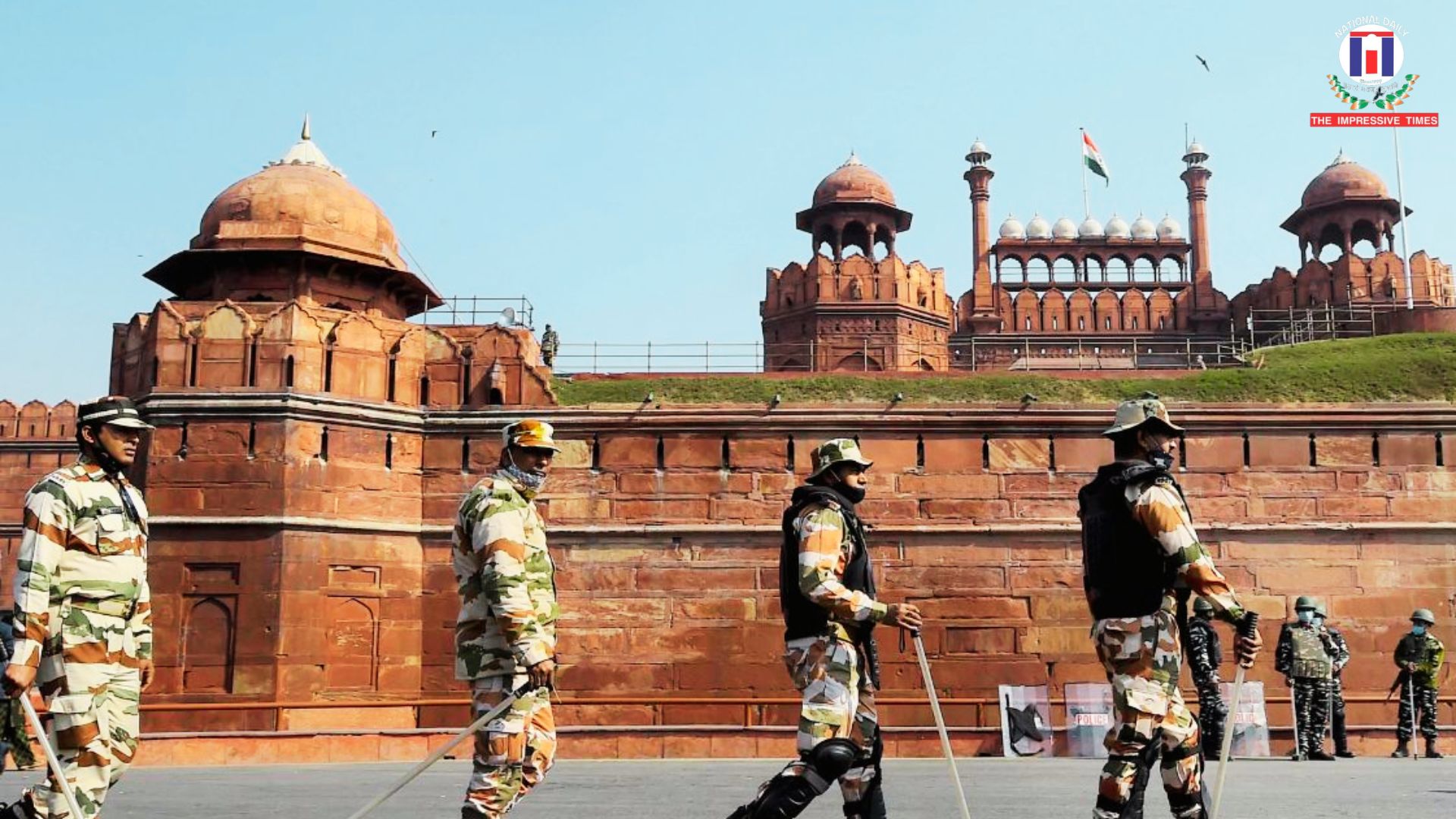
Security Tightened at Red Fort Ahead of Independence Day Celebrations

From winning freedom in 1947 to protecting the values of our Constitution today, the responsibility of building India belongs to all of us.
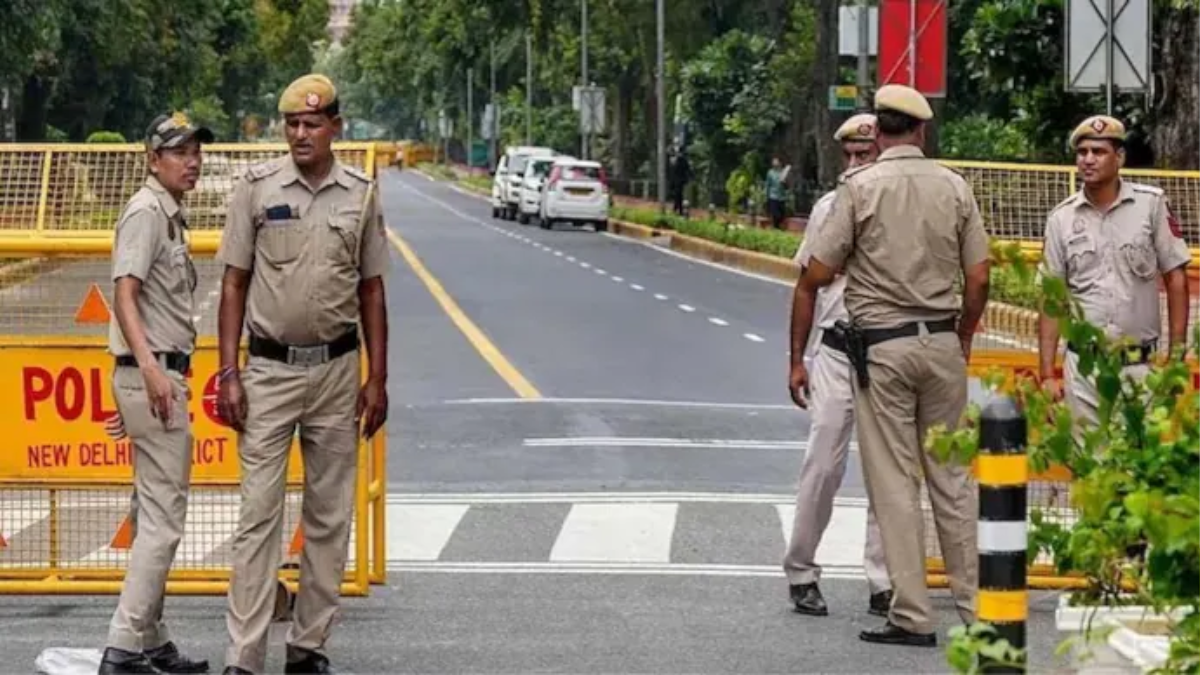
Delhi High Court Receives Bomb Threat, Security Tightened

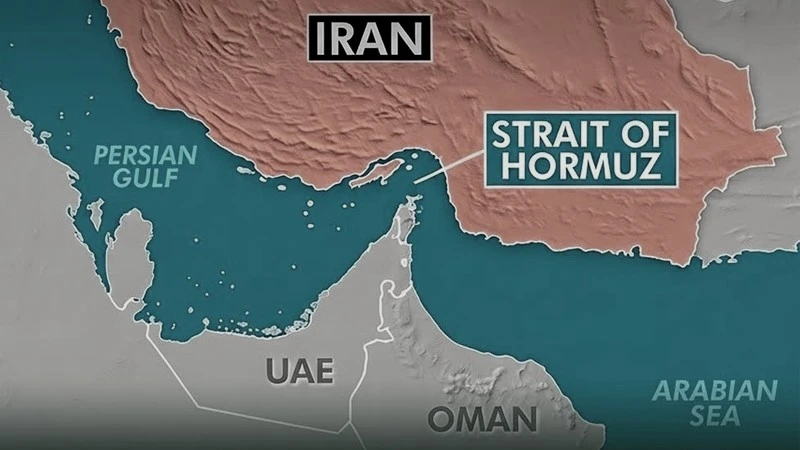
Iran, Oman and the U.S. are reportedly close to a Strait of Hormuz agreement tha...
.jpeg)
Fresh U.S. airstrikes in Iran reportedly killed 14 people, prompting Iranian ret...

President Donald Trump claimed he is Iran’s “No. 1 target” after security measur...
.jpeg)
Three people were killed in U.S. strikes in western Iran as tensions escalated f...
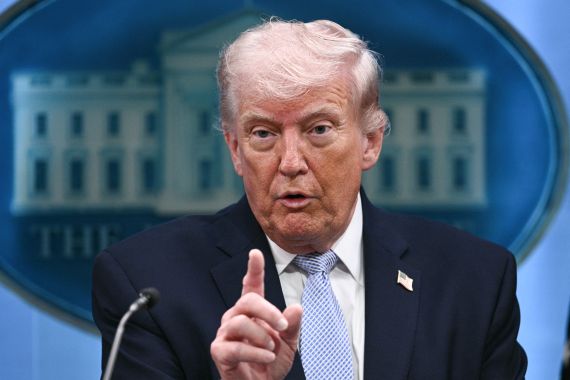
President Donald Trump said the Iran ceasefire is “over” following fresh U.S. st...