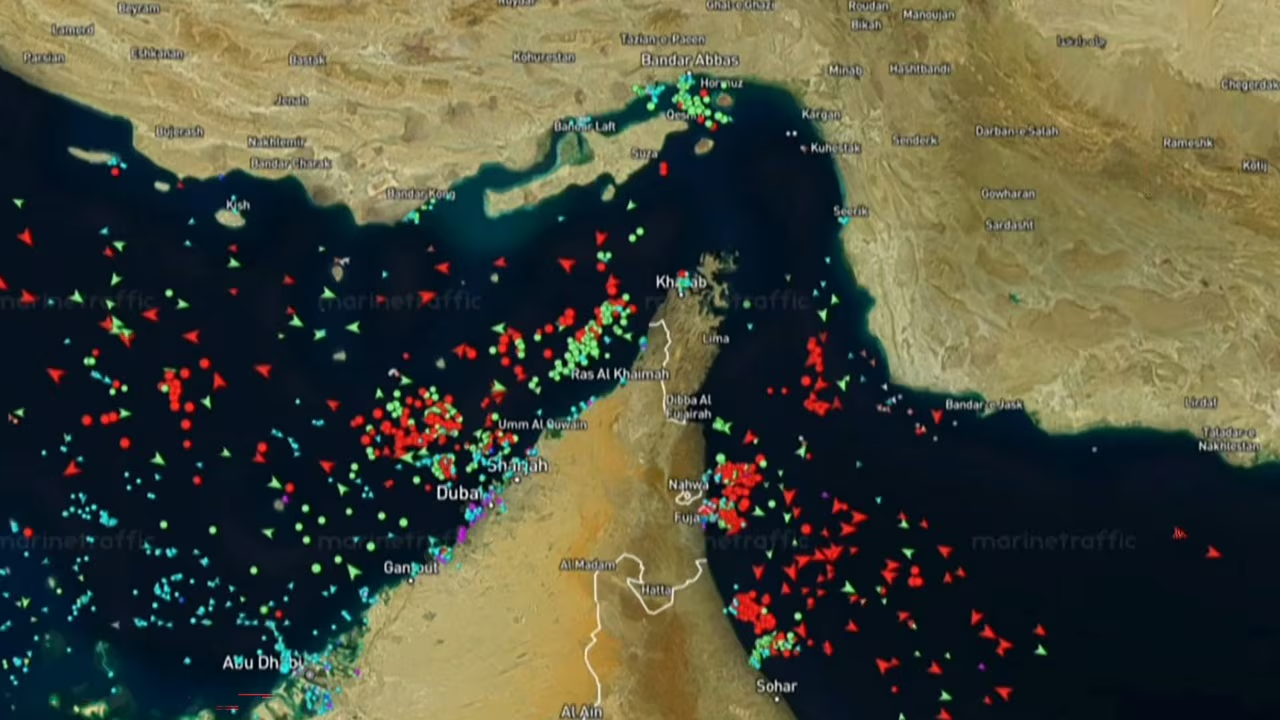
Swapna Kumbar , Bengaluru - Iran has intensified its control over the strategically vital Strait of Hormuz by declaring a new “controlled maritime zone” under a recently established regulatory body known as the Persian Gulf Strait Authority (PGSA). The move requires vessels crossing key sections of the strait to seek authorization and comply with Iranian transit regulations, raising global concerns over freedom of navigation, energy security, and the future of maritime trade in the Gulf region. The announcement comes during ongoing tensions linked to the Iran-US conflict and the continuing disruption of global oil shipments through the waterway.
According to Iranian officials, the newly created maritime zone will oversee shipping coordination, vessel authorization, and transit management across critical entry and exit routes in the Strait of Hormuz. Tehran says the system is necessary to maintain regional security and organize maritime movement amid military tensions and increased naval activity in the Gulf. Reports indicate that Iran’s Revolutionary Guard Corps (IRGC) will play a central role in monitoring and enforcing the new rules, while some ships may also face transit fees or additional inspections before receiving clearance. Iran claims at least 26 vessels crossed the strait under its coordination in the last 24 hours, though international verification remains limited.
The move has triggered concern among Western governments and shipping companies, many of which argue that Iran cannot legally impose restrictions on international transit through the strait under global maritime law. Analysts warn the new system could further complicate commercial shipping and worsen volatility in global energy markets, especially since nearly one-fifth of the world’s oil supply normally passes through Hormuz. The United States and European allies have previously warned shipping firms that payments or compliance arrangements linked to Iranian transit controls could expose them to sanctions risks. Despite the controversy, several oil tankers bound for China, India, and South Korea have reportedly continued passing through routes coordinated by Iranian authorities.
Iran’s latest move marks one of the most significant attempts in recent years to formalize control over the Strait of Hormuz, a waterway central to global trade and energy supplies. As diplomatic tensions continue and military uncertainty remains high, the future of shipping through Hormuz is likely to remain one of the world’s most closely watched geopolitical flashpoints.
.jpeg)
The U.S. and Saudi Arabia have signed a civilian nuclear cooperation agreement, paving the way for long-term nuclear energy collaboration while emphasizing nonproliferation safeguards.
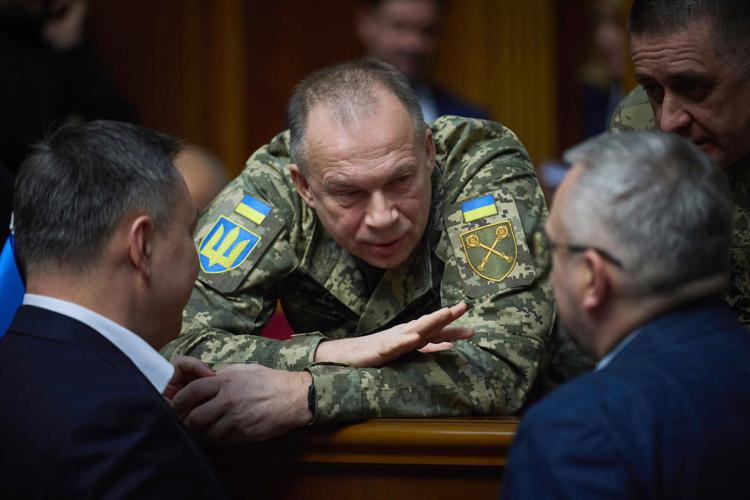
Ukrainian President Volodymyr Zelenskyy has appointed Mykhailo Drapatyi as the new army chief, replacing Oleksandr Syrskyi following protests over military leadership and reform.

An Indian-origin doctor in Ohio has been sentenced to six months in prison for secretly recording hospital staff in a restroom, after pleading guilty to voyeurism and evidence tampering.
.jpeg)
Pakistan has reportedly sought a $10 billion U.S. exchange stabilisation facility to strengthen its foreign exchange reserves, support the rupee, and ease pressure on its struggling economy.
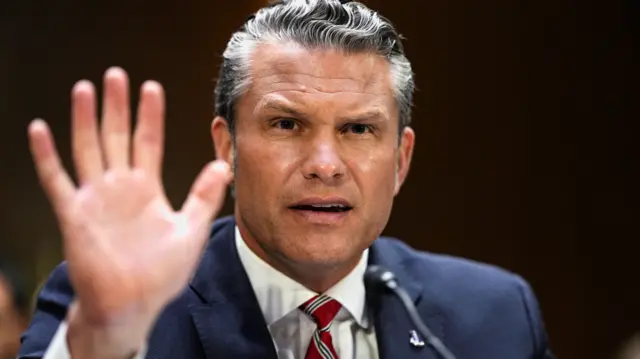
U.S. Defence Secretary Pete Hegseth said the conflict with Iran has cost the U.S. about $37.5 billion, as American strikes entered their 11th consecutive day.
.jpeg)
A reported Houthi blockade targeting Saudi-linked shipping in the Red Sea could disrupt oil exports, raise shipping costs, and increase pressure on global energy markets.
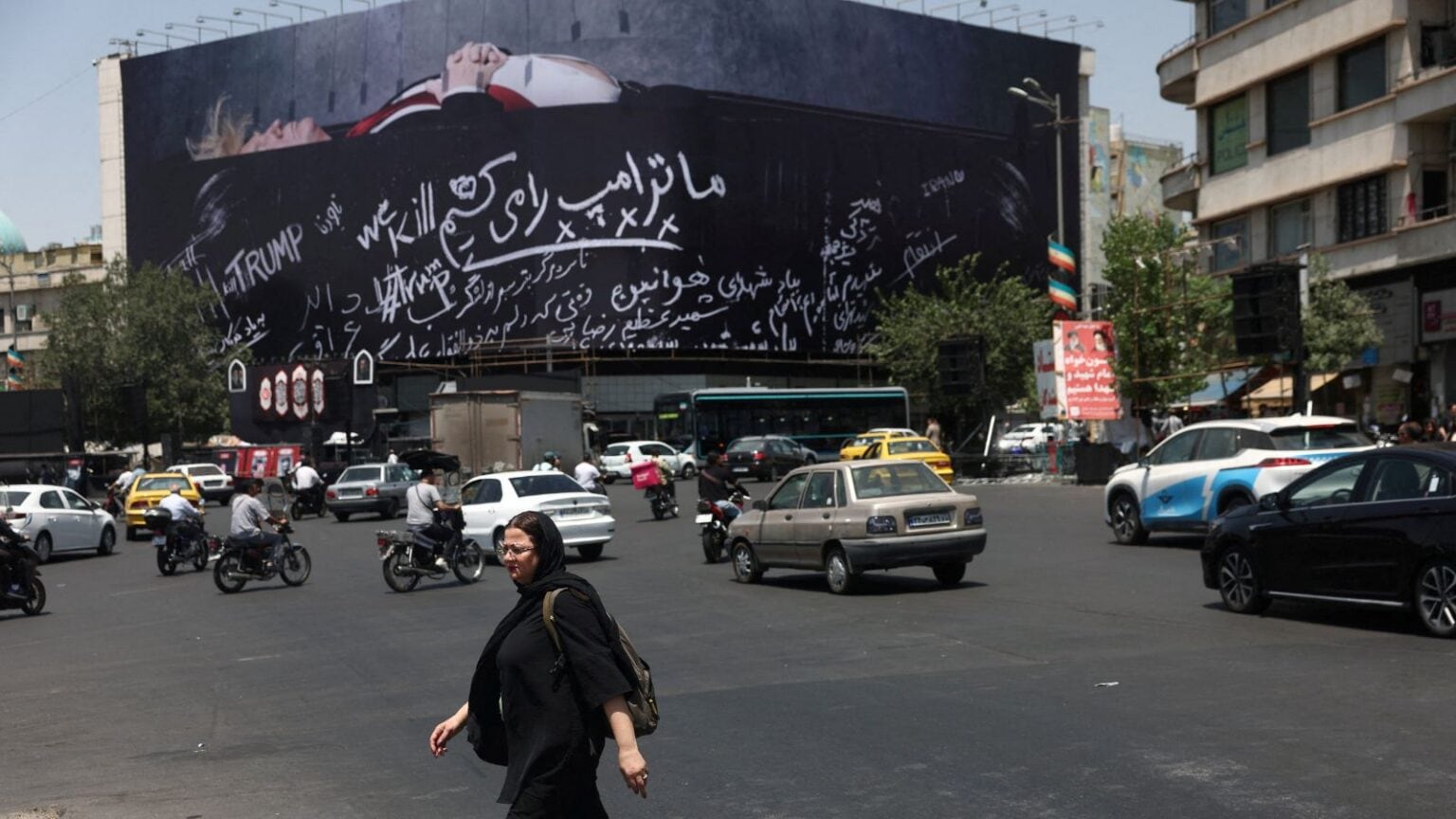
Iran says it targeted U.S.-linked sites in Bahrain and Kuwait after fresh American strikes on southern Iran, further escalating tensions across the Gulf and the Strait of Hormuz.
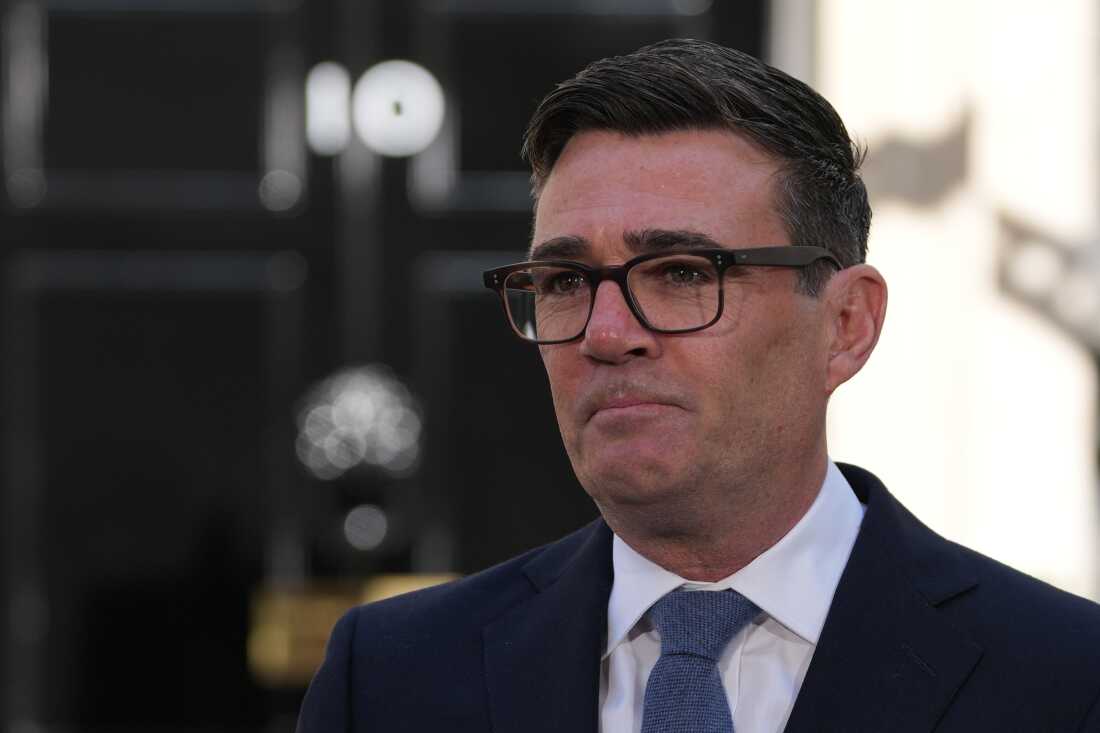
Andy Burnham has been sworn in as the U.K.'s new Prime Minister, promising a new social and political model focused on stability, fairness and long-term reform.
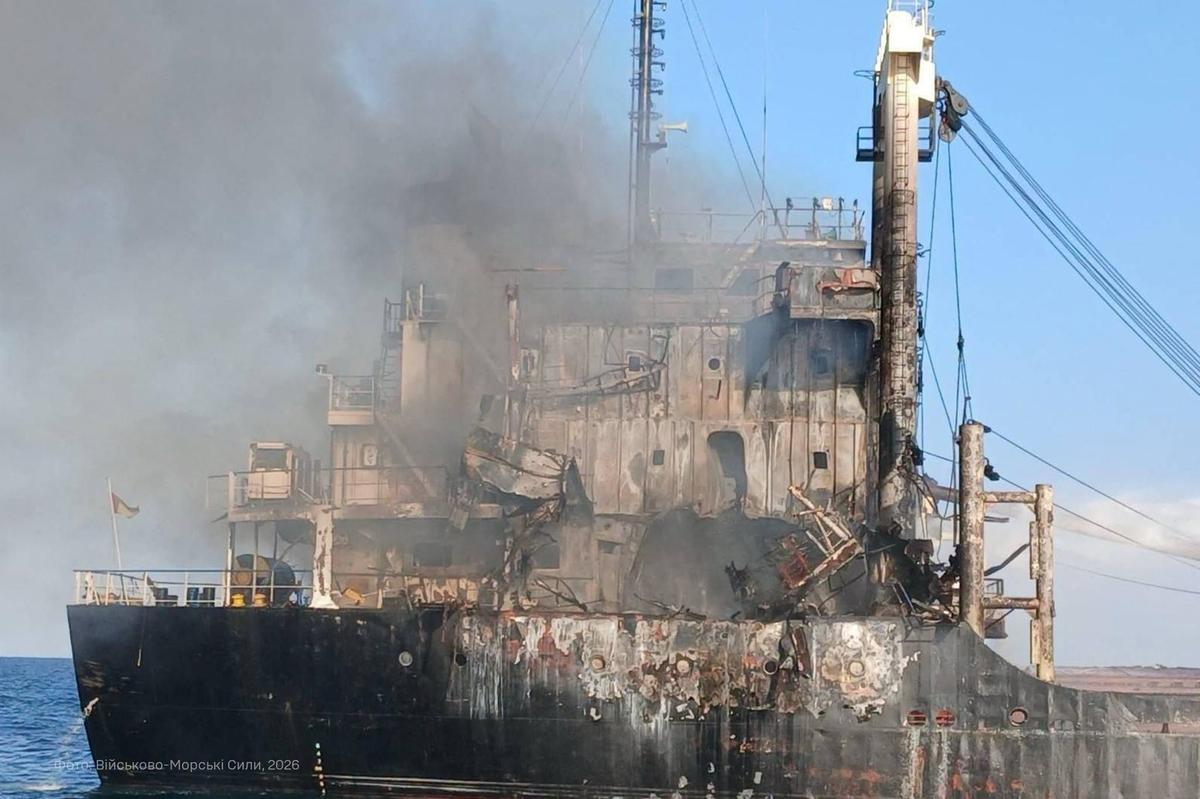
Four Indian seafarers were killed after a merchant vessel was attacked near Ukraine’s Odesa port, with one Indian critically injured and several crew members still missing.
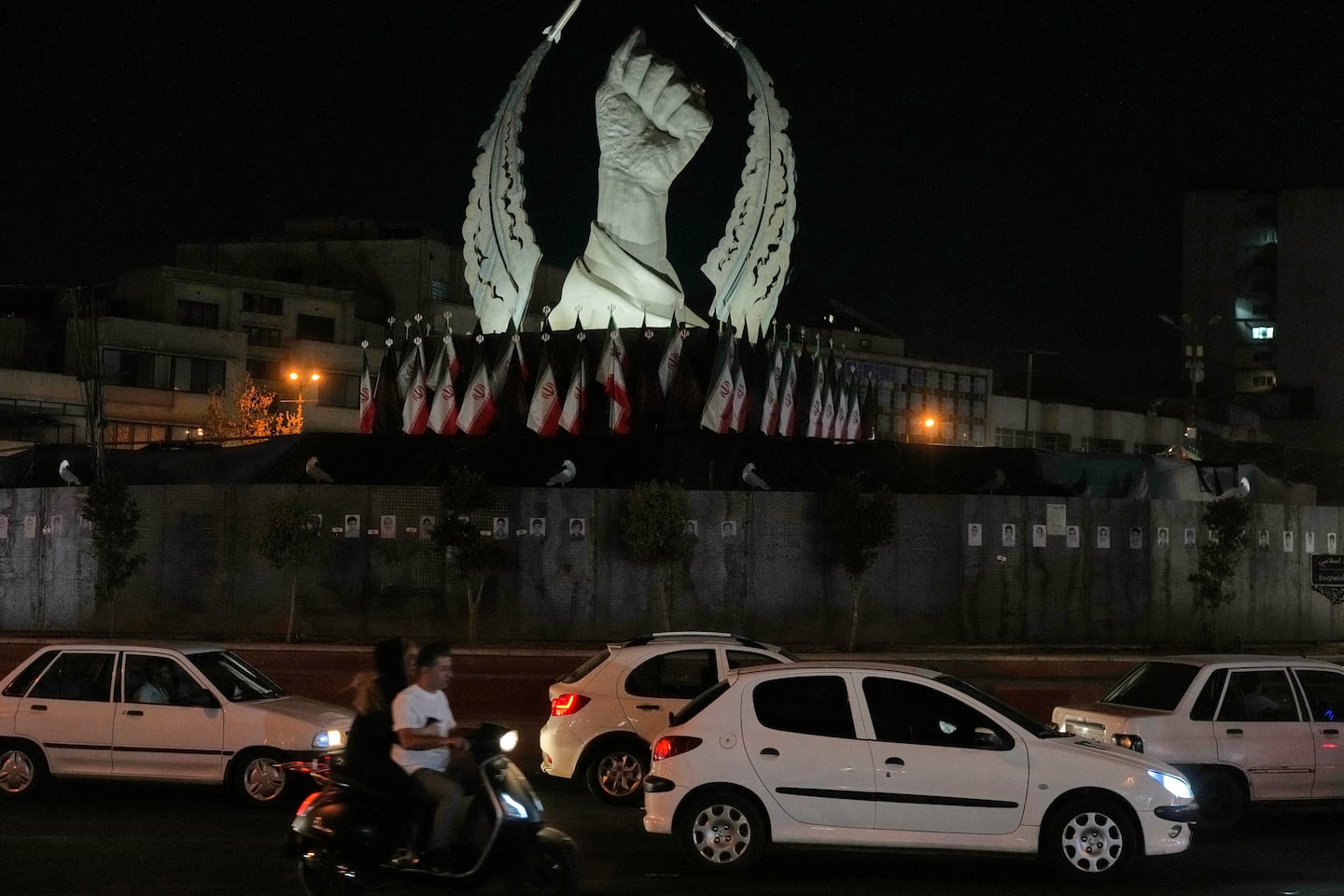
The U.S. has launched its 10th consecutive night of strikes on Iran, as both sides continue exchanging attacks, raising fears of a wider regional conflict.
.jpeg)
Outgoing UK Prime Minister Keir Starmer said “my work is done” as he wished Andy Burnham success, pledging his full support for a smooth leadership transition.
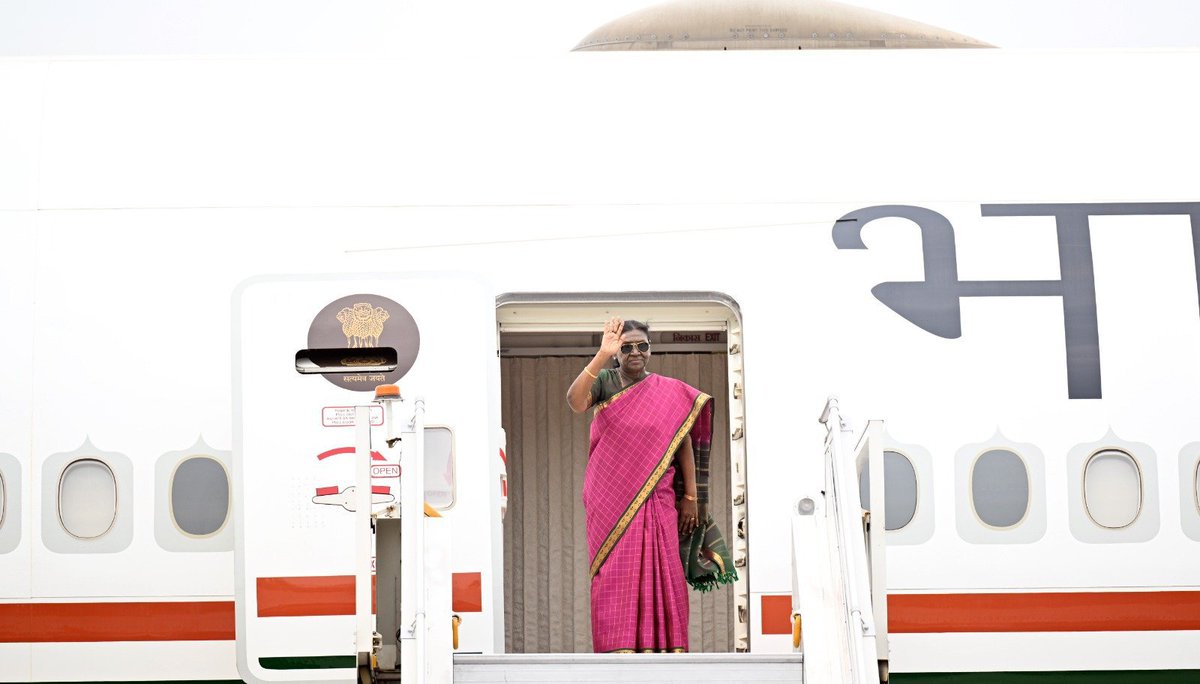
President Droupadi Murmu has arrived in Moldova, beginning a historic three-nation visit to Moldova, North Macedonia and Romania to strengthen diplomatic, economic and people-to-people ties.
.jpeg)
Bangladesh will import 200 Made-in-India broad-gauge railway coaches under a ₹915 crore deal, boosting passenger capacity and strengthening rail cooperation between the two countries.
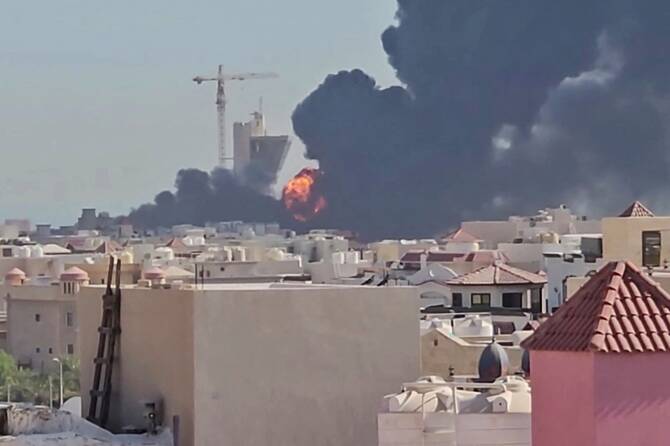
Iran’s IRGC claims it struck U.S. military targets in Kuwait and warned Gulf states hosting American forces, as tensions around the Strait of Hormuz continue to escalate.
.jpeg)
An American soldier was killed while attempting to safely detonate a captured Iranian explosive drone, highlighting the dangers of explosive ordnance disposal amid the ongoing U.S.-Iran conflict.

.jpeg)
Donald Trump has again claimed credit for the India-Pakistan ceasefire as part o...
.jpeg)
Fresh U.S. airstrikes in Iran reportedly killed 14 people, prompting Iranian ret...
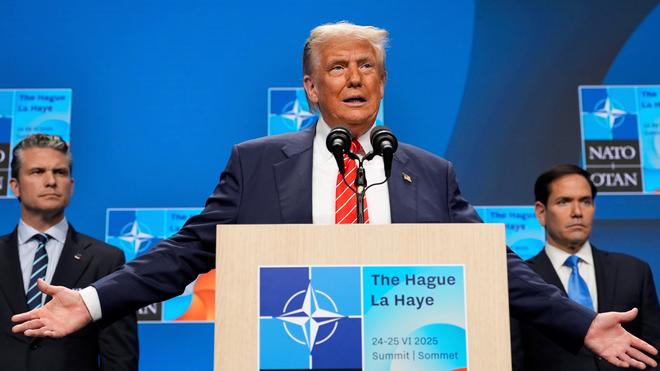
President Donald Trump claimed he is Iran’s “No. 1 target” after security measur...
.jpeg)
Three people were killed in U.S. strikes in western Iran as tensions escalated f...
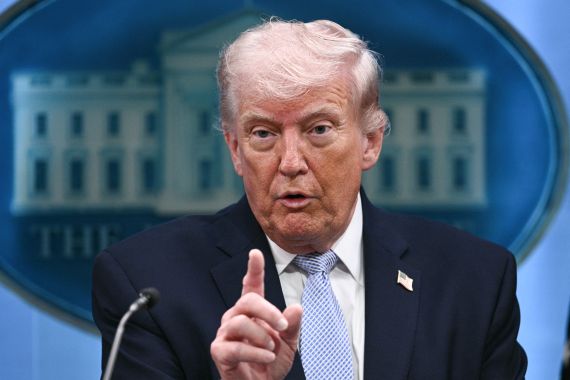
President Donald Trump said the Iran ceasefire is “over” following fresh U.S. st...