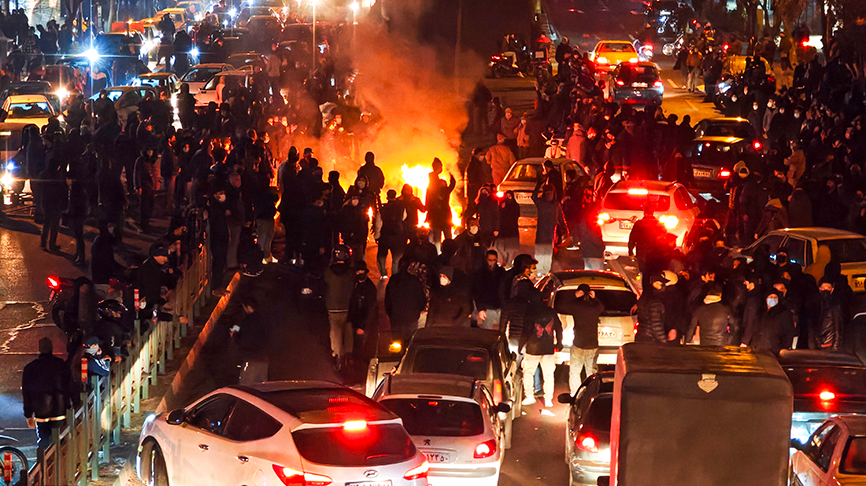
Desk Correspondent , Tehran - The humanitarian crisis in Iran has escalated to what international observers are now describing as a potential genocide, with reports indicating a catastrophic spike in the death toll and critical injuries. As the state-imposed internet ban keeps the country in a near-total digital blackout, harrowing accounts from medical professionals have emerged, describing hospitals overwhelmed by protesters with severe gunshot and shrapnel wounds. Doctors, speaking under the veil of anonymity, report that security forces are allegedly using high-caliber ammunition and industrial-grade shrapnel, leading to injuries consistent with "battlefield carnage" rather than domestic crowd control.
Under the direct orders of Supreme Leader Ali Khamenei, the regime’s crackdown has reportedly transitioned from containment to a campaign of absolute suppression. Human rights groups suggest that the deliberate targeting of vital organs and the use of heavy weaponry against unarmed civilians indicate a state policy of "liquidation." The absence of internet connectivity has hindered the documentation of these atrocities, but smuggled data suggests that thousands remain in critical condition without access to adequate medical care, as security forces reportedly conduct "patient sweeps" to arrest the wounded directly from hospital beds.
International legal experts are now calling for an urgent UN intervention, arguing that the systematic nature of the killings and the total blockade of communication meet the threshold for crimes against humanity. With the "genocide report" gaining traction in global diplomatic circles, there is increasing pressure on world powers to move beyond verbal condemnations. As the death toll continues to climb behind the wall of the internet ban, the medical community warns that without an immediate cessation of violence and the restoration of medical supplies, the "hidden massacre" of 2026 will go down as one of the deadliest chapters in modern Iranian history.
.jpeg)
The U.S. and Saudi Arabia have signed a civilian nuclear cooperation agreement, paving the way for long-term nuclear energy collaboration while emphasizing nonproliferation safeguards.
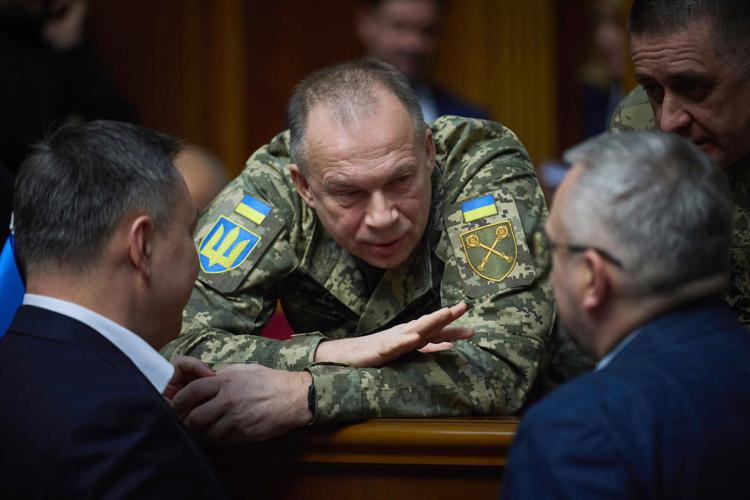
Ukrainian President Volodymyr Zelenskyy has appointed Mykhailo Drapatyi as the new army chief, replacing Oleksandr Syrskyi following protests over military leadership and reform.
An Indian-origin doctor in Ohio has been sentenced to six months in prison for secretly recording hospital staff in a restroom, after pleading guilty to voyeurism and evidence tampering.
.jpeg)
Pakistan has reportedly sought a $10 billion U.S. exchange stabilisation facility to strengthen its foreign exchange reserves, support the rupee, and ease pressure on its struggling economy.
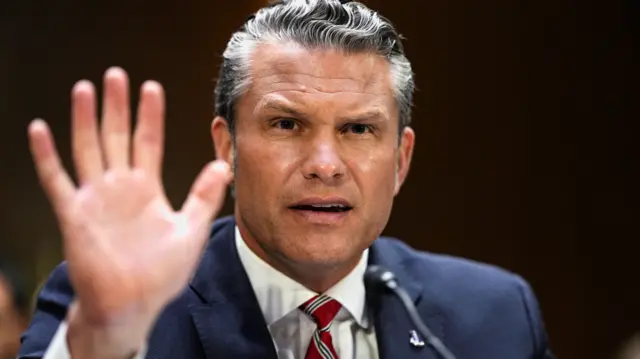
U.S. Defence Secretary Pete Hegseth said the conflict with Iran has cost the U.S. about $37.5 billion, as American strikes entered their 11th consecutive day.
.jpeg)
A reported Houthi blockade targeting Saudi-linked shipping in the Red Sea could disrupt oil exports, raise shipping costs, and increase pressure on global energy markets.
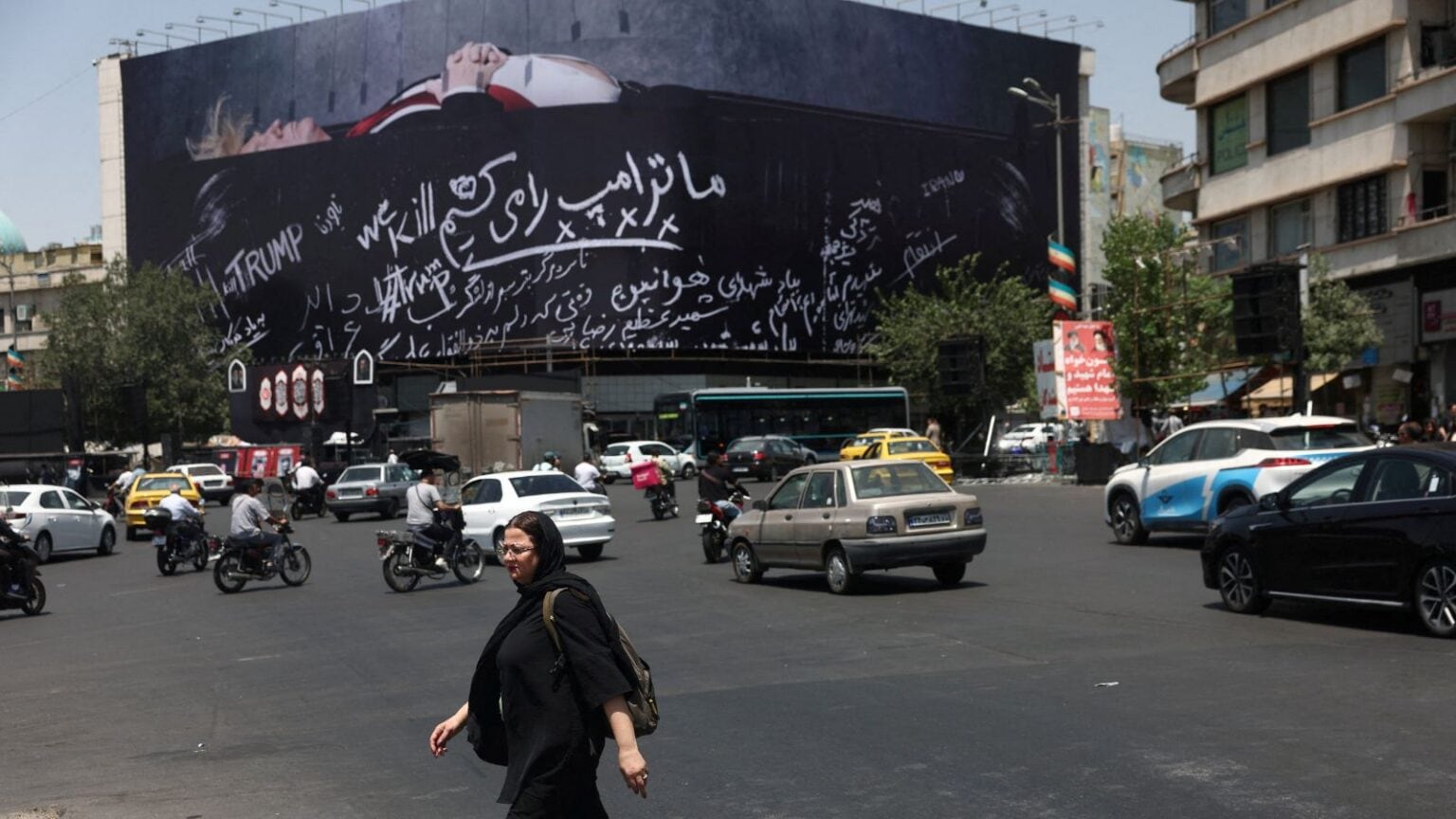
Iran says it targeted U.S.-linked sites in Bahrain and Kuwait after fresh American strikes on southern Iran, further escalating tensions across the Gulf and the Strait of Hormuz.
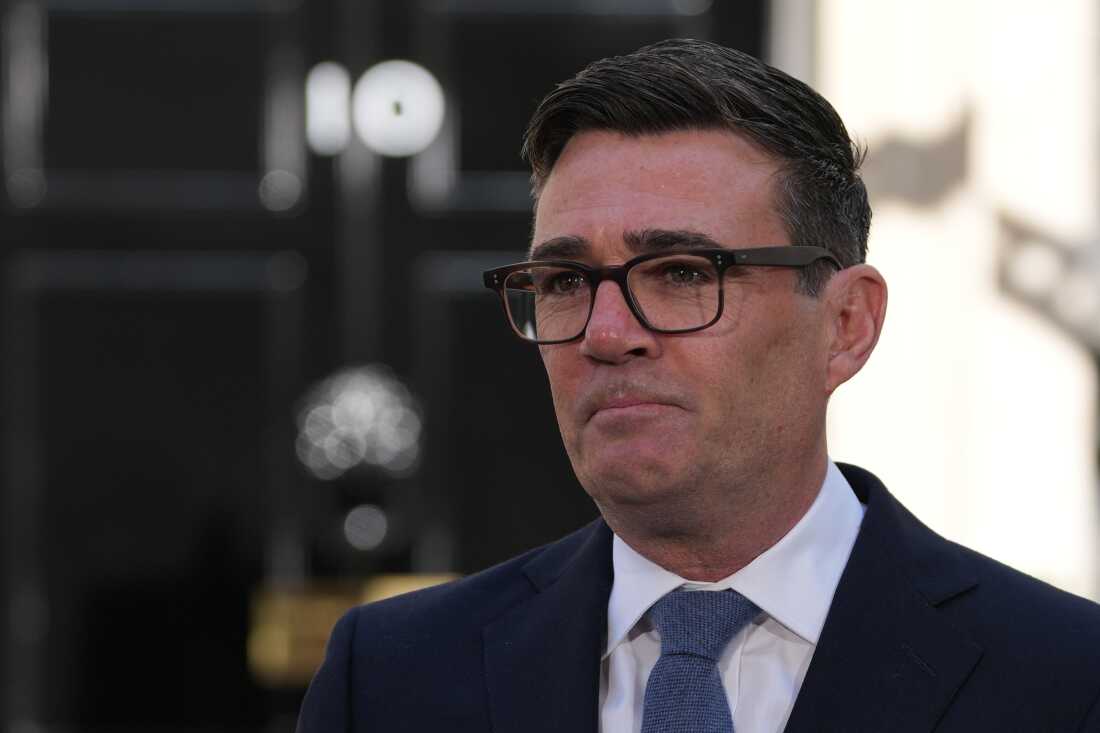
Andy Burnham has been sworn in as the U.K.'s new Prime Minister, promising a new social and political model focused on stability, fairness and long-term reform.
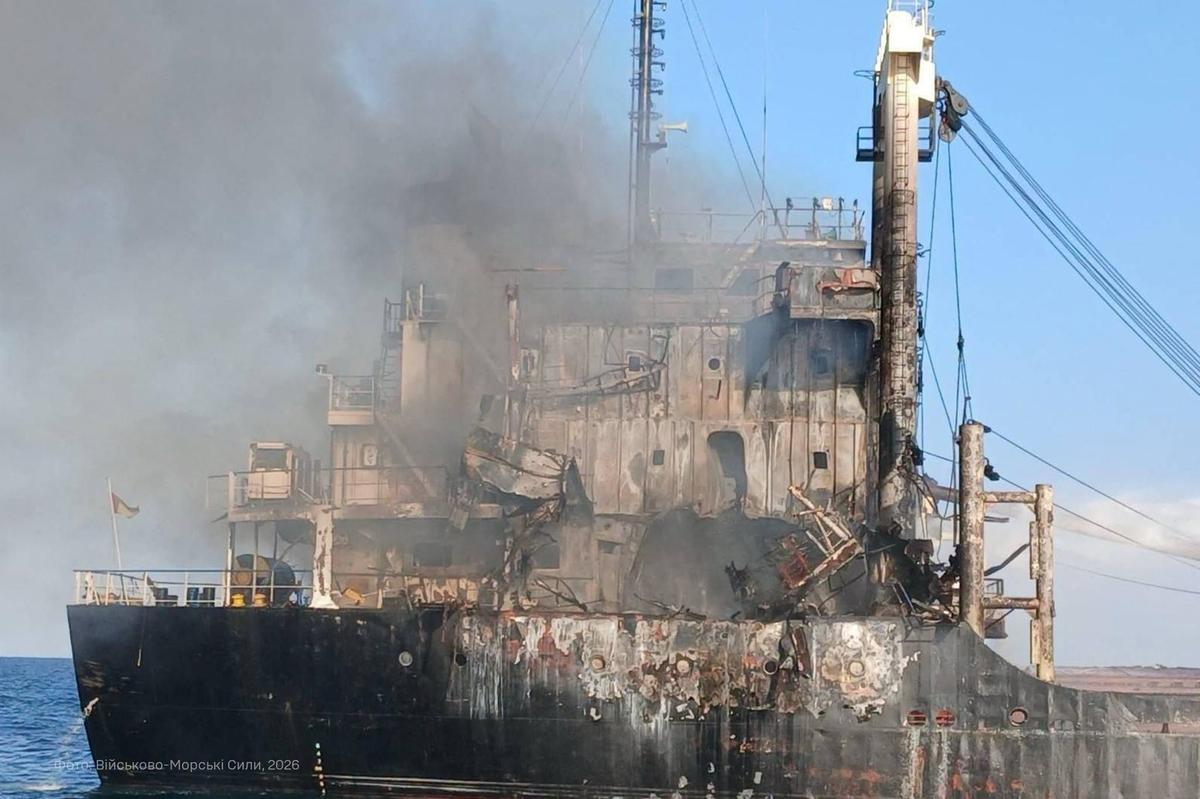
Four Indian seafarers were killed after a merchant vessel was attacked near Ukraine’s Odesa port, with one Indian critically injured and several crew members still missing.
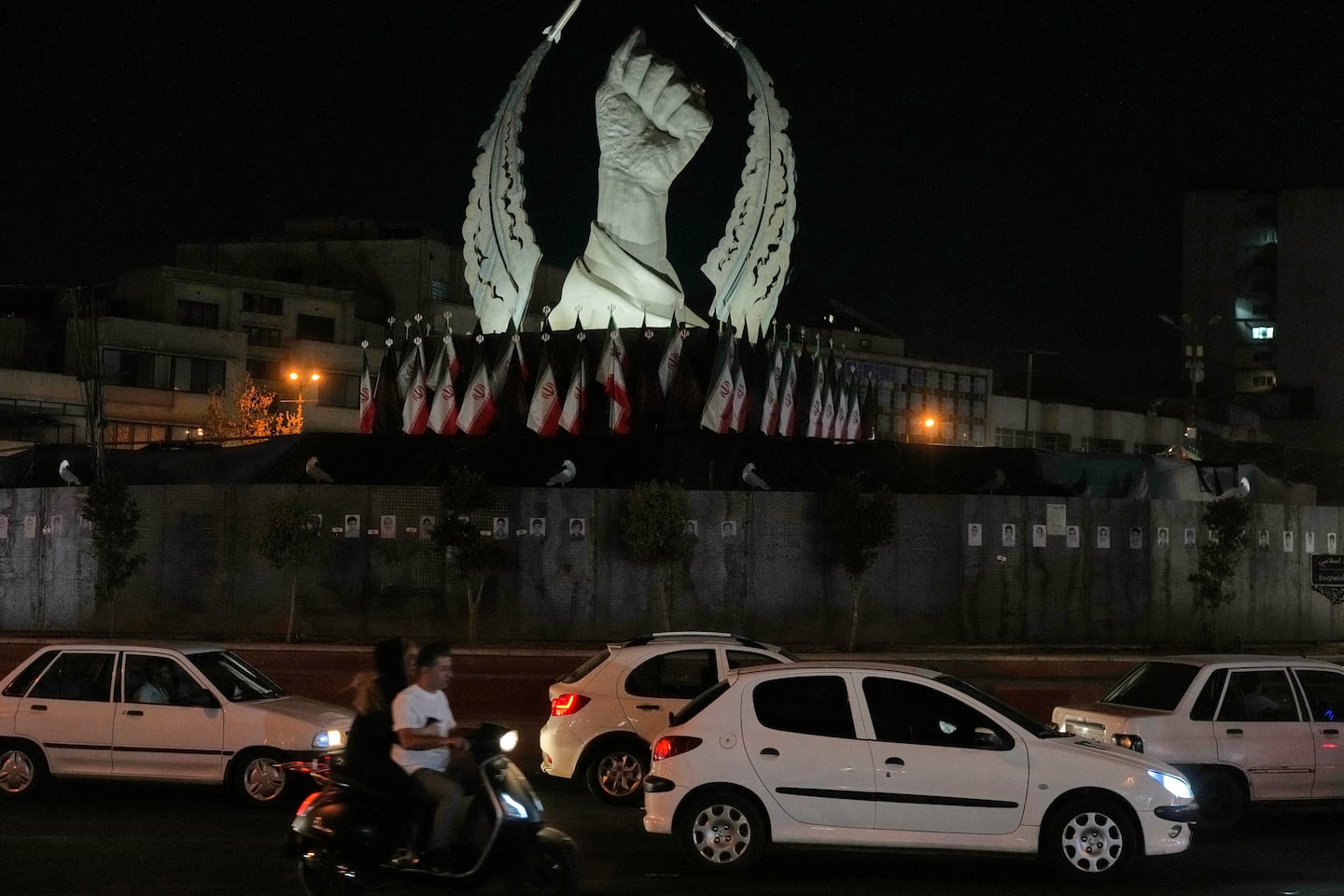
The U.S. has launched its 10th consecutive night of strikes on Iran, as both sides continue exchanging attacks, raising fears of a wider regional conflict.
.jpeg)
Outgoing UK Prime Minister Keir Starmer said “my work is done” as he wished Andy Burnham success, pledging his full support for a smooth leadership transition.
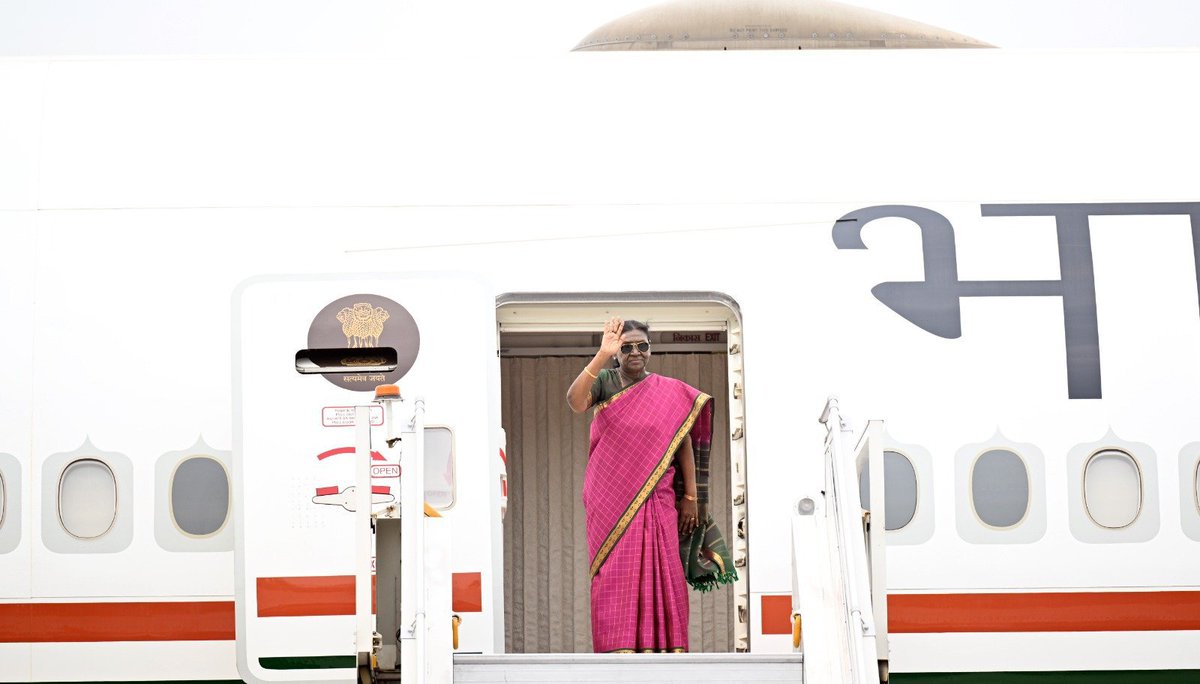
President Droupadi Murmu has arrived in Moldova, beginning a historic three-nation visit to Moldova, North Macedonia and Romania to strengthen diplomatic, economic and people-to-people ties.
.jpeg)
Bangladesh will import 200 Made-in-India broad-gauge railway coaches under a ₹915 crore deal, boosting passenger capacity and strengthening rail cooperation between the two countries.
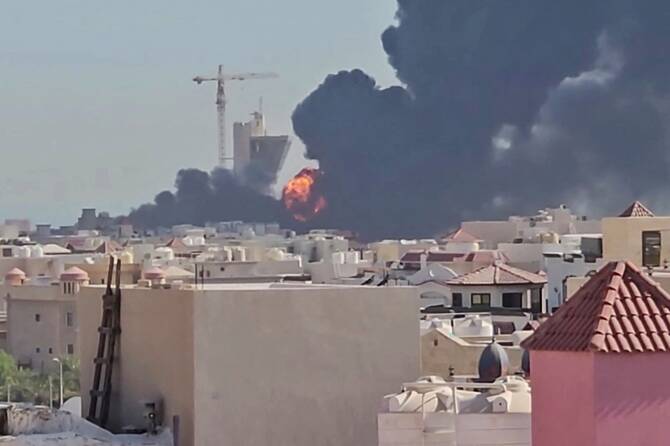
Iran’s IRGC claims it struck U.S. military targets in Kuwait and warned Gulf states hosting American forces, as tensions around the Strait of Hormuz continue to escalate.
.jpeg)
An American soldier was killed while attempting to safely detonate a captured Iranian explosive drone, highlighting the dangers of explosive ordnance disposal amid the ongoing U.S.-Iran conflict.

.jpeg)
Donald Trump has again claimed credit for the India-Pakistan ceasefire as part o...
.jpeg)
Fresh U.S. airstrikes in Iran reportedly killed 14 people, prompting Iranian ret...
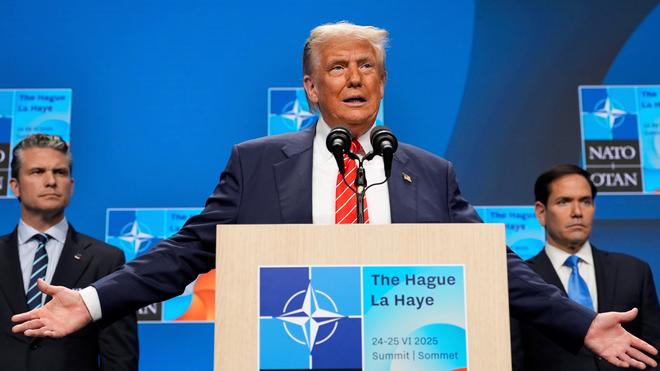
President Donald Trump claimed he is Iran’s “No. 1 target” after security measur...
.jpeg)
Three people were killed in U.S. strikes in western Iran as tensions escalated f...
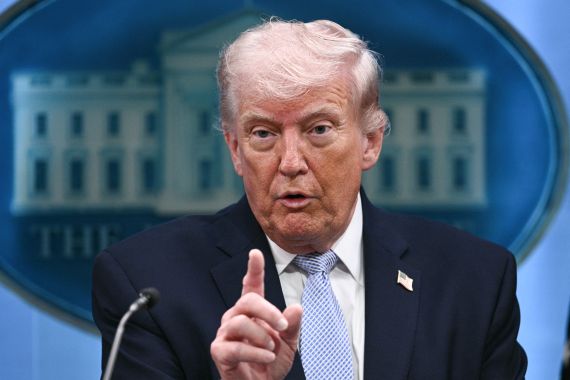
President Donald Trump said the Iran ceasefire is “over” following fresh U.S. st...