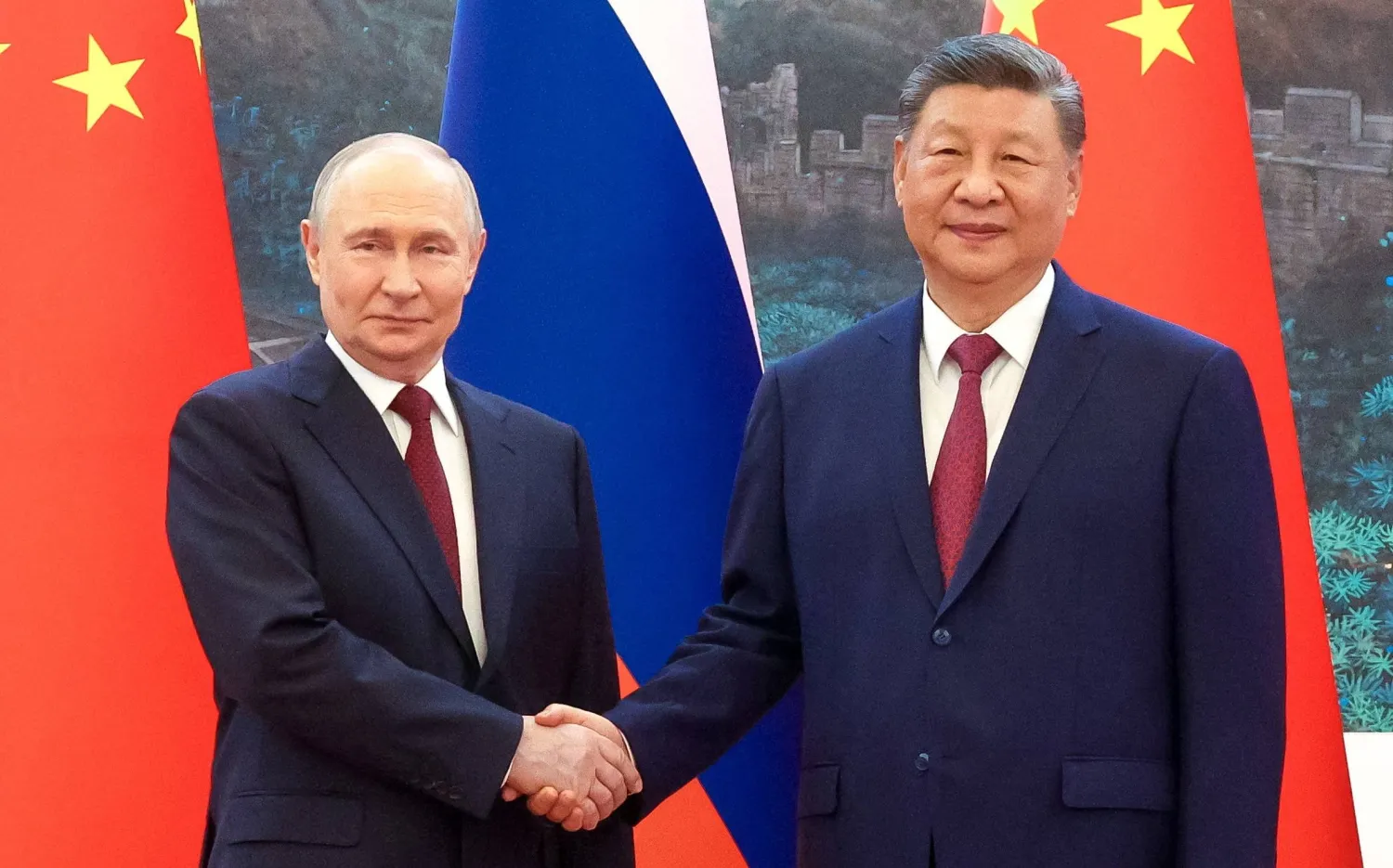
Swapna Kumbar , Bengaluru - Chinese President Xi Jinping welcomed Russian President Vladimir Putin in Beijing for a closely watched meeting that comes only days after US President Donald Trump’s official visit to China. The timing of the talks has drawn global attention, with analysts viewing the meeting as a significant geopolitical signal amid shifting global alliances, rising tensions with the West, and ongoing conflicts in Ukraine and the Middle East.
During their discussions, Xi and Putin reportedly focused on strengthening economic cooperation, energy partnerships, regional security coordination, and expanding trade settlements using local currencies instead of the US dollar. Chinese state media described the meeting as part of efforts to deepen the comprehensive strategic partnership between Beijing and Moscow. The leaders also discussed the Russia-Ukraine war, global energy stability, BRICS expansion, and the broader balance of power in an increasingly multipolar world. Putin praised China’s growing global influence, while Xi emphasized the importance of strategic trust and cooperation between the two neighboring powers.
The meeting took place shortly after Donald Trump’s visit to Beijing, where the US President held talks with Xi aimed at easing trade tensions and improving bilateral relations. Analysts say the rapid succession of meetings highlights China’s effort to maintain diplomatic balance between engaging Washington economically while continuing strong political and strategic ties with Moscow. Western observers are also closely monitoring whether the Beijing Moscow discussions could reshape global alignments at a time of growing competition between major powers.
The Xi-Putin meeting reinforces the growing importance of China-Russia relations in shaping global geopolitics during a period of major international uncertainty. With conflicts, trade disputes, and strategic rivalries intensifying worldwide, Beijing’s diplomacy with both Washington and Moscow is expected to play a critical role in influencing the future global order.
.jpeg)
The Houthis claimed a missile strike on Saudi Arabia’s Jizan as the U.S. disabled a tanker allegedly attempting to breach its Iran blockade, even as Trump said talks with Tehran remain serious.
.jpeg)
Donald Trump said it is “not yet time” for a deal with Iran, signalling that negotiations will continue despite ongoing tensions.
.jpeg)
Bangladesh President Mohammad Shahabuddin has reportedly resigned amid rising political tensions and reports of Sheikh Hasina’s planned return.

A UK inquest has ruled that Saudi Prince Abdullah bin Fahad bin Abdullah bin Abdulaziz bin Jalawi Al Saud died accidentally from a combination of alcohol, GHB and prescription medication.
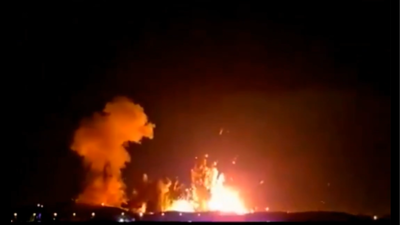
The U.S. launched its 13th consecutive night of strikes on Iranian military targets, while President Donald Trump warned Tehran would “pay” for recent attacks on commercial shipping.
The Trump administration has introduced new 10%–12.5% tariffs on imports from 60 trading partners, citing forced-labor concerns as temporary U.S. tariffs expire.
.jpeg)
The U.S. and Saudi Arabia have signed a civilian nuclear cooperation agreement, paving the way for long-term nuclear energy collaboration while emphasizing nonproliferation safeguards.
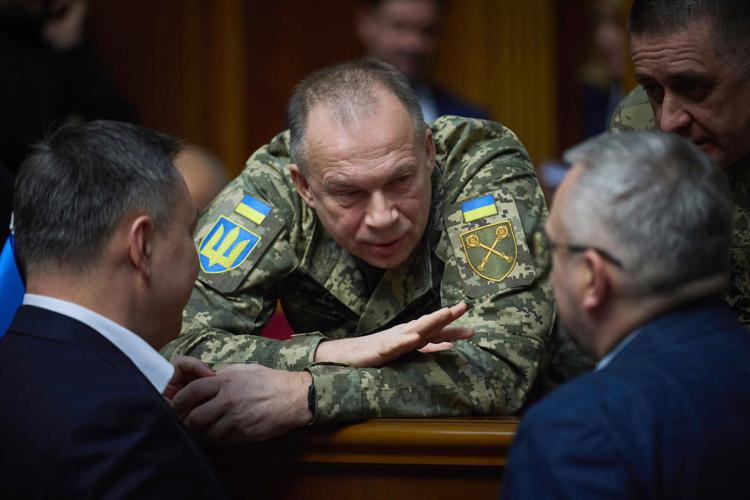
Ukrainian President Volodymyr Zelenskyy has appointed Mykhailo Drapatyi as the new army chief, replacing Oleksandr Syrskyi following protests over military leadership and reform.
An Indian-origin doctor in Ohio has been sentenced to six months in prison for secretly recording hospital staff in a restroom, after pleading guilty to voyeurism and evidence tampering.
.jpeg)
Pakistan has reportedly sought a $10 billion U.S. exchange stabilisation facility to strengthen its foreign exchange reserves, support the rupee, and ease pressure on its struggling economy.
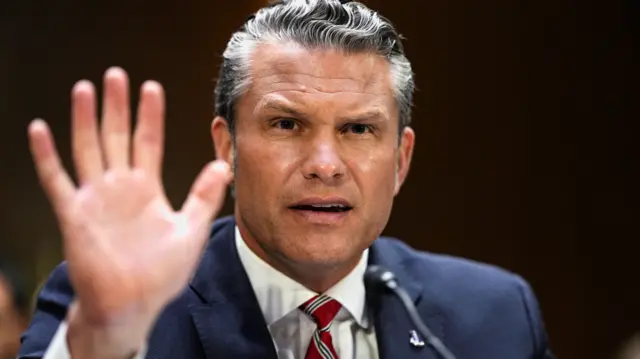
U.S. Defence Secretary Pete Hegseth said the conflict with Iran has cost the U.S. about $37.5 billion, as American strikes entered their 11th consecutive day.
.jpeg)
A reported Houthi blockade targeting Saudi-linked shipping in the Red Sea could disrupt oil exports, raise shipping costs, and increase pressure on global energy markets.
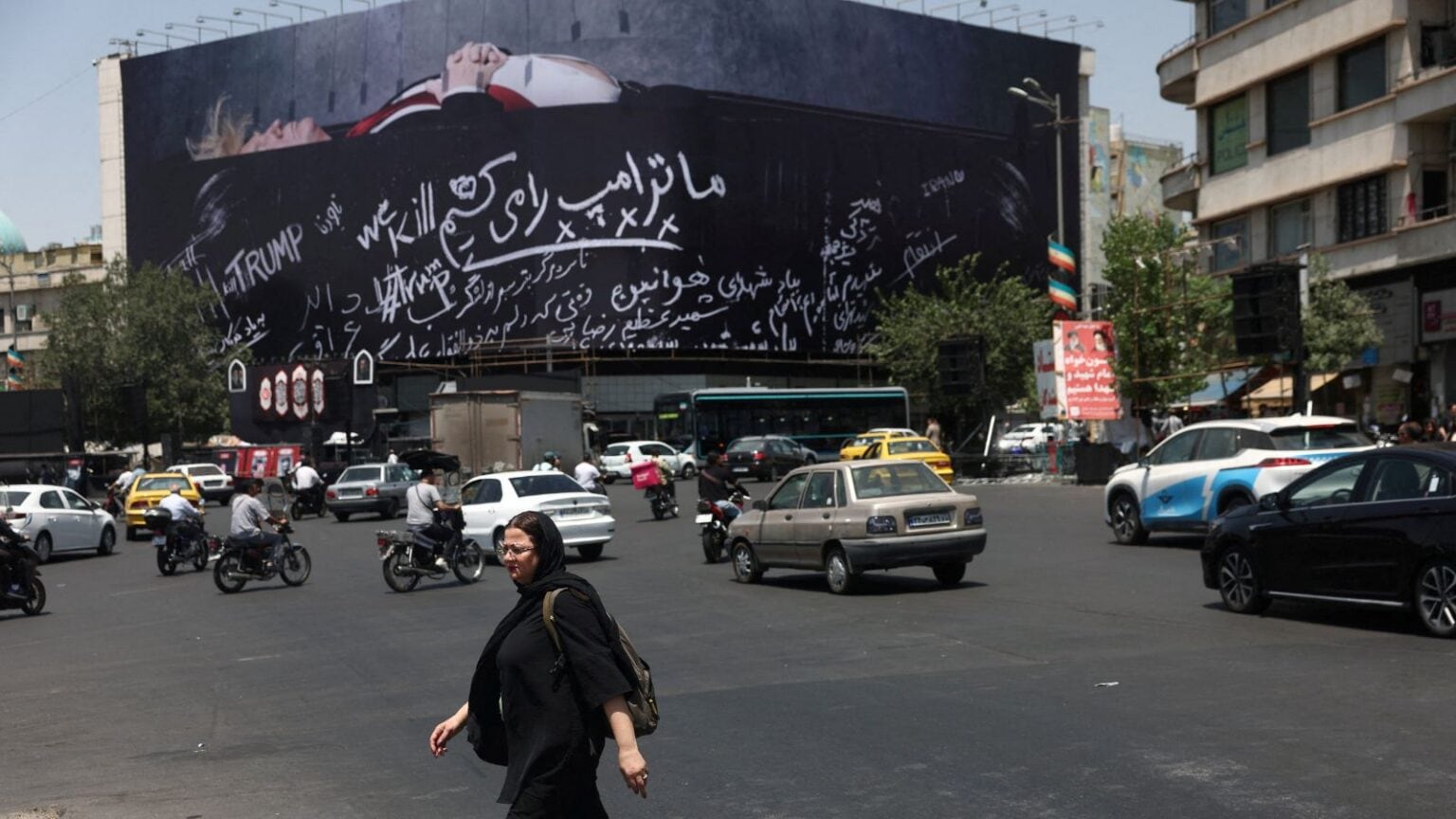
Iran says it targeted U.S.-linked sites in Bahrain and Kuwait after fresh American strikes on southern Iran, further escalating tensions across the Gulf and the Strait of Hormuz.
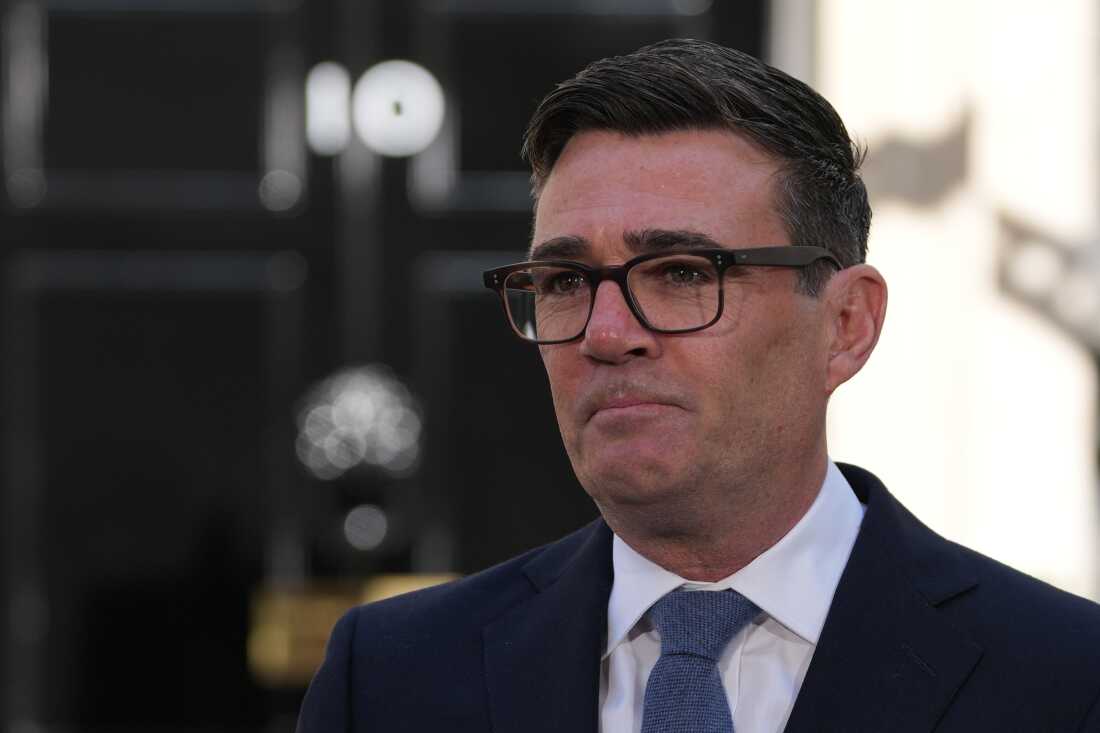
Andy Burnham has been sworn in as the U.K.'s new Prime Minister, promising a new social and political model focused on stability, fairness and long-term reform.
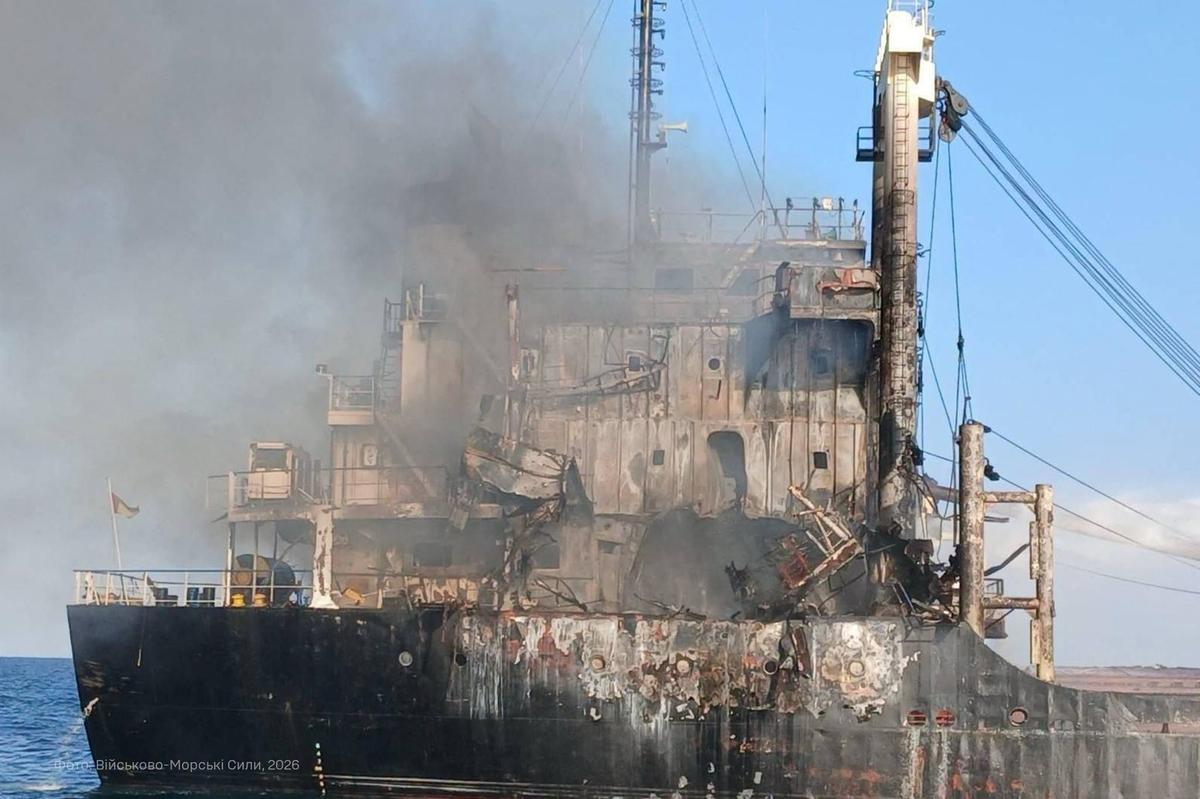
Four Indian seafarers were killed after a merchant vessel was attacked near Ukraine’s Odesa port, with one Indian critically injured and several crew members still missing.

.jpeg)
Donald Trump has again claimed credit for the India-Pakistan ceasefire as part o...
.jpeg)
Fresh U.S. airstrikes in Iran reportedly killed 14 people, prompting Iranian ret...
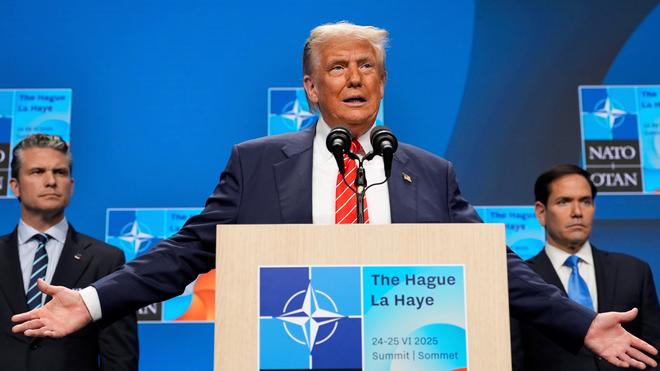
President Donald Trump claimed he is Iran’s “No. 1 target” after security measur...
.jpeg)
Three people were killed in U.S. strikes in western Iran as tensions escalated f...
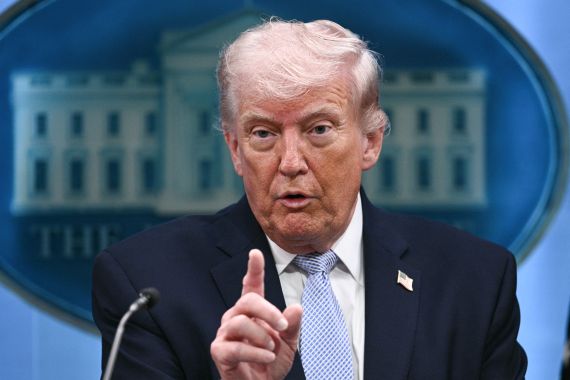
President Donald Trump said the Iran ceasefire is “over” following fresh U.S. st...