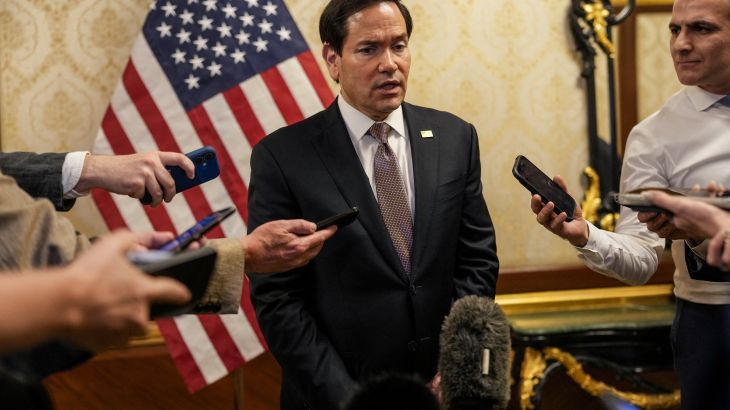
News Desk - Iran’s Revolutionary Guards said Israel must withdraw entirely from Lebanon and return to the positions it held before the conflict, insisting that no durable peace is possible without a full Israeli pullback. The statement comes as U.S. Secretary of State Marco Rubio, in Bahrain for a Gulf Cooperation Council meeting, said Washington is open to peace with Iran as long as any deal does not undermine the security of the United States or its allies.
The IRGC said Israel should stop attacks on Lebanon, evacuate occupied Lebanese territory and recognize Lebanon’s territorial integrity, describing withdrawal as an “initial condition” for any ceasefire. In comments carried by Iranian and international outlets, the Guards argued that regional stability cannot be achieved while Israeli forces remain in Lebanese territory, with Quds Force chief Esmail Qaani echoing the demand for a return to pre-war positions. The remarks come amid renewed friction over Lebanon, where ceasefire efforts remain fragile and accusations continue over cross-border attacks and Israel’s military presence in the south.
Rubio, meanwhile, is pressing Gulf leaders to back Washington’s approach to Iran while reassuring them that any agreement will safeguard regional security. Speaking during his Gulf tour, he said the U.S. seeks peace without compromising the security of its partners, and Bahrain is the final stop of his regional outreach to the UAE, Kuwait and GCC allies. The talks are focused on Iran’s regional role, missile capabilities and wider Gulf security concerns as Washington tries to build support for a possible deal.
The twin developments underscore the sharp divide in West Asia diplomacy: Tehran is hardening its line on Lebanon, while Washington is attempting to keep Gulf allies on board for a potential Iran understanding. With ceasefire talks under strain and regional tensions still high, the outcome of Rubio’s Bahrain meetings and Iran’s response to the Lebanon file could shape the next phase of the conflict.
.jpeg)
Trump cited India’s voter-ID system while backing the SAVE America Act, highlighting differences in voting rules between the two countries.
.jpeg)
A Russian missile strike hit Lakshmi Mittal-linked ArcelorMittal’s steel plant in Ukraine, killing two and injuring several others as the war escalates.
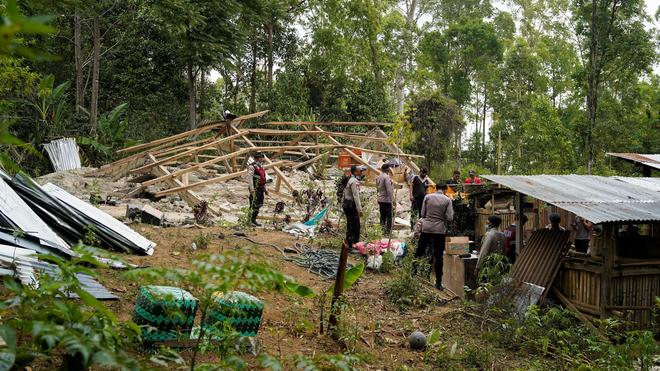
A powerful earthquake in Indonesia has killed 53 people and forced around 5,000 to evacuate, as aftershocks and landslides hamper rescue efforts.

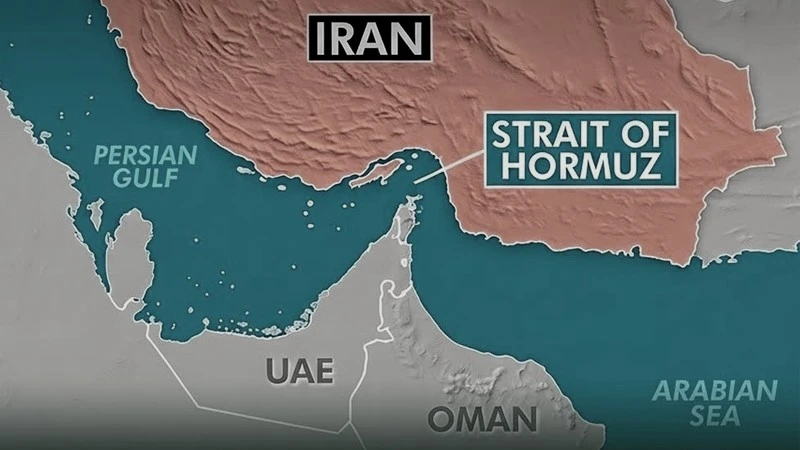
Iran, Oman and the U.S. are reportedly close to a Strait of Hormuz agreement tha...
.jpeg)
Fresh U.S. airstrikes in Iran reportedly killed 14 people, prompting Iranian ret...
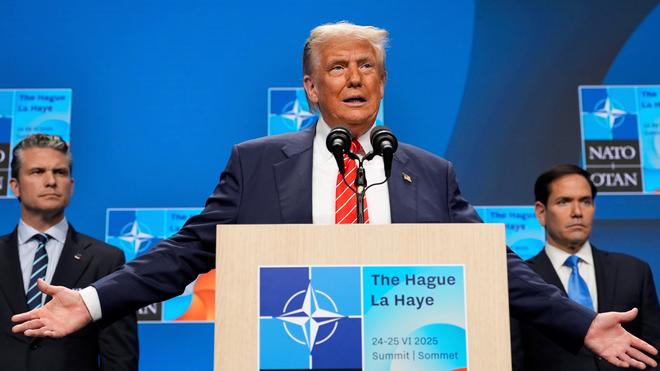
President Donald Trump claimed he is Iran’s “No. 1 target” after security measur...
.jpeg)
Three people were killed in U.S. strikes in western Iran as tensions escalated f...
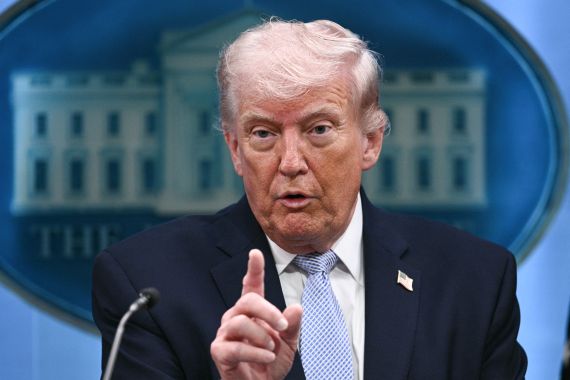
President Donald Trump said the Iran ceasefire is “over” following fresh U.S. st...