.jpeg)
News Desk - Mediators from Pakistan and Qatar hailed "progress" in the U.S-Iran peace talks following a lengthy opening session in Switzerland on Monday, June 22, 2026, with the host nation confirming that conditions were set for technical talks to immediately follow as negotiators enter the beginning of a 60-day sprint to secure a long term settlement.
The breakthrough came at the end of the first round of talks at the Burgenstock Resort near Lake Lucerne, where mediators announced that Washington and Tehran agreed to establish a communication line (de-confliction cell) involving Lebanon to prevent incidents in the strategically vital Strait of Hormuz and ensure the complete cessation of military operations. The de-confliction cell, coordinated by Pakistan and Qatar, will operate between the U.S., Iran, and the Lebanese Republic to guarantee adherence to the termination of military operations in Lebanon.
U.S. Vice President JD Vance, who arrived at Zurich's Emmen Air Base at 5:59 a.m. on Sunday, joined Iranian officials including Parliament Speaker Mohammad Bagher Ghalibaf and Pakistani mediators, including Prime Minister Shehbaz Sharif and Army Chief Field Marshal Asim Munir, at the negotiations aimed at advancing the 14-point Islamabad Memorandum of Understanding signed between President Donald Trump and Iran President Masoud Pezeshkian last week. The talks focus on implementing key commitments including ceasefire arrangements across all fronts (particularly Lebanon), maritime security in the Strait of Hormuz, sanctions waivers for Iran's fossil fuel industry, and the framework for future negotiations on Iran's nuclear program.
The establishment of the communication line marks a significant step toward ending military conflict in Lebanon while technical negotiators advance toward finalizing the U.S.-Iran deal, with both sides agreeing on a roadmap for a final deal within the 60-day timeframe.
.jpeg)
Trump cited India’s voter-ID system while backing the SAVE America Act, highlighting differences in voting rules between the two countries.
.jpeg)
A Russian missile strike hit Lakshmi Mittal-linked ArcelorMittal’s steel plant in Ukraine, killing two and injuring several others as the war escalates.
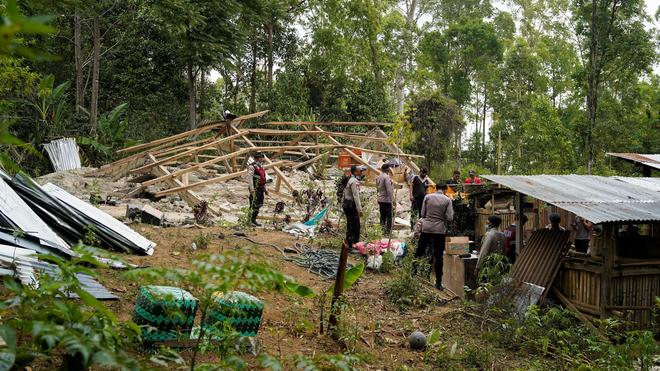
A powerful earthquake in Indonesia has killed 53 people and forced around 5,000 to evacuate, as aftershocks and landslides hamper rescue efforts.

Instagram Unveils New Logo After 10 Years

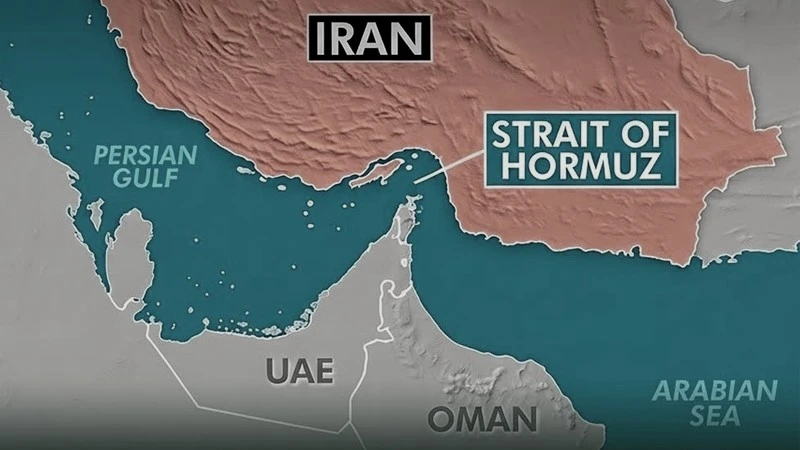
Iran, Oman and the U.S. are reportedly close to a Strait of Hormuz agreement tha...
.jpeg)
Fresh U.S. airstrikes in Iran reportedly killed 14 people, prompting Iranian ret...
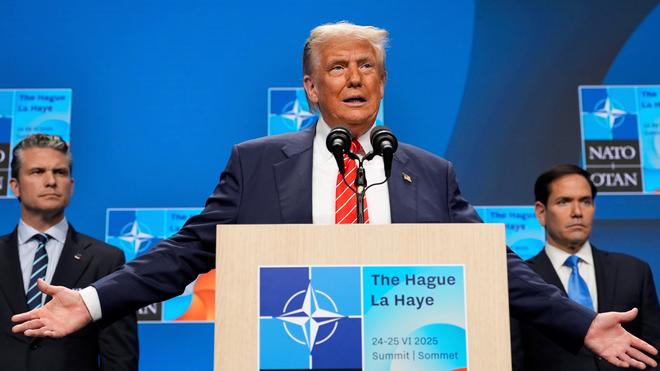
President Donald Trump claimed he is Iran’s “No. 1 target” after security measur...
.jpeg)
Three people were killed in U.S. strikes in western Iran as tensions escalated f...
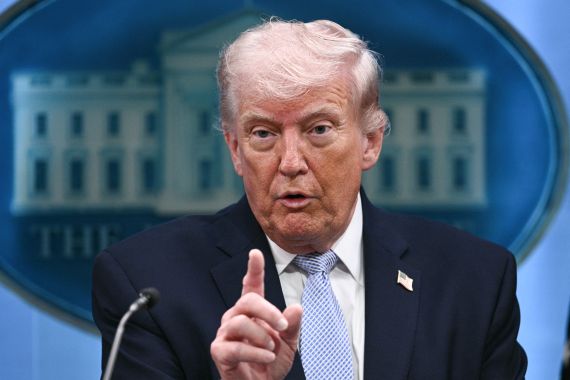
President Donald Trump said the Iran ceasefire is “over” following fresh U.S. st...