.jpeg)
News Desk - Iranian President Masoud Pezeshkian has made clear that Tehran will not allow its missile and deterrence capabilities to be placed on the negotiating table in any deal with the United States. His comments underline Iran’s insistence that while diplomacy may continue, its military strength remains a red line.
Pezeshkian’s remarks fit a broader pattern of Iranian messaging that talks with Washington are only possible if pressure, intimidation, and excessive demands stop. Earlier this year, he said Iran was open to “fair and equitable” negotiations, but only in an atmosphere free of threats, while Supreme Leader Ayatollah Ali Khamenei also warned that Iran would reject any greedy American demands. In May, Pezeshkian had already said a nuclear deal could be reached if the U.S. stopped setting conditions and using coercion.
The latest statement is significant because it draws a sharp distinction between diplomacy and defense. Tehran may be willing to discuss sanctions relief, nuclear oversight, or other ceasefire-related issues, but it does not want missile restrictions included in any agreement. Iranian officials argue that these capabilities are essential to deterrence and national security, especially after years of pressure and threats.
Pezeshkian’s message suggests that even if talks with the U.S. continue, Iran will try to protect what it sees as its core defense doctrine. That makes any future deal dependent on how far Washington is willing to go without demanding limits on Iran’s missiles or broader deterrence posture.
.jpeg)
Trump cited India’s voter-ID system while backing the SAVE America Act, highlighting differences in voting rules between the two countries.
.jpeg)
A Russian missile strike hit Lakshmi Mittal-linked ArcelorMittal’s steel plant in Ukraine, killing two and injuring several others as the war escalates.
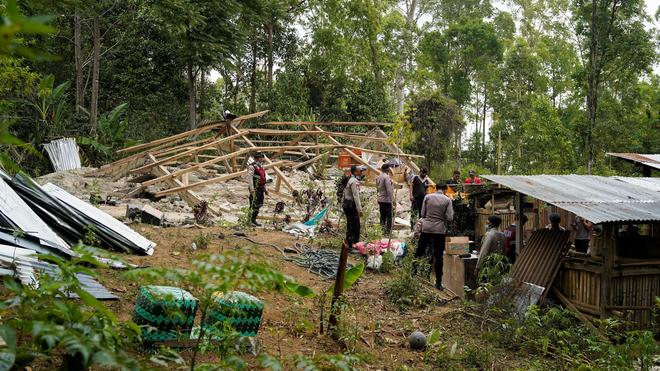
A powerful earthquake in Indonesia has killed 53 people and forced around 5,000 to evacuate, as aftershocks and landslides hamper rescue efforts.

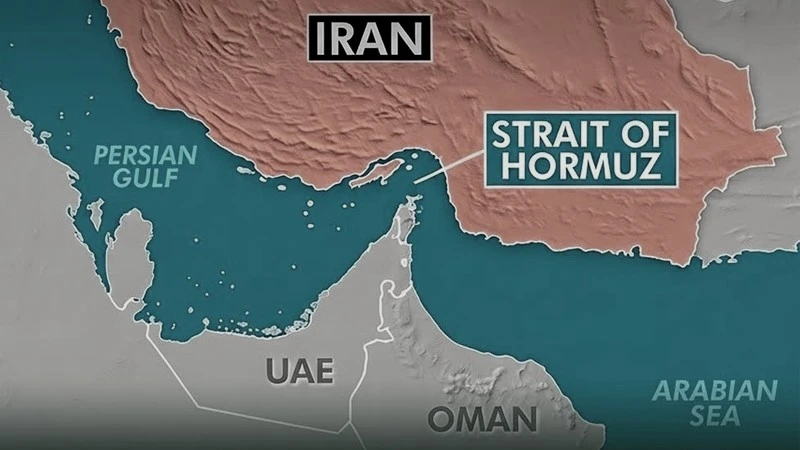
Iran, Oman and the U.S. are reportedly close to a Strait of Hormuz agreement tha...
.jpeg)
Fresh U.S. airstrikes in Iran reportedly killed 14 people, prompting Iranian ret...
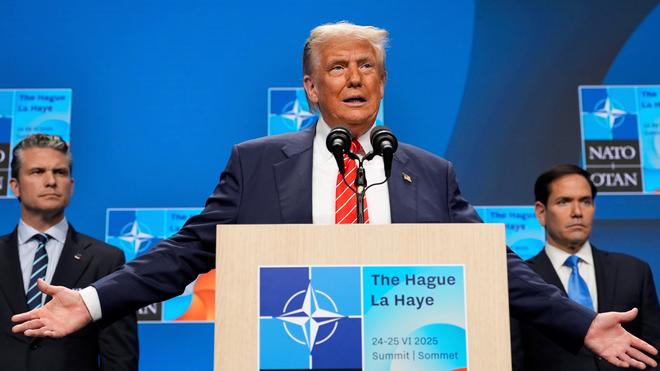
President Donald Trump claimed he is Iran’s “No. 1 target” after security measur...
.jpeg)
Three people were killed in U.S. strikes in western Iran as tensions escalated f...
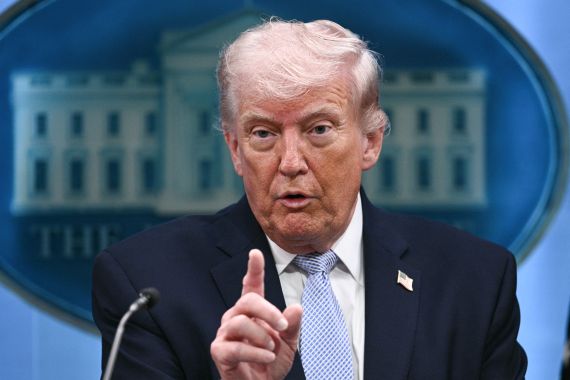
President Donald Trump said the Iran ceasefire is “over” following fresh U.S. st...