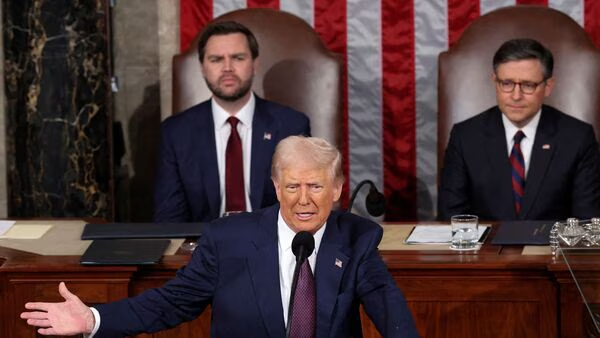
Swapna Kumbar , Bengaluru - Fresh uncertainty has surrounded the ongoing US-Iran negotiations after President Donald Trump reportedly walked out of a high-level White House Situation Room meeting without making a final decision on a proposed agreement with Tehran. The meeting was expected to determine whether Washington would move forward with a tentative framework aimed at extending the fragile ceasefire and reopening the strategically vital Strait of Hormuz.
Ahead of the meeting, Trump publicly outlined several conditions he said were necessary for any agreement, including Iran’s commitment to never develop a nuclear weapon, the reopening of the Strait of Hormuz to unrestricted commercial shipping, removal of sea mines, and US oversight of Iran’s enriched uranium stockpiles. However, Iran has repeatedly objected to several of these demands, particularly those involving its nuclear program and sovereignty over regional waterways. According to reports, the two hour meeting concluded without a final decision, with administration officials stating that Trump would only approve a deal that meets his red lines.
The proposed agreement would reportedly extend the current ceasefire by 60 days while allowing further negotiations on Iran’s nuclear activities and regional security arrangements. Despite earlier reports suggesting a tentative understanding had been reached, major disagreements remain unresolved, including sanctions relief, control of shipping routes, uranium enrichment restrictions, and security guarantees. Analysts say the delay reflects the complexity of the negotiations, with both sides attempting to secure strategic concessions while avoiding a return to direct military confrontation.
Trump’s decision to leave the meeting without endorsing the agreement highlights how fragile the negotiations remain despite weeks of diplomatic engagement. With global energy markets closely watching developments around the Strait of Hormuz, the future of the ceasefire and wider regional stability now appears dependent on whether Washington and Tehran can bridge their remaining differences.
.jpeg)
Bangladesh President Mohammad Shahabuddin has reportedly resigned amid rising political tensions and reports of Sheikh Hasina’s planned return.

A UK inquest has ruled that Saudi Prince Abdullah bin Fahad bin Abdullah bin Abdulaziz bin Jalawi Al Saud died accidentally from a combination of alcohol, GHB and prescription medication.
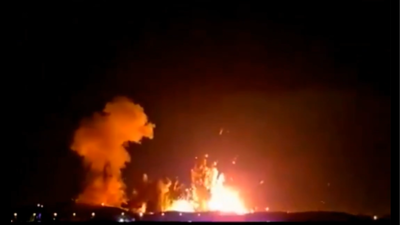
The U.S. launched its 13th consecutive night of strikes on Iranian military targets, while President Donald Trump warned Tehran would “pay” for recent attacks on commercial shipping.
The Trump administration has introduced new 10%–12.5% tariffs on imports from 60 trading partners, citing forced-labor concerns as temporary U.S. tariffs expire.
.jpeg)
The U.S. and Saudi Arabia have signed a civilian nuclear cooperation agreement, paving the way for long-term nuclear energy collaboration while emphasizing nonproliferation safeguards.
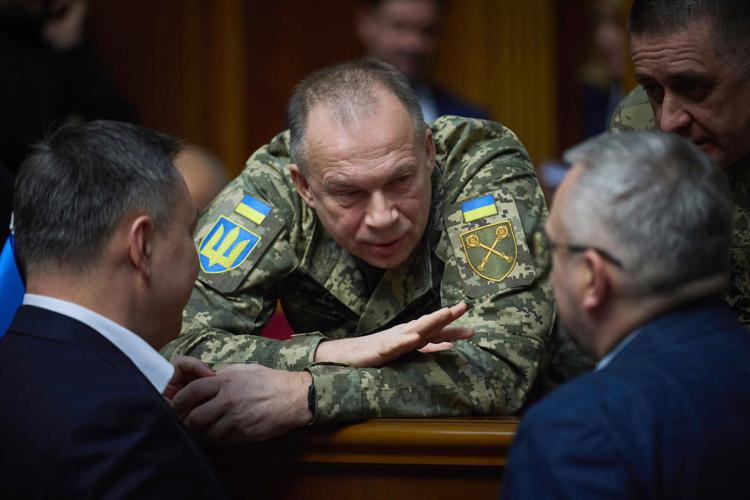
Ukrainian President Volodymyr Zelenskyy has appointed Mykhailo Drapatyi as the new army chief, replacing Oleksandr Syrskyi following protests over military leadership and reform.
An Indian-origin doctor in Ohio has been sentenced to six months in prison for secretly recording hospital staff in a restroom, after pleading guilty to voyeurism and evidence tampering.
.jpeg)
Pakistan has reportedly sought a $10 billion U.S. exchange stabilisation facility to strengthen its foreign exchange reserves, support the rupee, and ease pressure on its struggling economy.
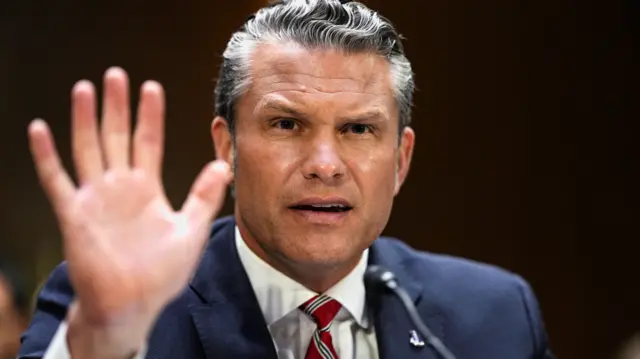
U.S. Defence Secretary Pete Hegseth said the conflict with Iran has cost the U.S. about $37.5 billion, as American strikes entered their 11th consecutive day.
.jpeg)
A reported Houthi blockade targeting Saudi-linked shipping in the Red Sea could disrupt oil exports, raise shipping costs, and increase pressure on global energy markets.
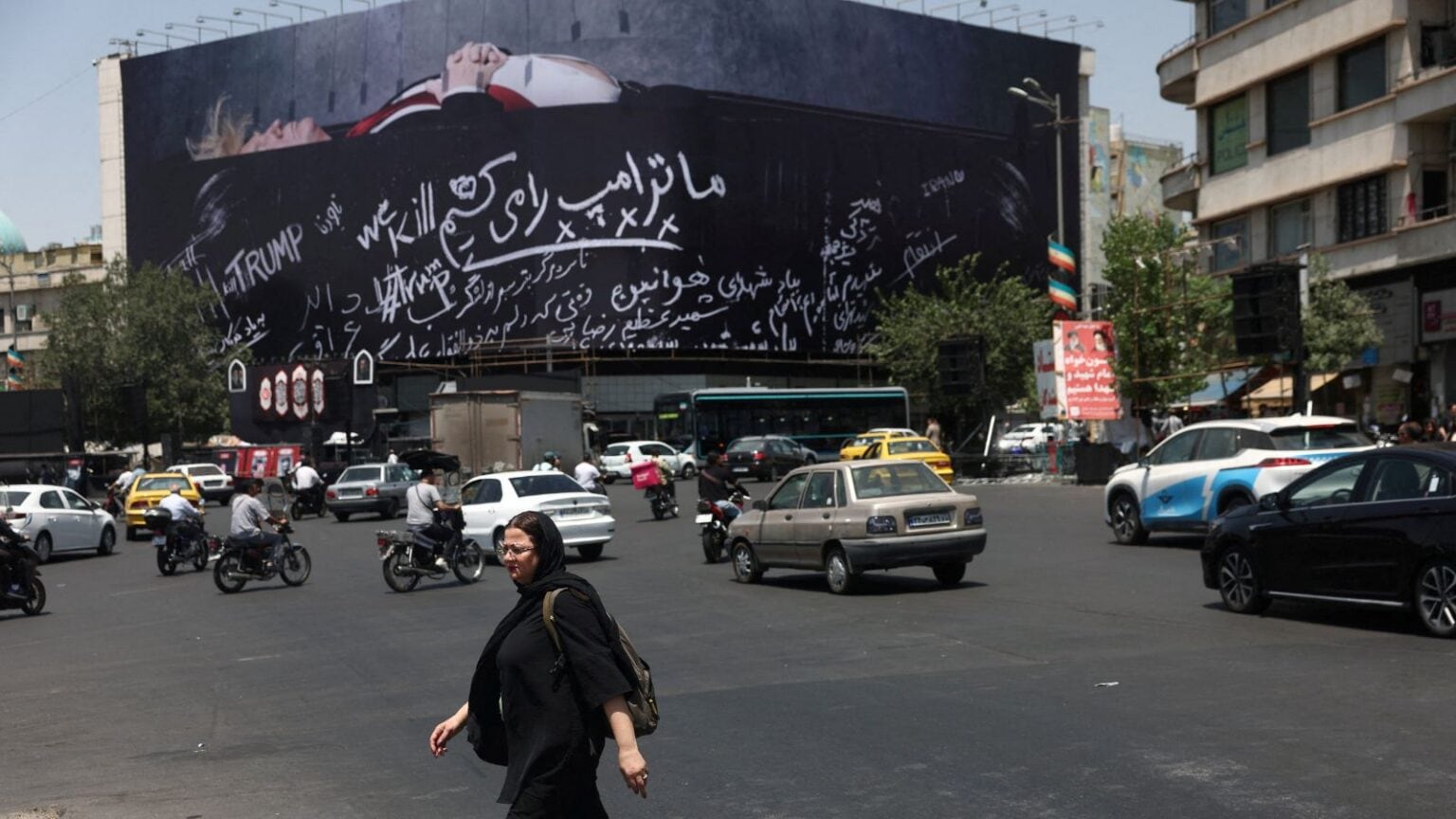
Iran says it targeted U.S.-linked sites in Bahrain and Kuwait after fresh American strikes on southern Iran, further escalating tensions across the Gulf and the Strait of Hormuz.
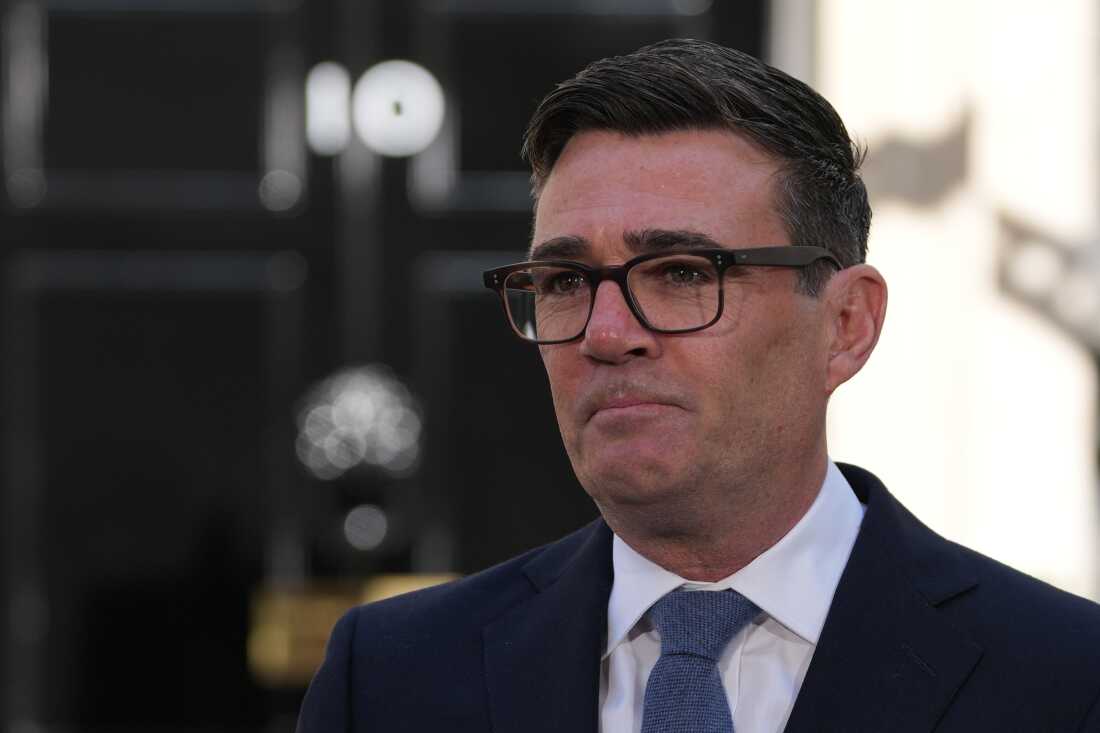
Andy Burnham has been sworn in as the U.K.'s new Prime Minister, promising a new social and political model focused on stability, fairness and long-term reform.
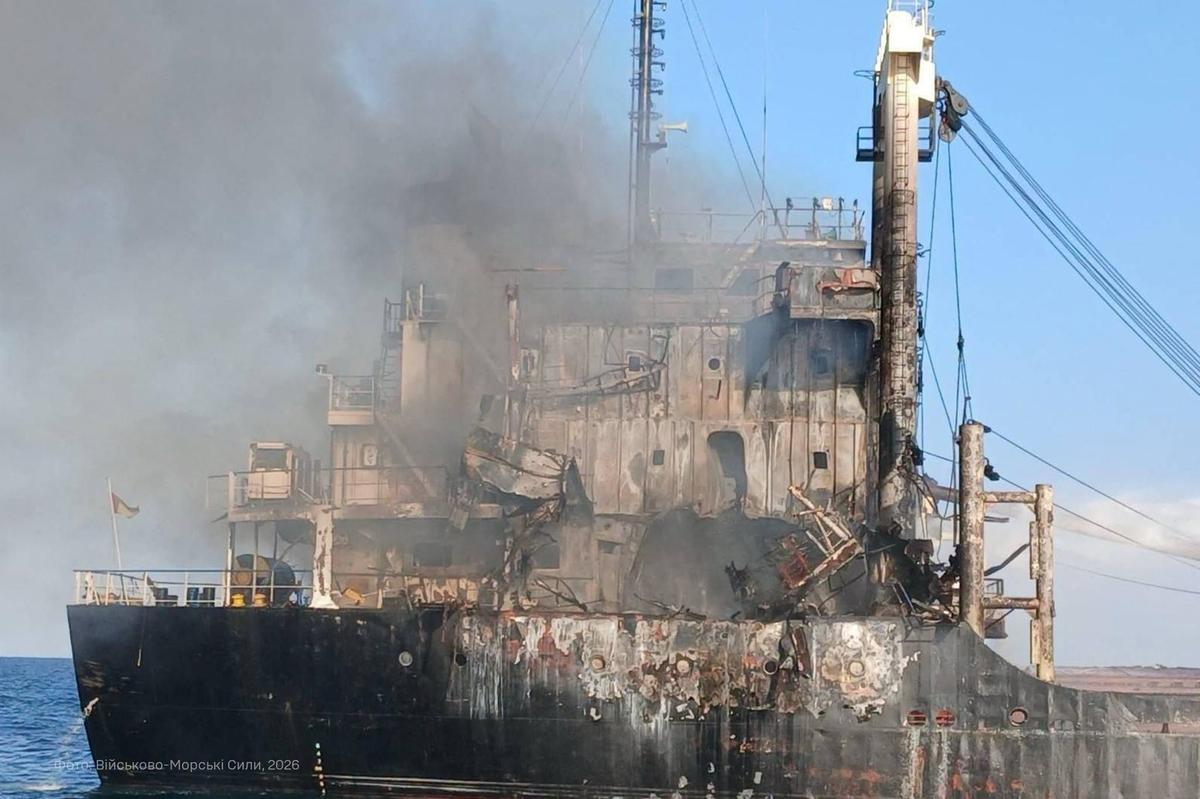
Four Indian seafarers were killed after a merchant vessel was attacked near Ukraine’s Odesa port, with one Indian critically injured and several crew members still missing.
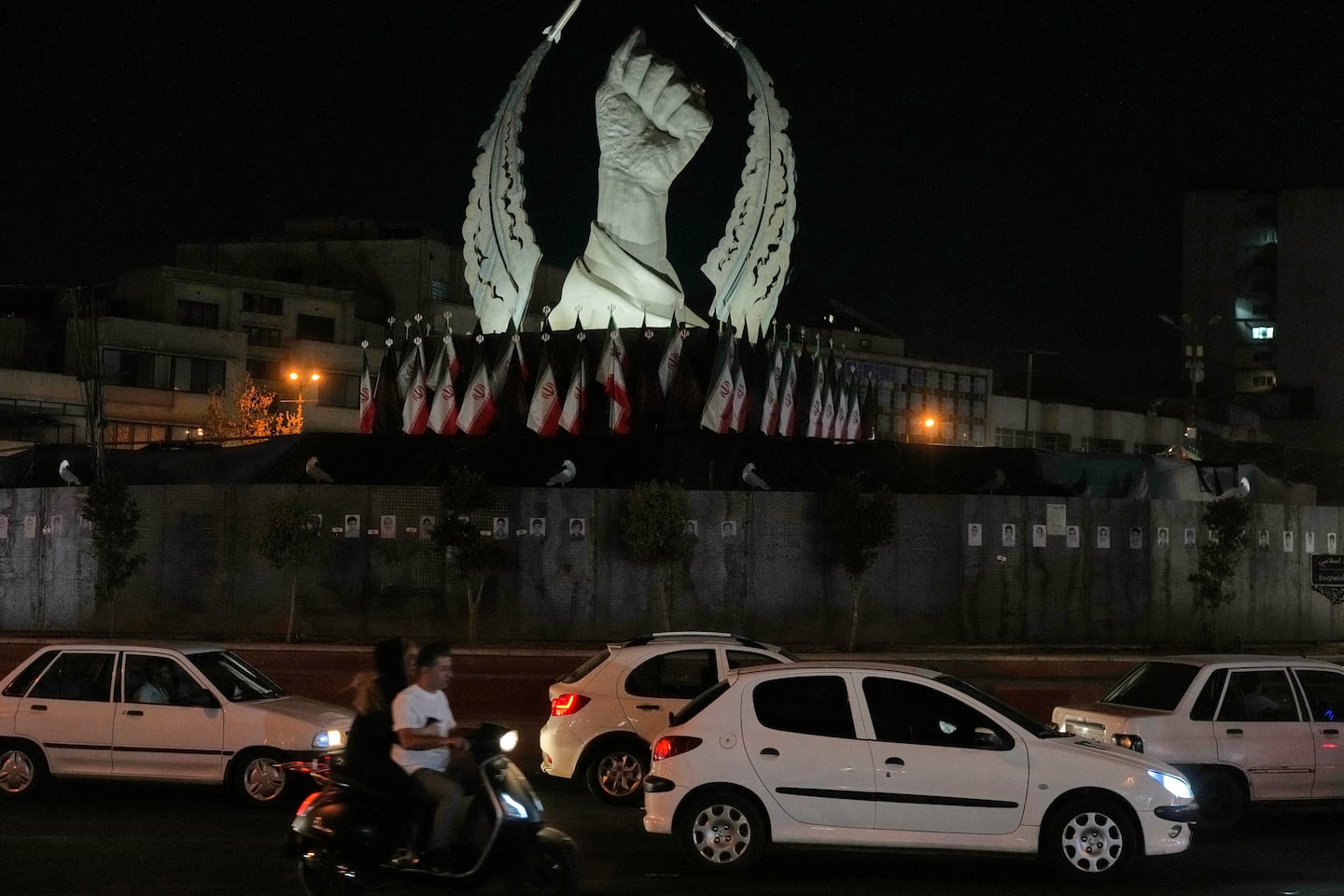
The U.S. has launched its 10th consecutive night of strikes on Iran, as both sides continue exchanging attacks, raising fears of a wider regional conflict.
.jpeg)
Outgoing UK Prime Minister Keir Starmer said “my work is done” as he wished Andy Burnham success, pledging his full support for a smooth leadership transition.

.jpeg)
Donald Trump has again claimed credit for the India-Pakistan ceasefire as part o...
.jpeg)
Fresh U.S. airstrikes in Iran reportedly killed 14 people, prompting Iranian ret...
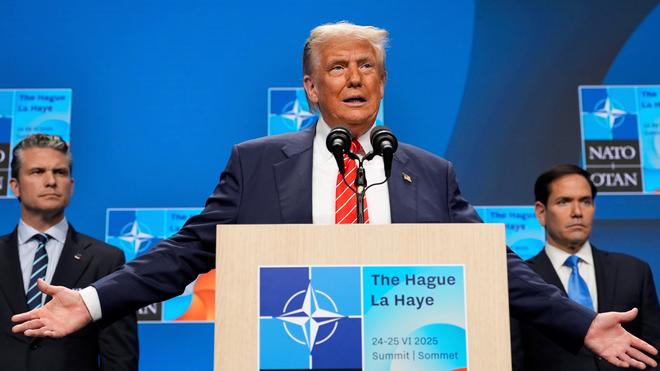
President Donald Trump claimed he is Iran’s “No. 1 target” after security measur...
.jpeg)
Three people were killed in U.S. strikes in western Iran as tensions escalated f...
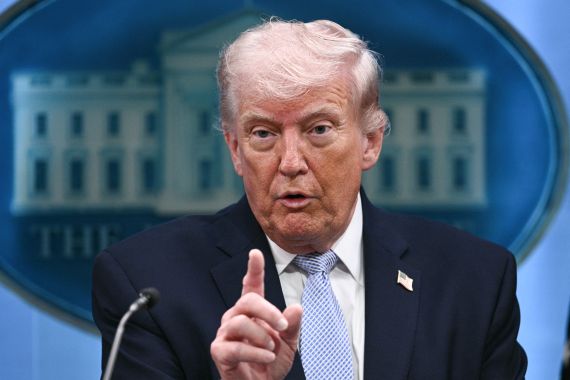
President Donald Trump said the Iran ceasefire is “over” following fresh U.S. st...