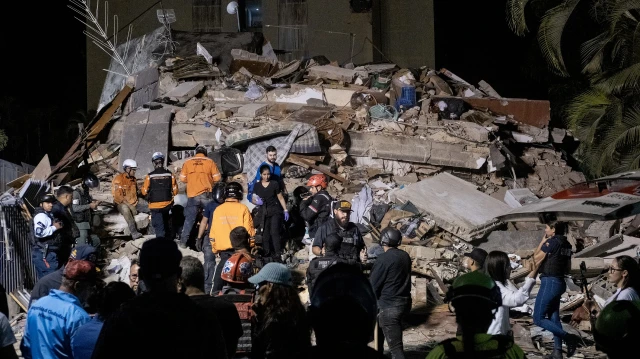
News Desk - A series of powerful, back-to-back earthquakes struck Venezuela late on June 24, killing at least 164 people and injuring 971, Acting President Delcy Rodríguez said as rescue teams raced to reach people trapped under rubble. The tremors, among the strongest to hit the country in more than a century, were felt across the region and prompted swift offers of international assistance.
Two powerful back-to-back earthquakes struck northern Venezuela on Wednesday evening, killing at least 164 people and injuring 971, according to Acting President Delcy Rodríguez. The U.S. Geological Survey said the disaster was a “doublet” sequence: a magnitude 7.2 foreshock hit first, followed 39 seconds later by a stronger magnitude 7.5 quake, with shaking felt across Caracas, La Guaira, Aragua, Carabobo and parts of neighbouring Colombia. The tremors caused buildings to collapse in the capital and nearby cities, split roads, damaged power infrastructure and forced the temporary shutdown of Caracas’s main airport, while residents rushed into the streets as sirens sounded and debris fell. Authorities said more than 20 aftershocks had been recorded, later rising to around 30, worsening fears of further collapses in already weakened structures.
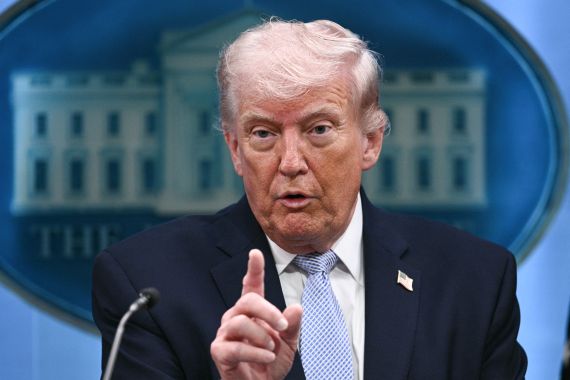
Rescue teams, firefighters, civil protection units and military personnel were mobilised to search through rubble, free trapped residents and treat the injured, as hospitals came under intense strain. Rodríguez also announced a state of emergency and said the government would set up an initial $200 million reconstruction fund to repair infrastructure, hospitals and housing. International assistance began arriving quickly, with the United States saying it would send search-and-rescue teams and humanitarian support, while President Donald Trump said the U.S. was “ready, willing, and able to help”. Mexico, El Salvador, the Dominican Republic, Qatar, Argentina, Chile, Panama, Bolivia, Uruguay, Spain, Brazil and several other countries also offered rescuers, medical teams, emergency supplies or solidarity as Venezuela grappled with the scale of the disaster.
As rescue efforts continue and the full scale of the destruction becomes clearer, Venezuelan authorities have called for calm and international solidarity, while nations around the world maintain offers of aid and technical support to help the country recover from one of its deadliest seismic events in decades.
.jpeg)
Trump cited India’s voter-ID system while backing the SAVE America Act, highlighting differences in voting rules between the two countries.
.jpeg)
A Russian missile strike hit Lakshmi Mittal-linked ArcelorMittal’s steel plant in Ukraine, killing two and injuring several others as the war escalates.
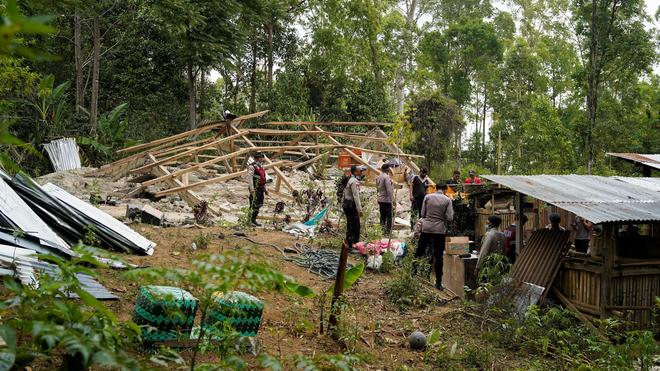
A powerful earthquake in Indonesia has killed 53 people and forced around 5,000 to evacuate, as aftershocks and landslides hamper rescue efforts.

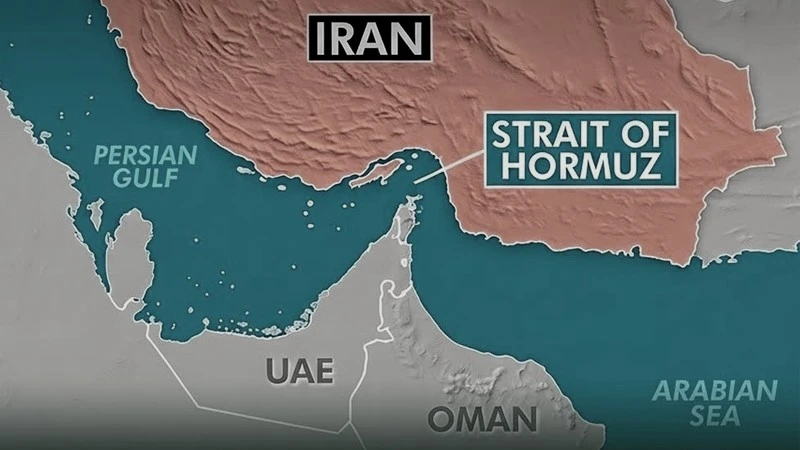
Iran, Oman and the U.S. are reportedly close to a Strait of Hormuz agreement tha...
.jpeg)
Fresh U.S. airstrikes in Iran reportedly killed 14 people, prompting Iranian ret...
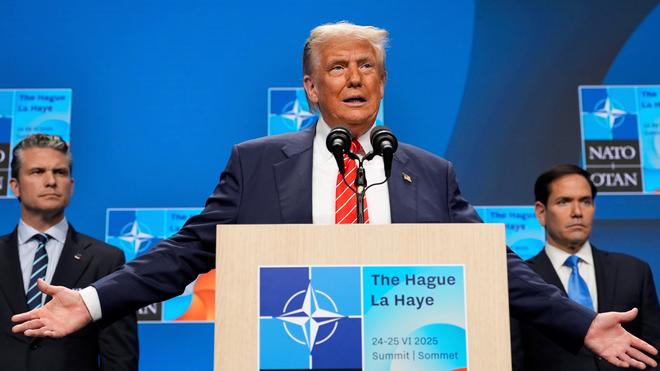
President Donald Trump claimed he is Iran’s “No. 1 target” after security measur...
.jpeg)
Three people were killed in U.S. strikes in western Iran as tensions escalated f...
President Donald Trump said the Iran ceasefire is “over” following fresh U.S. st...