Desk Correspondent , Venezuela - The world remains in a state of shock following the sudden U.S. military intervention in Venezuela that resulted in the capture of President Nicolás Maduro. As the situation develops rapidly, here are the five most critical points to understand about this unprecedented event:
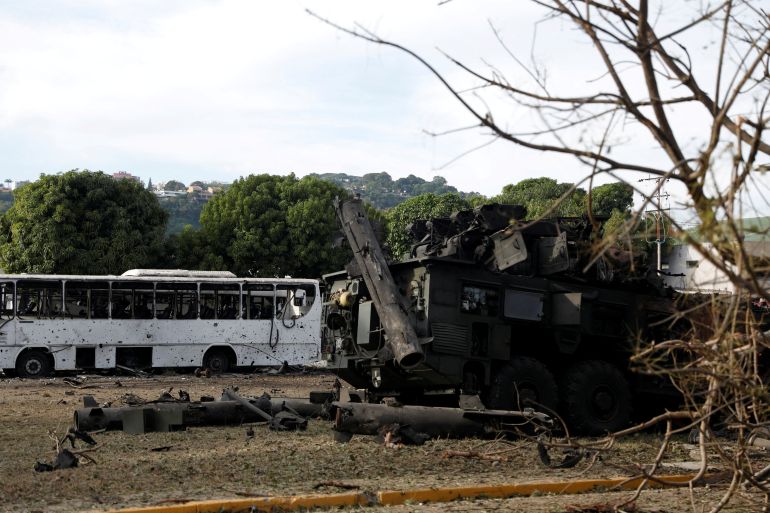
1. The Pre-Dawn Military Raid: In a highly classified operation reportedly executed by elite U.S. special forces, strikes were launched against strategic locations in Caracas. The primary objective was the presidential palace and secure residences, leading to the swift apprehension of Nicolás Maduro and First Lady Cilia Flores before the Venezuelan military could mount a full-scale defense.
2. Trump’s Victory Declaration: President Donald Trump took to social media and later held a briefing to confirm that Maduro is in U.S. custody. Trump framed the move as a "liberation" of the Venezuelan people from a "narcoterrorist regime," asserting that the U.S. now holds significant leverage over the future of the South American nation's governance.
3. Maduro in Handcuffs: Visuals have surfaced showing the former Venezuelan leader in federal custody on U.S. soil. These "perp walk" images, taken as he was being processed by the DEA, have become a powerful symbol of the sudden change in power and have fueled both celebrations among the Venezuelan diaspora and protests from Maduro’s international allies.
4. National Emergency in Venezuela: Back in Caracas, the remaining government officials have declared a national state of emergency. Vice President Delcy Rodríguez has condemned the act as an "illegal kidnapping" and a violation of international law, calling on the global community and the Venezuelan military to resist the "foreign invasion."
5. International Legal and Political Fallout: The capture has ignited a massive debate over the legality of seizing a sitting head of state. While some nations have signaled support for the transition, others, including Russia and China, have raised serious concerns regarding the breach of national sovereignty, leading to fears of increased geopolitical instability.
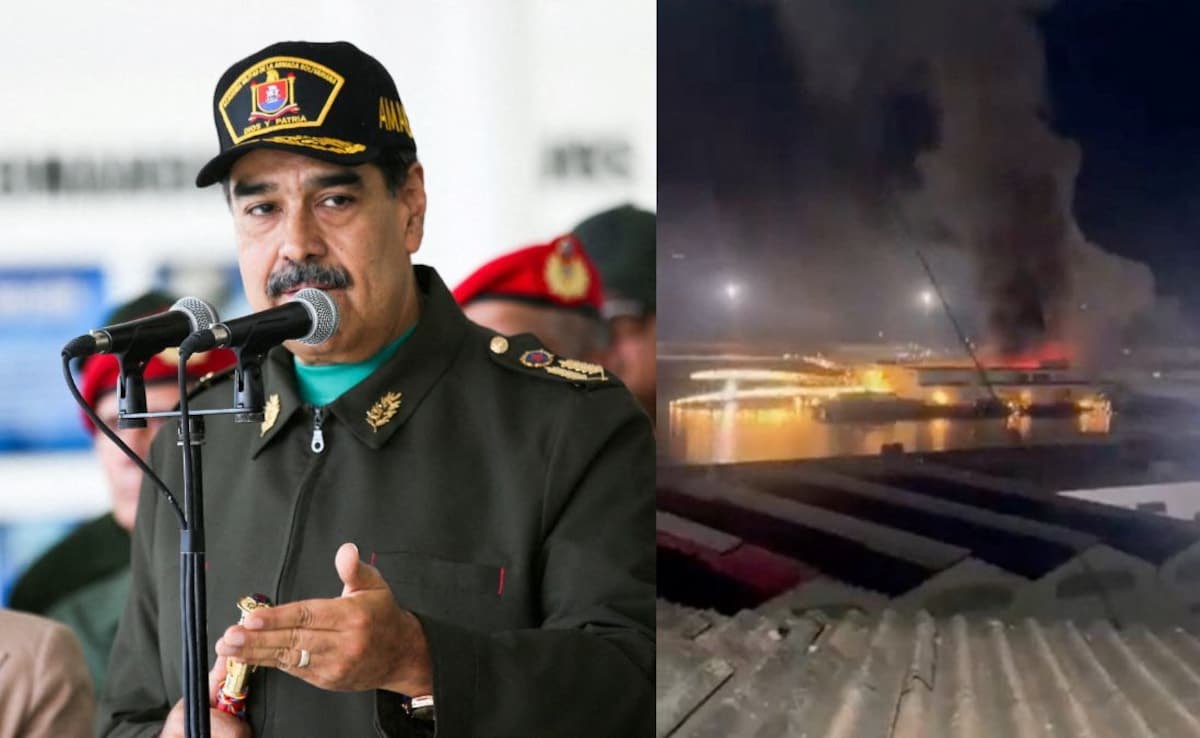
As the dust settles on this historic military strike, the world now turns its eyes toward the American judicial system and the streets of Caracas. The capture of a sitting head of state marks a radical departure from traditional diplomacy, leaving the international community to grapple with the long-term consequences of such a bold intervention. Whether this move leads to a peaceful transition toward democracy or triggers a prolonged era of civil unrest and diplomatic isolation for the U.S. remains to be seen. In the coming days, the legal proceedings against Maduro and the response of the Venezuelan military will determine if this was a masterstroke of justice or the beginning of a deeper global crisis.
.jpeg)
Iran has warned the conflict could widen if U.S. strikes resume, as a pause in fighting raises cautious hopes for de-escalation.
.jpeg)
The Houthis claimed a missile strike on Saudi Arabia’s Jizan as the U.S. disabled a tanker allegedly attempting to breach its Iran blockade, even as Trump said talks with Tehran remain serious.
.jpeg)
Donald Trump said it is “not yet time” for a deal with Iran, signalling that negotiations will continue despite ongoing tensions.
.jpeg)
Bangladesh President Mohammad Shahabuddin has reportedly resigned amid rising political tensions and reports of Sheikh Hasina’s planned return.
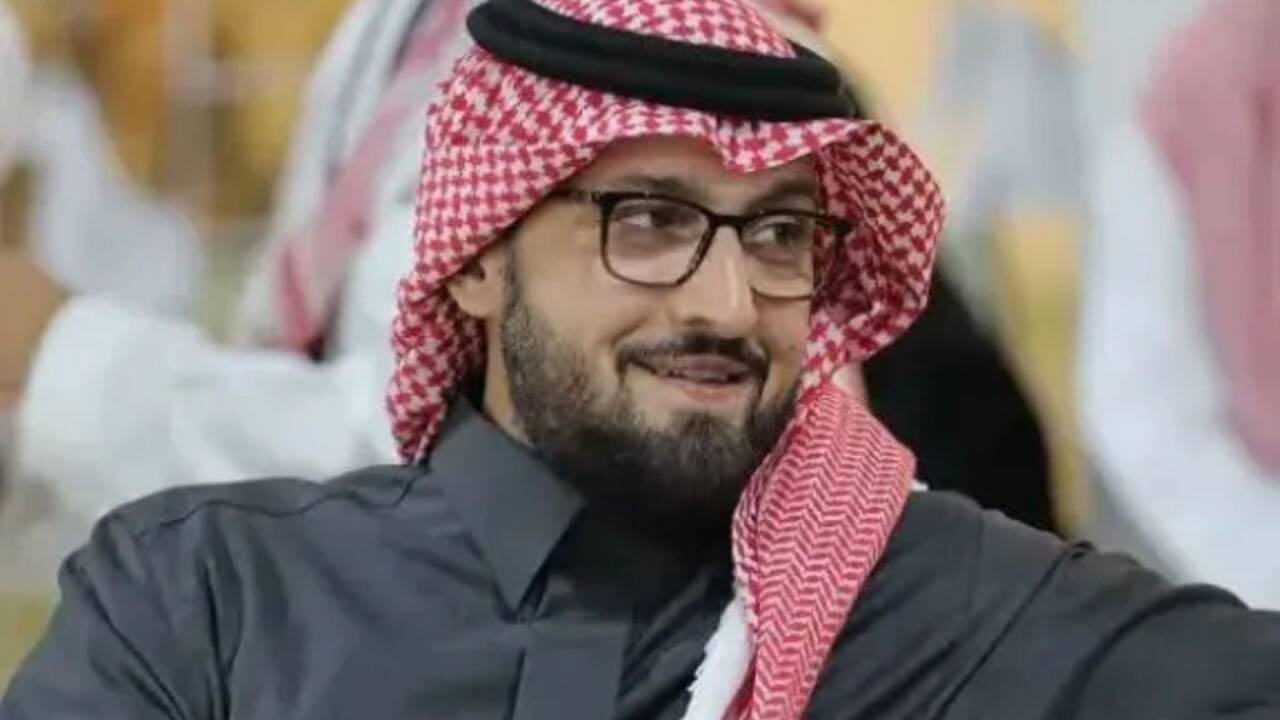
A UK inquest has ruled that Saudi Prince Abdullah bin Fahad bin Abdullah bin Abdulaziz bin Jalawi Al Saud died accidentally from a combination of alcohol, GHB and prescription medication.
The U.S. launched its 13th consecutive night of strikes on Iranian military targets, while President Donald Trump warned Tehran would “pay” for recent attacks on commercial shipping.
The Trump administration has introduced new 10%–12.5% tariffs on imports from 60 trading partners, citing forced-labor concerns as temporary U.S. tariffs expire.
.jpeg)
The U.S. and Saudi Arabia have signed a civilian nuclear cooperation agreement, paving the way for long-term nuclear energy collaboration while emphasizing nonproliferation safeguards.
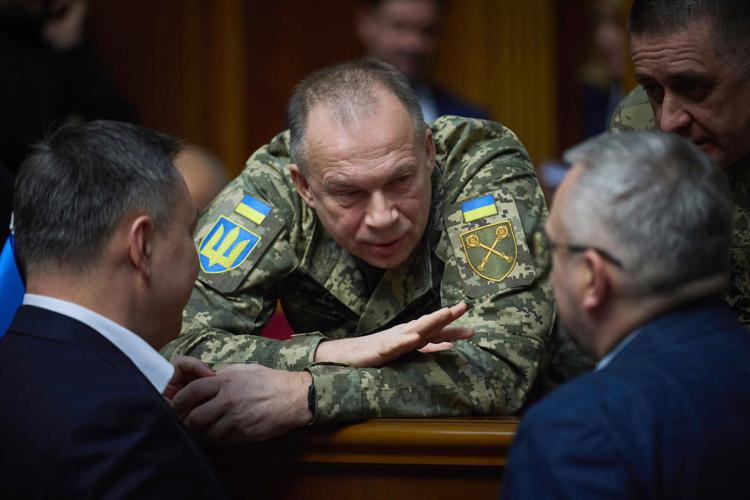
Ukrainian President Volodymyr Zelenskyy has appointed Mykhailo Drapatyi as the new army chief, replacing Oleksandr Syrskyi following protests over military leadership and reform.
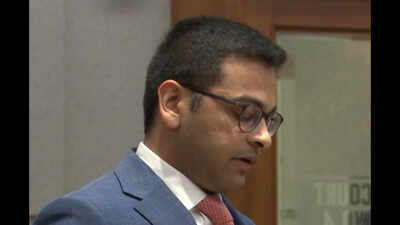
An Indian-origin doctor in Ohio has been sentenced to six months in prison for secretly recording hospital staff in a restroom, after pleading guilty to voyeurism and evidence tampering.
.jpeg)
Pakistan has reportedly sought a $10 billion U.S. exchange stabilisation facility to strengthen its foreign exchange reserves, support the rupee, and ease pressure on its struggling economy.
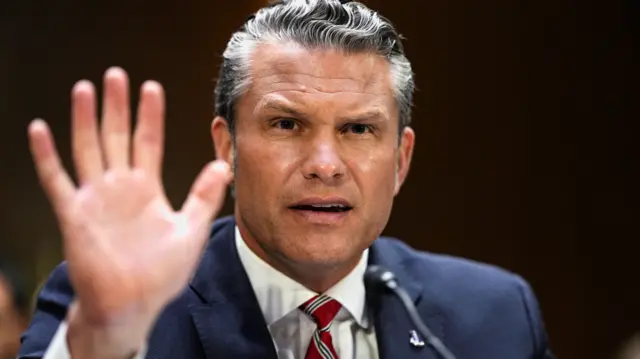
U.S. Defence Secretary Pete Hegseth said the conflict with Iran has cost the U.S. about $37.5 billion, as American strikes entered their 11th consecutive day.
.jpeg)
A reported Houthi blockade targeting Saudi-linked shipping in the Red Sea could disrupt oil exports, raise shipping costs, and increase pressure on global energy markets.
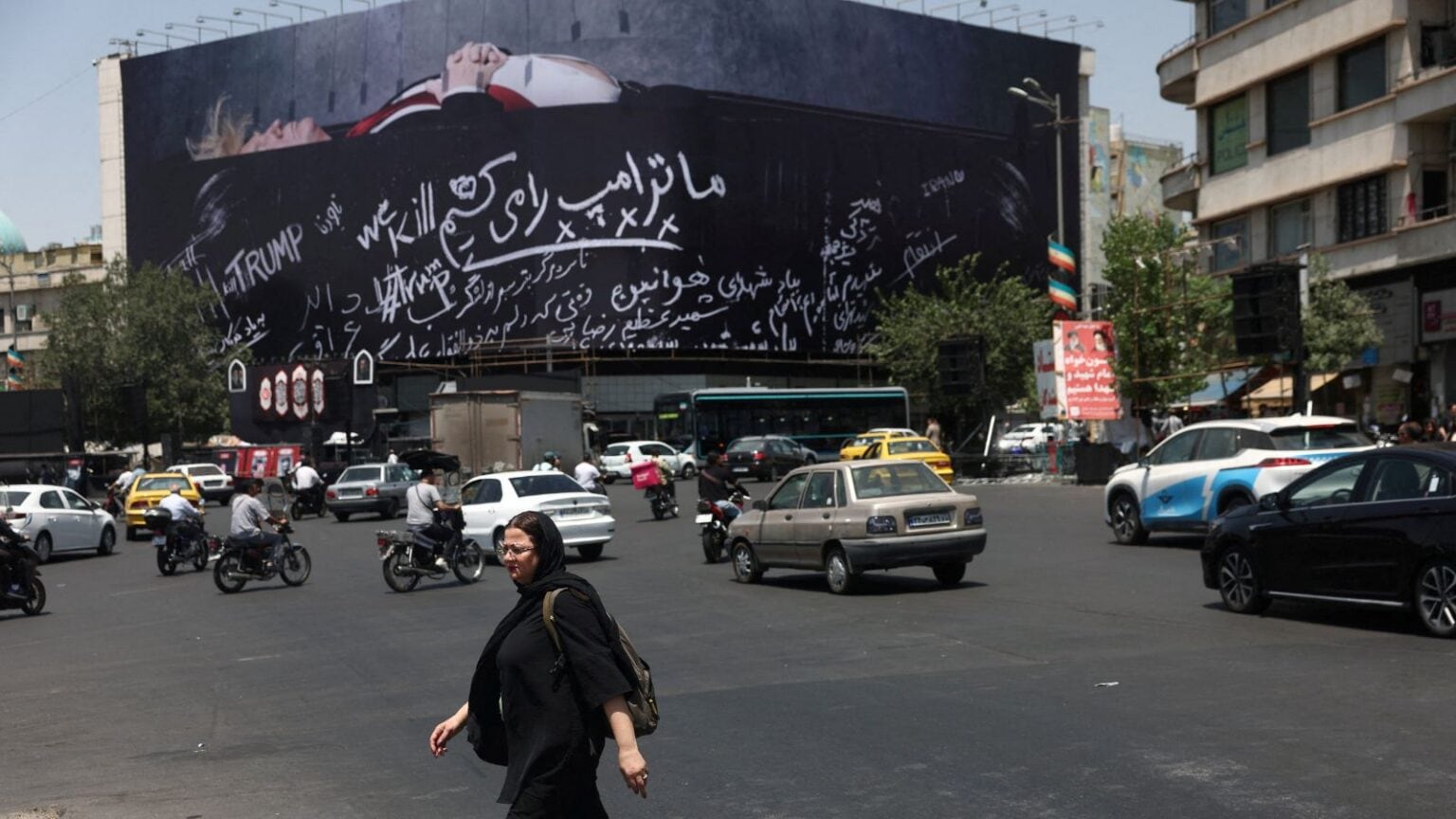
Iran says it targeted U.S.-linked sites in Bahrain and Kuwait after fresh American strikes on southern Iran, further escalating tensions across the Gulf and the Strait of Hormuz.
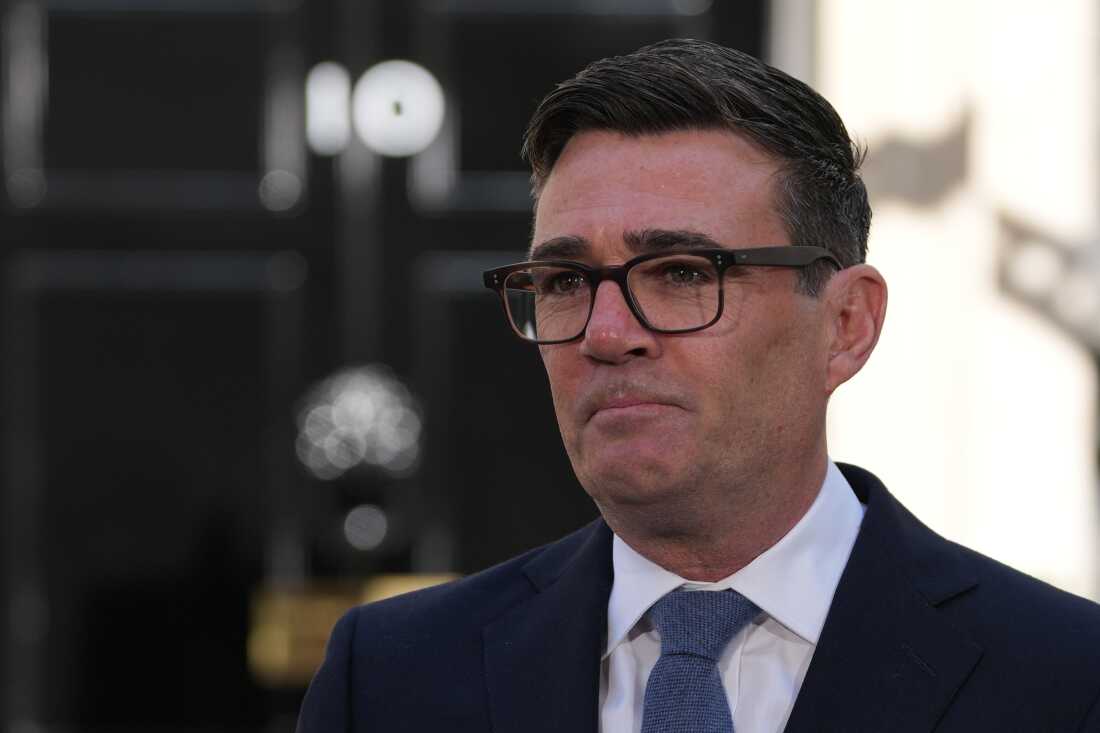
Andy Burnham has been sworn in as the U.K.'s new Prime Minister, promising a new social and political model focused on stability, fairness and long-term reform.

.jpeg)
Donald Trump has again claimed credit for the India-Pakistan ceasefire as part o...
.jpeg)
Fresh U.S. airstrikes in Iran reportedly killed 14 people, prompting Iranian ret...
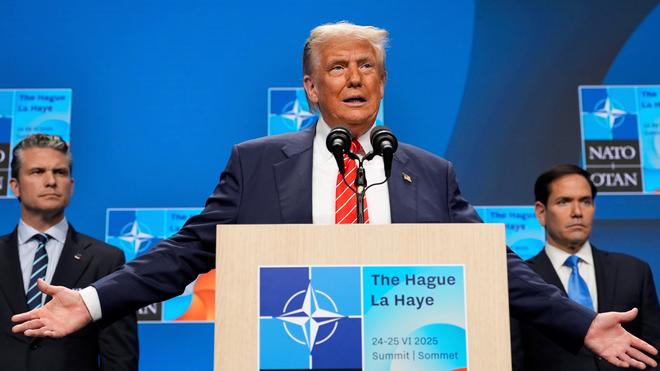
President Donald Trump claimed he is Iran’s “No. 1 target” after security measur...
.jpeg)
Three people were killed in U.S. strikes in western Iran as tensions escalated f...
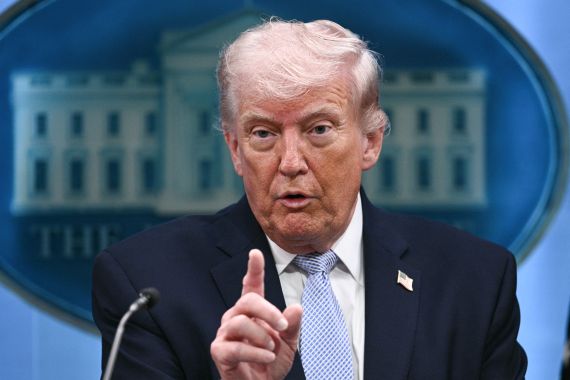
President Donald Trump said the Iran ceasefire is “over” following fresh U.S. st...