.jpeg)
Swapna Kumbar , Bengaluru - The US military redirected 48 vessels in the Persian Gulf primarily through the Strait of Hormuz over the past 20 days to enforce its naval blockade of Iranian ports, US Central Command (CENTCOM) announced on May 2. Ships were halted and rerouted for compliance checks on Iranian maritime links, amid fragile ceasefire holding but rising tensions over stalled Pakistan mediated talks.
CENTCOM's X post highlighted USS New Orleans (LPD-18) operations in the Arabian Sea, confirming all 48 diversions ensured no Iranian port access under sanctions and post ceasefire restrictions. The US insists its actions target Tehran specific assets, not the full strait, countering Iran's claims of Hormuz closure until blockade lifts. Recent transits like India's Sarv Shakti LPG tanker show selective allowances for non Iranian vessels. Escalations include Iranian warnings of renewed conflict, Trump's rejection of Hormuz first proposals, and mutual blockade accusations poisoning diplomacy. With global energy routes choked, oil/LPG prices surge; US actions signal no easing until Iran complies on missiles/nuclear curbs, per Defense Sec. Hegseth's testimony.
Global shipping data shows Hormuz traffic down 85% from pre crisis peaks, with only 12 non Iranian transits (like India's Sarv Shakti LPG tanker) succeeding via humanitarian windows coordinated by Oman/Qatar. Reroutes via Africa's Cape of Good Hope add 10-14 days and 20% fuel costs, spiking Brent crude to $105/bbl and India's LPG inflation to 18%. Insurers now demand war-risk premiums triple pre war levels, stranding 200+ vessels in the Gulf.
CENTCOM's 48 vessel redirections underscore US commitment to Iran port isolation without full Hormuz shutdown, but risk provoking Tehran's retaliation as ceasefire frays. Amid failed Islamabad talks, this maritime chess game threatens oil shocks unless breakthroughs restore traffic vital for India and global markets.
.jpeg)
Trump cited India’s voter-ID system while backing the SAVE America Act, highlighting differences in voting rules between the two countries.
.jpeg)
A Russian missile strike hit Lakshmi Mittal-linked ArcelorMittal’s steel plant in Ukraine, killing two and injuring several others as the war escalates.
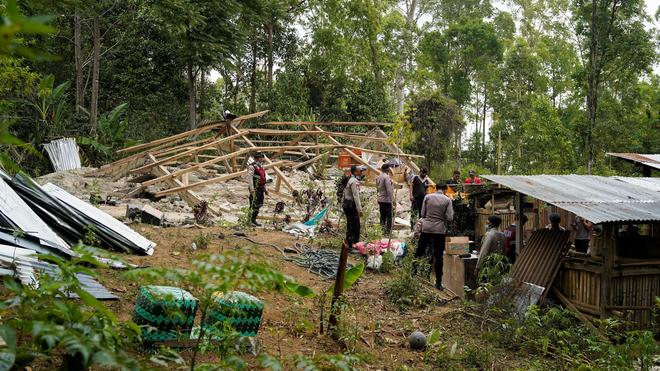
A powerful earthquake in Indonesia has killed 53 people and forced around 5,000 to evacuate, as aftershocks and landslides hamper rescue efforts.

Instagram Unveils New Logo After 10 Years
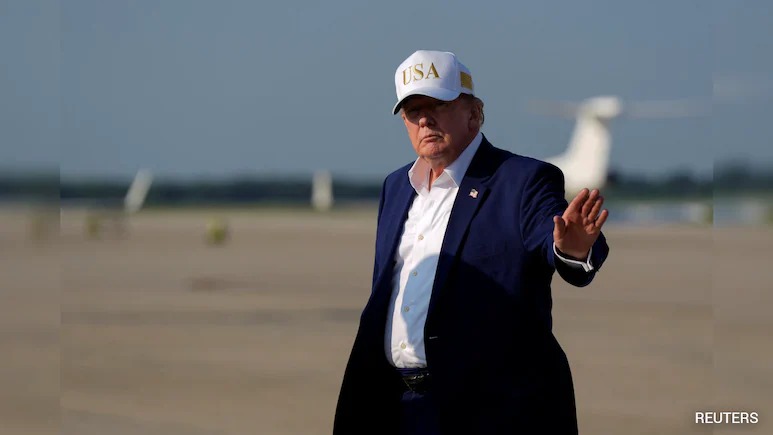
An unverified Israeli warning about an alleged Iranian plot against Trump reportedly triggered a secret jet switch in Turkey, highlighting heightened tensions and security concerns between Washington and Tehran.
US officials say Trump-Modi ties remain strong despite the dispute over India’s Russian oil purchases and tariffs. Both sides are expected to keep negotiating for a trade compromise.

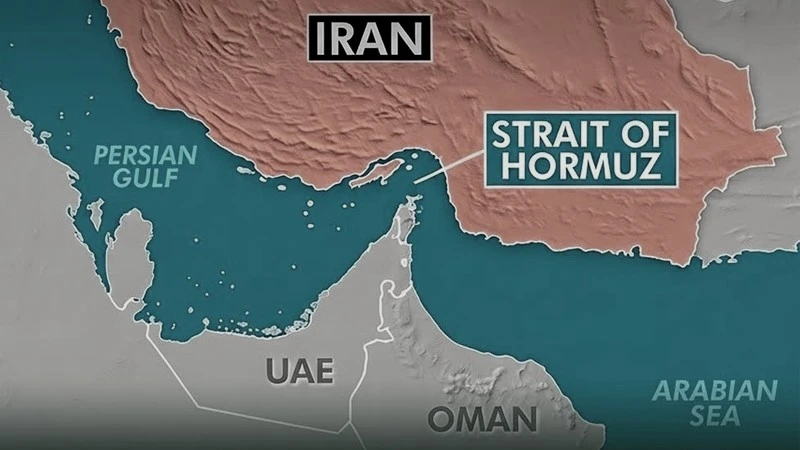
Iran, Oman and the U.S. are reportedly close to a Strait of Hormuz agreement tha...
.jpeg)
Fresh U.S. airstrikes in Iran reportedly killed 14 people, prompting Iranian ret...
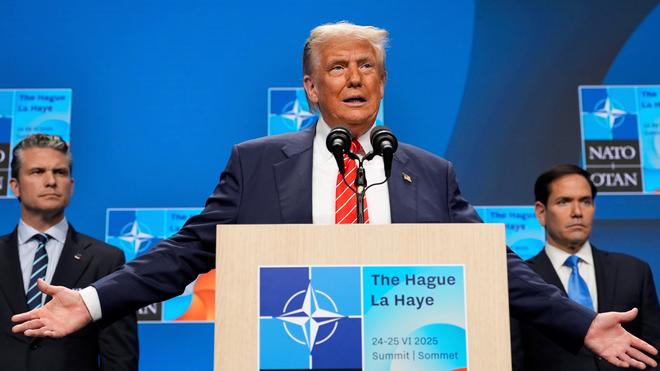
President Donald Trump claimed he is Iran’s “No. 1 target” after security measur...
.jpeg)
Three people were killed in U.S. strikes in western Iran as tensions escalated f...
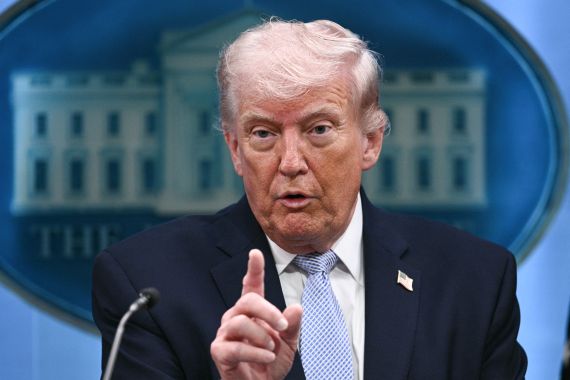
President Donald Trump said the Iran ceasefire is “over” following fresh U.S. st...