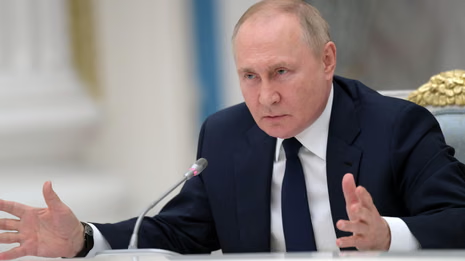
Swapna Kumbar , Bengaluru - Russian President Vladimir Putin has claimed that the Ukraine conflict is “winding down,” while accusing Western governments of prolonging the war through continued military backing of Kyiv. Speaking during a high-level security meeting, Putin argued that increasing international pressure on Russia had failed to change Moscow’s strategic objectives and insisted that negotiations could move forward only under conditions acceptable to both sides.
Putin said Russia remains open to diplomatic engagement but stressed that any direct meeting with Ukrainian President Volodymyr Zelenskyy would happen only after negotiators finalize the framework for a potential peace agreement. According to Russian officials, Moscow wants guarantees related to territorial control, NATO expansion, and long term security arrangements before formal talks between the two leaders can take place. Putin also suggested that a neutral third country could host such a summit if progress is achieved in backchannel discussions. At the same time, the Russian President strongly criticized the United States and European allies for supplying weapons and financial aid to Ukraine, claiming Western involvement had intensified and extended the conflict unnecessarily. Kyiv and its allies, however, continue to reject Russia’s territorial demands and insist that any peace process must respect Ukraine’s sovereignty and internationally recognized borders. Analysts say despite increasing diplomatic rhetoric from both sides, major disagreements over occupied territories and security guarantees remain key obstacles to a lasting ceasefire.
Putin’s remarks signal renewed diplomatic positioning from Moscow as the prolonged war enters another uncertain phase. While both Russia and Ukraine continue discussing possible negotiation channels, the path toward peace remains highly complicated, with deep mistrust and unresolved territorial disputes still standing in the way of a comprehensive settlement.
.jpeg)
Trump cited India’s voter-ID system while backing the SAVE America Act, highlighting differences in voting rules between the two countries.
.jpeg)
A Russian missile strike hit Lakshmi Mittal-linked ArcelorMittal’s steel plant in Ukraine, killing two and injuring several others as the war escalates.
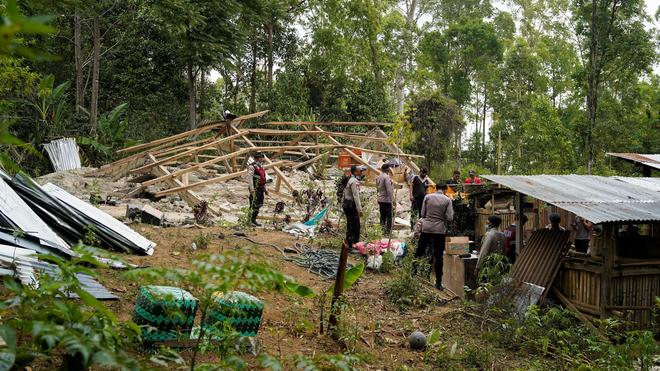
A powerful earthquake in Indonesia has killed 53 people and forced around 5,000 to evacuate, as aftershocks and landslides hamper rescue efforts.

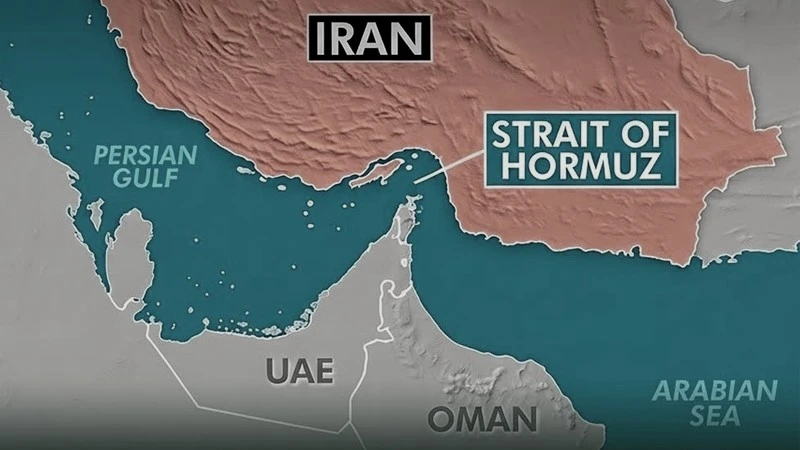
Iran, Oman and the U.S. are reportedly close to a Strait of Hormuz agreement tha...
.jpeg)
Fresh U.S. airstrikes in Iran reportedly killed 14 people, prompting Iranian ret...
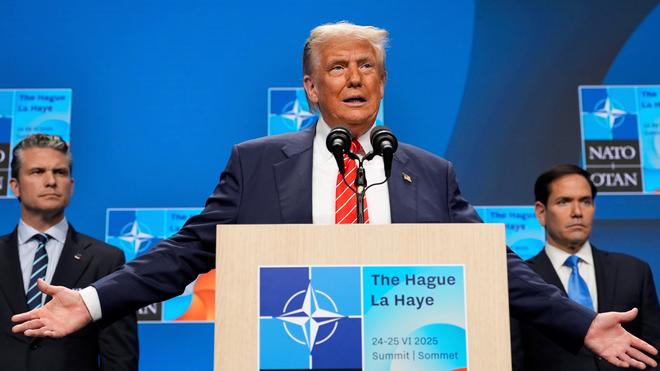
President Donald Trump claimed he is Iran’s “No. 1 target” after security measur...
.jpeg)
Three people were killed in U.S. strikes in western Iran as tensions escalated f...
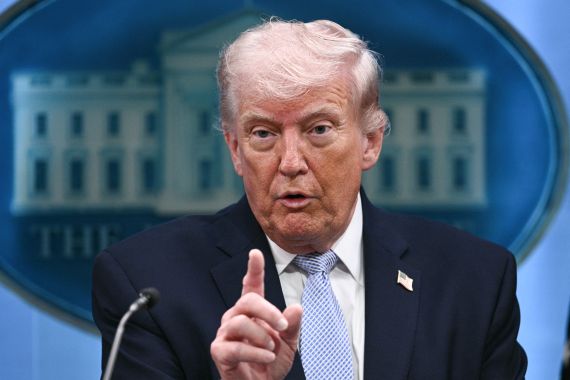
President Donald Trump said the Iran ceasefire is “over” following fresh U.S. st...