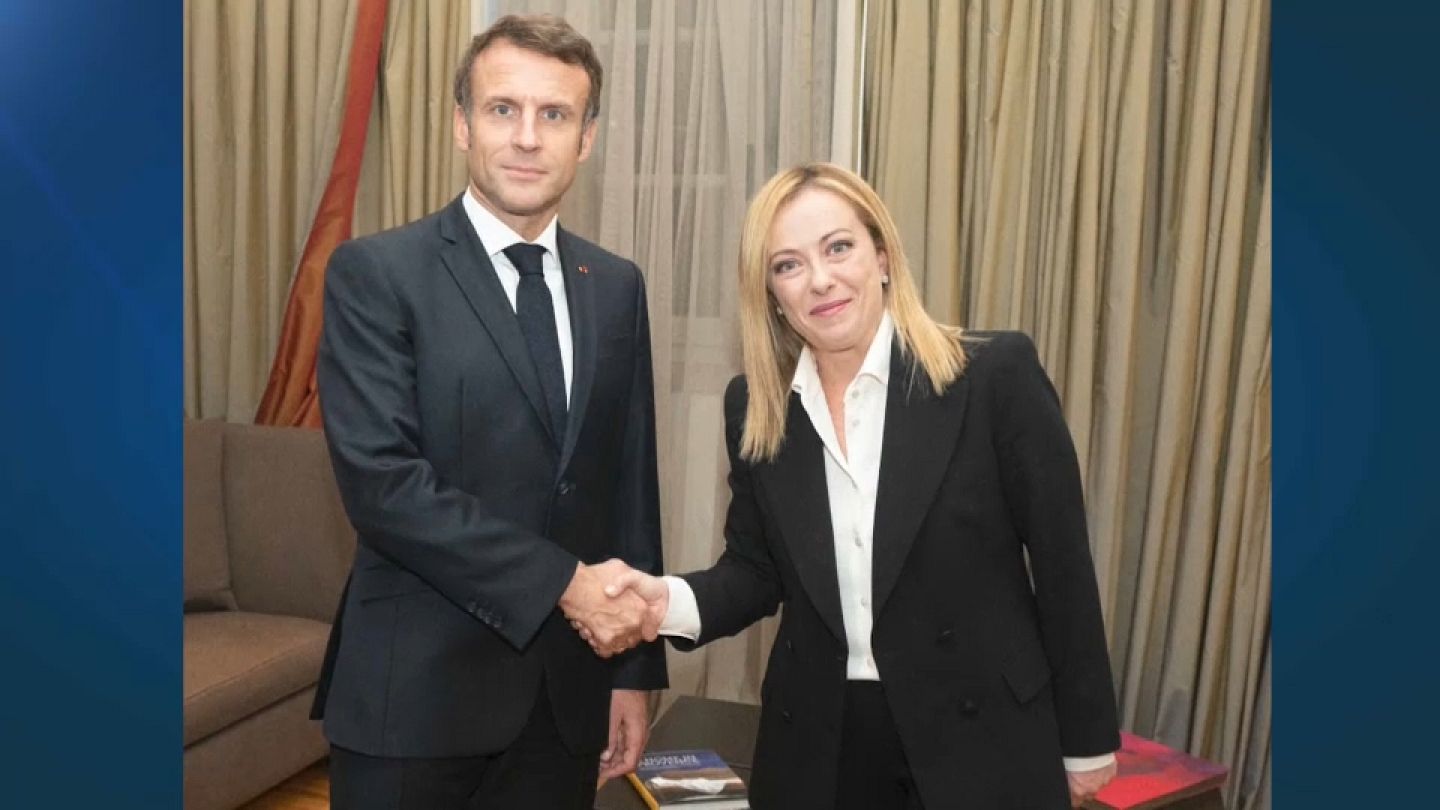
Ahead of a scheduled meeting with former US President Donald Trump, Italian Prime Minister Giorgia Meloni and French President Emmanuel Macron clashed over the issue of deploying European troops to Ukraine, highlighting widening divisions within the West on the ongoing war.
Meloni strongly ruled out any possibility of Italy sending troops to Ukraine, citing concerns over escalating tensions with Russia. She reminded Macron of Moscow’s military power and criticised the plan for a ground deployment, calling it counterproductive. Her remarks reflect Italy’s consistent stance of supporting Kyiv diplomatically and economically, while avoiding direct military engagement.
In contrast, Macron has urged Europe to prepare for a possible ground mission, arguing that the continent must be ready to respond more decisively in support of Ukraine. He has repeatedly stressed the need for stronger European defence capabilities independent of the United States, suggesting that the war demands a firmer commitment from NATO allies.
The disagreement underscores a broader split within NATO and the European Union. While countries like France push for deeper involvement, others, including Italy, are cautious about provoking direct confrontation with Russia. Analysts warn that such divisions risk undermining Western unity against Moscow at a critical time, as the conflict enters a prolonged phase.
The contrasting positions of Meloni and Macron highlight the strategic dilemma facing Europe: balancing strong support for Ukraine with the dangers of direct escalation. The debate also comes as NATO prepares to reassess its future role in the conflict.
.jpeg)
Trump cited India’s voter-ID system while backing the SAVE America Act, highlighting differences in voting rules between the two countries.
.jpeg)
A Russian missile strike hit Lakshmi Mittal-linked ArcelorMittal’s steel plant in Ukraine, killing two and injuring several others as the war escalates.
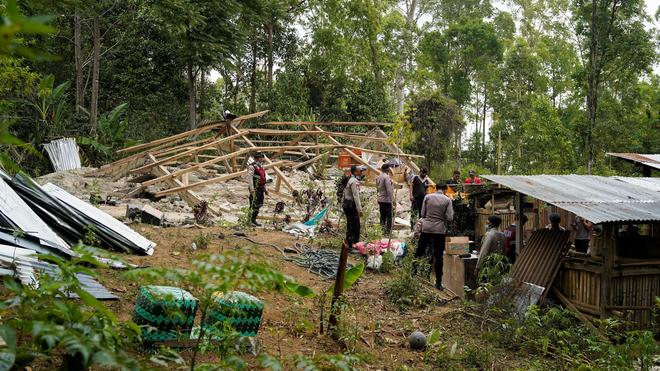
A powerful earthquake in Indonesia has killed 53 people and forced around 5,000 to evacuate, as aftershocks and landslides hamper rescue efforts.

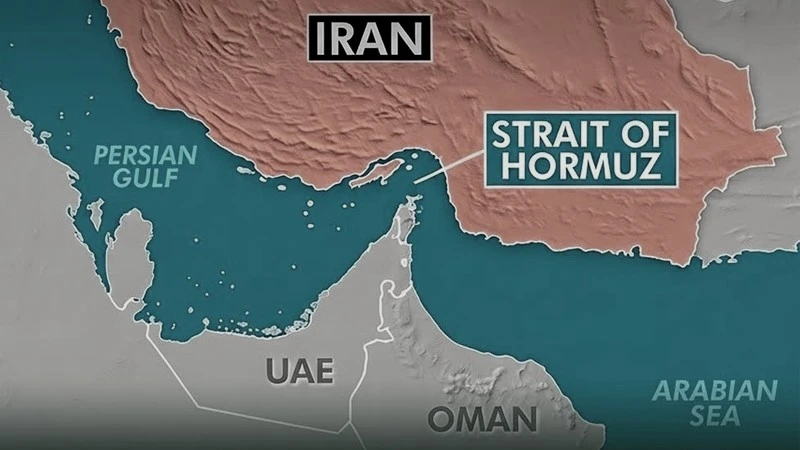
Iran, Oman and the U.S. are reportedly close to a Strait of Hormuz agreement tha...
.jpeg)
Fresh U.S. airstrikes in Iran reportedly killed 14 people, prompting Iranian ret...
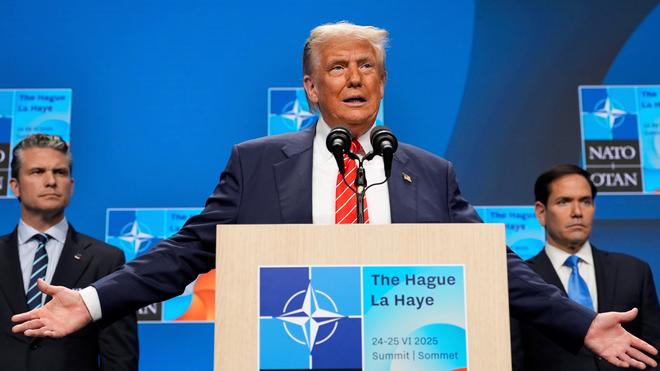
President Donald Trump claimed he is Iran’s “No. 1 target” after security measur...
.jpeg)
Three people were killed in U.S. strikes in western Iran as tensions escalated f...
President Donald Trump said the Iran ceasefire is “over” following fresh U.S. st...