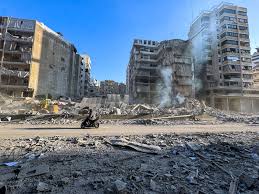
Swapna Kumbar , Bengaluru - The Israel Defense Forces (IDF) issued urgent evacuation warnings for multiple villages in southern Lebanon, signaling possible new military operations against Hezbollah targets amid escalating regional tensions tied to the Iran-Israel war. Residents were instructed to move at least 1,000 meters away from affected areas as fears of renewed cross border fighting grow.
Israeli military spokesperson Avichay Adraee announced the evacuation orders through Arabic language social media posts, warning civilians to leave villages and towns where Hezbollah fighters and infrastructure were allegedly active. The warnings come despite a ceasefire brokered in April intended to reduce hostilities between Israel and Hezbollah. Israeli officials accused Hezbollah of violating the truce through continued militant activity near the border, while Lebanese authorities condemned repeated Israeli strikes and incursions into southern Lebanon. Reports indicate Israeli airstrikes and artillery attacks have continued across several areas in recent days, with growing civilian displacement and infrastructure damage raising international concern. Analysts warn that the expanding operations in Lebanon could further widen the regional conflict already fueled by direct tensions between Israel, Iran, and US backed military actions in the Middle East.
The latest evacuation orders underline the fragility of the Israel-Hezbollah ceasefire and highlight fears that the broader Iran-Israel conflict could pull Lebanon deeper into another devastating war. International leaders continue urging restraint, but repeated military escalation on multiple fronts is increasing uncertainty across the region.
.jpeg)
Trump cited India’s voter-ID system while backing the SAVE America Act, highlighting differences in voting rules between the two countries.
.jpeg)
A Russian missile strike hit Lakshmi Mittal-linked ArcelorMittal’s steel plant in Ukraine, killing two and injuring several others as the war escalates.
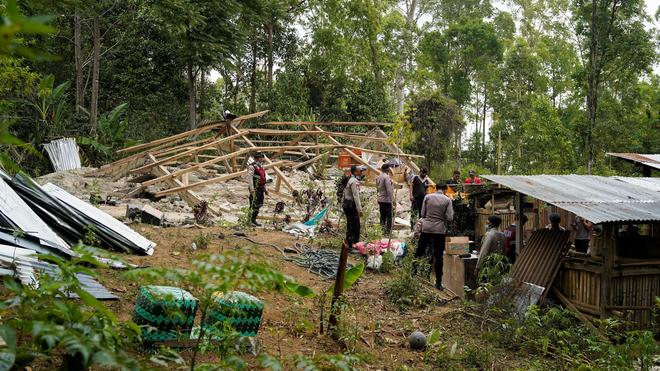
A powerful earthquake in Indonesia has killed 53 people and forced around 5,000 to evacuate, as aftershocks and landslides hamper rescue efforts.

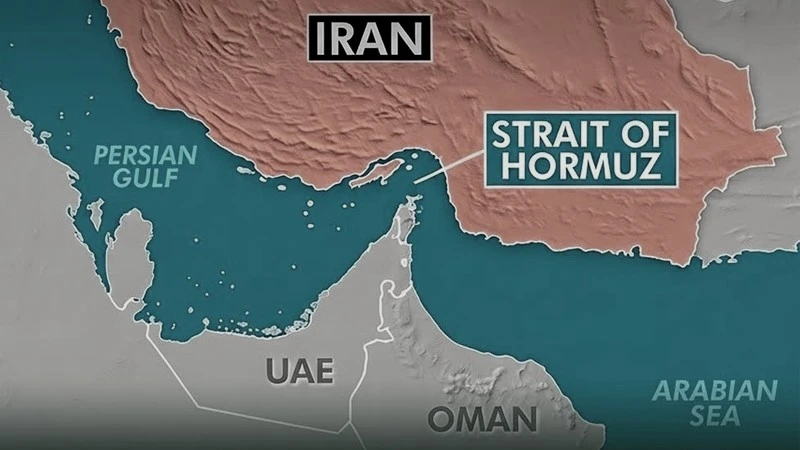
Iran, Oman and the U.S. are reportedly close to a Strait of Hormuz agreement tha...
.jpeg)
Fresh U.S. airstrikes in Iran reportedly killed 14 people, prompting Iranian ret...

President Donald Trump claimed he is Iran’s “No. 1 target” after security measur...
.jpeg)
Three people were killed in U.S. strikes in western Iran as tensions escalated f...

President Donald Trump said the Iran ceasefire is “over” following fresh U.S. st...