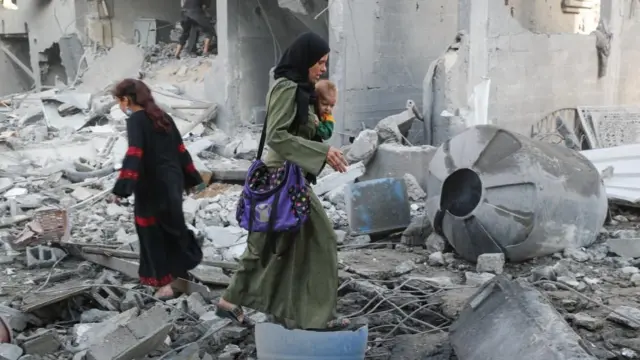
Hamas has agreed to a fresh ceasefire plan for Gaza without seeking any amendments, raising hopes for a possible breakthrough in ending more than 22 months of fighting. The decision follows renewed international diplomatic efforts aimed at halting the prolonged conflict that has devastated the region.
According to mediators, this is the first time in months that Hamas has accepted a proposal in full, without requesting changes. The move is being viewed as a significant step towards reaching a sustainable truce. The ceasefire framework, details of which have not been fully disclosed, is expected to include provisions for halting hostilities, allowing humanitarian aid into Gaza, and creating conditions for long-term stability.
The conflict, which began nearly two years ago, has resulted in heavy casualties and severe humanitarian crises, with Gaza facing shortages of food, medical supplies, and electricity. International agencies have repeatedly warned of worsening living conditions for civilians trapped in the violence.
Diplomatic efforts have intensified in recent weeks, with regional players and global powers pushing both sides to compromise. Analysts believe Hamas’s acceptance signals growing pressure from within Gaza, as well as increasing calls from the international community for an immediate end to the bloodshed.
Attention now shifts to whether Israel and other involved stakeholders will agree to the terms and move forward with the ceasefire implementation. Observers note that while the acceptance is a positive step, sustaining peace will depend on trust, compliance, and broader political dialogue.
.jpeg)
Trump cited India’s voter-ID system while backing the SAVE America Act, highlighting differences in voting rules between the two countries.
.jpeg)
A Russian missile strike hit Lakshmi Mittal-linked ArcelorMittal’s steel plant in Ukraine, killing two and injuring several others as the war escalates.
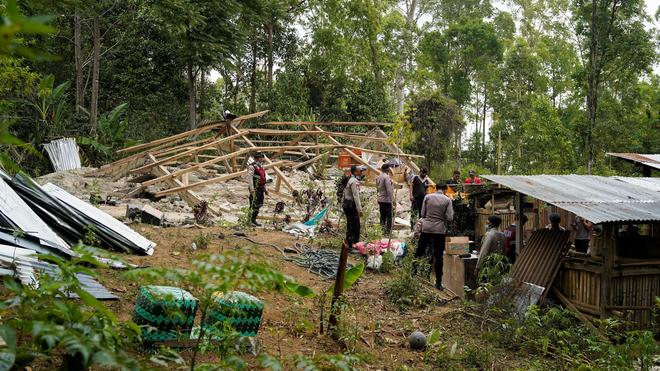
A powerful earthquake in Indonesia has killed 53 people and forced around 5,000 to evacuate, as aftershocks and landslides hamper rescue efforts.

Instagram Unveils New Logo After 10 Years
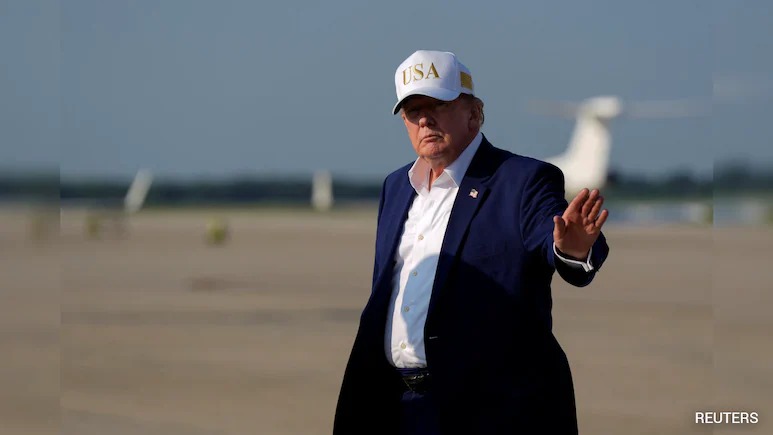
An unverified Israeli warning about an alleged Iranian plot against Trump reportedly triggered a secret jet switch in Turkey, highlighting heightened tensions and security concerns between Washington and Tehran.
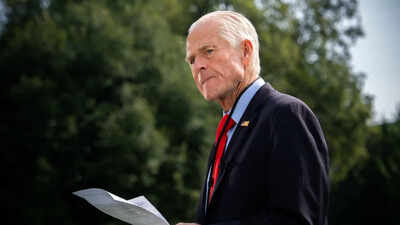
US officials say Trump-Modi ties remain strong despite the dispute over India’s Russian oil purchases and tariffs. Both sides are expected to keep negotiating for a trade compromise.

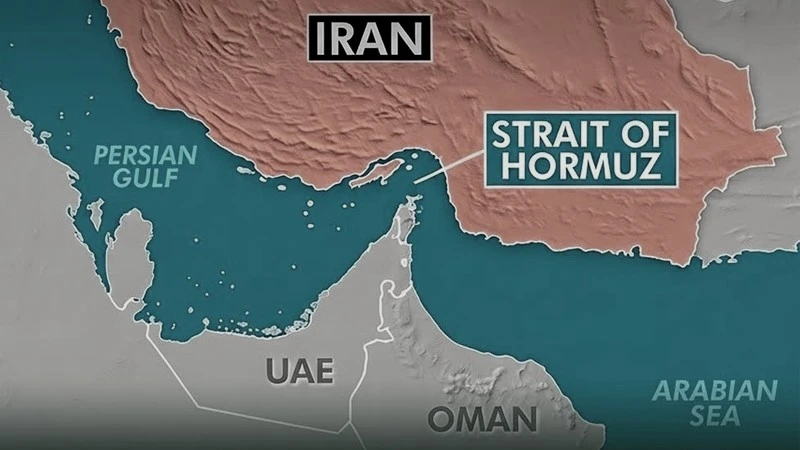
Iran, Oman and the U.S. are reportedly close to a Strait of Hormuz agreement tha...
.jpeg)
Fresh U.S. airstrikes in Iran reportedly killed 14 people, prompting Iranian ret...
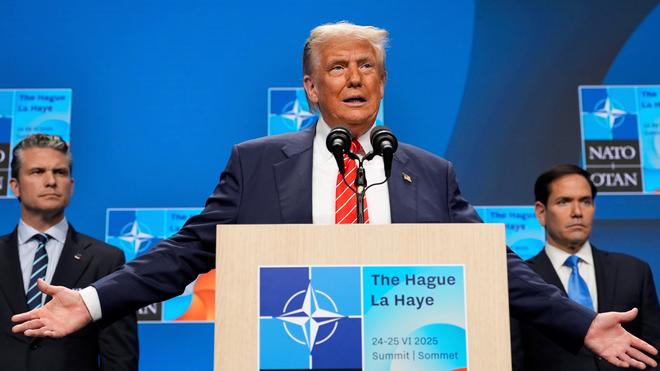
President Donald Trump claimed he is Iran’s “No. 1 target” after security measur...
.jpeg)
Three people were killed in U.S. strikes in western Iran as tensions escalated f...
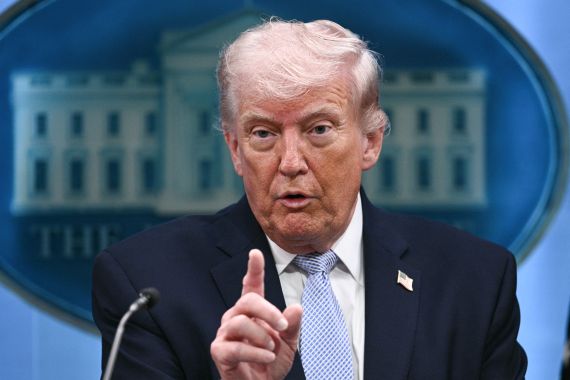
President Donald Trump said the Iran ceasefire is “over” following fresh U.S. st...