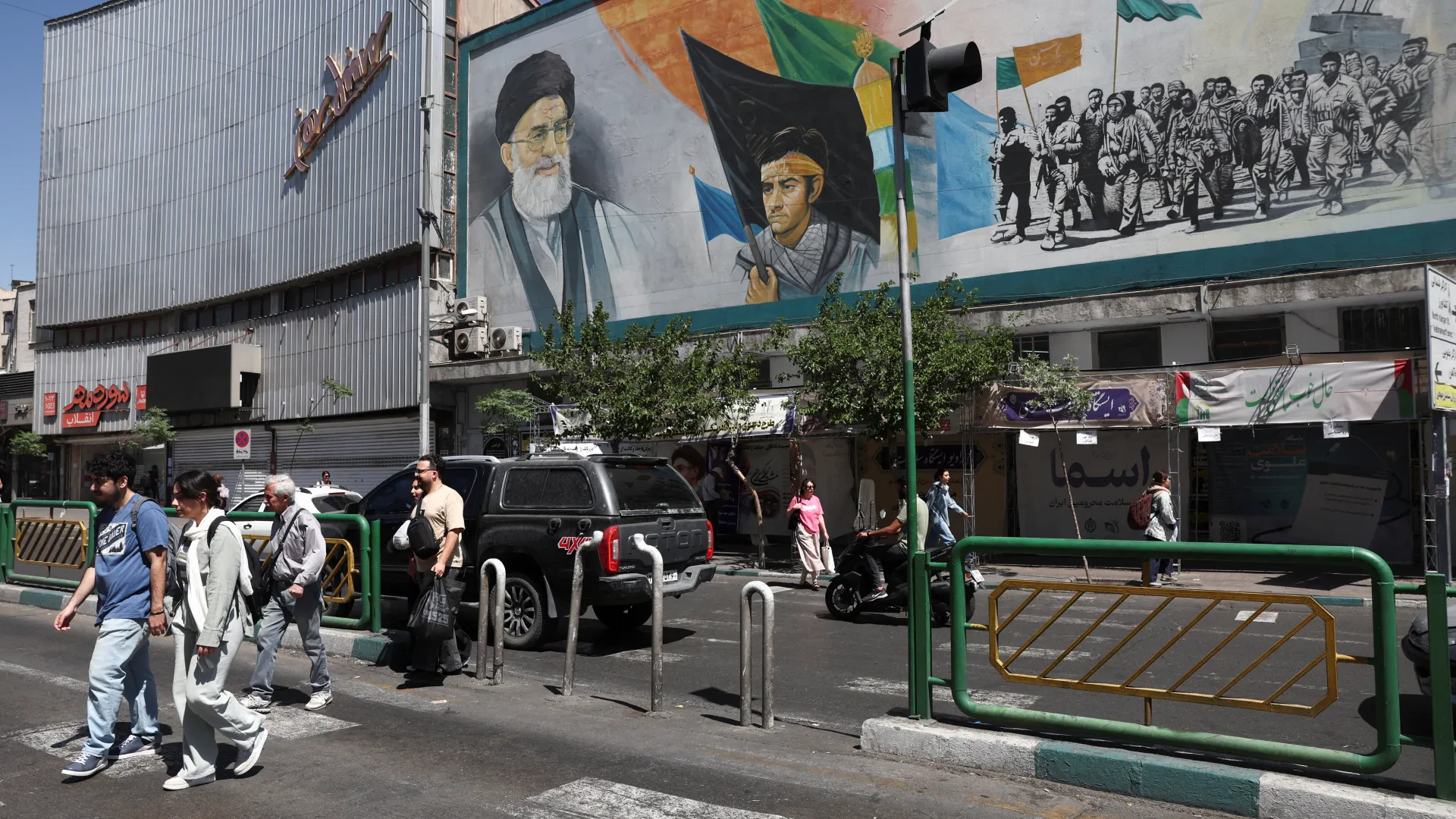
Swapna Kumbar , Bengaluru - Fresh diplomatic efforts are underway in Doha as senior Iranian officials engage in intensive negotiations with Qatar’s Prime Minister to explore a possible framework for ending the ongoing US-Iran conflict and reopening the strategically critical Strait of Hormuz. The talks come after Donald Trump claimed that a preliminary peace understanding was “largely negotiated,” raising hopes of a breakthrough in one of the world’s most closely watched geopolitical crises. However, Iranian officials have urged caution, saying major disagreements still remain unresolved.
According to reports, the Doha negotiations are focusing on ceasefire guarantees, reopening Gulf shipping routes, sanctions relief, and the future structure of nuclear negotiations between Tehran and Washington. Qatar has emerged as a key mediator alongside Pakistan and several Gulf countries attempting to stabilize the fragile regional situation. Trump recently stated that the agreement was “largely negotiated” and suggested that final details could be announced soon, including steps toward reopening the Strait of Hormuz, which carries a major share of the world’s oil shipments.
Despite the optimism from Washington, Iranian officials have publicly downplayed expectations of an immediate breakthrough. Tehran acknowledged that progress had been made but stressed that the current discussions remain only a framework for further negotiations rather than a finalized peace settlement. Iranian representatives also warned that unresolved disputes over maritime controls, sanctions, uranium enrichment, and security guarantees continue to complicate the process. Analysts say the cautious messaging reflects deep mistrust between both sides after months of military escalation, sanctions pressure, and disruptions in global energy markets caused by tensions around the Strait of Hormuz.
While the Doha talks have increased hopes for de-escalation, diplomats and analysts caution that the negotiations remain highly fragile. The outcome of the discussions could shape not only the future of US-Iran relations but also the stability of global oil markets and the wider geopolitical balance across West Asia.
.jpeg)
The Houthis claimed a missile strike on Saudi Arabia’s Jizan as the U.S. disabled a tanker allegedly attempting to breach its Iran blockade, even as Trump said talks with Tehran remain serious.
.jpeg)
Donald Trump said it is “not yet time” for a deal with Iran, signalling that negotiations will continue despite ongoing tensions.
.jpeg)
Bangladesh President Mohammad Shahabuddin has reportedly resigned amid rising political tensions and reports of Sheikh Hasina’s planned return.

A UK inquest has ruled that Saudi Prince Abdullah bin Fahad bin Abdullah bin Abdulaziz bin Jalawi Al Saud died accidentally from a combination of alcohol, GHB and prescription medication.
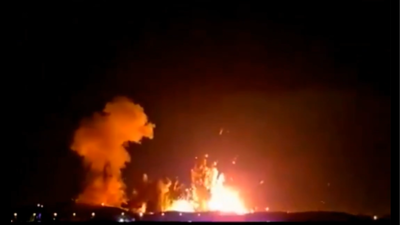
The U.S. launched its 13th consecutive night of strikes on Iranian military targets, while President Donald Trump warned Tehran would “pay” for recent attacks on commercial shipping.
The Trump administration has introduced new 10%–12.5% tariffs on imports from 60 trading partners, citing forced-labor concerns as temporary U.S. tariffs expire.
.jpeg)
The U.S. and Saudi Arabia have signed a civilian nuclear cooperation agreement, paving the way for long-term nuclear energy collaboration while emphasizing nonproliferation safeguards.
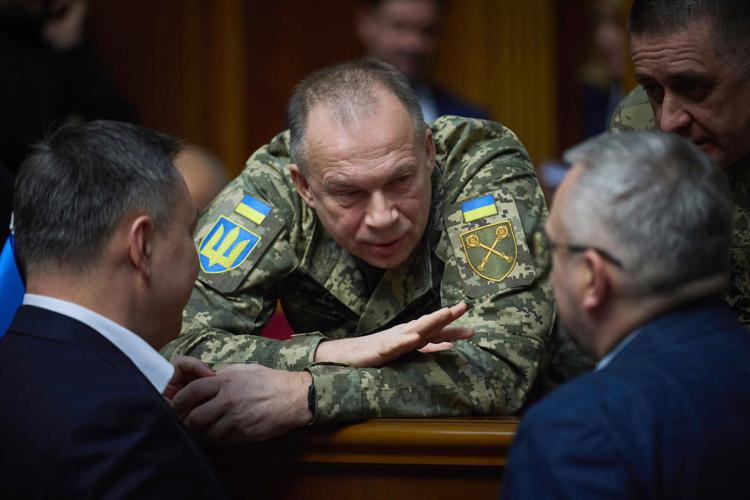
Ukrainian President Volodymyr Zelenskyy has appointed Mykhailo Drapatyi as the new army chief, replacing Oleksandr Syrskyi following protests over military leadership and reform.
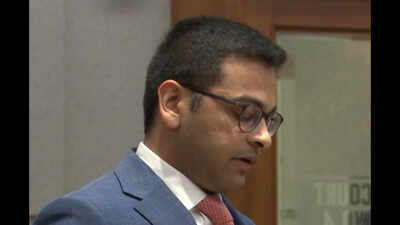
An Indian-origin doctor in Ohio has been sentenced to six months in prison for secretly recording hospital staff in a restroom, after pleading guilty to voyeurism and evidence tampering.
.jpeg)
Pakistan has reportedly sought a $10 billion U.S. exchange stabilisation facility to strengthen its foreign exchange reserves, support the rupee, and ease pressure on its struggling economy.
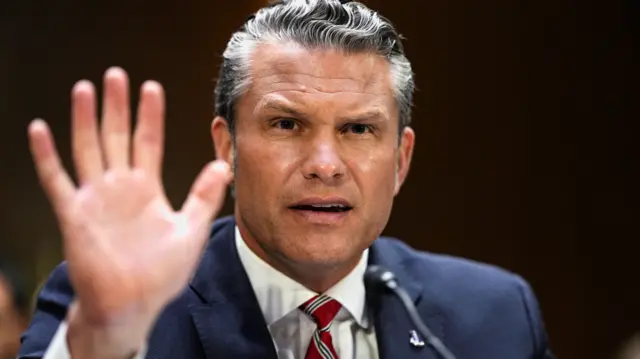
U.S. Defence Secretary Pete Hegseth said the conflict with Iran has cost the U.S. about $37.5 billion, as American strikes entered their 11th consecutive day.
.jpeg)
A reported Houthi blockade targeting Saudi-linked shipping in the Red Sea could disrupt oil exports, raise shipping costs, and increase pressure on global energy markets.
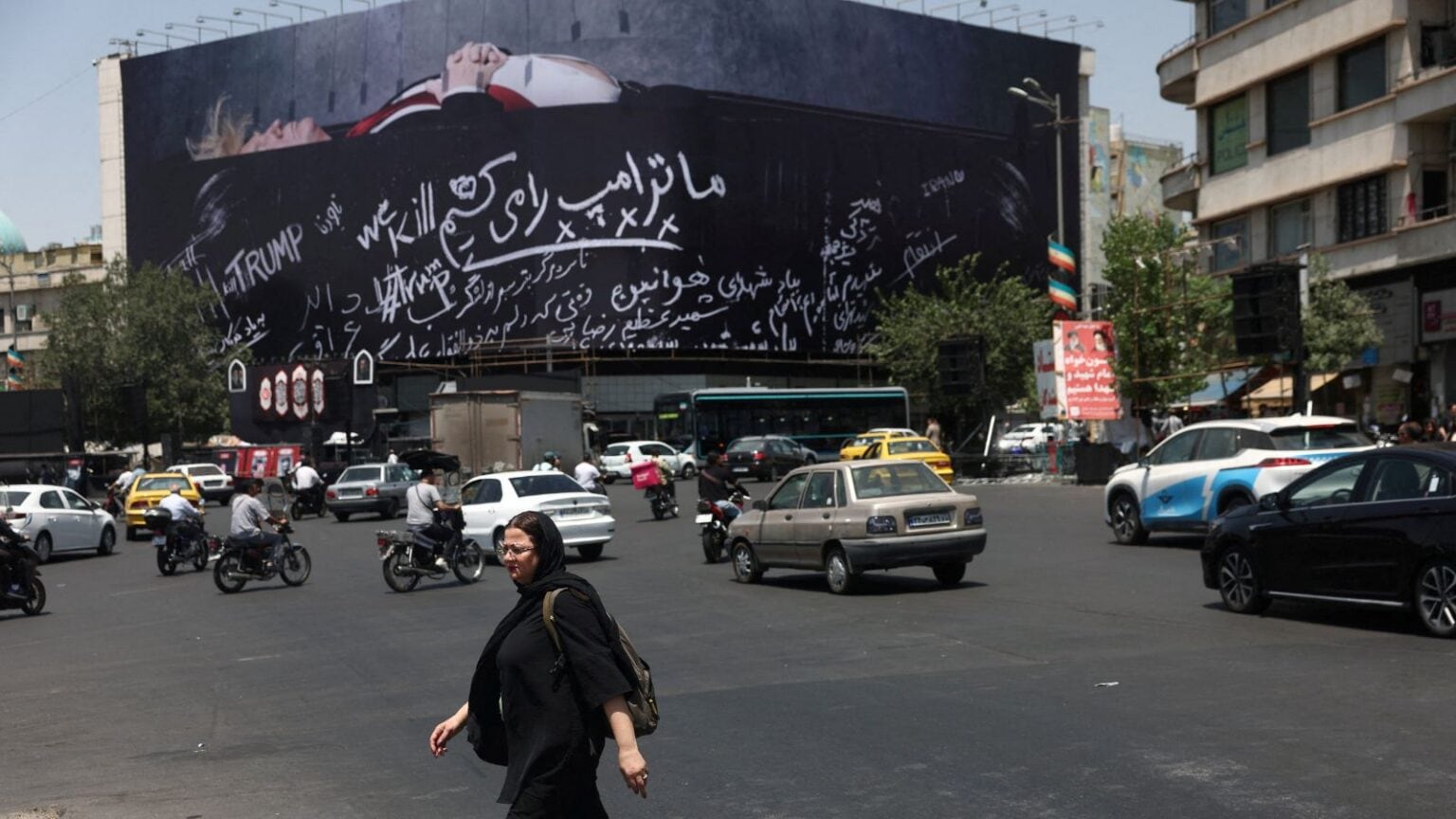
Iran says it targeted U.S.-linked sites in Bahrain and Kuwait after fresh American strikes on southern Iran, further escalating tensions across the Gulf and the Strait of Hormuz.
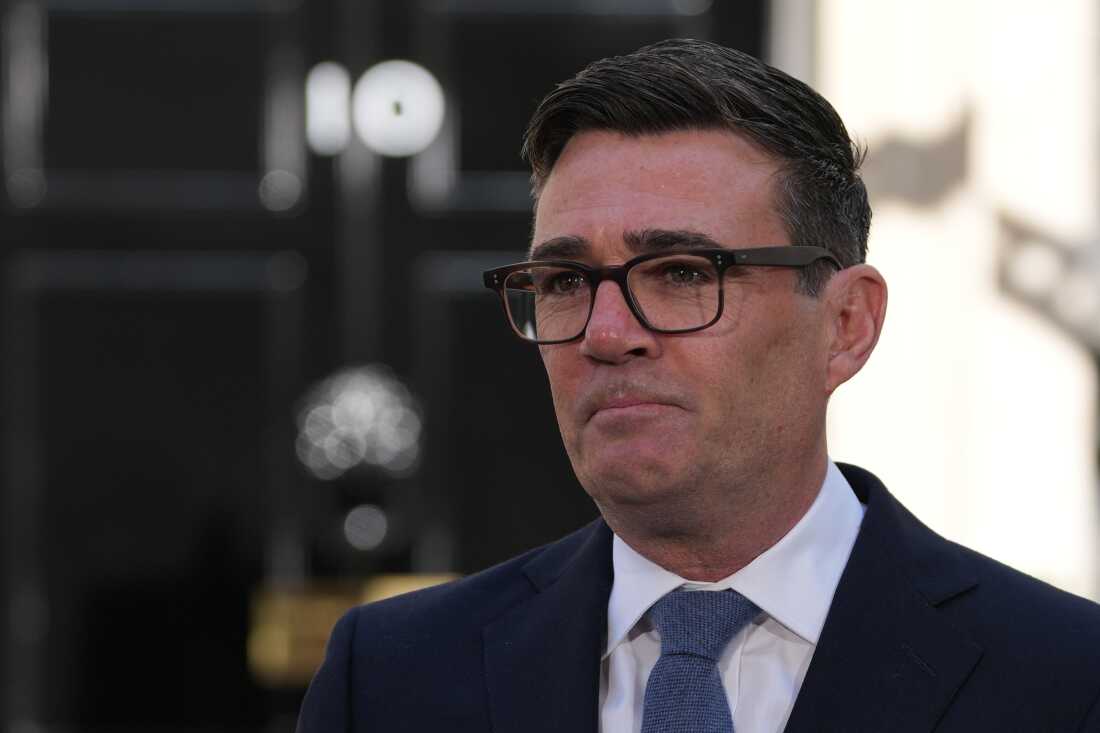
Andy Burnham has been sworn in as the U.K.'s new Prime Minister, promising a new social and political model focused on stability, fairness and long-term reform.
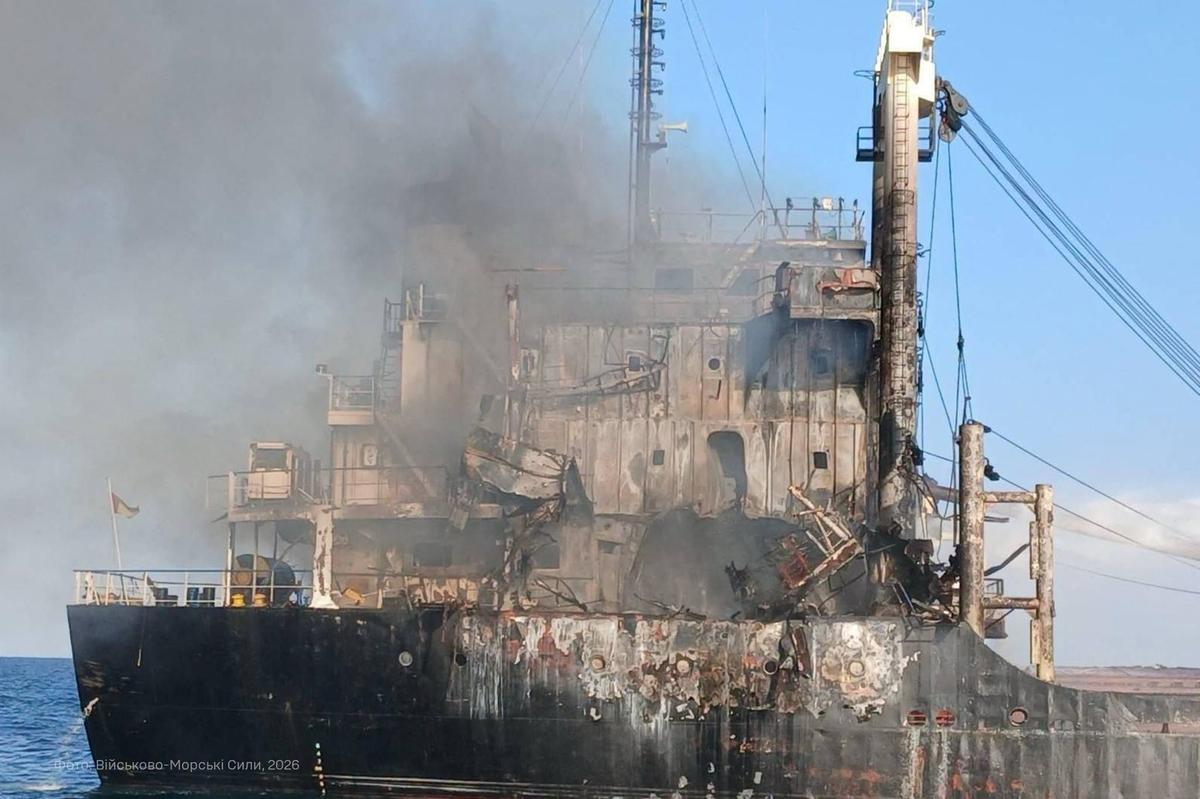
Four Indian seafarers were killed after a merchant vessel was attacked near Ukraine’s Odesa port, with one Indian critically injured and several crew members still missing.

.jpeg)
Donald Trump has again claimed credit for the India-Pakistan ceasefire as part o...
.jpeg)
Fresh U.S. airstrikes in Iran reportedly killed 14 people, prompting Iranian ret...
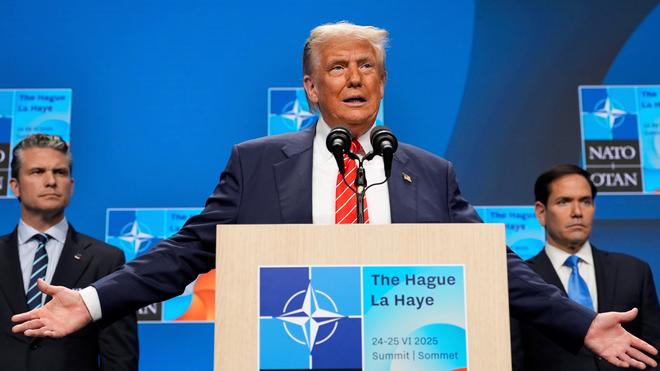
President Donald Trump claimed he is Iran’s “No. 1 target” after security measur...
.jpeg)
Three people were killed in U.S. strikes in western Iran as tensions escalated f...
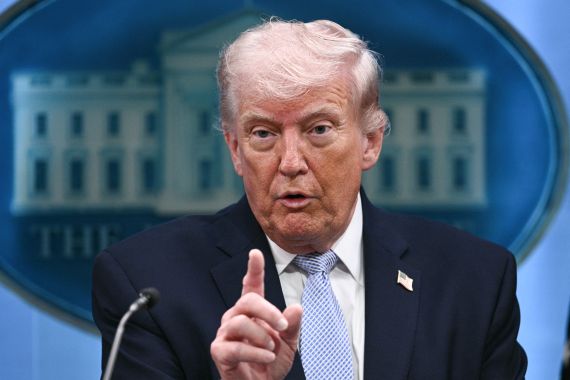
President Donald Trump said the Iran ceasefire is “over” following fresh U.S. st...