
News Desk - U.S. Vice President JD Vance touched down in Switzerland on Sunday, June 21, 2026, at Emmen Air Base in Zurich at 5:59 a.m. (0359 GMT) to begin peace negotiations with Iranian officials over the next few days, marking the formal launch of technical discussions on the fragile interim deal to end the war in Iran.
Vance, who arrived with his wife, is set to engage in what he described as "a day or two" of peace talks with Iran's foreign minister and parliament speaker, along with Iranian representatives, while special envoys Steve Witkoff and Jared Kushner are already in Switzerland prepared for negotiations. The negotiations will involve mediators from Pakistan and Qatar, with Pakistan having acted as a facilitator in the peace initiative, and technical discussions officially commenced on Sunday.
The Strait of Hormuz is the central focus of the talks, as the framework agreement signed last week says commercial vessels can pass through the Strait of Hormuz for 60 days without tolls, allowing Iran to sell oil freely, though it does not preclude future fees imposed by Iran. The proposed agreement includes provisions for the strait to reopen without tolls during the 60-day ceasefire, with negotiations on curbing Iran's nuclear program to follow and the U.S. lifting its blockade on Iranian ports. However, Iran has asserted that Israeli strikes breached the memorandum of understanding, and on Saturday, Iran's military claimed to have closed the Strait of Hormuz in retaliation, raising the stakes for these critical negotiations.
Vance's arrival in Switzerland marks the formal start of a critical 60-day negotiation sprint to finalize the Iran peace deal, with the Strait of Hormuz reopening and nuclear program curbs as the central issues. While the U.S. expresses confidence in making progress, Iran has warned it will only commit to a final agreement once it sees the U.S. honoring the deal's terms, and the recent closure of the Strait of Hormuz by Iran heightens the stakes for these negotiations.
.jpeg)
Trump cited India’s voter-ID system while backing the SAVE America Act, highlighting differences in voting rules between the two countries.
.jpeg)
A Russian missile strike hit Lakshmi Mittal-linked ArcelorMittal’s steel plant in Ukraine, killing two and injuring several others as the war escalates.
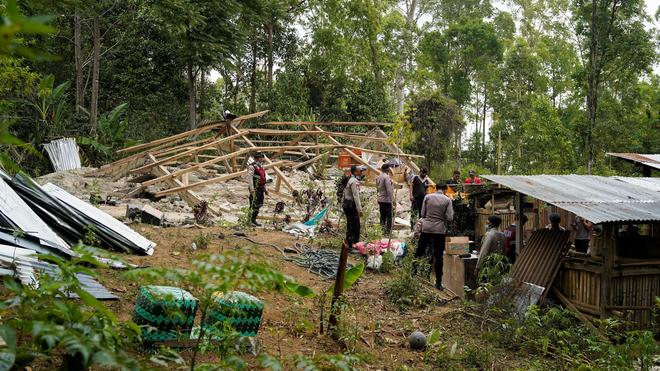
A powerful earthquake in Indonesia has killed 53 people and forced around 5,000 to evacuate, as aftershocks and landslides hamper rescue efforts.

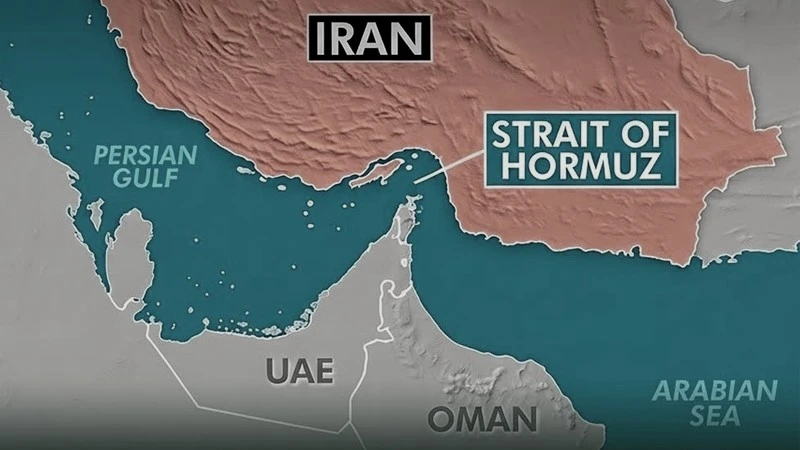
Iran, Oman and the U.S. are reportedly close to a Strait of Hormuz agreement tha...
.jpeg)
Fresh U.S. airstrikes in Iran reportedly killed 14 people, prompting Iranian ret...
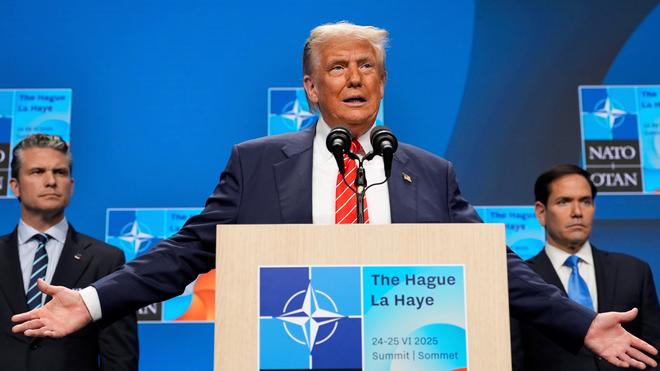
President Donald Trump claimed he is Iran’s “No. 1 target” after security measur...
.jpeg)
Three people were killed in U.S. strikes in western Iran as tensions escalated f...
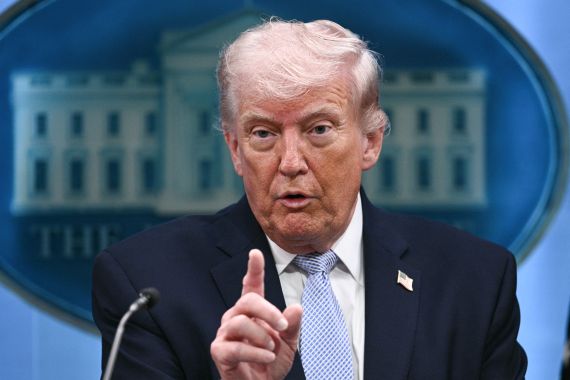
President Donald Trump said the Iran ceasefire is “over” following fresh U.S. st...