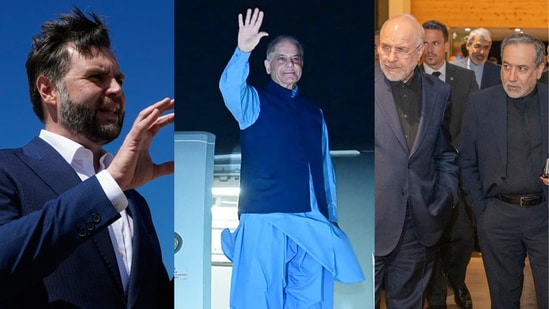
News Desk - Iran has declared that the "failure of the US to ensure a Lebanon ceasefire" will be the top priority during technical-level peace talks with the United States in Switzerland on Sunday, June 21, 2026, as continued Israeli strikes on Lebanon threaten to derail the fragile 14-point interim deal signed earlier this week.
An Iranian representative informed CNN that resolving the conflict in Lebanon is "the top priority on the Iranian delegation's agenda" in today's discussions, with an urgent meeting concerning Lebanon incorporated as the initial subject to be tackled at the Swiss negotiations. Foreign Ministry spokesman Esmaeil Baghaei stated that Tehran would raise what it described as Israeli violations of commitments linked to the agreement, saying "The Zionist regime continues to violate its commitment in Lebanon. This issue will be the main topic of discussion in today's talks".
Baghaei explicitly declared that "The US has been unable to ensure a ceasefire in Lebanon," emphasizing ongoing Israeli military operations in Lebanon as a violation of the first clause of the 14-point interim deal, which includes a ceasefire "on all fronts," including Lebanon. Along with Lebanon, Iran's key talking points include waivers for the sale of Iranian oil and the release of Tehran's frozen assets, while Iranian adviser Mohammad Mokhber accused the US of failing to implement the ceasefire commitment. Before the talks, Iran's negotiating delegation had suspended its trip to Switzerland over continuing Israeli attacks on southern Lebanon, warning that continued operations constituted a flagrant violation of the memorandum of understanding.
The stakes for the Switzerland talks are exceptionally high, as Iran has viewed the weekend meetings as essential to addressing unaddressed elements particularly concluding the war in Lebanon while the US has failed to enforce the ceasefire that was a key requirement of the peace agreement.
.jpeg)
Trump cited India’s voter-ID system while backing the SAVE America Act, highlighting differences in voting rules between the two countries.
.jpeg)
A Russian missile strike hit Lakshmi Mittal-linked ArcelorMittal’s steel plant in Ukraine, killing two and injuring several others as the war escalates.
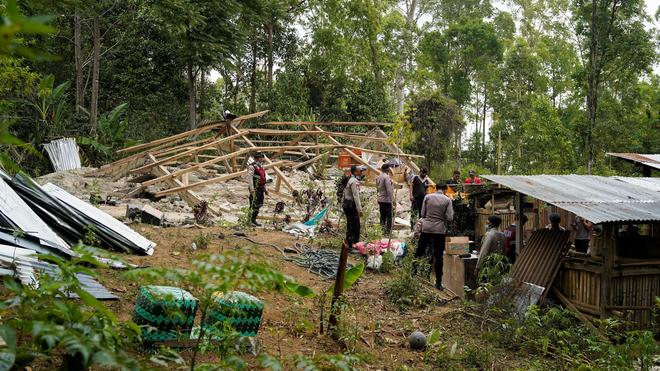
A powerful earthquake in Indonesia has killed 53 people and forced around 5,000 to evacuate, as aftershocks and landslides hamper rescue efforts.

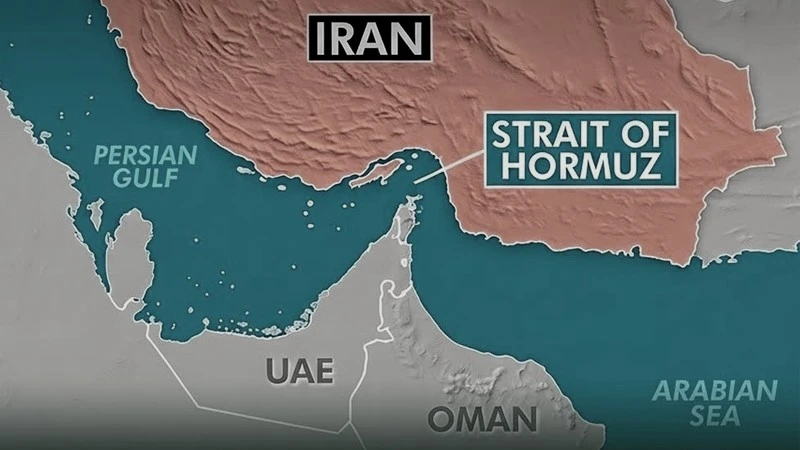
Iran, Oman and the U.S. are reportedly close to a Strait of Hormuz agreement tha...
.jpeg)
Fresh U.S. airstrikes in Iran reportedly killed 14 people, prompting Iranian ret...
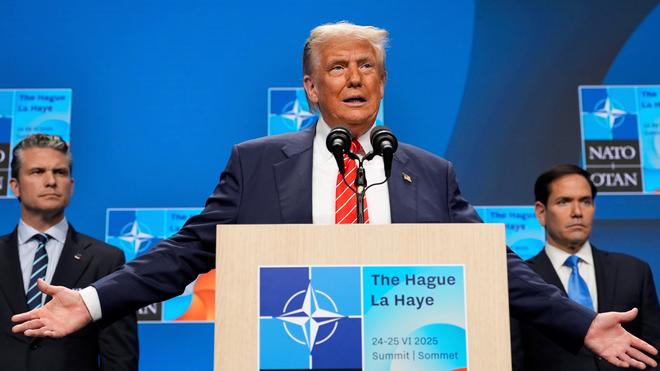
President Donald Trump claimed he is Iran’s “No. 1 target” after security measur...
.jpeg)
Three people were killed in U.S. strikes in western Iran as tensions escalated f...

President Donald Trump said the Iran ceasefire is “over” following fresh U.S. st...