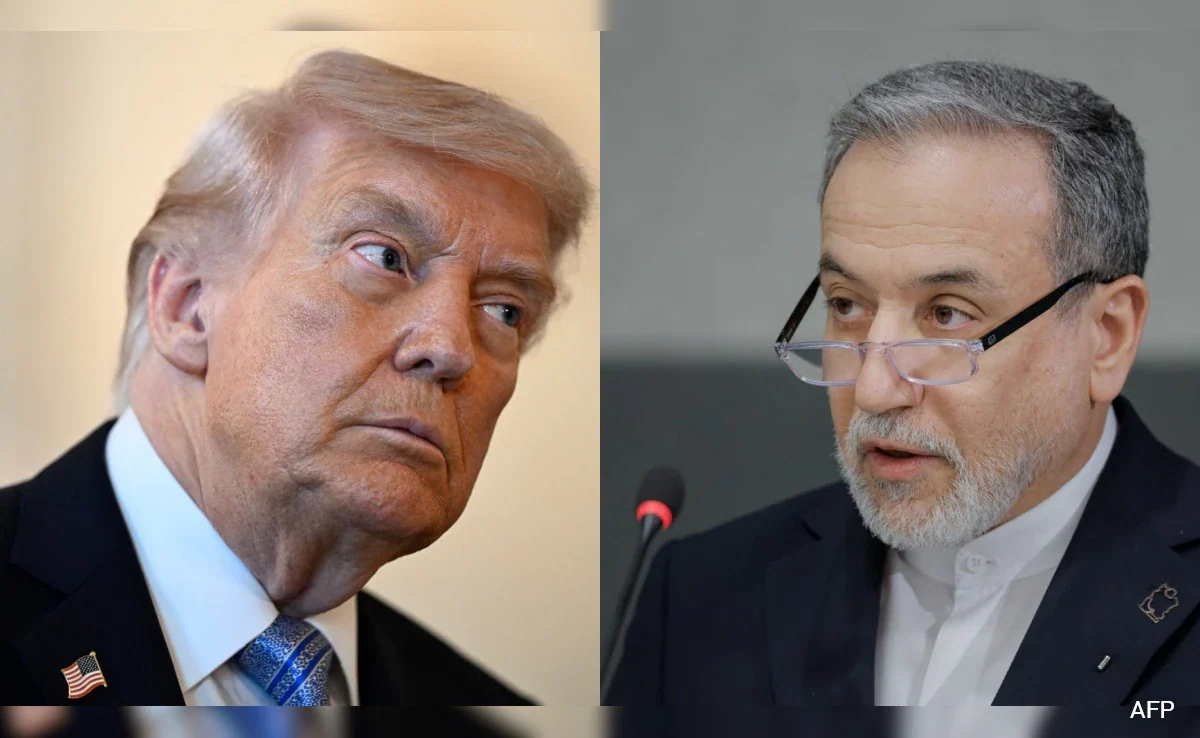
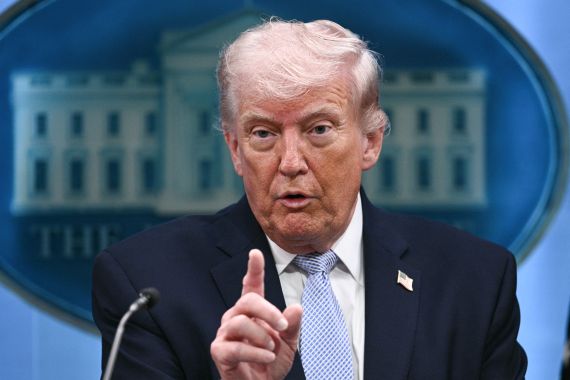
Swapna Kumbar , Bengaluru - Fresh uncertainty has gripped the Middle East after US President Donald Trump declared that the current ceasefire with Iran is on massive life support, raising fears that weeks of fragile calm could soon collapse into renewed conflict. The remarks came after Washington reportedly rejected Tehran’s latest counterproposal during indirect negotiations aimed at preventing another round of military escalation in the Gulf region. Trump’s comments immediately triggered strong reactions from Iranian officials, further deepening concerns over the future of diplomatic efforts that had temporarily paused hostilities following weeks of missile strikes, naval confrontations, and attacks on strategic infrastructure.
Speaking to reporters at the White House, Trump said Iran’s latest demands were totally unacceptable and warned that the United States was prepared to respond very strongly if Tehran returned to military escalation. According to sources familiar with the negotiations, Iran is seeking phased sanctions relief, security guarantees, compensation for war related damages, and recognition of its strategic role in the Strait of Hormuz before agreeing to broader concessions linked to its nuclear program and regional military activities. The ceasefire, brokered through backchannel diplomacy involving Gulf mediators and Pakistan, had reduced direct confrontations between US and Iranian forces over the past month, but tensions have continued to simmer beneath the surface. Iranian leaders accused Washington of using negotiations to pressure Tehran while continuing military operations and surveillance activities near Iranian waters.
Iranian parliamentary speaker Mohammad Bagher Ghalibaf responded sharply to Trump’s remarks, declaring that Iran’s armed forces remain fully prepared to respond and to teach a lesson for any aggression. His statement was accompanied by renewed military warnings from Iran’s Revolutionary Guard, which claimed the country had strengthened missile readiness and defensive deployments around key strategic sites. Analysts say the worsening rhetoric from both sides reflects the deep mistrust still dominating negotiations despite ongoing diplomatic contacts. The situation has already rattled global energy markets, with oil prices fluctuating amid fears that renewed fighting could threaten shipping routes through the Strait of Hormuz, a vital corridor for nearly one fifth of the world’s oil supply. International observers also warn that any collapse of the ceasefire could rapidly pull regional actors such as Israel, Hezbollah, and Gulf states into a wider confrontation.
The latest exchange of warnings between Washington and Tehran highlights how fragile the current ceasefire remains despite continued diplomatic engagement behind closed doors. While both sides publicly insist they do not seek a full scale war, their increasingly aggressive rhetoric and military positioning suggest the region remains dangerously close to another escalation. Analysts believe the coming days will be critical in determining whether negotiations can still produce a temporary settlement or whether the Middle East could once again slide into a broader and more unpredictable conflict with global economic and security consequences.
.jpeg)
Trump cited India’s voter-ID system while backing the SAVE America Act, highlighting differences in voting rules between the two countries.
.jpeg)
A Russian missile strike hit Lakshmi Mittal-linked ArcelorMittal’s steel plant in Ukraine, killing two and injuring several others as the war escalates.
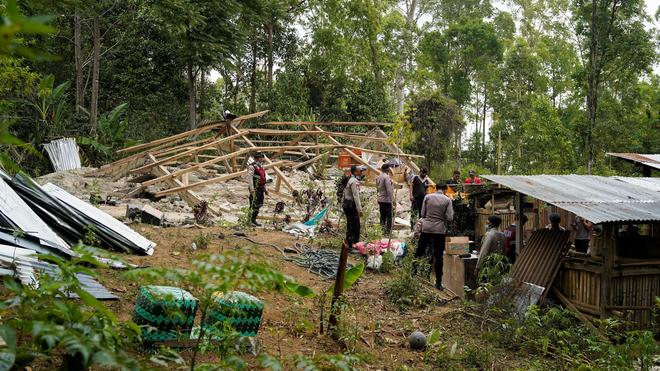
A powerful earthquake in Indonesia has killed 53 people and forced around 5,000 to evacuate, as aftershocks and landslides hamper rescue efforts.

Instagram Unveils New Logo After 10 Years

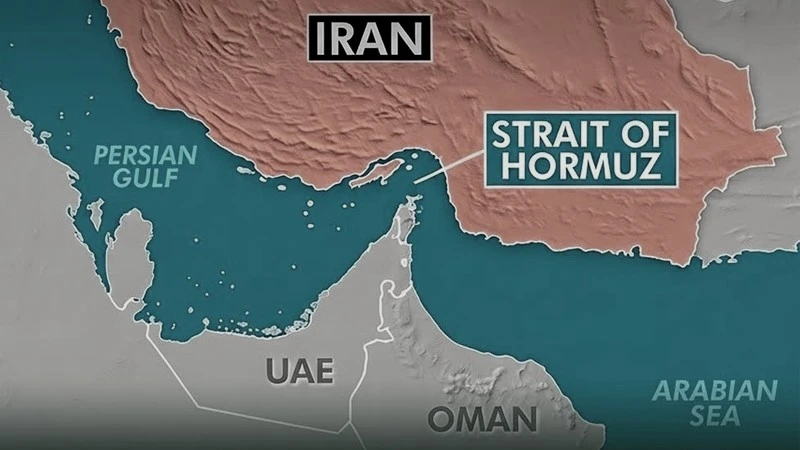
Iran, Oman and the U.S. are reportedly close to a Strait of Hormuz agreement tha...
.jpeg)
Fresh U.S. airstrikes in Iran reportedly killed 14 people, prompting Iranian ret...
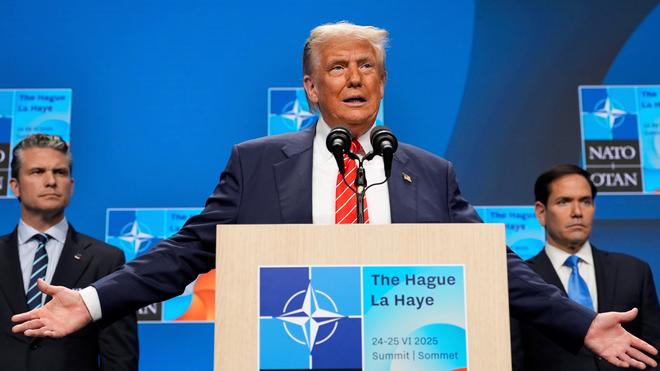
President Donald Trump claimed he is Iran’s “No. 1 target” after security measur...
.jpeg)
Three people were killed in U.S. strikes in western Iran as tensions escalated f...
President Donald Trump said the Iran ceasefire is “over” following fresh U.S. st...