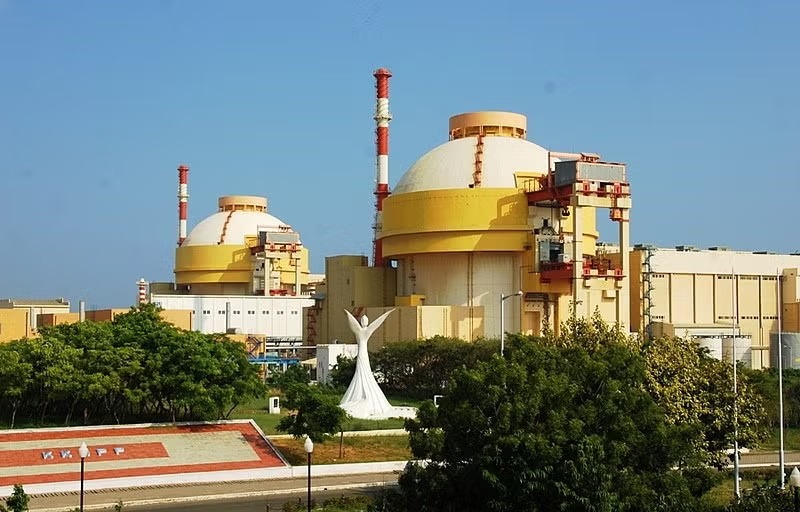
Desk Correspondent , New Delhi — The Supreme Court of India on Tuesday described a legal challenge to the Sustainable Harnessing and Advancement of Nuclear Energy for Transforming India (SHANTI) Act, 2025, as a "very sensitive legislative policy issue." A bench led by Chief Justice Surya Kant was hearing a public interest litigation challenging the new law, which permits private entities to operate civil nuclear plants but caps the total liability for an accident at ₹3,000 crore. The court wondered aloud whether global operators would enter the Indian market without such caps, noting that the State would step in to compensate victims and that judicial powers to award damages remain untinkered.
The petitioners, represented by advocate Prashant Bhushan, argue that the SHANTI Act is unconstitutional, compromises citizen safety, and exempts foreign suppliers from accountability by removing the "right of recourse" present in the repealed 2010 framework. Bhushan contended that the liability cap is absurdly low compared to the U.S. cap of ₹1.54 lakh crore, warning that the law encourages foreign suppliers to cut corners on safety. He drew parallels to the catastrophic, multi-lakh-crore damages seen in the Chernobyl and Fukushima disasters, asserting the Act violates the absolute-liability principle laid down by the apex court in 1987.
The bench has posted the matter for a detailed hearing in July to clarify these apprehensions. Acknowledging the gravity of the safety concerns balanced against national economic interests, the bench noted: "Our concern is that if an unfortunate event or any accident takes place and any person suffers an injury or damage, do we have a robust compensatory mechanism for that purpose."
.jpeg)
Sarnath near Varanasi has been granted UNESCO World Heritage status, recognising its global cultural and spiritual significance.
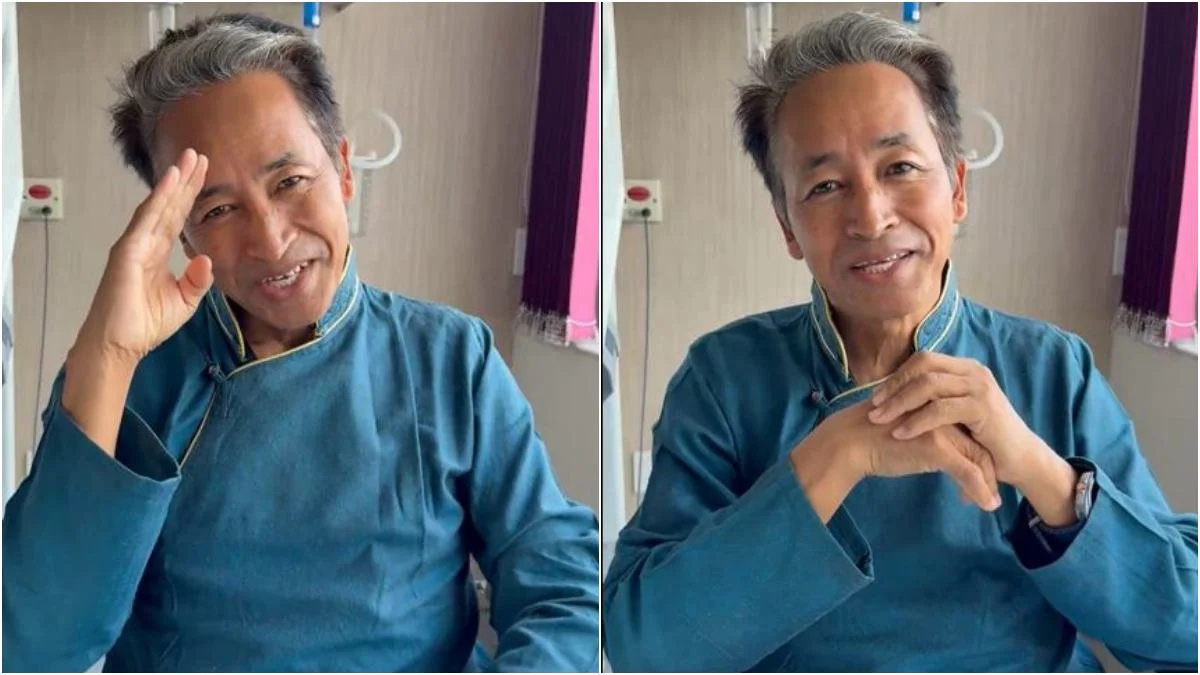
Activist Sonam Wangchuk was discharged from Medanta Hospital after six days.
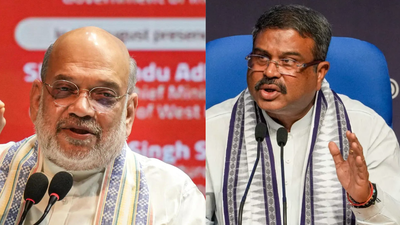
Amit Shah said students and the nation are more important than any post, calling Dharmendra Pradhan’s resignation a step taken in the interest of students.
Pralhad Joshi took charge of the Education Minister saying his first priority is to understand the departments functioning.
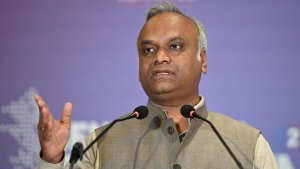
Congress leader Bhupinder Singh Hooda said the party will demand accountability from the BJP government in Parliament over paper leaks and seek reforms to protect students.

The student led CJP called off its nationwide agitation calling the Education Ministers resignation a victory for democracy.
Pralhad Joshi has been given additional charge of the Union Education Ministry following Dharmendra Pradhan’s resignation amid the exam paper leak controversy.
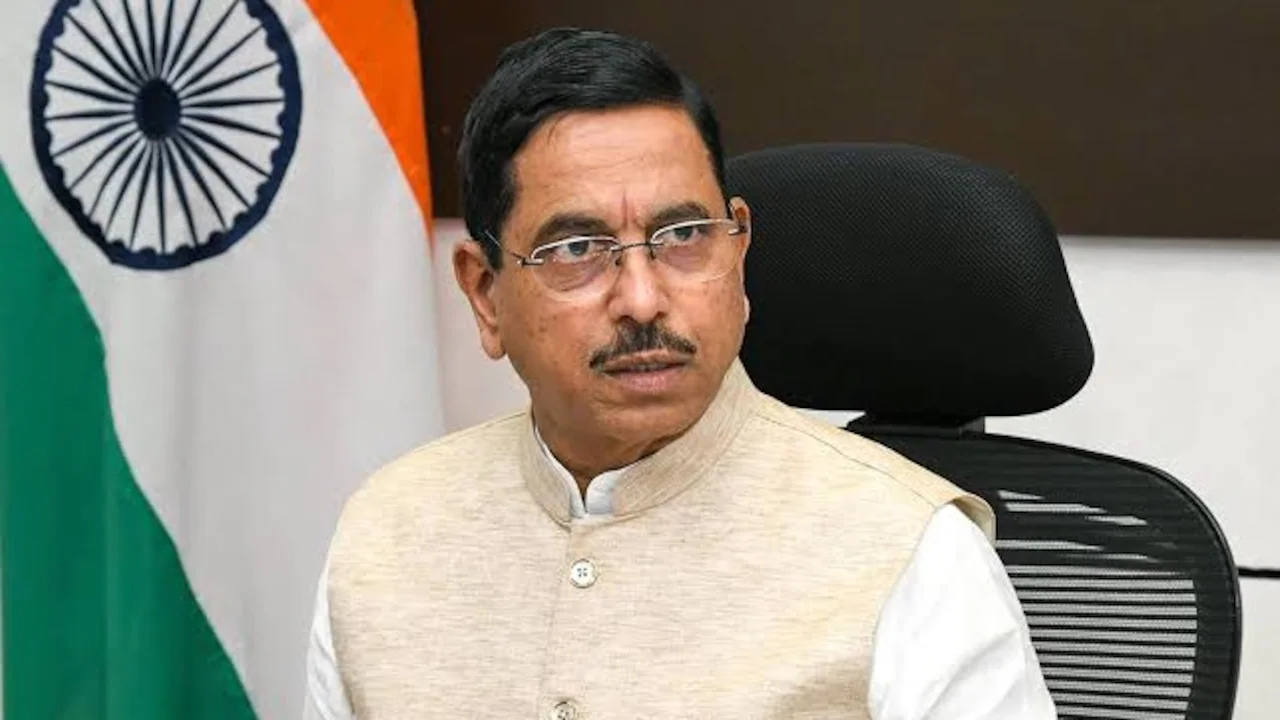
Pralhad Joshi takes charge as Education Minister after Dharmendra Pradhan's resignation.
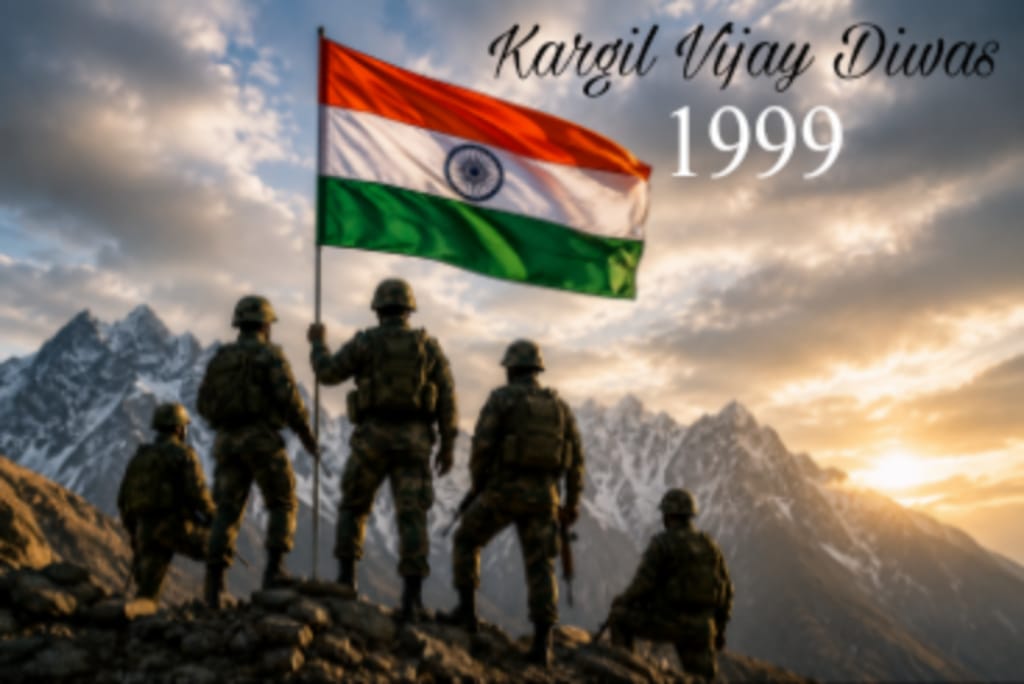
President Droupadi Murmu, Prime Minister Narendra Modi and leaders across the country paid tribute to the brave soldiers of the 1999 Kargil War.

India honours its Kargil heroes at the 1999 wars lessons on vigilance and intelligence remain relevant today.
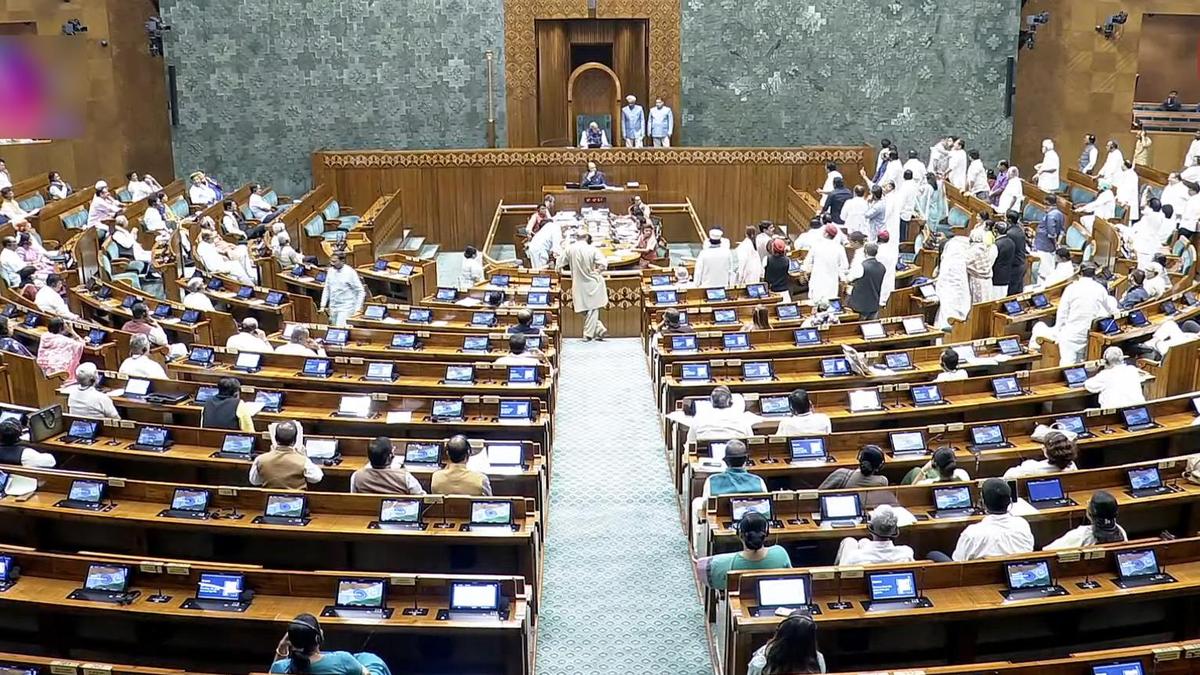
The Centre has proposed tougher anti-cheating laws, increasing jail terms and fines to crack down on paper leaks and organised exam fraud.
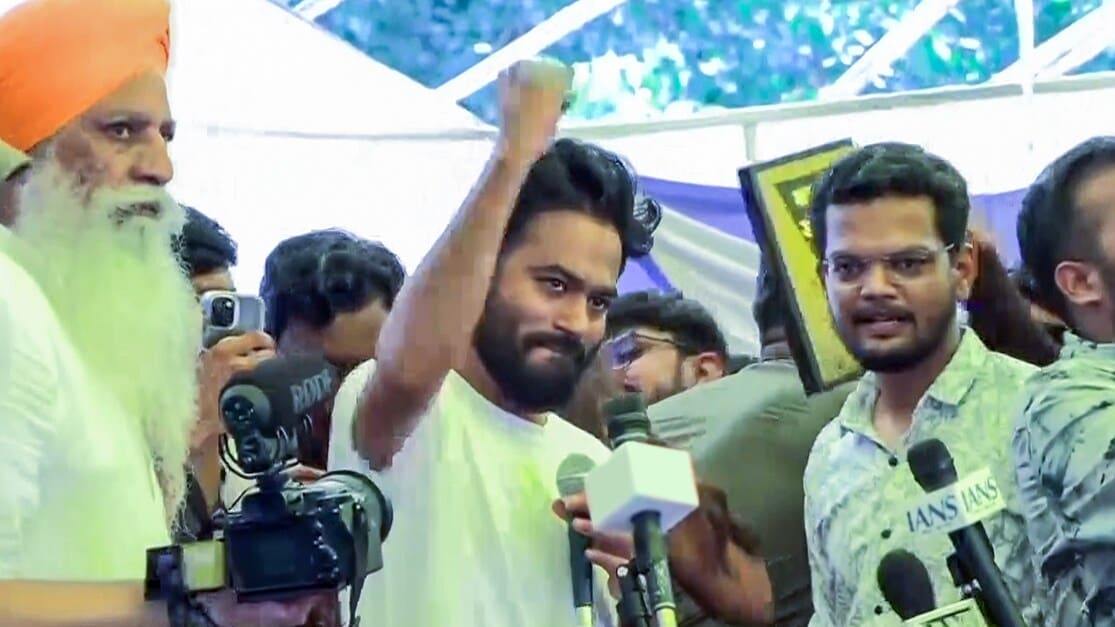
After Dharmendra Pradhan’s resignation, the CJP said it will decide its next demands based on the government’s response, signalling the protests are not over.
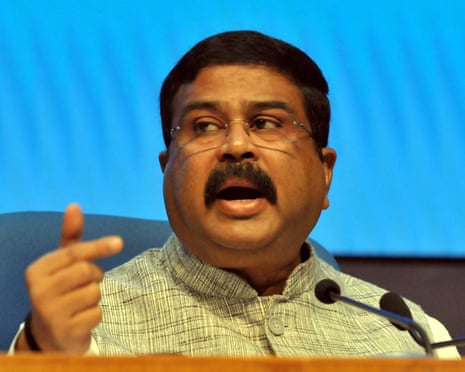
Education Minister Dharmendra Pradhan has resigned after weeks of student protests over alleged exam paper leaks, marking a major political development.
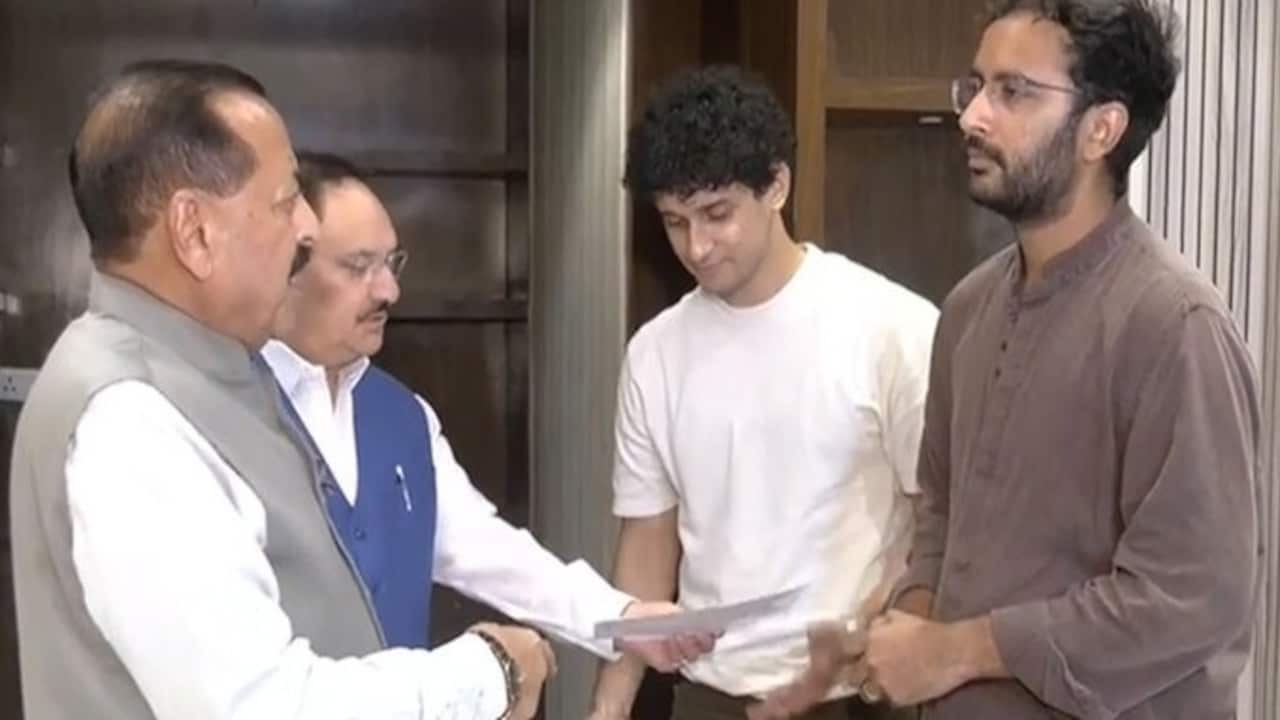
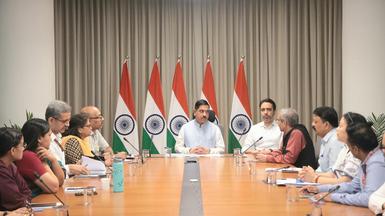
The Centre and CJP held a two hour meeting.
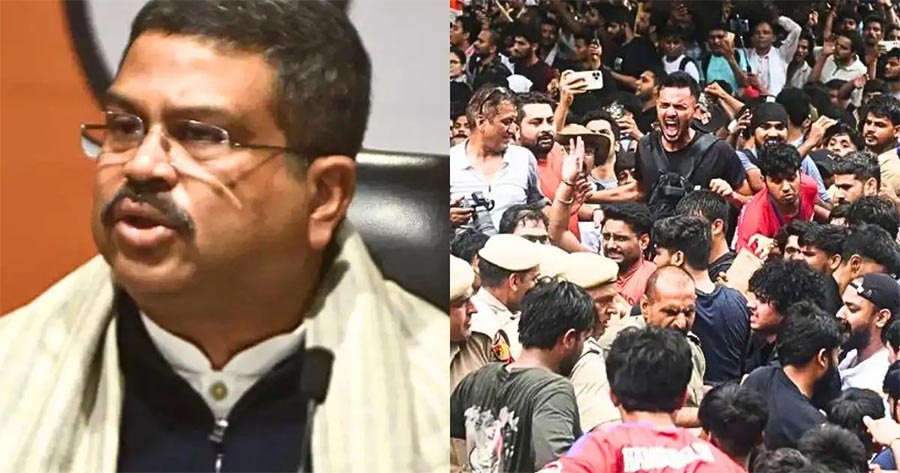
The Centre sought time till Saturday to respond the CJP demand for Dharmendra Pradhan resignation.

.jpeg)
Donald Trump has again claimed credit for the India-Pakistan ceasefire as part o...
.jpeg)
Fresh U.S. airstrikes in Iran reportedly killed 14 people, prompting Iranian ret...
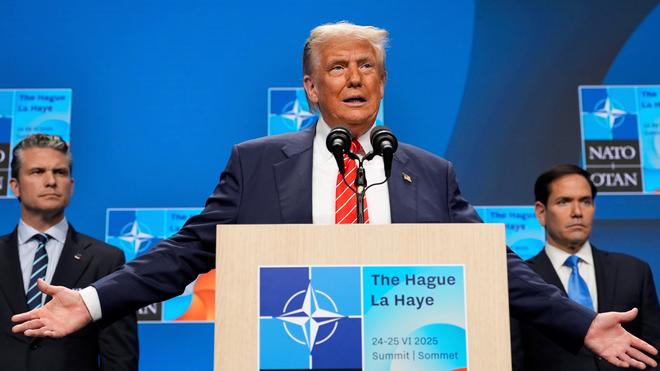
President Donald Trump claimed he is Iran’s “No. 1 target” after security measur...
.jpeg)
Three people were killed in U.S. strikes in western Iran as tensions escalated f...
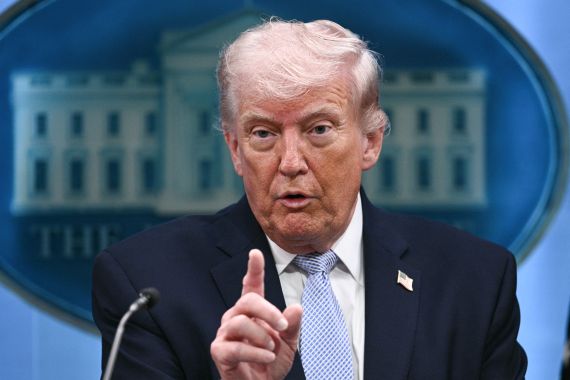
President Donald Trump said the Iran ceasefire is “over” following fresh U.S. st...