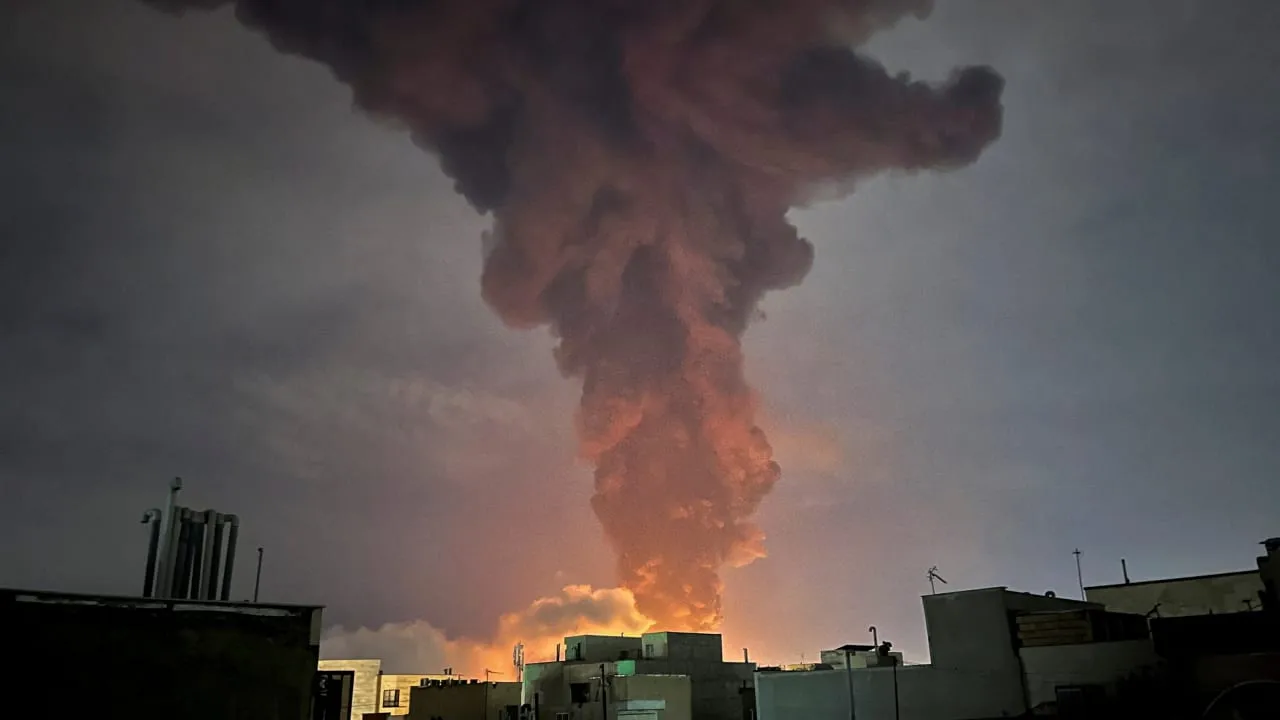
Swapna Kumbar , Bengaluru - Saudi Arabia quietly launched a series of secret retaliatory airstrikes on Iran during the height of the recent regional conflict, according to our report citing Western and Iranian officials. The previously undisclosed attacks, reportedly carried out by the Saudi Air Force in late March, mark the first known instance of Riyadh directly striking Iranian territory. The revelations highlight how the broader Middle East conflict expanded far beyond publicly acknowledged operations as Gulf states increasingly came under Iranian missile and drone attacks.
According to officials familiar with the matter, the Saudi strikes were conducted as “tit for tat” retaliation after Iran linked attacks targeted Saudi civilian infrastructure, airports, oil facilities, and military-linked sites during the regional war. Reuters reported that the exact targets inside Iran could not be independently verified, though the operations were described as limited but strategically significant. Saudi Arabia reportedly informed Tehran about the strikes afterward while simultaneously opening diplomatic channels aimed at preventing a wider regional confrontation. Analysts say the attacks reflected Riyadh’s growing willingness to take direct military action instead of relying solely on US security guarantees. The report also revealed that Saudi Arabia later threatened harsher retaliation if Iranian attacks continued, leading to intensified diplomatic engagement between both countries. According to our report, Iranian missile and drone attacks on Saudi Arabia sharply declined after the covert operations and subsequent warnings from Riyadh. Experts believe the episode demonstrated a “pragmatic recognition” by both Tehran and Riyadh that uncontrolled escalation could destabilize the entire Gulf region and severely damage global energy markets. Despite the covert strikes, Saudi officials publicly continued advocating de-escalation and regional stability while avoiding direct confirmation of the operations.
The revelations about Saudi Arabia’s covert strikes on Iran underscore how deeply the recent Middle East conflict drew in regional powers behind the scenes. While both Riyadh and Tehran appear to have stepped back from wider confrontation through quiet diplomacy, the incident highlights the fragile balance now shaping Gulf security and the increasingly complex alliances emerging across the region.
.jpeg)
Trump cited India’s voter-ID system while backing the SAVE America Act, highlighting differences in voting rules between the two countries.
.jpeg)
A Russian missile strike hit Lakshmi Mittal-linked ArcelorMittal’s steel plant in Ukraine, killing two and injuring several others as the war escalates.
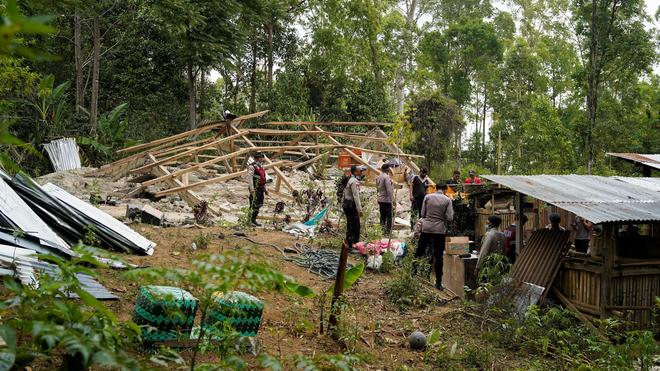
A powerful earthquake in Indonesia has killed 53 people and forced around 5,000 to evacuate, as aftershocks and landslides hamper rescue efforts.

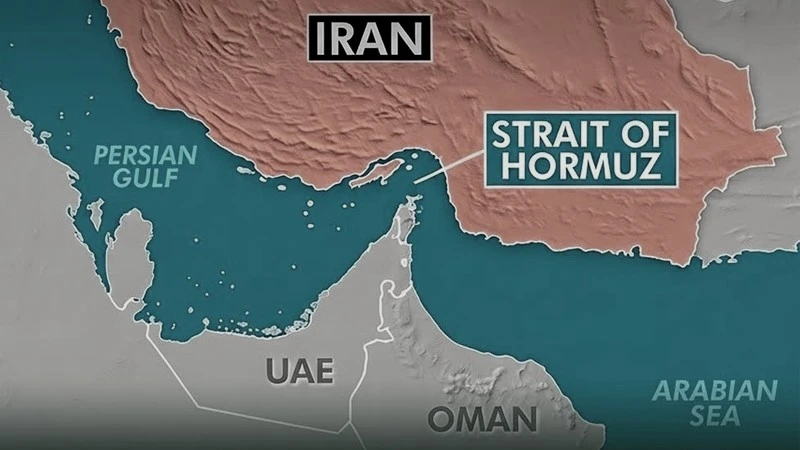
Iran, Oman and the U.S. are reportedly close to a Strait of Hormuz agreement tha...
.jpeg)
Fresh U.S. airstrikes in Iran reportedly killed 14 people, prompting Iranian ret...
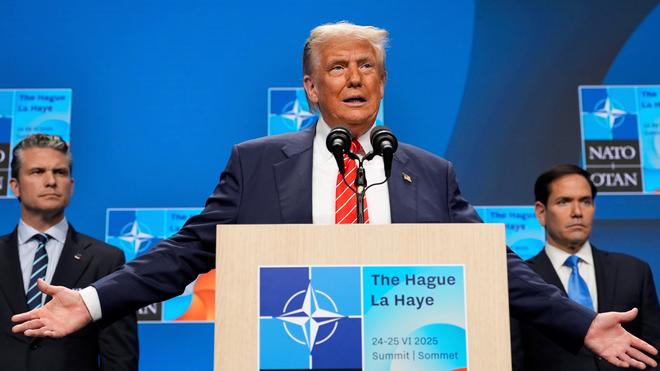
President Donald Trump claimed he is Iran’s “No. 1 target” after security measur...
.jpeg)
Three people were killed in U.S. strikes in western Iran as tensions escalated f...
President Donald Trump said the Iran ceasefire is “over” following fresh U.S. st...