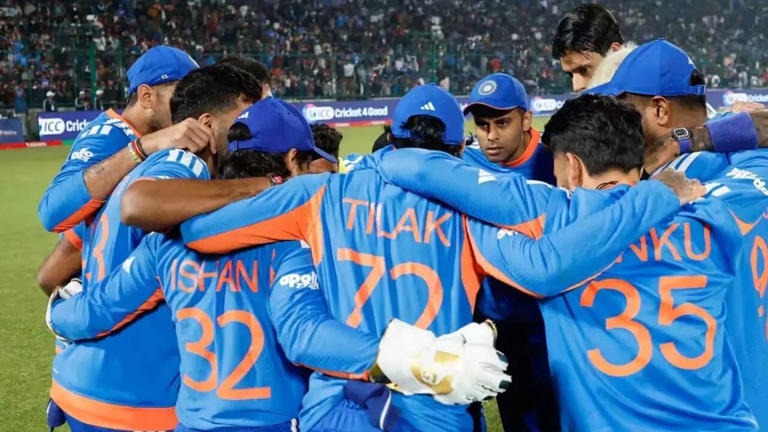
Desk Correspondent , Colombo -The India-Pakistan clash has long served as a cricket rivalry. But on February 15, as India took over Pakistan in the T20 international, the match felt different.
The staple feeling of emotional, political and sporting spectacle that once stopped time among both the nations now felt like ease. Competitive, yes. Enthusiastic, perhaps, but no longer equal, which suddenly changed the spectrum of several previous India-Pakistan matches.
Lately, India's strong run has changed how people talk about these matches, similarly to how Suryakumar Yadav stated plainly last year. Following India's solid victory against Pakistan during the 2025 Asia Cup, the top scorer noted that this clash doesn't carry the old tension. "It's strange, really, being questioned about whether it's still a contest," he mentioned. Given how often India has come out on top, his view is clear: this matchup now seems more routine than
intense. Victory after victory has drained the weight of calling it a 'rivalry.' Statistics support his point. Starting from 2016, India claimed victory in six out of seven T20 matches versus Pakistan.
Across ICC events and Asia Cup clashes during the past ten years, more than three out of every four games went their way. What used to be nervous tension when facing Pakistan now feels
different. Steadily, consistency, sharp decisions, and stronger squads have shifted the balance
toward India.
Back then, in the 1980s and 1990s, things felt different compared to now. Matches between India and Pakistan weren't just about talent but lived on edge-of-the-seat moments. In the days of Imran Khan, Wasim Akram, Kapil Dev, Sunil Gavaskar, and Javed Miandad, momentum might change in only one over. Tension crackled in neutral locations, and the results were uncertain. India frequently played catch-up in limited-overs cricket, while Pakistan's pace attacks intimidated. Fast bowlers from Pakistan created pressure that few could handle. India struggled.
more than they led in one-day games. Now things look different. Strong backups mark India's team, along with careful planning using numbers, plus a clear way they play T20s. Pakistan
Instead, it wobbles—sharp and bright at times, then falling apart soon after. Fans still carry that fire. inside. Yet when playing, Indian athletes stay cooler, focused, tight and are rarely shaken.
This change showed up on February 14. Pakistan pushed forward, yet India held firm through the game's main parts—starting bursts, mid-game flow, and ending stretches—without hesitation.
Not tension. Just clean delivery.
During the 2025 Asia Cup, Suryakumar Yadav stated, "I would like to say one thing on this. question. I feel that you should stop asking this question about the rivalry." He also explained, "Standards and rivalry are the same," he continued. "According to me, if two
Teams play 15-20 matches, and if [head-to-head] it is 7-7 or 8-7, then that is called a rivalry. But 13-0, 10-1…I don't know what the stats are. But this is not a rivalry anymore. But yeah, I feel we
played better cricket than them."
Now, after the 2026 T20 World Cup, it has become quite evident how one-sided the games have become. Because of consistent wins, what some once called a rivalry now feels more like routine outcomes. Even those watching saw the shift, not just the athletes.

The two time Olympic medalist became the first Indian to win a BWF Super 750 title.
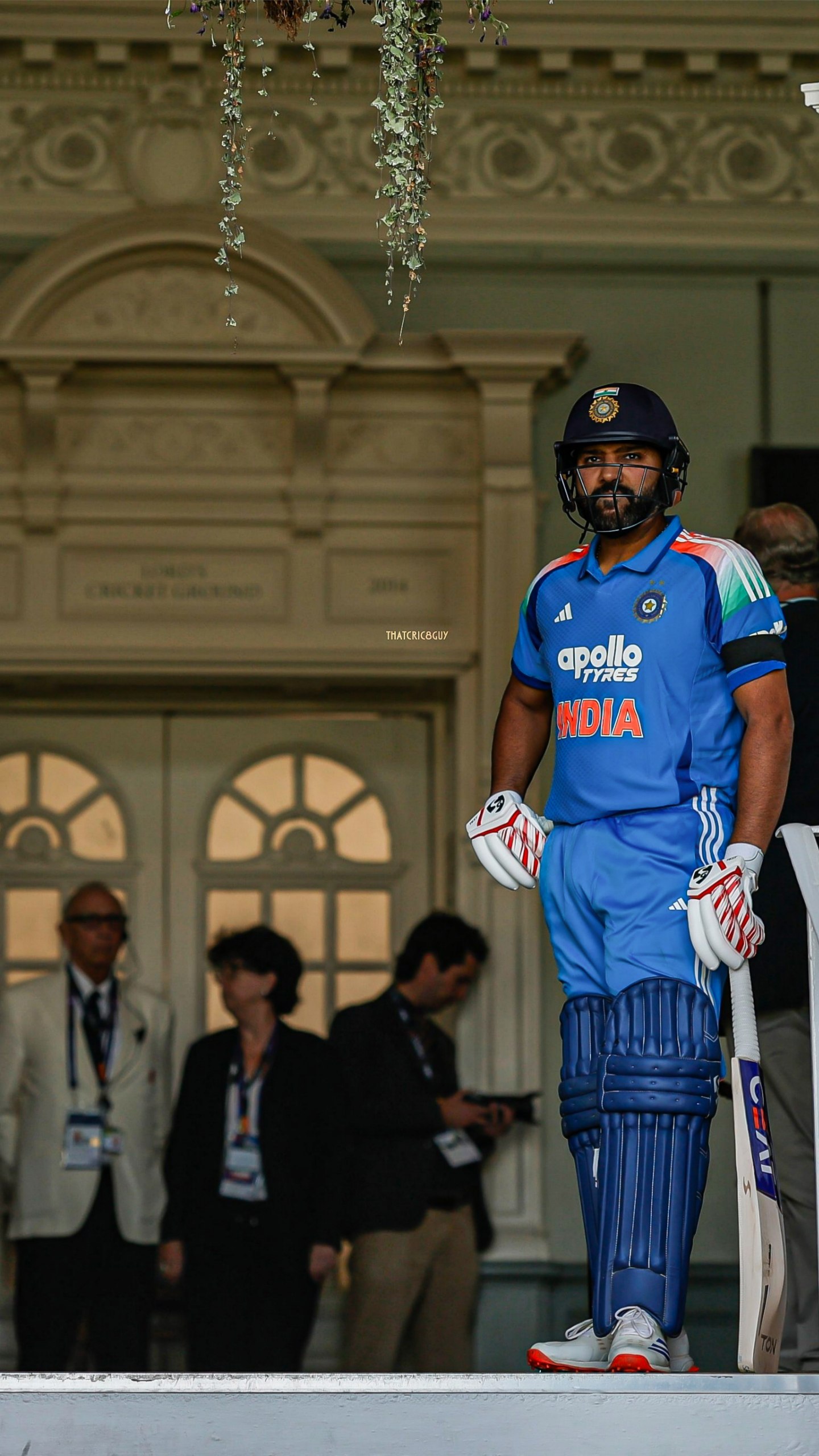
The Indian skipper smashed a brilliant century in the ODI series decider against England.
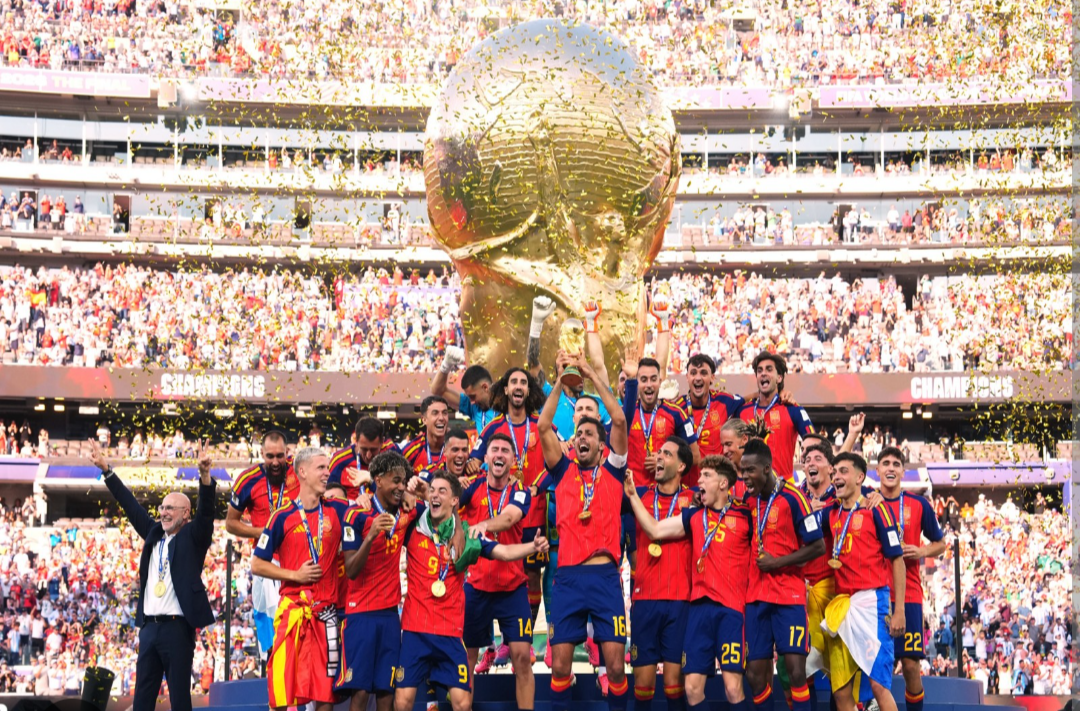
Ferran Torres scored in extra time as Spain defeated defending champions Argentina 1-0 to lift their second FIFA World Cup title.
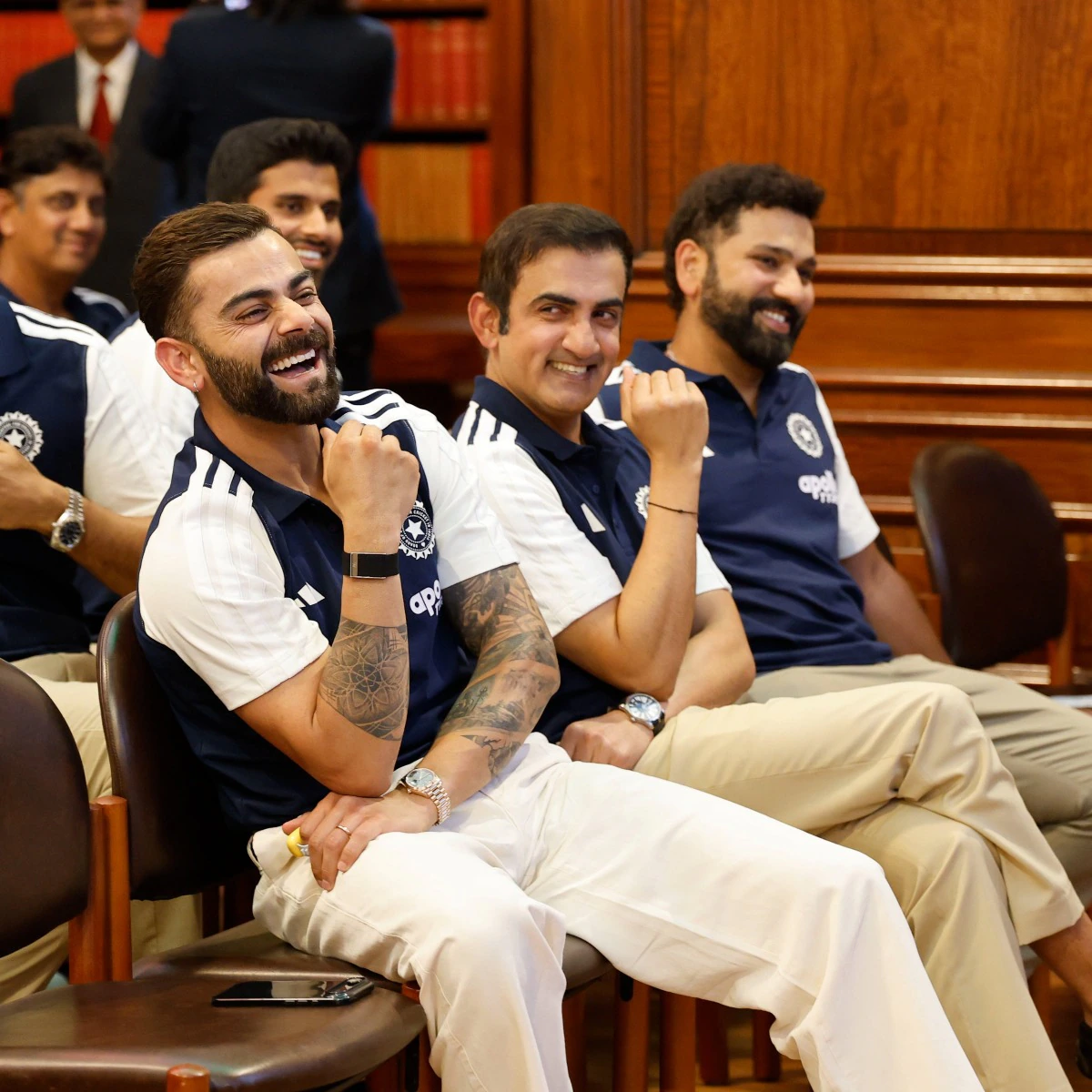
Kohli and Gambhir dismiss rift rumours.
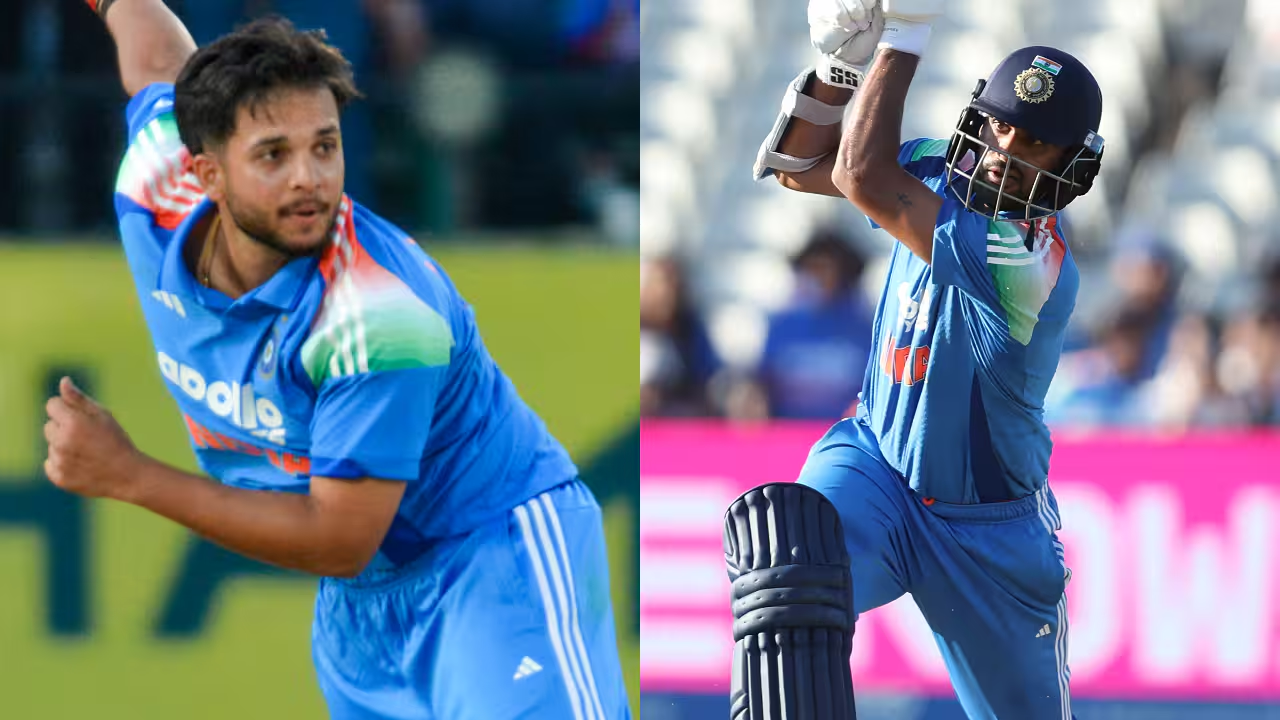
Harsh Dubey has replaced Washington Sundar in India's ODI squad against England after Sundar suffered a series-ending hamstring injury.
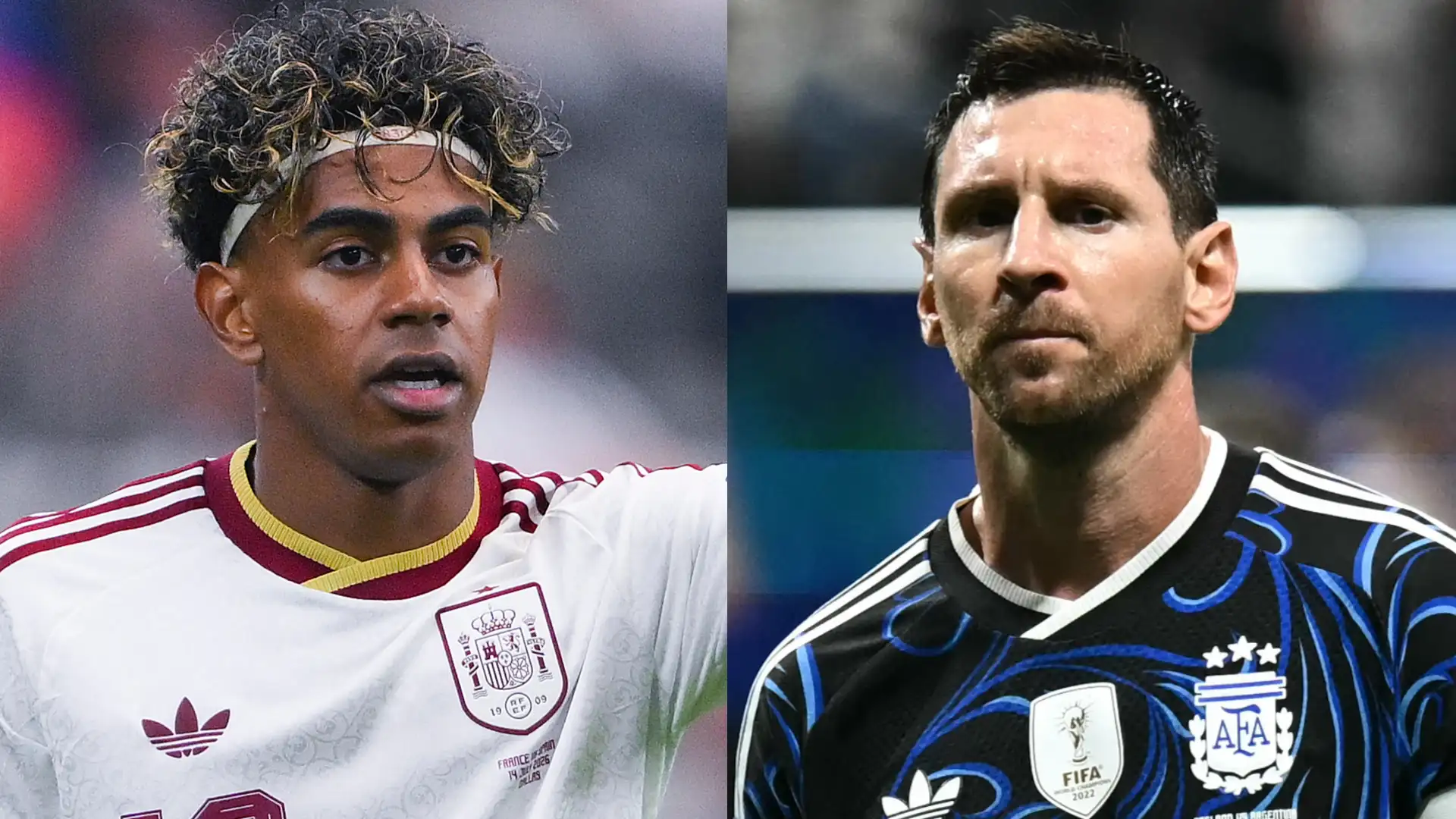
Argentina prepare to face Spain in the FIFA World Cup final, Barcelona fans find themselves emotionally torn.
.jpg)
Football icon Lionel Messi shared his approach to handling pressure during a special session at Fanatics Fest in New York.
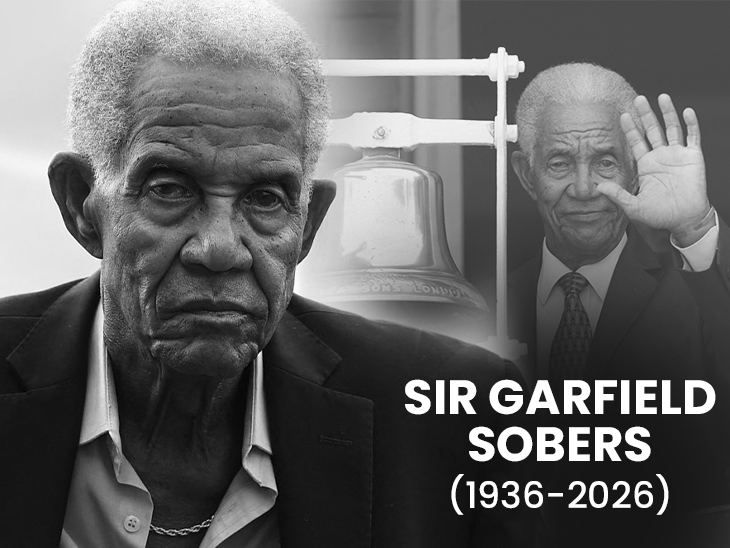
West Indies cricket legend Sir Garfield Sober has died at the age of 89.
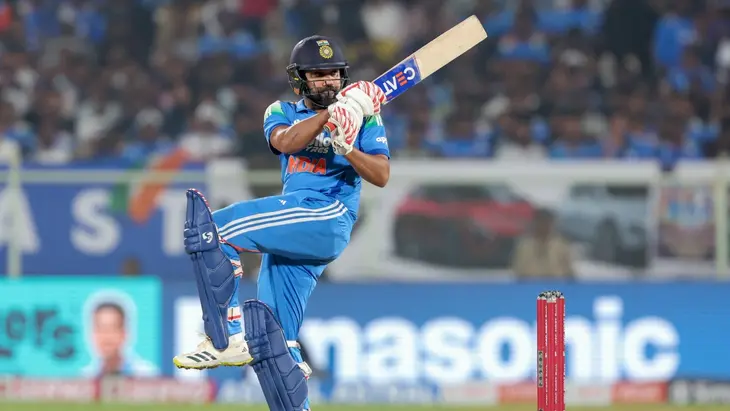
Rohit Sharma faces intense retirement rumours ahead of the Lord's ODI after reports revealed he is excluded from India's 2027 World Cup plans.
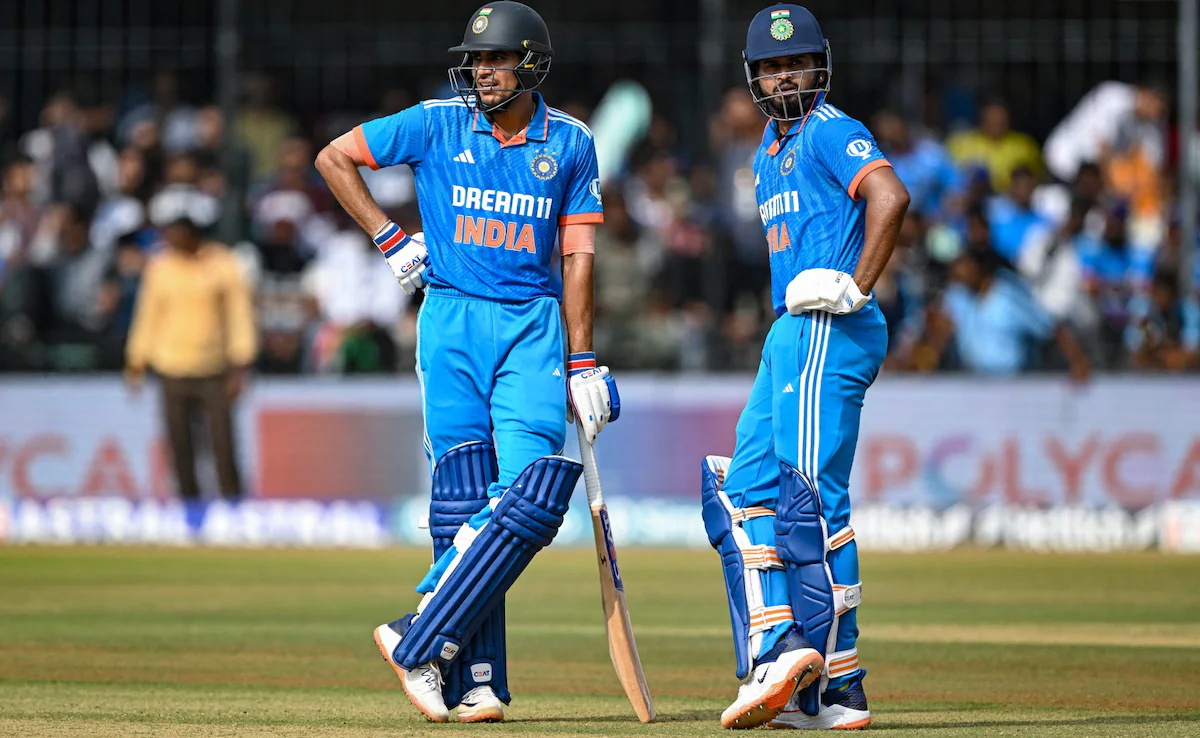
Shubham Gill is doubtful for the second ODI against England due to hamstring.
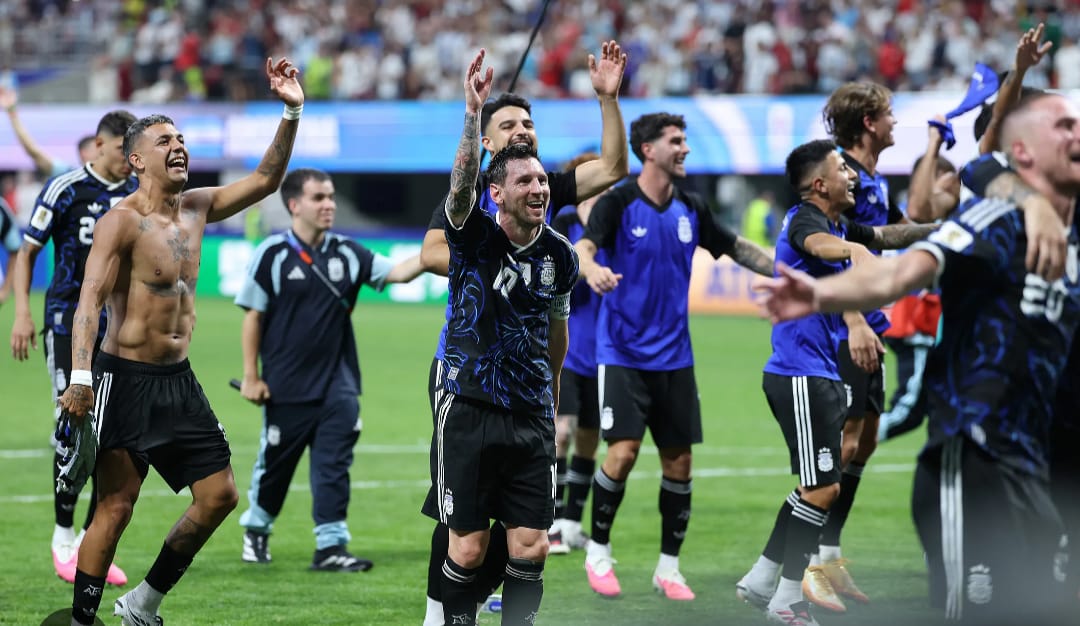
Argentina has officially qualified for the 2026 FIFA World Cup Final.
-(1).jpeg)
India and England will begin their three match ODI series at Edgbaston.

.jpeg)
Donald Trump has again claimed credit for the India-Pakistan ceasefire as part o...
.jpeg)
Fresh U.S. airstrikes in Iran reportedly killed 14 people, prompting Iranian ret...
President Donald Trump claimed he is Iran’s “No. 1 target” after security measur...
.jpeg)
Three people were killed in U.S. strikes in western Iran as tensions escalated f...
President Donald Trump said the Iran ceasefire is “over” following fresh U.S. st...