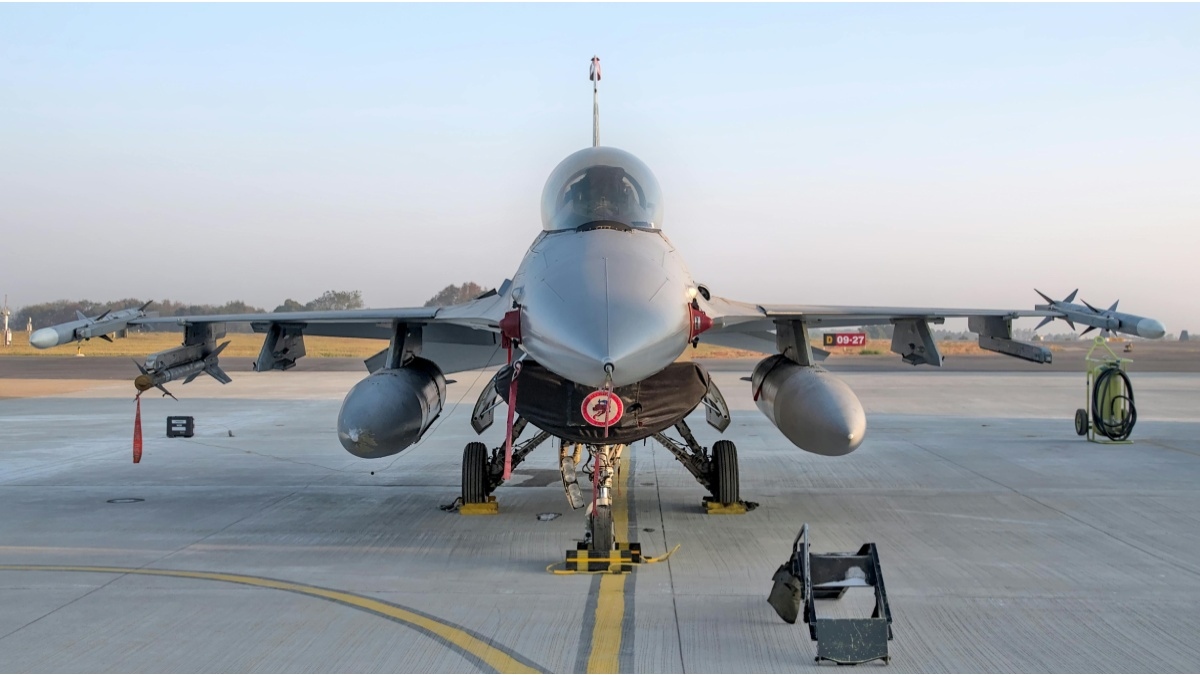
Swapna Kumbar , Bengaluru - Pakistan’s role as a mediator in the recent US-Iran conflict has come under fresh scrutiny after reports claimed Islamabad quietly allowed Iranian military aircraft to park at its airbases to avoid potential American airstrikes. According to our reports citing unnamed US officials, Iran moved multiple aircraft, including reconnaissance and intelligence planes, to Pakistan’s strategically important Nur Khan Airbase near Rawalpindi shortly after the ceasefire was announced in April. The report has triggered political reactions in Washington and raised questions over Pakistan’s neutrality during the conflict.
The report further claimed that Iran also relocated some civilian aircraft to neighbouring Afghanistan after Iranian airspace became increasingly vulnerable during the war. Afghan aviation officials reportedly confirmed that an Iranian Mahan Air aircraft landed in Kabul before being shifted to Herat near the Iranian border for safety reasons. US officials quoted in the report suggested the movement of aircraft appeared to be part of Tehran’s strategy to protect valuable aviation and surveillance assets while tensions with Washington escalated. However, Pakistani authorities strongly denied the allegations, insisting that a large fleet of hidden aircraft at Nur Khan Airbase would have been impossible to conceal because of the base’s location near populated civilian areas.
The controversy has added pressure on Pakistan’s balancing act between maintaining relations with Washington while avoiding direct confrontation with Tehran and Beijing, one of Iran’s closest allies. Republican Senator Lindsey Graham called for a complete re-evaluation of Pakistan’s role as a mediator if the reports prove accurate. Analysts say the allegations, even if unverified, could complicate future diplomatic negotiations involving the United States, Iran, and regional powers already struggling to maintain a fragile ceasefire. Pakistan has continued to portray itself as a stabilizing intermediary in the region, though the new claims threaten to deepen mistrust among Western allies.
While there is no independent public evidence fully confirming the movement of Iranian military aircraft into Pakistan, the allegations have intensified geopolitical tensions surrounding the US-Iran conflict and Pakistan’s diplomatic role. With Islamabad denying wrongdoing and US officials standing by the intelligence based claims, the episode underscores the increasingly complex alliances and quiet strategic maneuvers shaping the Middle East crisis.
.jpeg)
Trump cited India’s voter-ID system while backing the SAVE America Act, highlighting differences in voting rules between the two countries.
.jpeg)
A Russian missile strike hit Lakshmi Mittal-linked ArcelorMittal’s steel plant in Ukraine, killing two and injuring several others as the war escalates.
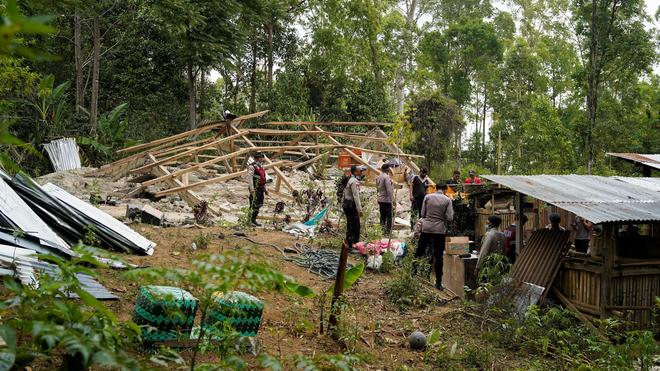
A powerful earthquake in Indonesia has killed 53 people and forced around 5,000 to evacuate, as aftershocks and landslides hamper rescue efforts.

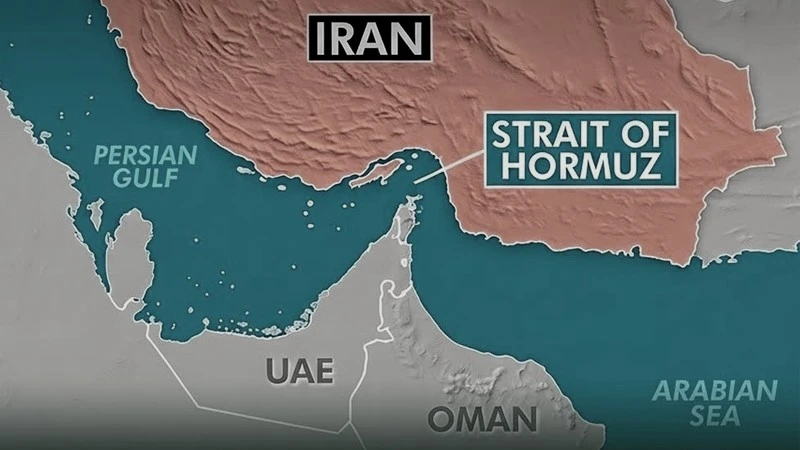
Iran, Oman and the U.S. are reportedly close to a Strait of Hormuz agreement tha...
.jpeg)
Fresh U.S. airstrikes in Iran reportedly killed 14 people, prompting Iranian ret...
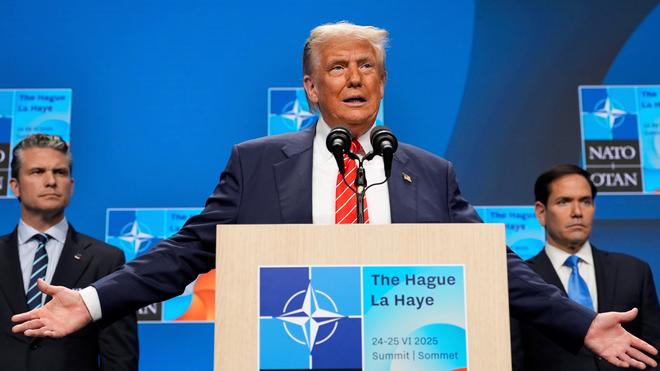
President Donald Trump claimed he is Iran’s “No. 1 target” after security measur...
.jpeg)
Three people were killed in U.S. strikes in western Iran as tensions escalated f...
President Donald Trump said the Iran ceasefire is “over” following fresh U.S. st...