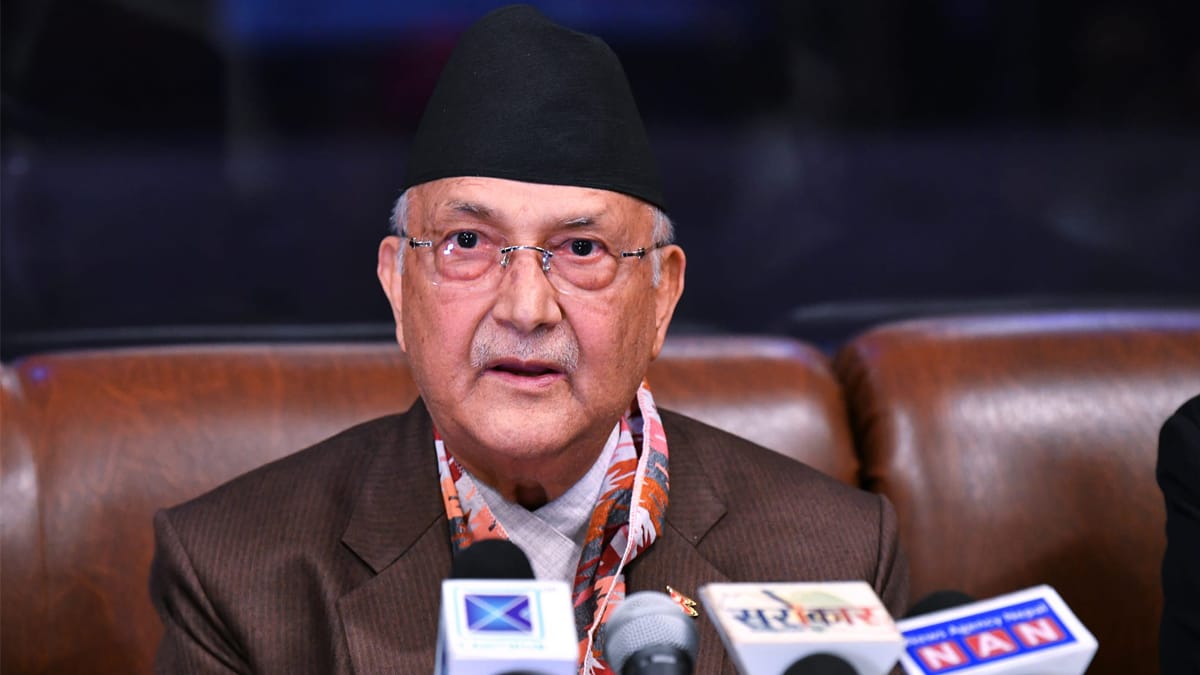
The "Gen Z" uprising in Nepal has triggered profound ramifications, reshaping the nation's political landscape. Immediately, Prime Minister KP Sharma Oli resigned after two days of violent unrest, signifying a major political fallout. His departure destabilised the coalition government, which teetered on the brink of collapse as several key ministers, including the Home Minister, stepped down, and major political parties threatened to withdraw support. The National Independent Party (NISP) went further, demanding the dissolution of Parliament and fresh elections, indicating a call for fundamental change.
Tragically, the protests exacted a high human cost, with at least 22 fatalities and over 300 injuries reported as security forces confronted demonstrators. The unrest escalated as government buildings were vandalized and Parliament partially set ablaze. Economic and infrastructural disruptions were also evident, including the closure of Tribhuvan International Airport due to security risks. While the initial social media ban was lifted, the protests exposed deep-seated youth dissatisfaction regarding corruption and economic inequality, leaving Nepal in a state of political uncertainty.
.jpeg)
Trump cited India’s voter-ID system while backing the SAVE America Act, highlighting differences in voting rules between the two countries.
.jpeg)
A Russian missile strike hit Lakshmi Mittal-linked ArcelorMittal’s steel plant in Ukraine, killing two and injuring several others as the war escalates.
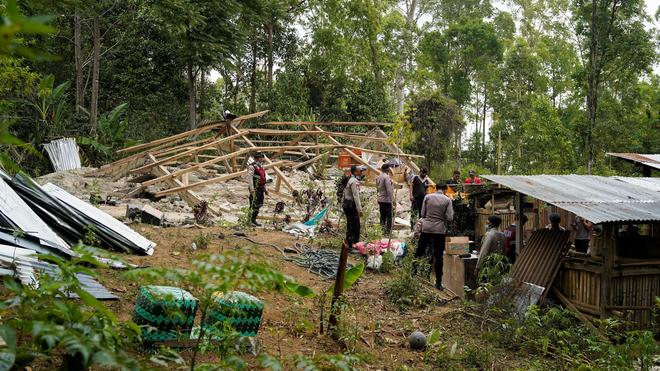
A powerful earthquake in Indonesia has killed 53 people and forced around 5,000 to evacuate, as aftershocks and landslides hamper rescue efforts.

Instagram Unveils New Logo After 10 Years
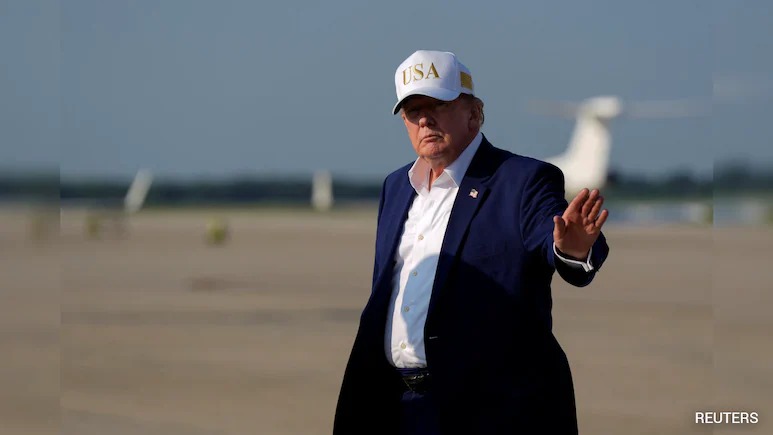
An unverified Israeli warning about an alleged Iranian plot against Trump reportedly triggered a secret jet switch in Turkey, highlighting heightened tensions and security concerns between Washington and Tehran.
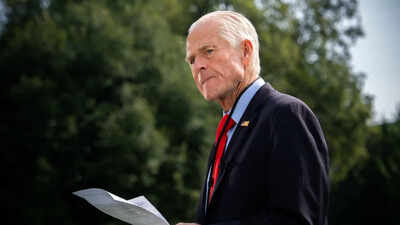
US officials say Trump-Modi ties remain strong despite the dispute over India’s Russian oil purchases and tariffs. Both sides are expected to keep negotiating for a trade compromise.

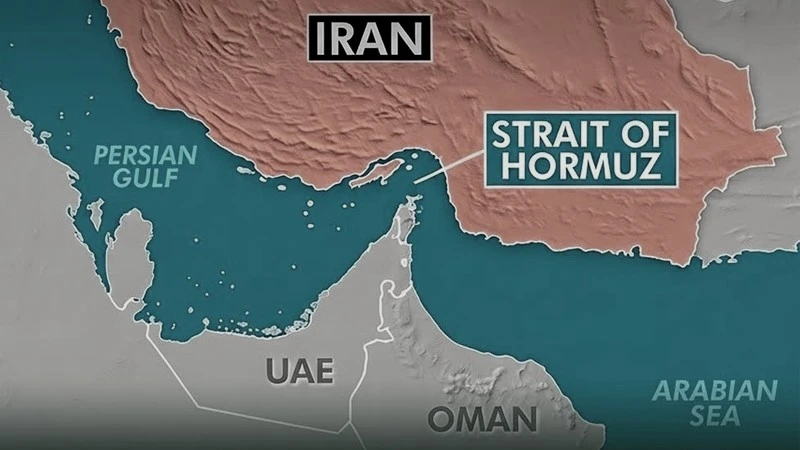
Iran, Oman and the U.S. are reportedly close to a Strait of Hormuz agreement tha...
.jpeg)
Fresh U.S. airstrikes in Iran reportedly killed 14 people, prompting Iranian ret...
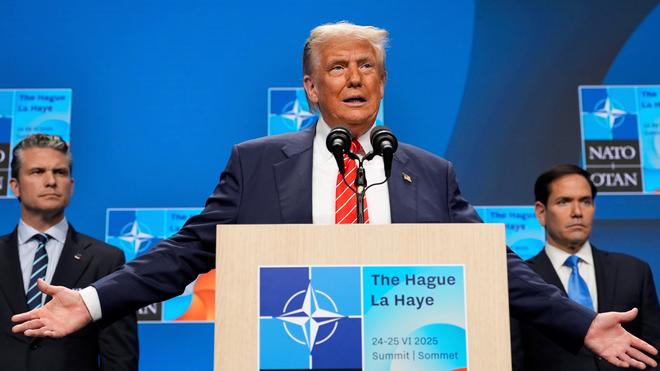
President Donald Trump claimed he is Iran’s “No. 1 target” after security measur...
.jpeg)
Three people were killed in U.S. strikes in western Iran as tensions escalated f...
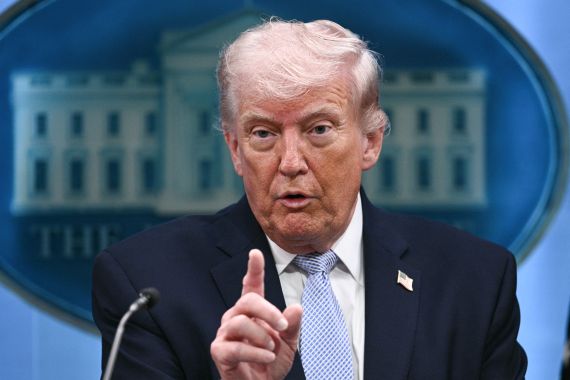
President Donald Trump said the Iran ceasefire is “over” following fresh U.S. st...