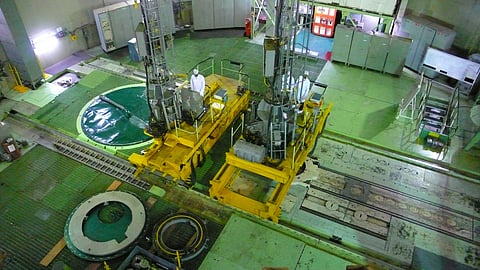
Desk Correspondent , Chennai - India's first indigenous Prototype Fast Breeder Reactor (PFBR) at Kalpakkam, Tamil Nadu, has successfully attained criticality on April 6, 2026, marking the formal launch of the second stage of the country's three stage nuclear power programme. The 500 MWe reactor, developed by BHAVINI under the Indira Gandhi Centre for Atomic Research (IGCAR), achieved a self-sustaining nuclear chain reaction at 20:26 hrs, a historic step toward energy security using fast breeder technology. Prime Minister Narendra Modi hailed it as a "defining step" reflecting India's scientific prowess.
The PFBR uses plutonium uranium mixed oxide (MOX) fuel and liquid sodium as coolant, breeding more fissile material than it consumes to multiply uranium resources a key feature for India's limited uranium reserves but vast thorium deposits. This second stage milestone builds on the first stage's Pressurised Heavy Water Reactors (PHWRs), paving the way for Stage III thorium based Advanced Heavy Water Reactors (AHWRs) and long-term self-sufficiency. After low-power physics experiments, the reactor will ramp up to full operation, generating 500 MW while minimising nuclear waste through a closed fuel cycle.
Clearance from the Atomic Energy Regulatory Board (AERB) followed years of fuel loading and testing, overcoming first of a kind challenges. Once commissioned, India will join Russia as one of few nations with commercial fast breeder capability, boosting indigenous tech and thorium utilisation for sustainable power. The achievement strengthens India's nuclear ambitions amid global energy transitions.
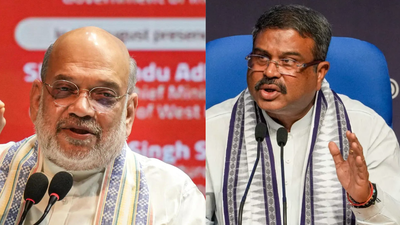
Amit Shah said students and the nation are more important than any post, calling Dharmendra Pradhan’s resignation a step taken in the interest of students.
Pralhad Joshi took charge of the Education Minister saying his first priority is to understand the departments functioning.
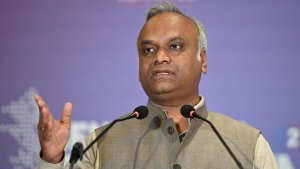
Congress leader Bhupinder Singh Hooda said the party will demand accountability from the BJP government in Parliament over paper leaks and seek reforms to protect students.
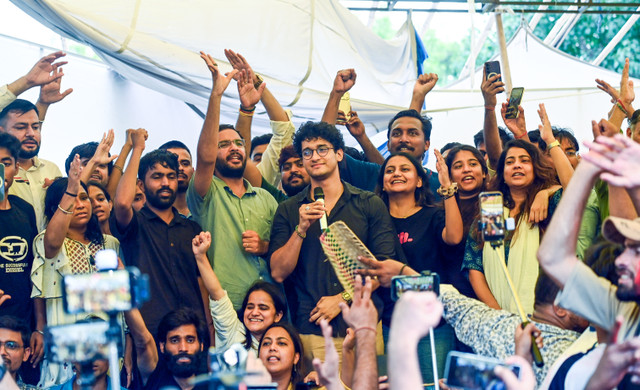
The student led CJP called off its nationwide agitation calling the Education Ministers resignation a victory for democracy.
Pralhad Joshi has been given additional charge of the Union Education Ministry following Dharmendra Pradhan’s resignation amid the exam paper leak controversy.
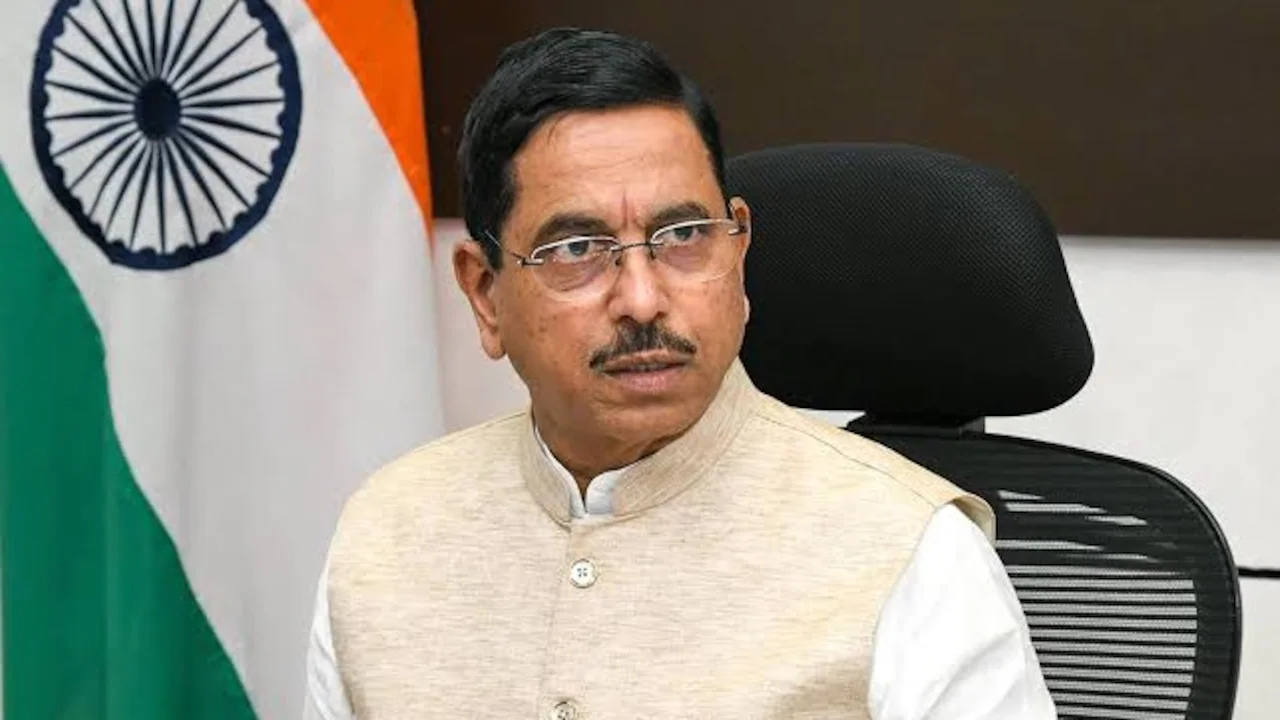
Pralhad Joshi takes charge as Education Minister after Dharmendra Pradhan's resignation.

President Droupadi Murmu, Prime Minister Narendra Modi and leaders across the country paid tribute to the brave soldiers of the 1999 Kargil War.

India honours its Kargil heroes at the 1999 wars lessons on vigilance and intelligence remain relevant today.
The Centre has proposed tougher anti-cheating laws, increasing jail terms and fines to crack down on paper leaks and organised exam fraud.
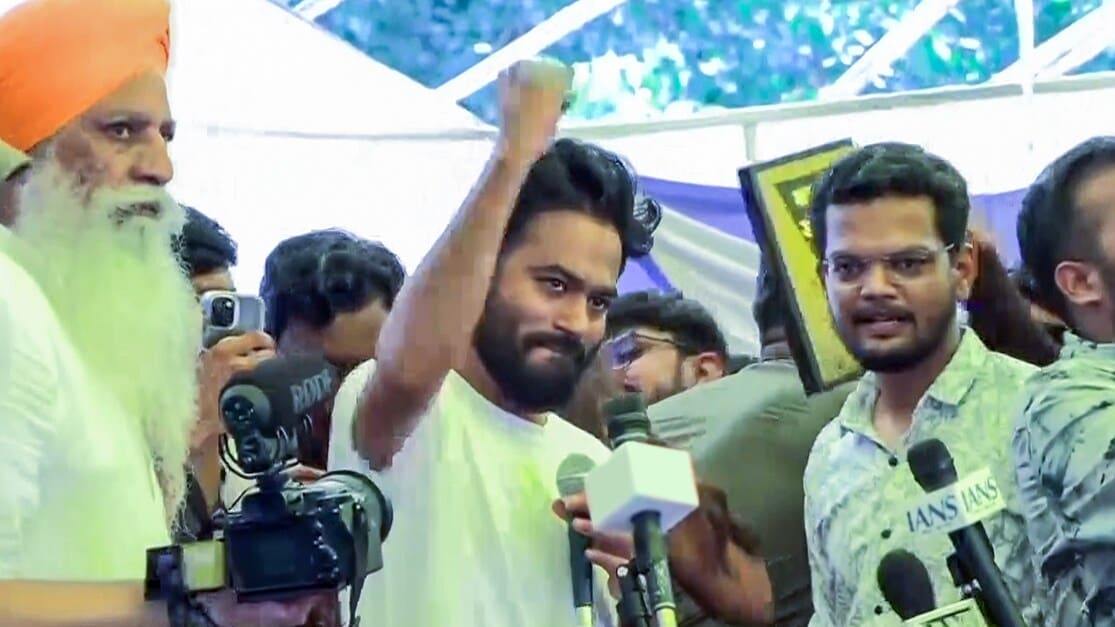
After Dharmendra Pradhan’s resignation, the CJP said it will decide its next demands based on the government’s response, signalling the protests are not over.
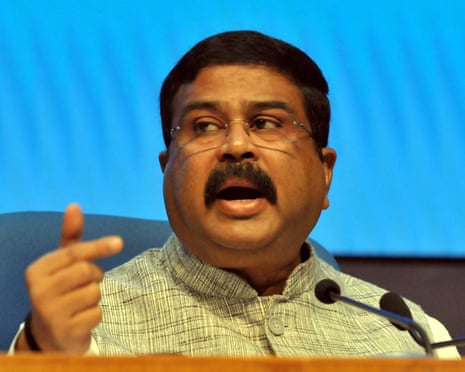
Education Minister Dharmendra Pradhan has resigned after weeks of student protests over alleged exam paper leaks, marking a major political development.
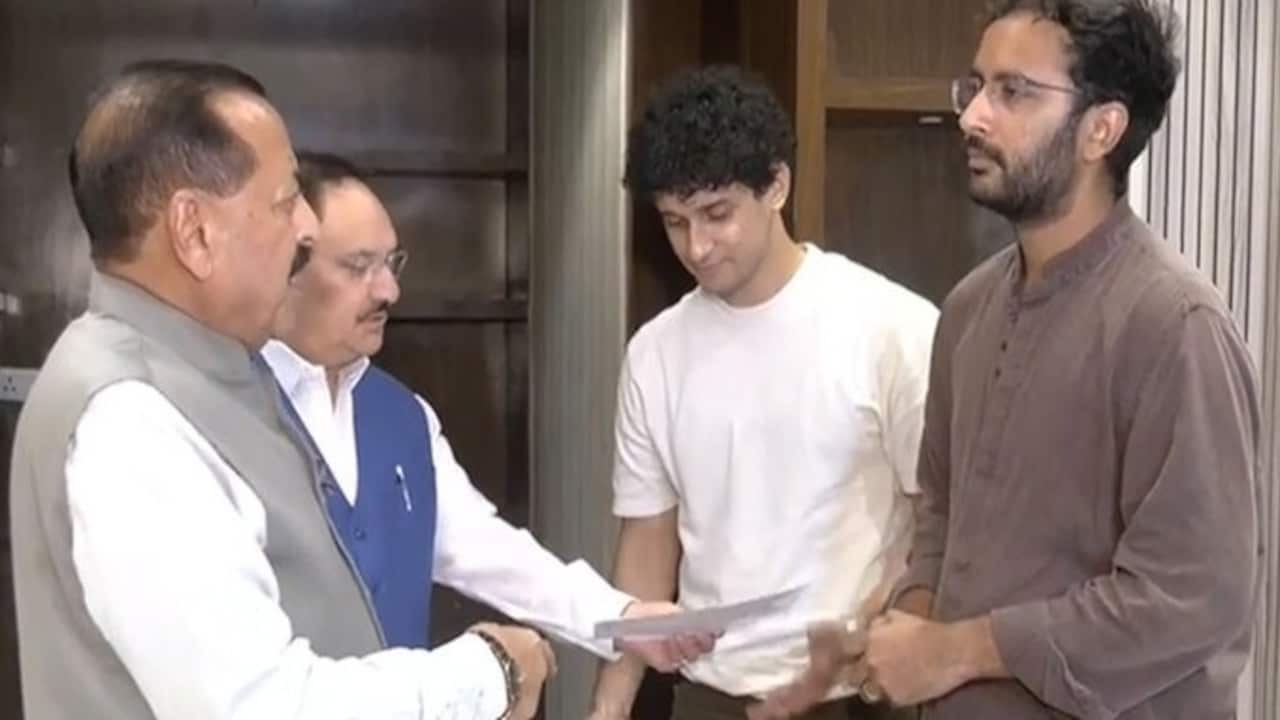
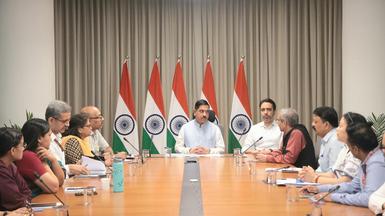
The Centre and CJP held a two hour meeting.
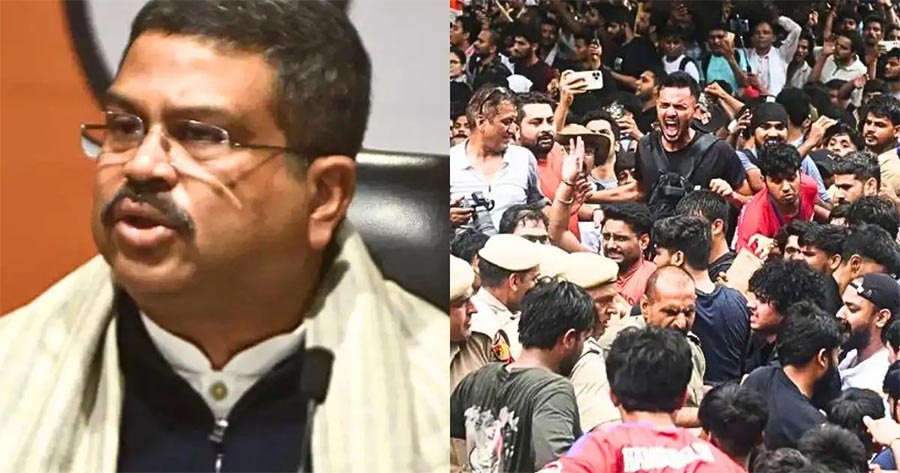
The Centre sought time till Saturday to respond the CJP demand for Dharmendra Pradhan resignation.
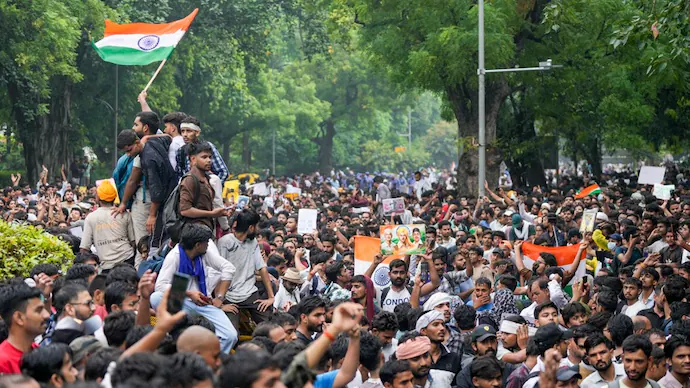
The Congress and the CJP intensified protests over the NEET paper leak as the Centre prepared for crucial talks with students leaders in Delhi.
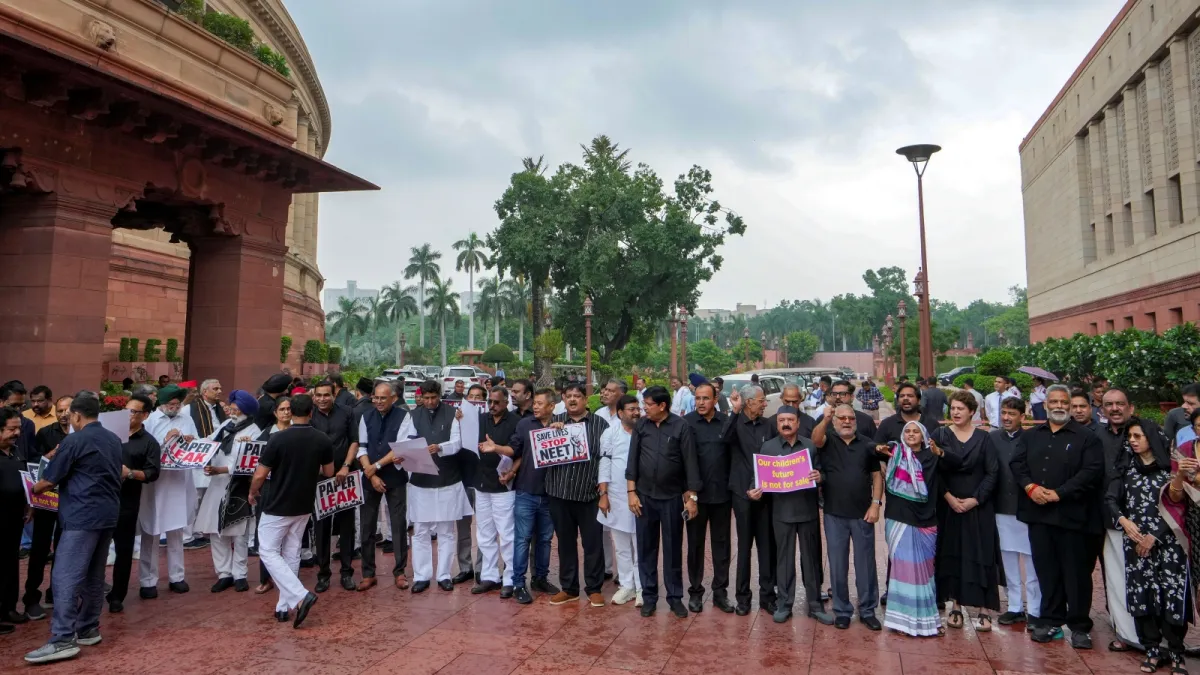
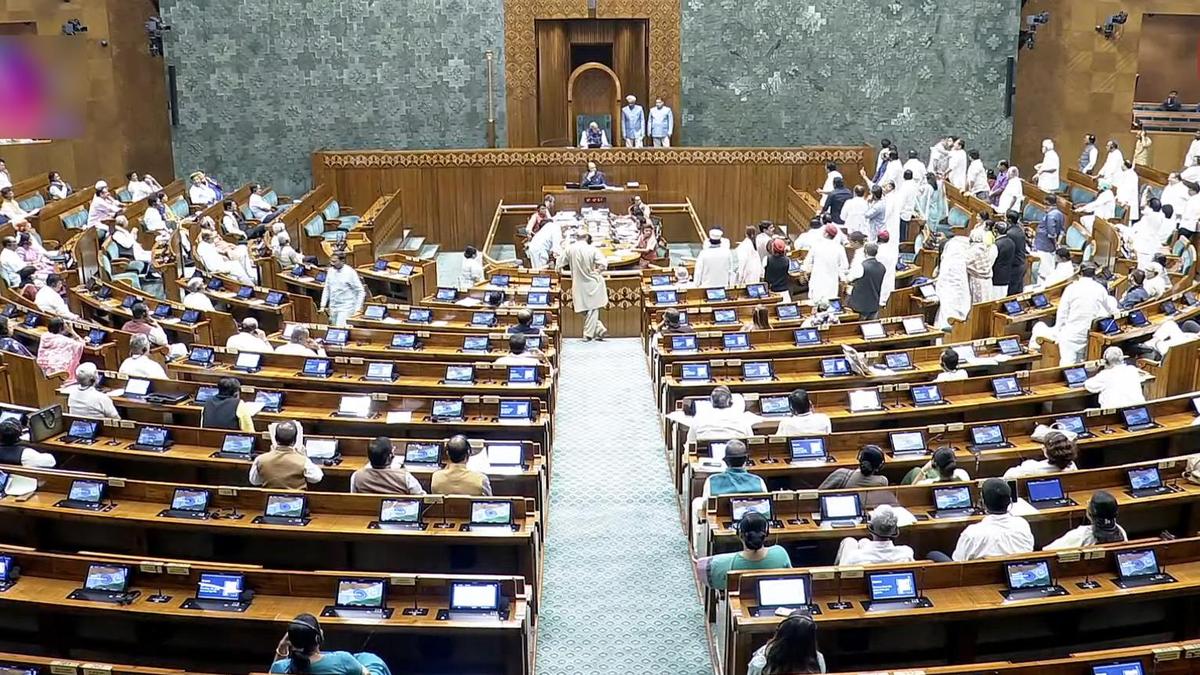
Opposition protests over the paper leak row disrupted Parliament for the fifth straight day.

.jpeg)
Donald Trump has again claimed credit for the India-Pakistan ceasefire as part o...
.jpeg)
Fresh U.S. airstrikes in Iran reportedly killed 14 people, prompting Iranian ret...
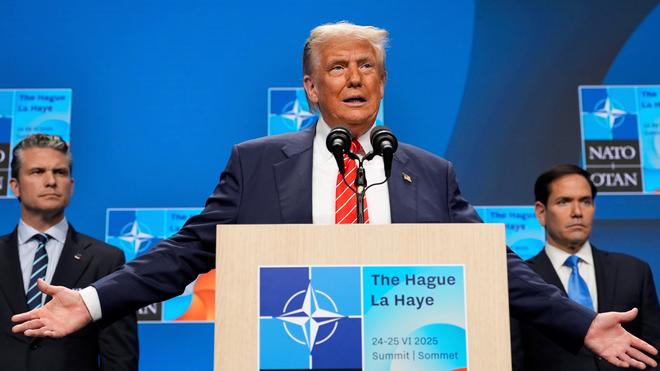
President Donald Trump claimed he is Iran’s “No. 1 target” after security measur...
.jpeg)
Three people were killed in U.S. strikes in western Iran as tensions escalated f...
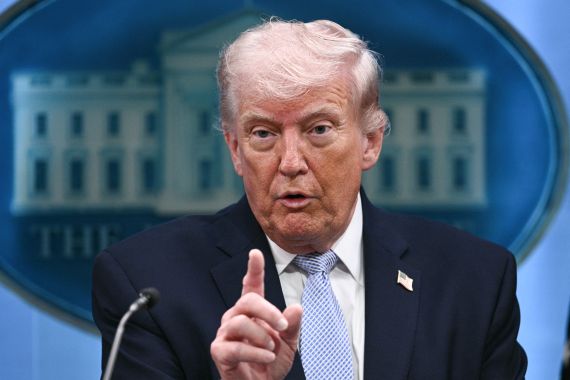
President Donald Trump said the Iran ceasefire is “over” following fresh U.S. st...