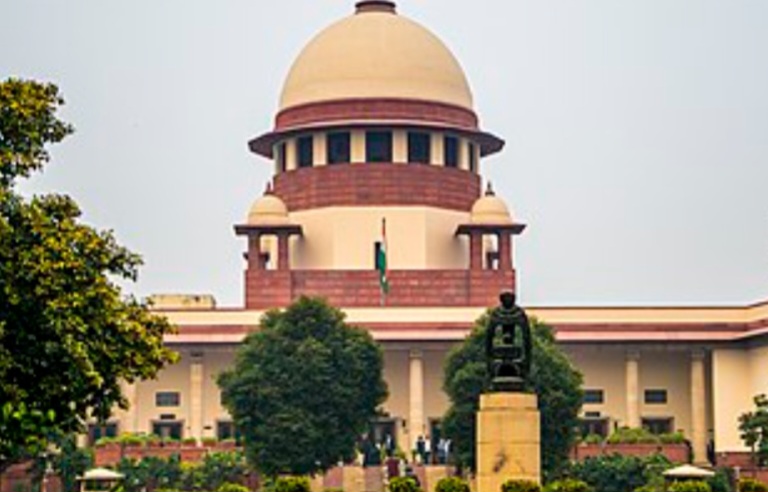
The Supreme Court of India has declined to impose an overall stay on the Waqf Amendment Act, 2025, but has suspended several of its controversial provisions. Chief among the suspended clauses is the one empowering district collectors to rule on whether a property declared as waqf is in fact state/government property, and to make consequential changes in revenue records.
The Court clarified that this religious-practice condition would come into force only after state governments frame rules for assessing what constitutes ‘practising Islam’. The Court upheld the provision for mandatory registration of waqf properties on a centralised digital portal (UM EED) so as to enhance transparency and oversight.
Further, third-party rights in properties under dispute cannot be created until a tribunal or the High Court adjudicates the matter. Other directions include limiting the number of non-Muslim members on waqf bodies: the Central Waqf Council should have no more than four non-Muslim members, and state waqf boards, no more than three
Delivering the judgement, Chief Justice Bhushan R. Gavai emphasized that while legislation must be presumed constitutional, “certain safeguards” are necessary to prevent violation of existing rights.

SBI to Charge ₹15 for Cash Withdrawals Beyond Four Transactions from October 1

Champat Rai Questions Nripendra Misra, Releases 9-Page Statement

Meta Removes Illegal CSAM Accounts Following Government Action

Mukesh Khanna’s call to replace “Jana Gana Mana” with “Vande Mataram” has sparked debate over India’s national symbols and the history behind them.


Iran, Oman and the U.S. are reportedly close to a Strait of Hormuz agreement tha...
.jpeg)
Fresh U.S. airstrikes in Iran reportedly killed 14 people, prompting Iranian ret...

President Donald Trump claimed he is Iran’s “No. 1 target” after security measur...
.jpeg)
Three people were killed in U.S. strikes in western Iran as tensions escalated f...

President Donald Trump said the Iran ceasefire is “over” following fresh U.S. st...