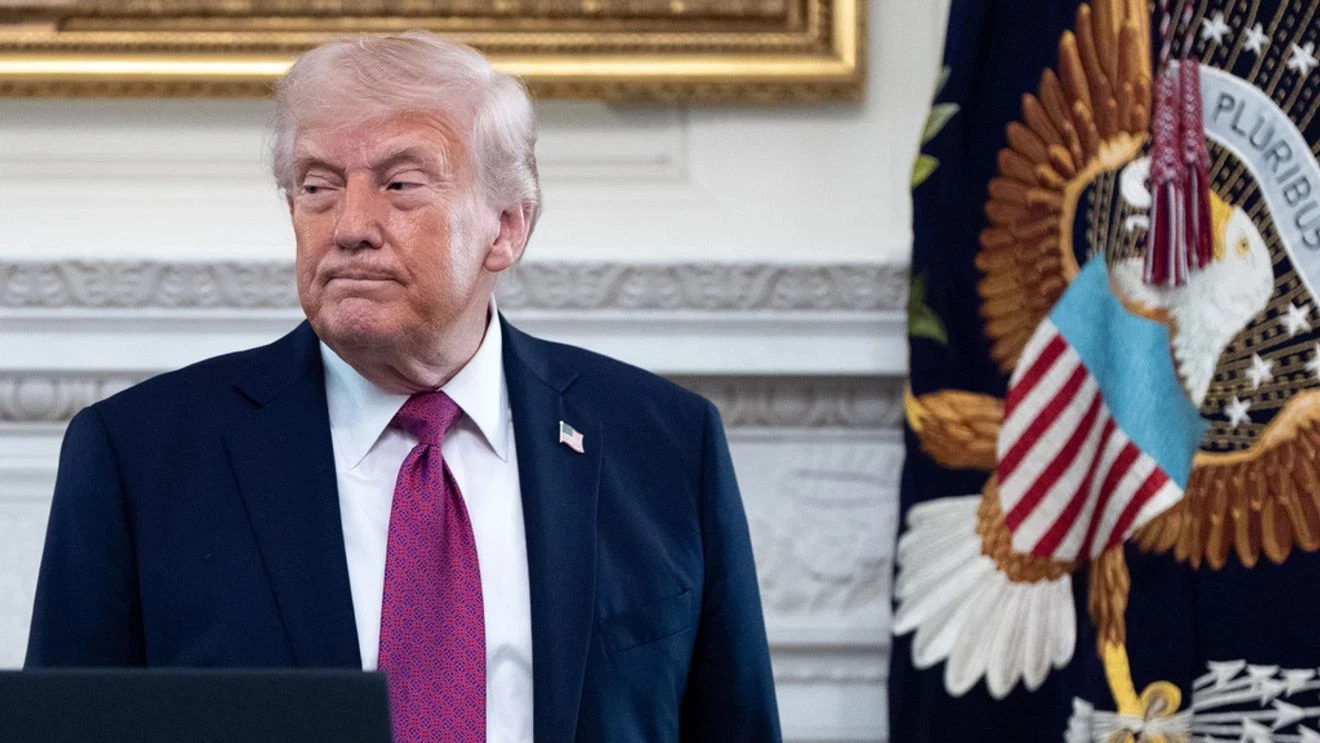
Swapna Kumbar , Bengaluru - As the 60-day War Powers Resolution deadline ticks down to mere hours, President Donald Trump's administration has doubled down on its controversial stance that the United States is not technically "at war" with Iran, despite the ongoing naval blockade of the Strait of Hormuz, sustained military deployments, and billions spent on munitions. Defense Secretary Pete Hegseth told lawmakers the current ceasefire effectively "pauses" Congress's constitutional requirement for war authorization, a legal argument swiftly rejected by Democrats as a dangerous end-run around oversight. With the May 1 deadline fast approaching, the White House faces mounting pressure to either seek formal approval or risk court challenges and Capitol Hill rebellion.
During heated Senate Armed Services Committee hearings, Hegseth insisted the 1973 War Powers Resolution's 60-day clock stops or suspends during ceasefires, framing the Hormuz operations as defensive measures against Iranian aggression rather than hostilities triggering congressional review. Senator Tim Kaine dismissed this as legal fiction, warning it creates a loophole for presidents to wage indefinite conflicts without votes echoing Vietnam era fears that birthed the law. Republicans, fresh off blocking House withdrawal resolutions, argue flexibility is essential against Tehran's nuclear program and proxy threats, citing $25 billion already spent without full accounting. The standoff follows Trump's rejection of Iran's "Hormuz-first" peace offer and orders for extended blockade planning, with Pentagon assessments still tallying base repairs from Iranian strikes. Critics highlight 8 weeks of carrier rotations, drone interceptions, and airstrikes as de facto warfare, while Trump allies maintain limited engagements don't cross the threshold setting up potential Supreme Court tests over executive warmaking powers.
Hegseth's ceasefire-pause gambit grants Trump precious breathing room to sustain pressure on Iran without congressional handcuffs, but at the cost of inflaming constitutional scholars, Democrats, and fiscal hawks demanding transparency on the war's true $40-50 billion toll. If courts or Capitol Hill reject this interpretation, the administration faces troop drawdown mandates or impeachment threats, acceptance cements expansive presidential authority in gray zone conflicts, forever altering checks and balances as the Hormuz crisis grinds into summer.
.jpeg)
Trump cited India’s voter-ID system while backing the SAVE America Act, highlighting differences in voting rules between the two countries.
.jpeg)
A Russian missile strike hit Lakshmi Mittal-linked ArcelorMittal’s steel plant in Ukraine, killing two and injuring several others as the war escalates.

A powerful earthquake in Indonesia has killed 53 people and forced around 5,000 to evacuate, as aftershocks and landslides hamper rescue efforts.

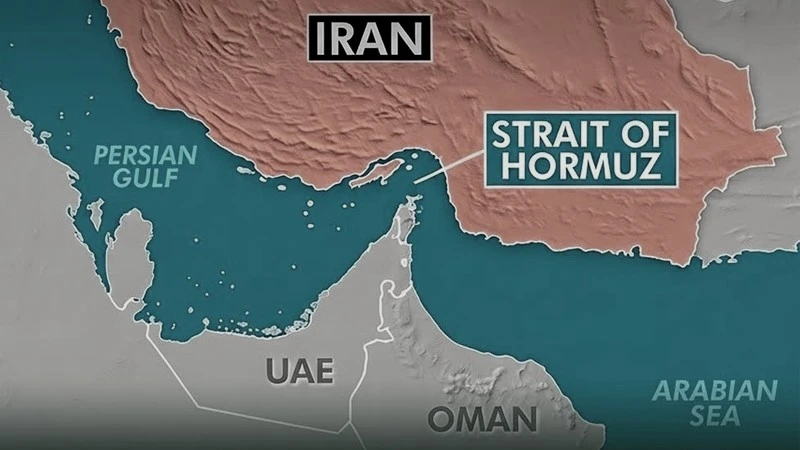
Iran, Oman and the U.S. are reportedly close to a Strait of Hormuz agreement tha...
.jpeg)
Fresh U.S. airstrikes in Iran reportedly killed 14 people, prompting Iranian ret...
President Donald Trump claimed he is Iran’s “No. 1 target” after security measur...
.jpeg)
Three people were killed in U.S. strikes in western Iran as tensions escalated f...
President Donald Trump said the Iran ceasefire is “over” following fresh U.S. st...