.jpeg)
Desk Correspondent , Beijing - Chinese President Xi Jinping has reaffirmed Beijing's commitment to a constructive role in advancing ceasefire negotiations across the war ravaged Gulf region, while firmly calling on all parties to uphold national sovereignty and territorial integrity. This diplomatic outreach comes as fragile truces like the recent two week US-Iran pause tied to reopening the Strait of Hormuz hang in the balance, with China positioning itself as a neutral mediator amid stalled talks and ongoing hostilities. Speaking through official channels including meetings with UAE leaders, Xi emphasized China's active shuttle diplomacy, including Foreign Minister Wang Yi's 26 phone calls and special envoy missions, to de escalate the Iran-US conflict.
China's Foreign Ministry has detailed extensive efforts since the Iran conflict erupted, co proposing a five point peace initiative with Pakistan and condemning unauthorized US-Israel strikes as violations of international law. Premier Li Qiang echoed Xi during talks with Abu Dhabi's Crown Prince, pledging protection for Chinese nationals, investments, and global shipping lanes like Hormuz, while urging swift tension reduction. Foreign Minister Wang Yi stressed safeguarding civilians, non military targets, and energy infrastructure in calls with counterparts like Germany's Johann Wadephul, aligning with Beijing's broader Middle East strategy of non interference and balanced ties.
Xi's vow underscores China's rising influence as a peacemaker, potentially bridging divides where Western efforts falter and prioritizing stability for its energy imports. By advocating sovereignty respect, Beijing aims to foster dialogue over confrontation, offering a counterweight to unilateral actions in this vital corridor.
.jpeg)
Trump cited India’s voter-ID system while backing the SAVE America Act, highlighting differences in voting rules between the two countries.
.jpeg)
A Russian missile strike hit Lakshmi Mittal-linked ArcelorMittal’s steel plant in Ukraine, killing two and injuring several others as the war escalates.
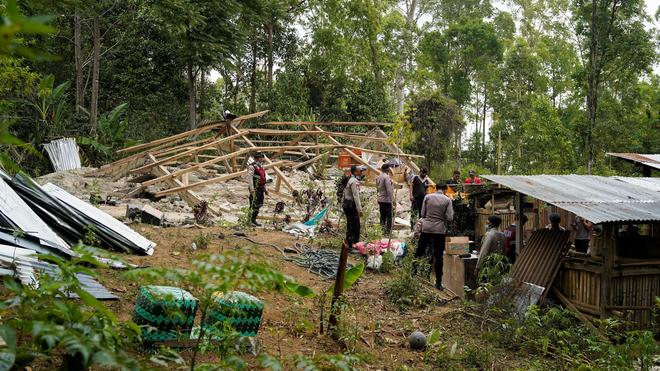
A powerful earthquake in Indonesia has killed 53 people and forced around 5,000 to evacuate, as aftershocks and landslides hamper rescue efforts.

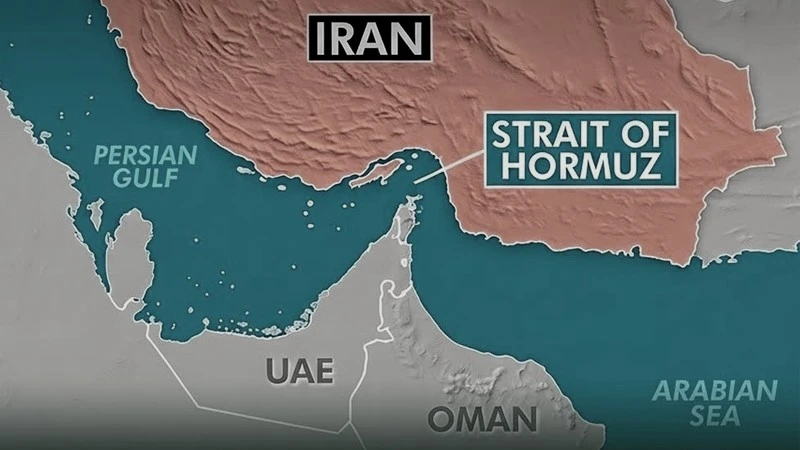
Iran, Oman and the U.S. are reportedly close to a Strait of Hormuz agreement tha...
.jpeg)
Fresh U.S. airstrikes in Iran reportedly killed 14 people, prompting Iranian ret...
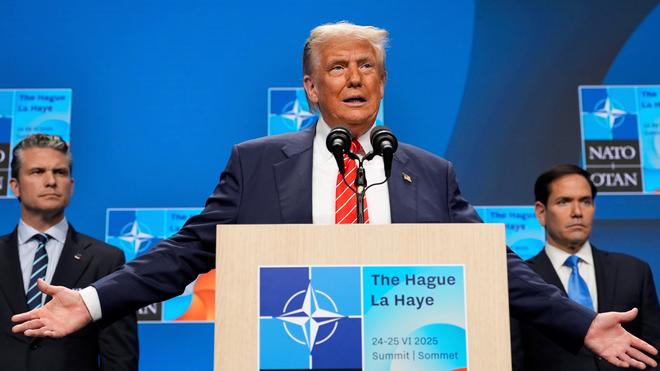
President Donald Trump claimed he is Iran’s “No. 1 target” after security measur...
.jpeg)
Three people were killed in U.S. strikes in western Iran as tensions escalated f...
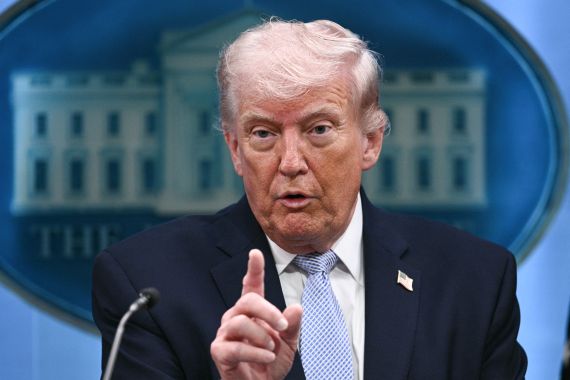
President Donald Trump said the Iran ceasefire is “over” following fresh U.S. st...