
News Desk - Iran’s latest position on the Strait of Hormuz comes amid a fragile U.S.-Iran ceasefire framework that initially allowed toll-free commercial shipping for 60 days, after which Tehran and Oman were expected to discuss the waterway’s future management with other Gulf states. Tehran has now signaled that the strait will not simply revert to pre-war conditions, reinforcing its claim that it will help administer the passage going forward.
Under the memorandum disclosed by U.S. officials, Iran agreed to let commercial vessels pass through Hormuz without tolls for 60 days, with talks afterward to “define the future management and maritime services” of the strait in consultation with Oman and other Gulf countries, while respecting international law and coastal states’ rights. That arrangement was designed to calm one of the world’s most sensitive energy chokepoints after months of fighting, but tensions quickly returned when Iran said it had closed the waterway again in response to alleged ceasefire violations by the U.S. and Israel.
The strategic importance of Hormuz remains enormous: it links the Persian Gulf with the Gulf of Oman and is one of the world’s busiest oil transit routes, so even short disruptions can rattle shipping and energy markets. Maritime trackers reported a slowdown in traffic after Iran’s renewed closure announcement, even as some tankers continued moving through the strait. Iran has also previously said the route can remain open only under coordination with its forces, showing that it wants a direct role in regulating passage rather than a return to unrestricted conditions.
Iran’s statement that Hormuz will be administered by it suggests the dispute is now about long-term control, not just wartime access. That makes the strait one of the most important pressure points in the wider U.S.-Iran standoff.
.jpeg)
Trump cited India’s voter-ID system while backing the SAVE America Act, highlighting differences in voting rules between the two countries.
.jpeg)
A Russian missile strike hit Lakshmi Mittal-linked ArcelorMittal’s steel plant in Ukraine, killing two and injuring several others as the war escalates.
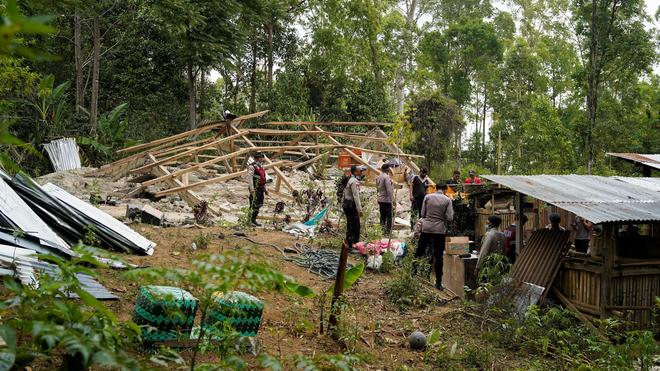
A powerful earthquake in Indonesia has killed 53 people and forced around 5,000 to evacuate, as aftershocks and landslides hamper rescue efforts.

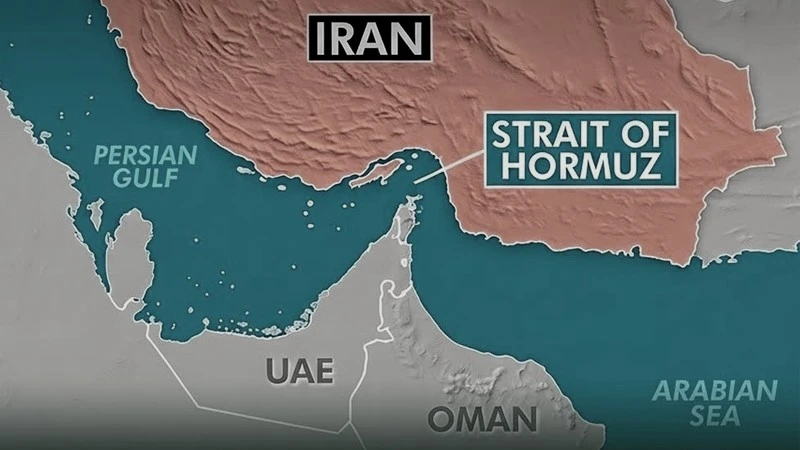
Iran, Oman and the U.S. are reportedly close to a Strait of Hormuz agreement tha...
.jpeg)
Fresh U.S. airstrikes in Iran reportedly killed 14 people, prompting Iranian ret...
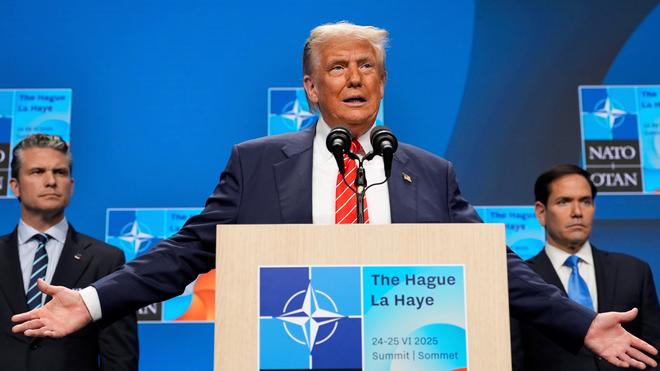
President Donald Trump claimed he is Iran’s “No. 1 target” after security measur...
.jpeg)
Three people were killed in U.S. strikes in western Iran as tensions escalated f...
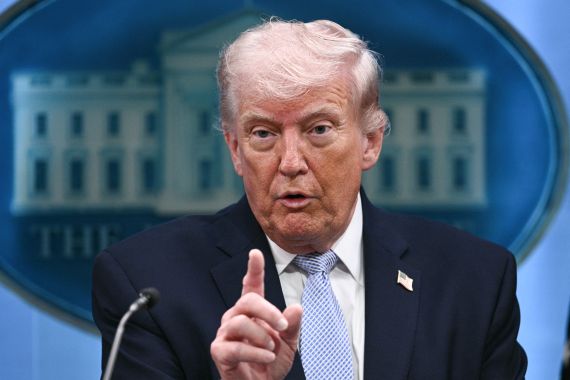
President Donald Trump said the Iran ceasefire is “over” following fresh U.S. st...