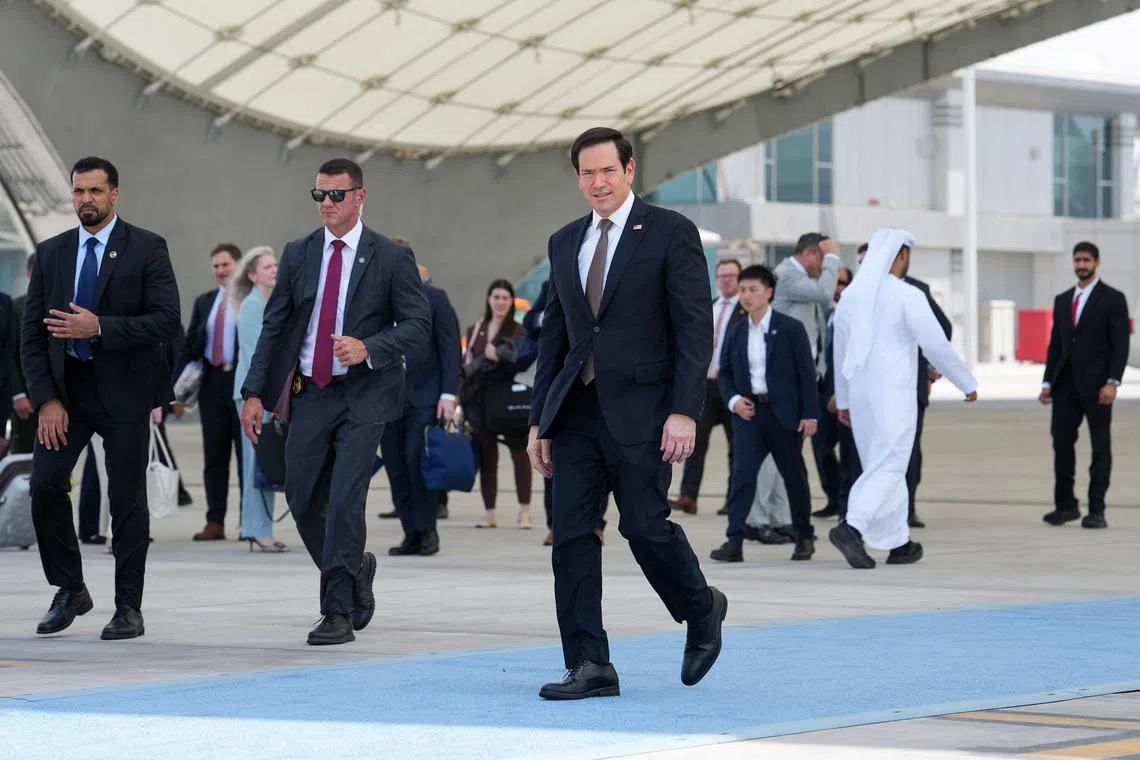
News Desk - Iran’s chief negotiator Mohammad Bagher Ghalibaf has described the U.S.-Iran agreement to end the West Asia war as “America’s declaration of defeat,” framing the deal as a victory for Iranian resilience rather than a result of pressure. His comments came as U.S. Secretary of State Marco Rubio arrived in the United Arab Emirates to reassure Gulf allies about the tentative accord and its implications for regional security.
Speaking at a conference in Azerbaijan that was broadcast on Iranian television, Ghalibaf said the Islamabad understanding was not the result of coercion but of “the resistance and authority of the brave Iranian nation,” and argued that West Asian security should be handled by regional countries themselves. The remarks are part of Iran’s effort to present the deal as a strategic win at home, while also signaling that Tehran does not see itself as yielding to American pressure.
Rubio’s trip to the UAE is the first leg of a Gulf tour that also includes Kuwait and Bahrain, with the Trump administration aiming to explain the preliminary Iran accord directly to allies who host key U.S. military bases. Reuters-linked reporting said the visit comes after two days of diplomacy in Switzerland led by Vice President JD Vance, which produced a tentative framework to halt hostilities, reopen the Strait of Hormuz, and provide sanctions relief, while leaving the nuclear question to be finalized within 60 days. Reports also say Iran’s nuclear sites are likely to be inspected as part of the arrangement, although the exact scope and timing remain sensitive and are still being discussed.
The latest statements show how differently Washington and Tehran are selling the same agreement: the U.S. as a fragile peace framework, and Iran as proof of its strength. With Rubio trying to reassure Gulf partners and inspections still a likely part of the deal, the coming days will determine whether the accord stabilizes the region or remains politically contested.
.jpeg)
Trump cited India’s voter-ID system while backing the SAVE America Act, highlighting differences in voting rules between the two countries.
.jpeg)
A Russian missile strike hit Lakshmi Mittal-linked ArcelorMittal’s steel plant in Ukraine, killing two and injuring several others as the war escalates.
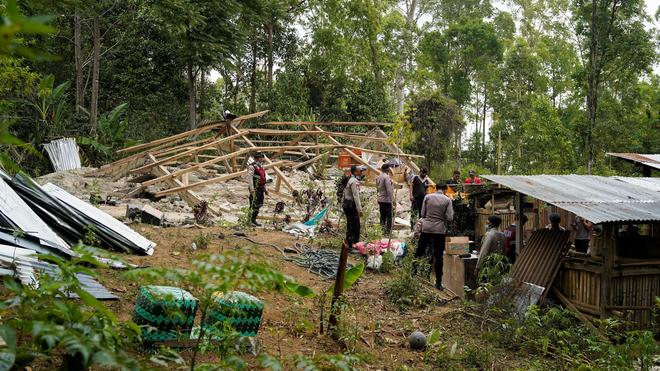
A powerful earthquake in Indonesia has killed 53 people and forced around 5,000 to evacuate, as aftershocks and landslides hamper rescue efforts.

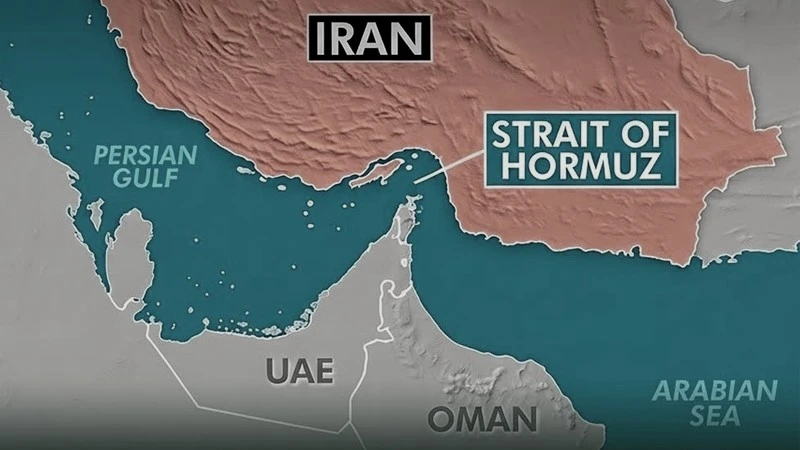
Iran, Oman and the U.S. are reportedly close to a Strait of Hormuz agreement tha...
.jpeg)
Fresh U.S. airstrikes in Iran reportedly killed 14 people, prompting Iranian ret...
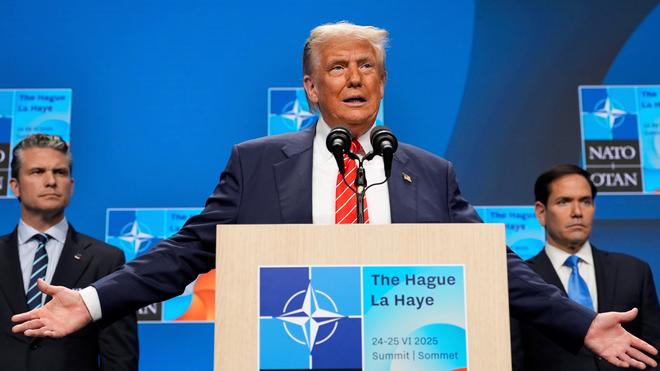
President Donald Trump claimed he is Iran’s “No. 1 target” after security measur...
.jpeg)
Three people were killed in U.S. strikes in western Iran as tensions escalated f...
President Donald Trump said the Iran ceasefire is “over” following fresh U.S. st...