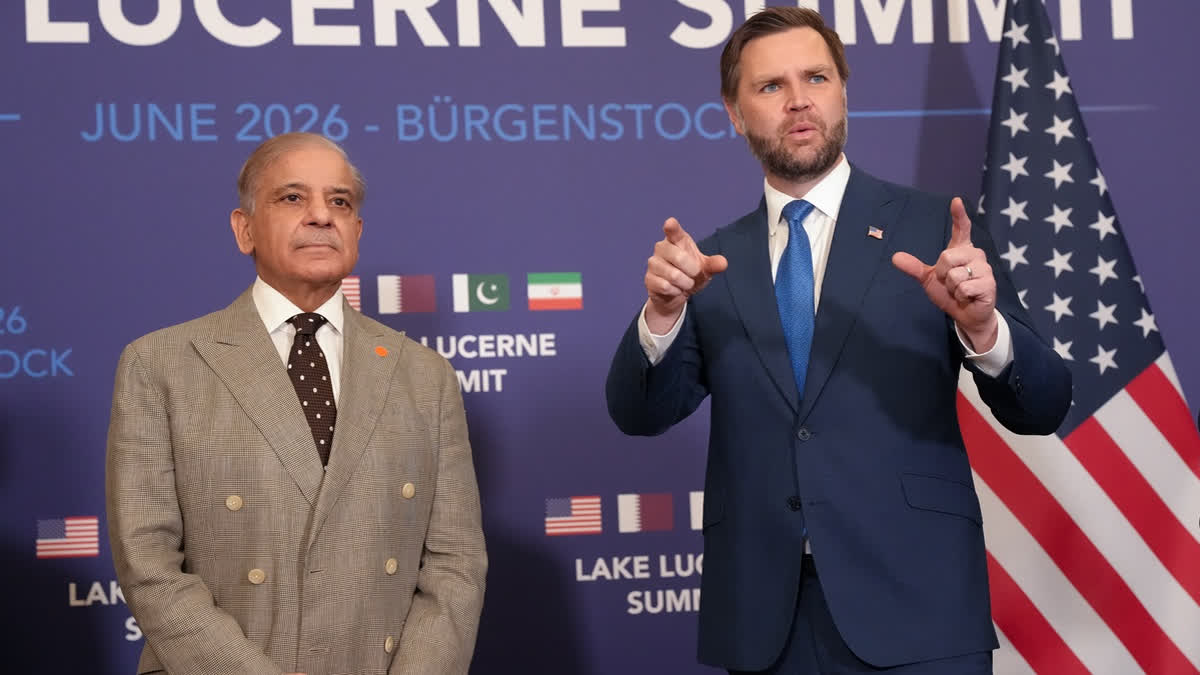
News Desk - Iran Foreign Minister Abbas Araghchi announced Monday, June 22, 2026 that there was "major progress" in talks with the United States in Switzerland, as Iran and the U.S. agreed to establish a "de-confliction cell" involving Lebanon to ensure the complete cessation of military operations in the country.
The de-confliction cell, coordinated by mediating countries Pakistan and Qatar, will operate between the U.S., Iran, and the Lebanese Republic to guarantee adherence to the termination of military operations in Lebanon, according to a joint statement released by the mediators on Monday. This agreement comes as negotiators enter a critical 60-day sprint to finalize the technical details of the 14-point Islamabad Memorandum of Understanding signed between President Donald Trump and Iran President Masoud Pezeshkian last week, with both sides agreeing on a roadmap for a final deal within the 60-day timeframe.
The breakthrough addresses one of Iran's top priorities: ensuring the ceasefire in Lebanon is enforced, particularly after continued Israeli military operations in the country threatened to derail the negotiations. The de-confliction cell represents a potential setback to Israeli operations in Lebanon and its occupation of Lebanese territories, as it aims to ensure compliance with the Memorandum of Understanding (MoU) that requires a ceasefire "on all fronts," including Lebanon. Araghchi characterized the Geneva talks as having achieved "major progress," signaling momentum toward concluding the over three month war between the U.S. and Iran.
The establishment of the de-confliction cell marks a significant step toward ending military conflict in Lebanon while negotiators advance toward finalizing the U.S.-Iran deal, though Iran has warned it will only commit to a final agreement once it sees the U.S. honoring the deal's terms.
.jpeg)
Trump cited India’s voter-ID system while backing the SAVE America Act, highlighting differences in voting rules between the two countries.
.jpeg)
A Russian missile strike hit Lakshmi Mittal-linked ArcelorMittal’s steel plant in Ukraine, killing two and injuring several others as the war escalates.
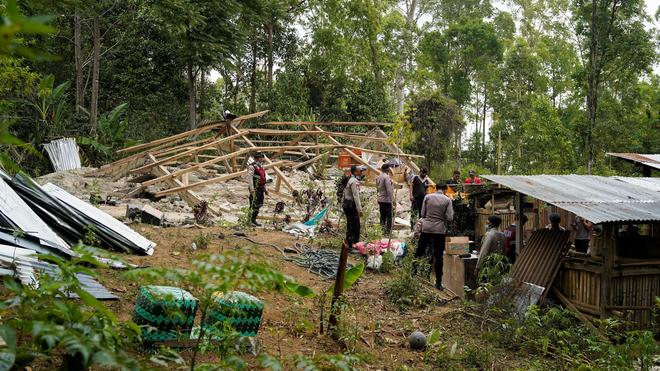
A powerful earthquake in Indonesia has killed 53 people and forced around 5,000 to evacuate, as aftershocks and landslides hamper rescue efforts.

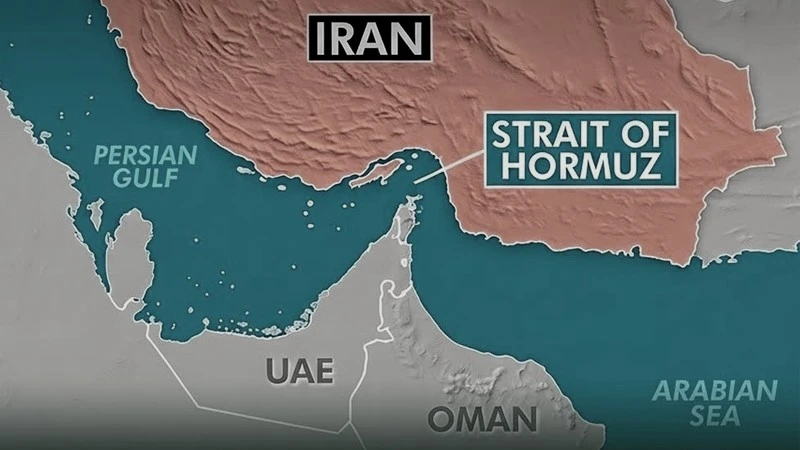
Iran, Oman and the U.S. are reportedly close to a Strait of Hormuz agreement tha...
.jpeg)
Fresh U.S. airstrikes in Iran reportedly killed 14 people, prompting Iranian ret...
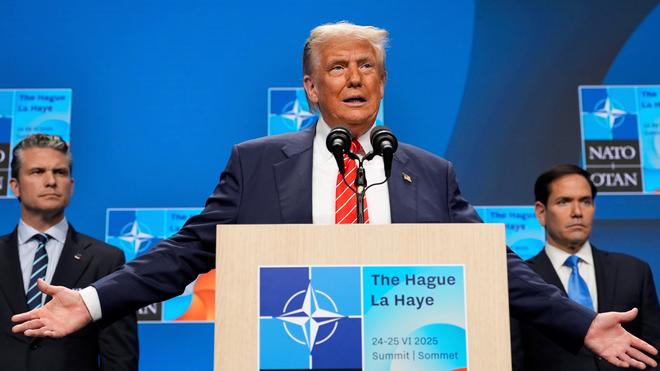
President Donald Trump claimed he is Iran’s “No. 1 target” after security measur...
.jpeg)
Three people were killed in U.S. strikes in western Iran as tensions escalated f...
President Donald Trump said the Iran ceasefire is “over” following fresh U.S. st...