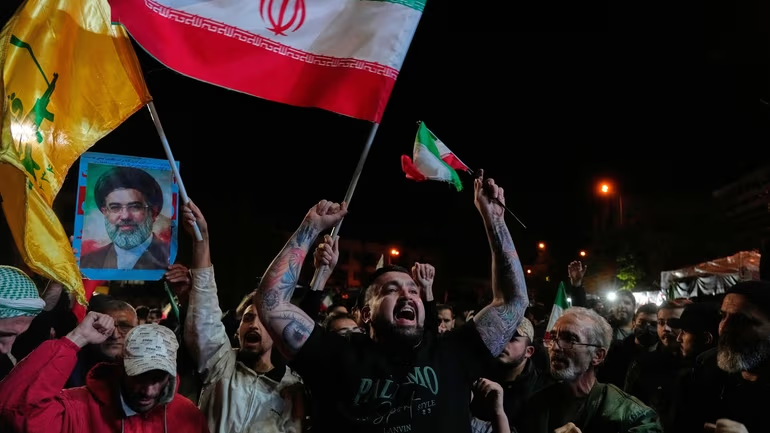
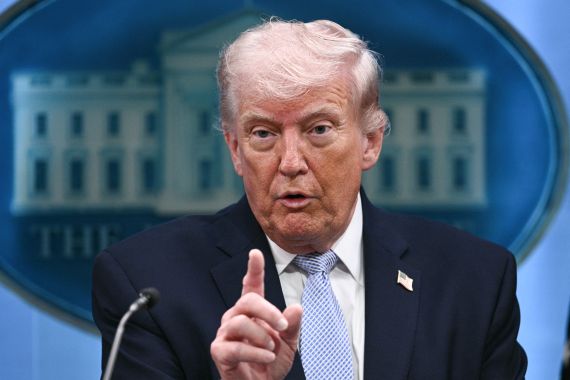
Desk Correspondent , Tehran - A temporary 14 day truce is now in place between the United States and Iran after weeks of escalating conflict that severely disrupted global energy supplies through the Strait of Hormuz. President Donald Trump has declared the ceasefire a “total victory,” but critics and analysts are warning that the crisis may mark a “Suez moment” style turning point for American global influence.
Under the conditional ceasefire, both sides have agreed to halt major military operations, with Iranian forces pledging to stop defensive actions if attacks on Iran cease and the U.S. committing not to resume large scale strikes. The deal allows the Strait of Hormuz to reopen for commercial traffic, easing pressure on oil markets that had pushed crude prices toward record highs during the six week standoff.
Trump has framed the truce as a forceful outcome of his earlier threats of devastating strikes on Iran’s power plants and bridges, claiming Washington forced Tehran to back down. Yet several foreign policy commentators and outlets are drawing parallels to the 1956 Suez crisis, arguing that the Hormuz episode exposes limits on U.S. ability to guarantee safe shipping lanes and preserve regional order, prompting questions about the durability of American primacy.
Delegations from Washington and Tehran are scheduled to meet in Islamabad under Pakistani mediation to discuss wider issues, including sanctions relief, U.S. force posture in the Gulf, and long‑term arrangements for Hormuz security. Global markets have reacted positively so far, with oil prices correcting sharply downward, though analysts warn that the ceasefire remains fragile and any renewed flare‑up could quickly revive the energy crisis.
.jpeg)
Trump cited India’s voter-ID system while backing the SAVE America Act, highlighting differences in voting rules between the two countries.
.jpeg)
A Russian missile strike hit Lakshmi Mittal-linked ArcelorMittal’s steel plant in Ukraine, killing two and injuring several others as the war escalates.
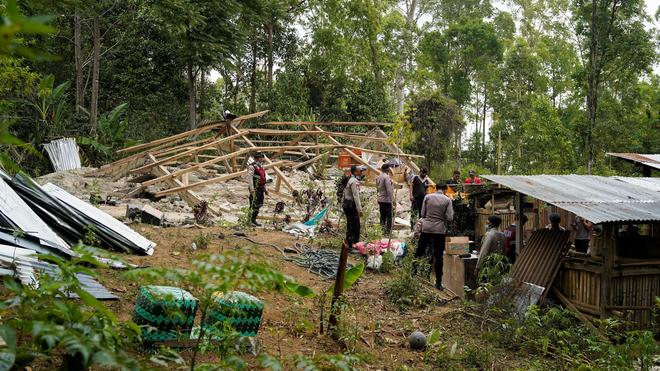
A powerful earthquake in Indonesia has killed 53 people and forced around 5,000 to evacuate, as aftershocks and landslides hamper rescue efforts.

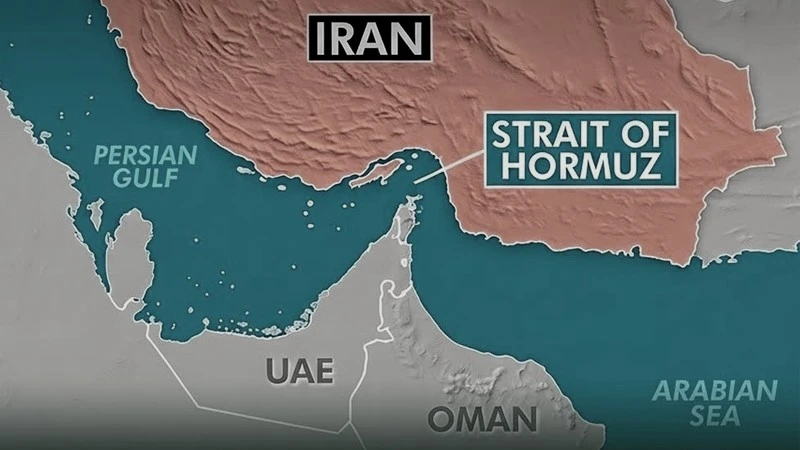
Iran, Oman and the U.S. are reportedly close to a Strait of Hormuz agreement tha...
.jpeg)
Fresh U.S. airstrikes in Iran reportedly killed 14 people, prompting Iranian ret...
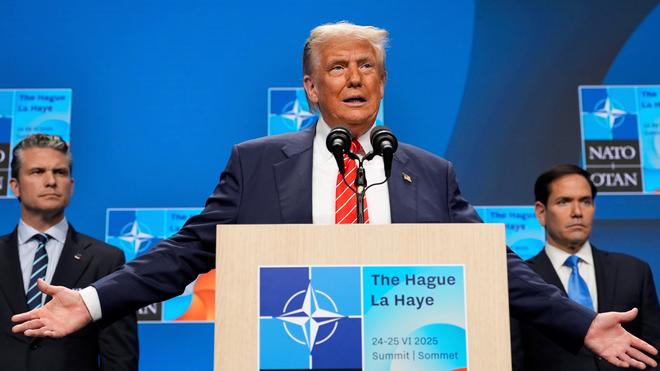
President Donald Trump claimed he is Iran’s “No. 1 target” after security measur...
.jpeg)
Three people were killed in U.S. strikes in western Iran as tensions escalated f...
President Donald Trump said the Iran ceasefire is “over” following fresh U.S. st...