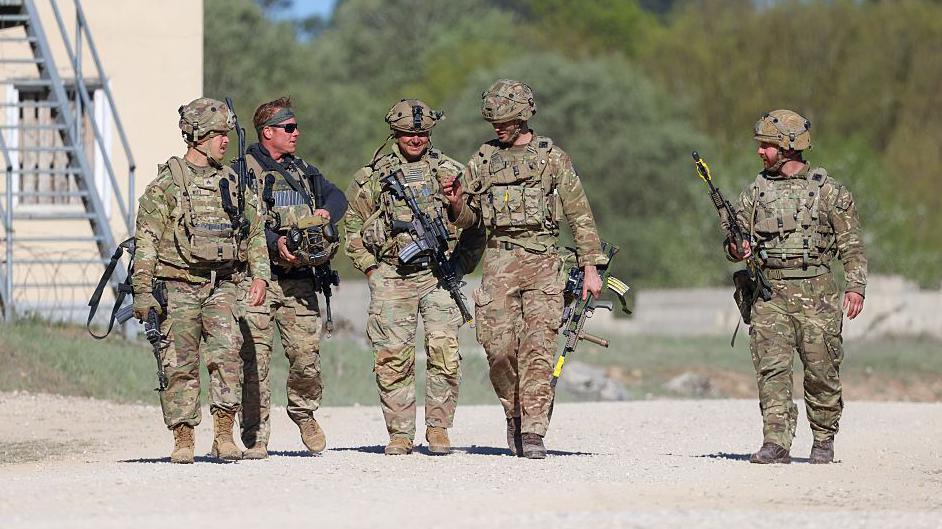
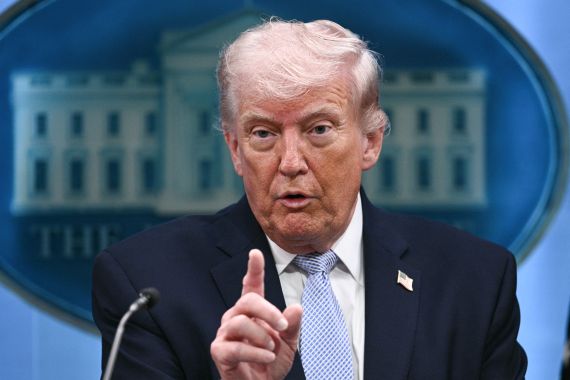
Swapna Kumbar , Bengaluru - The United States has announced plans to withdraw 5,000 troops from Germany, reducing its presence from approximately 35,000 to 30,000 personnel, following a public clash between President Donald Trump and German Chancellor Friedrich Merz over NATO burden sharing and support for the Iran conflict. The move signals escalating transatlantic tensions as Trump pressures European allies to increase defense spending to 3% of GDP amid the ongoing Hormuz blockade and regional instability.
The decision comes after Merz publicly criticized Trump's Iran strategy as escalatory and questioned Germany's ability to back unconditional US operations without clearer congressional authorization. Trump fired back on Truth Social, calling Merz weak on NATO and demanding Germany host fewer US forces while paying more for the privilege echoing his first-term threats to pull troops entirely. Pentagon officials confirmed the cuts target rotational units and support staff at Ramstein Air Base and other facilities, with some personnel redeploying to Poland and Romania to bolster eastern flank defenses against Russia. The spat highlights deepening NATO fissures: Germany lags at 1.8% GDP defense spending despite Merz's coalition pledges, while Trump demands immediate 3% hikes from all allies to fund Iran war costs ($25-50B+) and replenish munitions stockpiles depleted by Hormuz operations. Berlin counters that economic support via energy purchases and sanctions compliance constitutes substantial burden sharing.
The 5,000 troop cut marks Trump's most concrete NATO retaliation yet, straining US-German relations as the Iran war exposes alliance fault lines over burden sharing, war powers, and Middle East strategy. Merz faces domestic backlash for alienating Washington, while Trump gains leverage to force European spending hikes but risks weakening collective defense just as Russian and Iranian threats converge.
.jpeg)
Trump cited India’s voter-ID system while backing the SAVE America Act, highlighting differences in voting rules between the two countries.
.jpeg)
A Russian missile strike hit Lakshmi Mittal-linked ArcelorMittal’s steel plant in Ukraine, killing two and injuring several others as the war escalates.
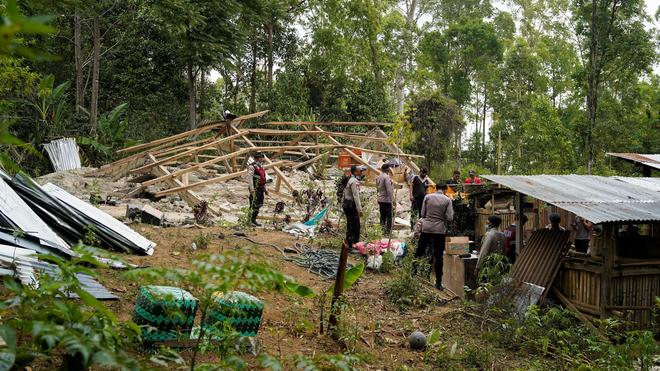
A powerful earthquake in Indonesia has killed 53 people and forced around 5,000 to evacuate, as aftershocks and landslides hamper rescue efforts.

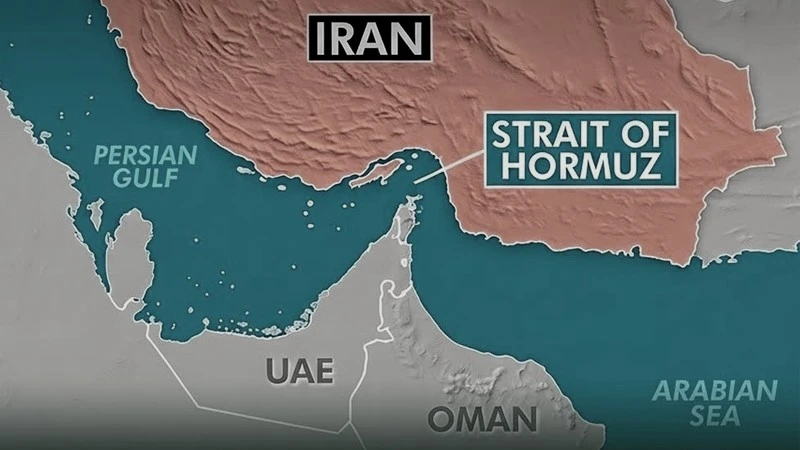
Iran, Oman and the U.S. are reportedly close to a Strait of Hormuz agreement tha...
.jpeg)
Fresh U.S. airstrikes in Iran reportedly killed 14 people, prompting Iranian ret...
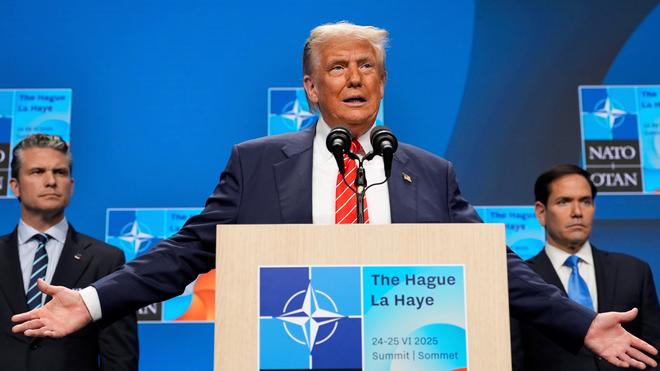
President Donald Trump claimed he is Iran’s “No. 1 target” after security measur...
.jpeg)
Three people were killed in U.S. strikes in western Iran as tensions escalated f...
President Donald Trump said the Iran ceasefire is “over” following fresh U.S. st...