Swapna Kumbar , Bengaluru - A fresh trade challenge has emerged for India after the United States Trade Representative (USTR) proposed imposing an additional 12.5% tariff on imports from India and dozens of other countries. The move follows a Section 301 investigation in which Washington concluded that several trading partners had failed to adequately prohibit or enforce bans on imports produced with forced labour, creating what it described as unfair competition for American businesses and workers.
The proposed duties are part of a broader USTR action targeting 60 economies, including India, China, Japan, South Korea, Brazil, and several Gulf and Asian nations. According to the findings, India falls within a group facing a proposed 12.5% tariff, while a smaller number of economies would face a 10% rate. The investigation was launched in March under Section 301 of the US Trade Act of 1974 and examined whether governments had adopted and effectively enforced measures to block imports made with forced labour. USTR officials argued that weak enforcement allows products made under exploitative labour conditions to gain an unfair cost advantage in global trade.
The proposal is not yet final and remains open for public consultation before any decision is implemented. The development comes at a sensitive time as India and the United States continue discussions on broader trade and economic cooperation. Trade experts say the proposed tariffs could affect key export sectors if approved, although negotiations and consultations may still alter the final outcome. The USTR has scheduled a public comment process and hearings before making a final determination.
While the proposed tariff has not yet taken effect, it signals a tougher US stance on global supply chains and labour standards. The outcome of the consultation process will be closely watched by governments, exporters, and businesses worldwide, particularly in countries like India that could face significant additional duties if the proposal moves forward.
.jpeg)
Trump cited India’s voter-ID system while backing the SAVE America Act, highlighting differences in voting rules between the two countries.
.jpeg)
A Russian missile strike hit Lakshmi Mittal-linked ArcelorMittal’s steel plant in Ukraine, killing two and injuring several others as the war escalates.
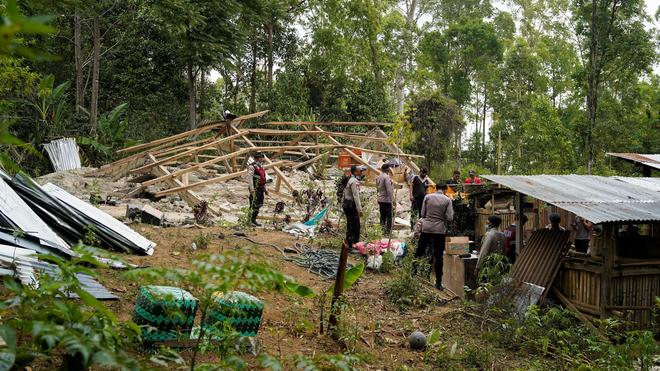
A powerful earthquake in Indonesia has killed 53 people and forced around 5,000 to evacuate, as aftershocks and landslides hamper rescue efforts.

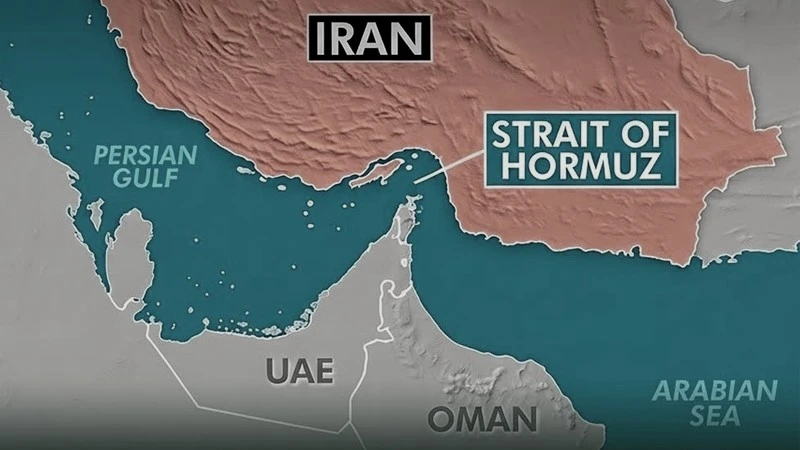
Iran, Oman and the U.S. are reportedly close to a Strait of Hormuz agreement tha...
.jpeg)
Fresh U.S. airstrikes in Iran reportedly killed 14 people, prompting Iranian ret...
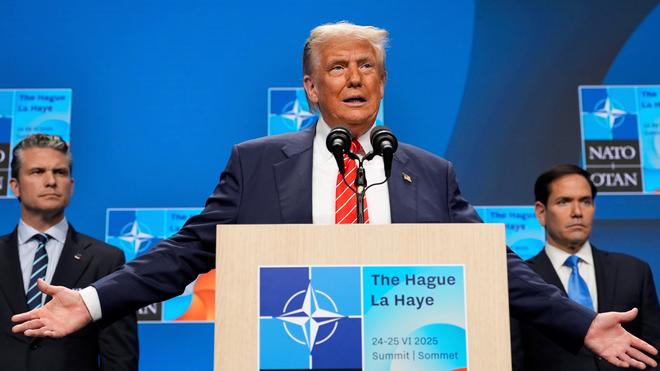
President Donald Trump claimed he is Iran’s “No. 1 target” after security measur...
.jpeg)
Three people were killed in U.S. strikes in western Iran as tensions escalated f...
President Donald Trump said the Iran ceasefire is “over” following fresh U.S. st...