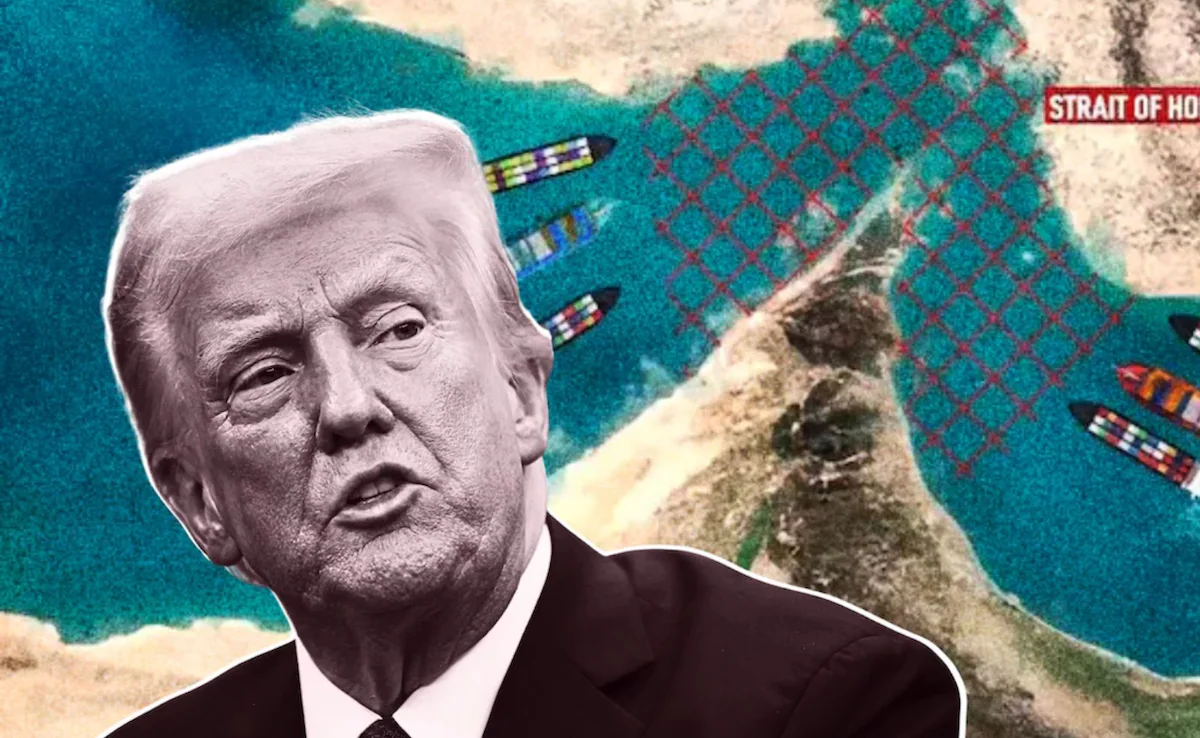
Desk Correspondent , Washington DC - President Donald Trump has issued a fresh 48 hour ultimatum to Iran, demanding that Tehran either “make a deal” or fully reopen the Strait of Hormuz for shipping, or face severe military consequences. The warning, posted on his Truth Social platform, repeats and sharpens Trump’s earlier threats, declaring that if Iran does not comply within the narrow window, “all hell will rain down on them” and US forces will strike key Iranian energy infrastructure, including power plants and oil facilities.
Trump’s message explicitly links two conditions: Iran must either enter into a US backed agreement to de escalate the ongoing war or allow unhindered passage through the Strait of Hormuz, a critical chokepoint through which roughly 20% of global oil and natural gas supplies flow. He recalled a previous 10 day deadline he had given Iran and warned that time is now “running out” suggesting that the United States will soon escalate against Iran’s electrical generation sites if the strait remains blocked or negotiations stall. The threat is framed as a last chance push to force Iran into concessions on both the war and regional security, at a time when much of global trade has already been rerouted or disrupted.
The 48‑hour notice has intensified pressure on Tehran, where officials have so far dismissed the ultimatum as bluster while maintaining their blockade style posture in the Gulf, citing their self defence against ongoing US led strikes inside Iran. Energy markets have yo yoed on the news, with traders bracing for either a sudden diplomatic breakthrough or a fresh wave of attacks on Iranian power and oil infrastructure, which could further spike global fuel prices and deepen the ongoing energy crisis. Analysts say the ultimatum reflects Trump’s attempt to tighten the screws on Iran without a full scale ground invasion, but warn that such deadline driven rhetoric risks miscalculation and could trigger a wider escalation in the Strait of Hormuz crisis.
.jpeg)
Trump cited India’s voter-ID system while backing the SAVE America Act, highlighting differences in voting rules between the two countries.
.jpeg)
A Russian missile strike hit Lakshmi Mittal-linked ArcelorMittal’s steel plant in Ukraine, killing two and injuring several others as the war escalates.
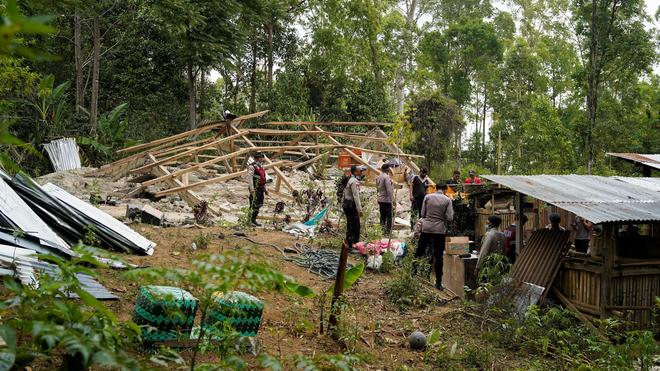
A powerful earthquake in Indonesia has killed 53 people and forced around 5,000 to evacuate, as aftershocks and landslides hamper rescue efforts.

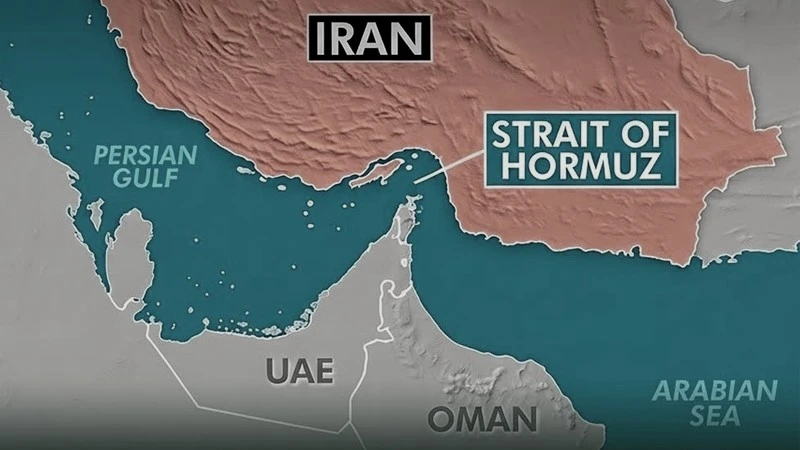
Iran, Oman and the U.S. are reportedly close to a Strait of Hormuz agreement tha...
.jpeg)
Fresh U.S. airstrikes in Iran reportedly killed 14 people, prompting Iranian ret...
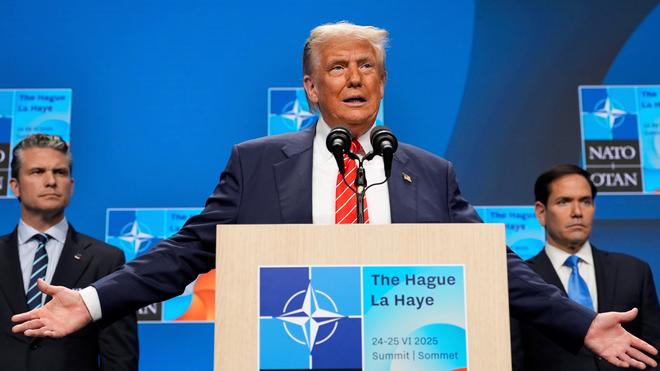
President Donald Trump claimed he is Iran’s “No. 1 target” after security measur...
.jpeg)
Three people were killed in U.S. strikes in western Iran as tensions escalated f...
President Donald Trump said the Iran ceasefire is “over” following fresh U.S. st...