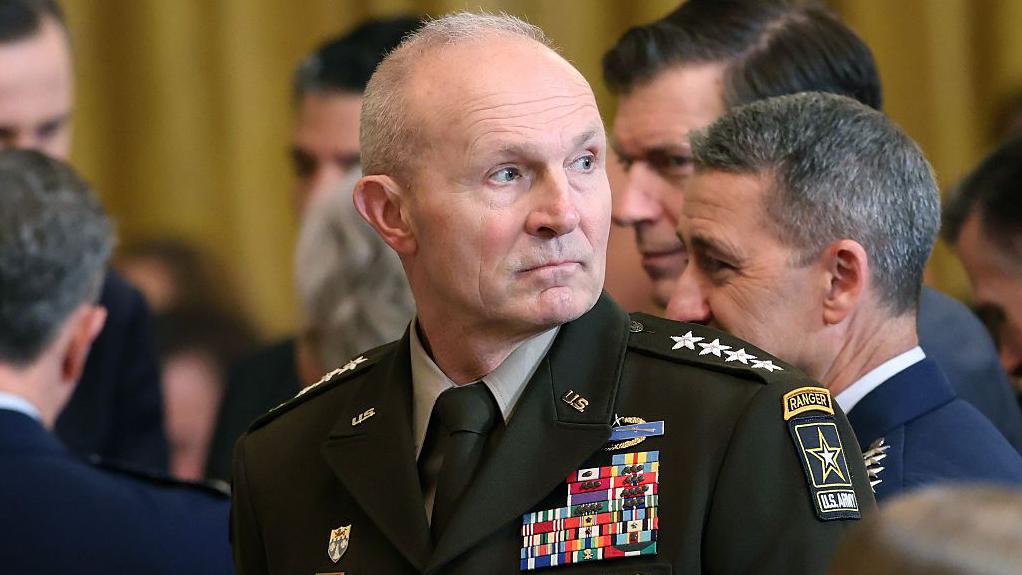
Desk Correspondent , Washington DC - The United States has abruptly removed General Randy George, the Army Chief of Staff, from his post while the US is actively engaged in the Iran war, marking a rare shake up of the military’s top leadership during an ongoing conflict. Defense Secretary Pete Hegseth has asked George to retire immediately, with the Pentagon confirming that he will step down as the 41st Chief of Staff of the Army effective at once. Two other senior generals were also relieved, deepening concerns about stability at the highest levels of the US military.
The official statement from the Pentagon describes George’s exit as a leadership change and expresses gratitude for his decades of service, but gives no detailed public explanation for the move. US media and unnamed officials report that Hegseth has privately signalled dissatisfaction with the pace and execution of the Iran campaign, with commentators suggesting disagreements over strategy, force use, and the management of the Army’s role in the broader war effort. The removal comes shortly after President Donald Trump insisted in a prime time address that the war would be resolved “shortly,” even as new strikes and missile threats point to a protracted conflict.
The sudden sacking of the Army’s most senior officer during a war has triggered alarm among defence analysts and lawmakers, with critics warning that it could undermine military cohesion and invite further politicisation of the armed forces. Supporters of the administration, however, portray the move as a strategic reset that will toughen the US‑Iran campaign and align leadership more closely with the president’s hard line stance. As the Pentagon searches for a successor, the episode has intensified debate over civil military relations and the risks of high level leadership changes when major operations are already underway.
.jpeg)
Trump cited India’s voter-ID system while backing the SAVE America Act, highlighting differences in voting rules between the two countries.
.jpeg)
A Russian missile strike hit Lakshmi Mittal-linked ArcelorMittal’s steel plant in Ukraine, killing two and injuring several others as the war escalates.
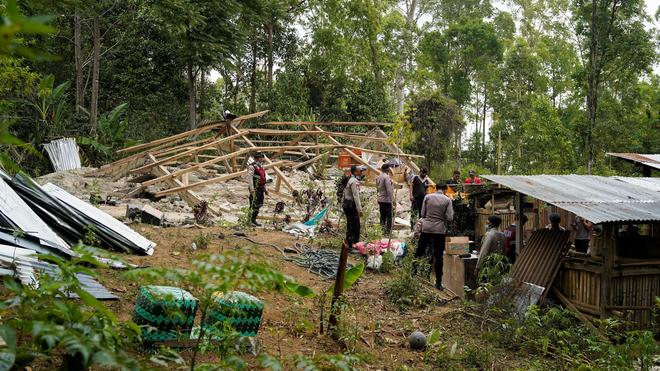
A powerful earthquake in Indonesia has killed 53 people and forced around 5,000 to evacuate, as aftershocks and landslides hamper rescue efforts.

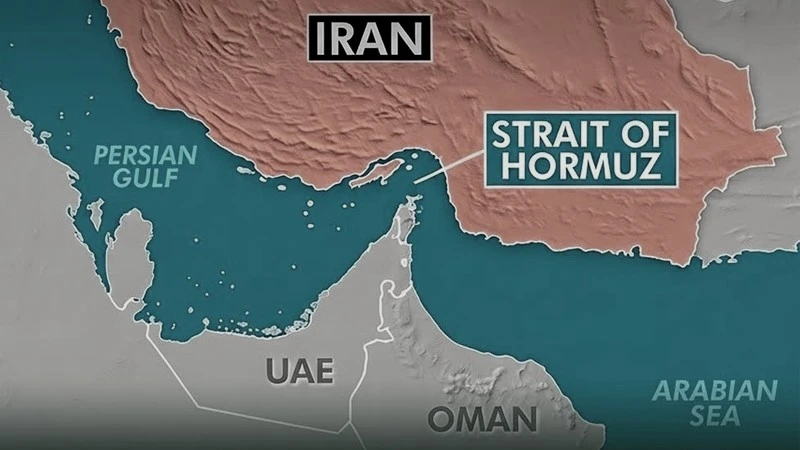
Iran, Oman and the U.S. are reportedly close to a Strait of Hormuz agreement tha...
.jpeg)
Fresh U.S. airstrikes in Iran reportedly killed 14 people, prompting Iranian ret...
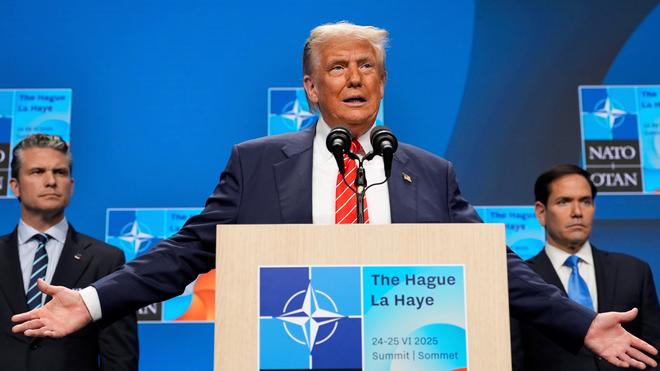
President Donald Trump claimed he is Iran’s “No. 1 target” after security measur...
.jpeg)
Three people were killed in U.S. strikes in western Iran as tensions escalated f...
President Donald Trump said the Iran ceasefire is “over” following fresh U.S. st...