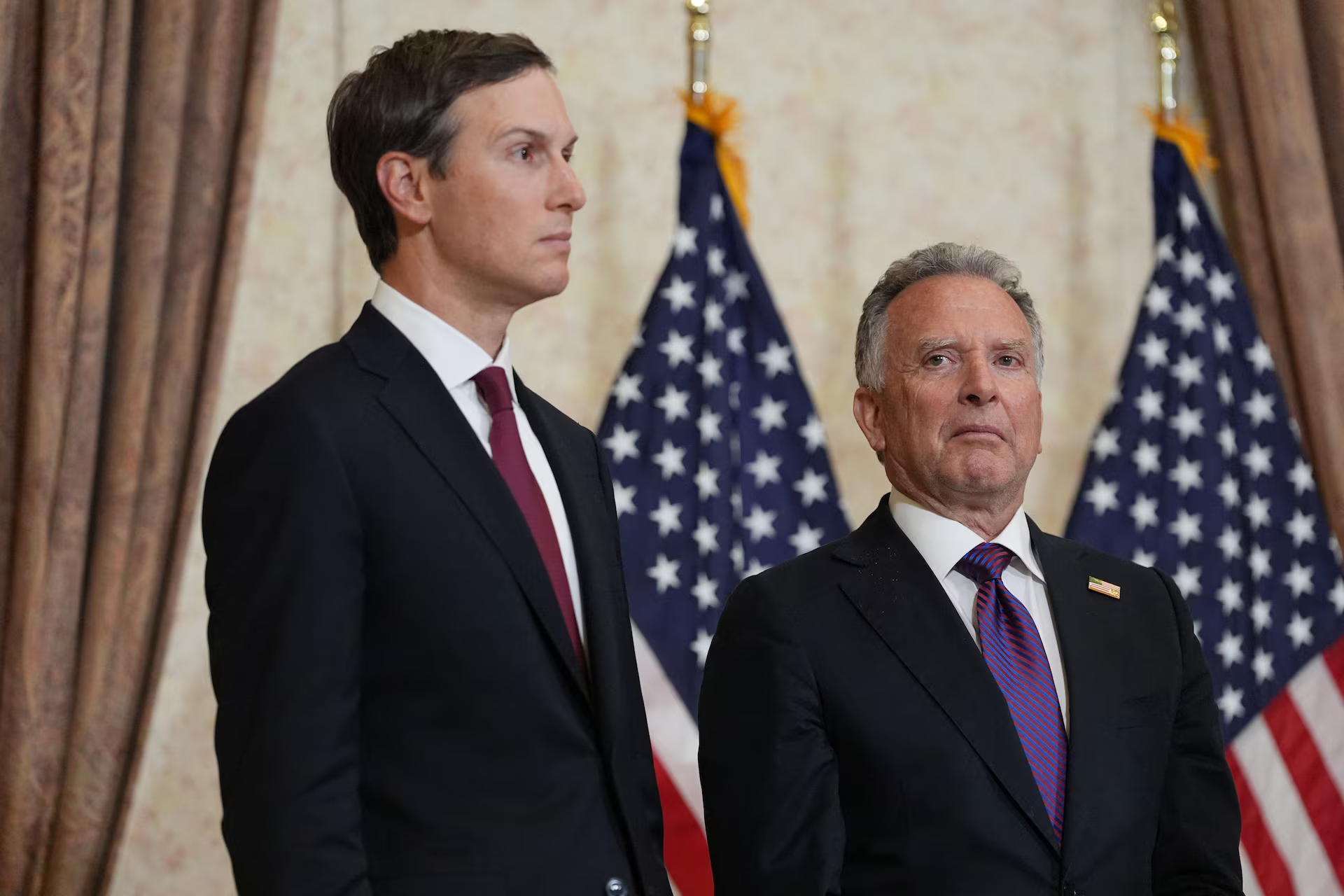
Swapna Kumbar , Bengaluru - U.S. envoys Steve Witkoff Trump's special Middle East representative and Jared Kushner are travelling to Islamabad for fresh US-Iran peace negotiations, as the White House seeks to capitalise on the indefinite ceasefire extension. Pakistan continues as the neutral host, but Iran's Foreign Minister Abbas Araghchi has clarified that no direct meetings with the American delegation are planned, stating he will engage only with Pakistani officials to discuss regional de-escalation and the Strait of Hormuz blockade. The talks aim to forge a unified proposal from Tehran to address US demands on nuclear limits and maritime security.
The Islamabad summit builds on Pakistan's successful mediation, which prompted Trump's truce extension at the personal request of Prime Minister Shehbaz Sharif and Army Chief Asim Munir. Witkoff, a real estate magnate with Trump ties, and Kushner, architect of the Abraham Accords, represent Washington's blend of deal making and Middle East expertise. Araghchi's insistence on indirect engagement reflects Tehran's wariness amid the ongoing US naval blockade, which has seized Iranian vessels and disrupted shipping. Pakistani Foreign Minister Ishaq Dar confirmed hosting both sides separately, with hopes of bridging gaps through shuttle diplomacy.
With no direct US-Iran contact confirmed, the Islamabad talks test whether Pakistan can coax a viable unified proposal from Tehran to ease the blockade and advance nuclear talks. Success could stabilise Hormuz shipping and avert escalation; failure risks ceasefire fatigue and renewed hostilities. Trump's envoy duo signals high stakes, but Iran's indirect approach underscores persistent mistrust in this pivotal diplomatic gambit.
.jpeg)
Trump cited India’s voter-ID system while backing the SAVE America Act, highlighting differences in voting rules between the two countries.
.jpeg)
A Russian missile strike hit Lakshmi Mittal-linked ArcelorMittal’s steel plant in Ukraine, killing two and injuring several others as the war escalates.
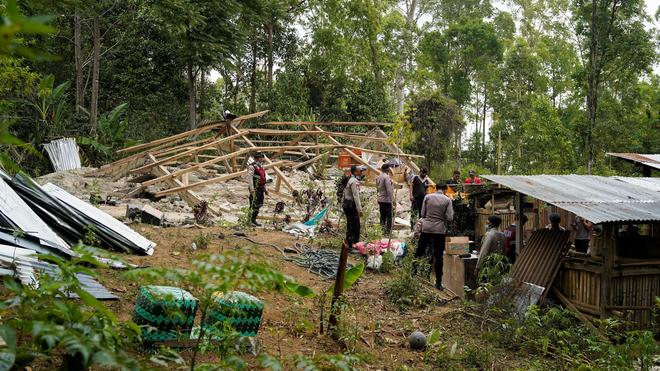
A powerful earthquake in Indonesia has killed 53 people and forced around 5,000 to evacuate, as aftershocks and landslides hamper rescue efforts.

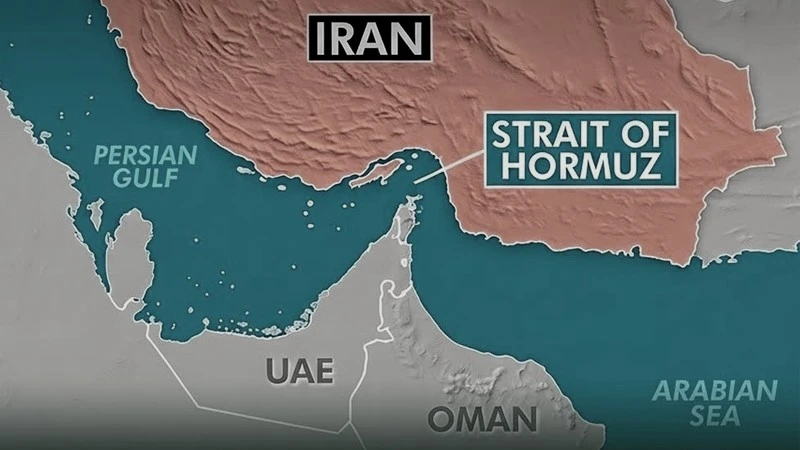
Iran, Oman and the U.S. are reportedly close to a Strait of Hormuz agreement tha...
.jpeg)
Fresh U.S. airstrikes in Iran reportedly killed 14 people, prompting Iranian ret...
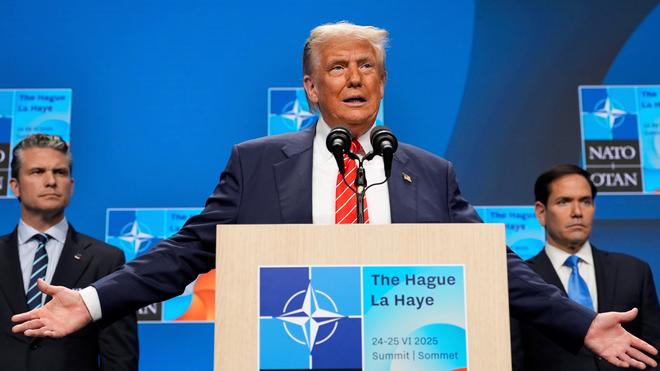
President Donald Trump claimed he is Iran’s “No. 1 target” after security measur...
.jpeg)
Three people were killed in U.S. strikes in western Iran as tensions escalated f...
President Donald Trump said the Iran ceasefire is “over” following fresh U.S. st...