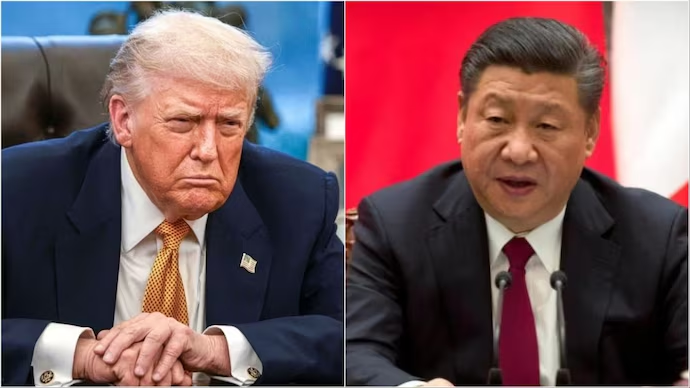
Swapna Kumbar , Bengaluru - The United States is urging China and key global partners to join an American‑led operation to escort commercial ships through the Strait of Hormuz, a critical choke‑point for world oil flows, as tensions spike over Iran’s role in the region. Speaking days before President Donald Trump’s scheduled visit to Beijing, Treasury Secretary Scott Bessent framed the move as an effort to “reopen” the waterway and undercut what Washington describes as Iran’s “state‑sponsored terrorism.”
Bessent told that the US has “total” or “absolute control” of the Strait of Hormuz and dismissed Iranian claims of influence over the lane that carries roughly one fifth of global oil supplies. He described recent Iranian threats and attacks as the reason the strait had effectively closed to some shipping, and said Washington is now leading what Trump has dubbed “Operation Freedom” to help stranded vessels safely transit the corridor. That operation is expected to involve guided missile destroyers, aircraft, and drones, with the Pentagon signaling a sustained naval presence in the Persian Gulf and the Gulf of Oman.
The US Treasury chief explicitly called on Beijing to use its diplomatic leverage with Tehran, arguing that China’s heavy purchases of Iranian energy indirectly fund what Washington labels the world’s largest state sponsor of terrorism. “Let’s see if China … steps up with some diplomacy and gets the Iranians to open the strait,” Bessent said, adding that he would urge Chinese authorities to join the US‑led international operation. The timing is sensitive, coming just ahead of Trump’s high‑profile trip to China, where energy security, trade, and regional stability are expected to top the agenda.
The US appeal to China and other allies marks a strategic attempt to turn a largely unilateral naval posture into a broader, “multinational” security framework around the Strait of Hormuz. However, with Iran vowing to resist what it sees as American coercion and China balancing economic dependence on Iranian crude against the risk of a naval showdown, the push for a joint escort operation looks set to intensify geopolitical friction at one of the world’s most volatile maritime crossroads.
.jpeg)
Trump cited India’s voter-ID system while backing the SAVE America Act, highlighting differences in voting rules between the two countries.
.jpeg)
A Russian missile strike hit Lakshmi Mittal-linked ArcelorMittal’s steel plant in Ukraine, killing two and injuring several others as the war escalates.
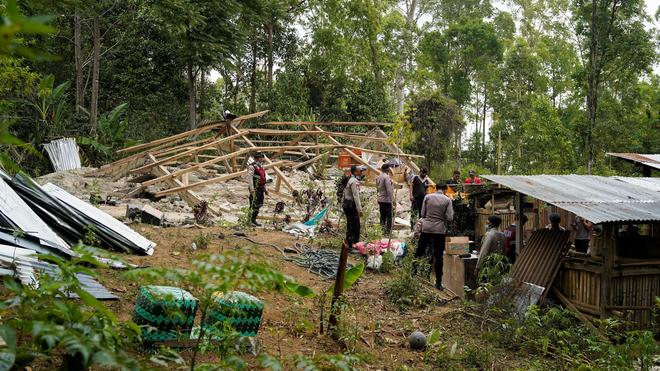
A powerful earthquake in Indonesia has killed 53 people and forced around 5,000 to evacuate, as aftershocks and landslides hamper rescue efforts.

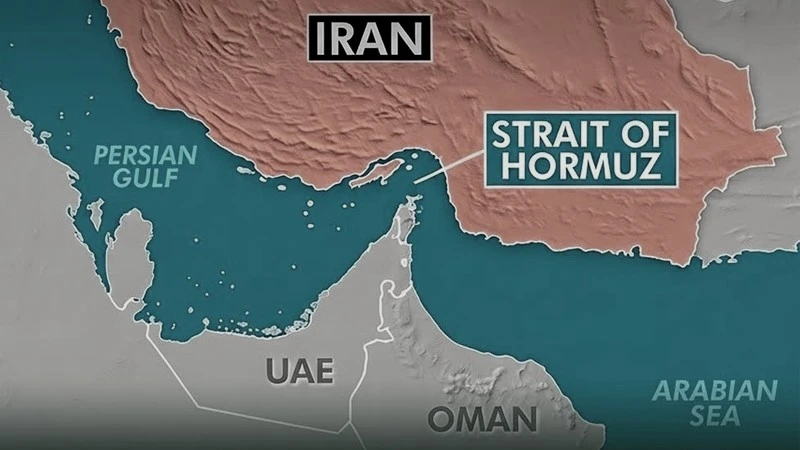
Iran, Oman and the U.S. are reportedly close to a Strait of Hormuz agreement tha...
.jpeg)
Fresh U.S. airstrikes in Iran reportedly killed 14 people, prompting Iranian ret...
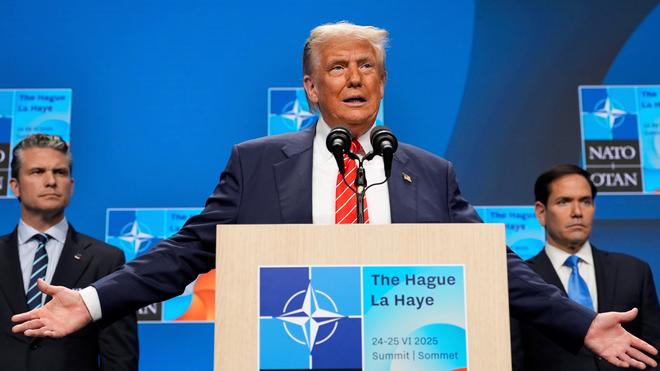
President Donald Trump claimed he is Iran’s “No. 1 target” after security measur...
.jpeg)
Three people were killed in U.S. strikes in western Iran as tensions escalated f...
President Donald Trump said the Iran ceasefire is “over” following fresh U.S. st...