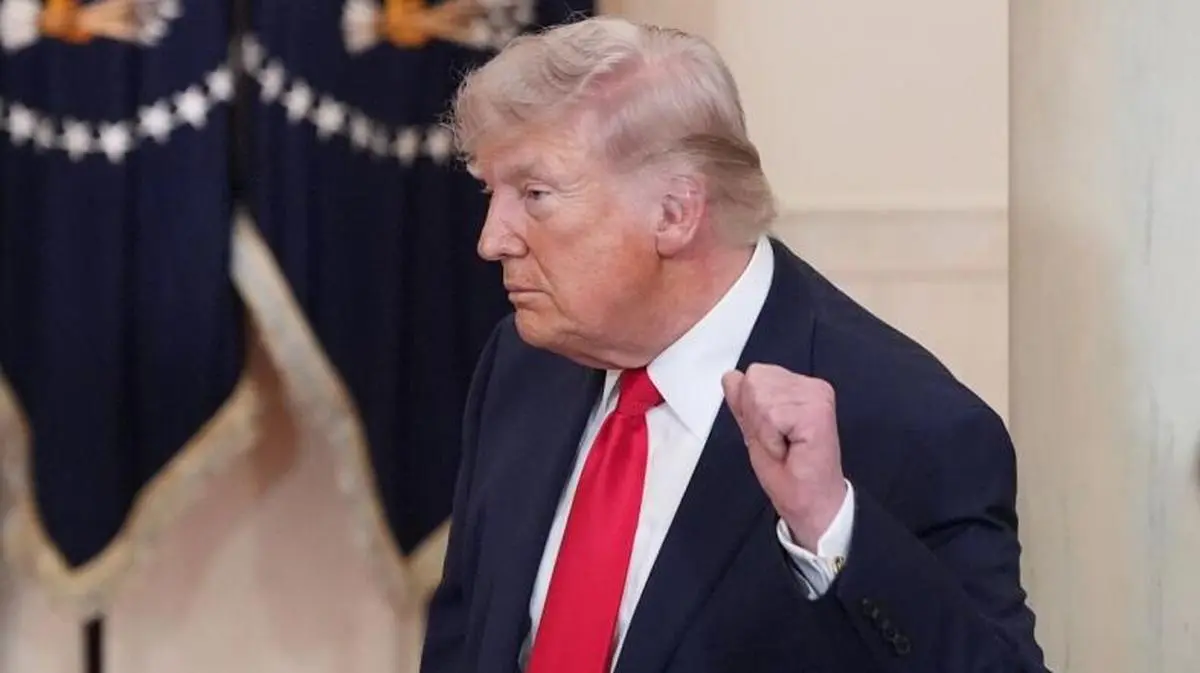
Swapna Kumbar , Bengaluru - The United Arab Emirates has warned that Iran cannot be trusted to keep the Strait of Hormuz open, saying peace efforts have reached an impasse and that Tehran continues to use the waterway as leverage in wider regional politics. At the same time, the Trump administration says the war with Iran has been terminated for the purposes of the 60 day War Powers deadline, a move critics say is designed to avoid seeking congressional approval.
UAE officials have repeatedly argued that the Strait of Hormuz is a global shipping lane, not a bargaining chip, and have backed international condemnation of Iranian threats and maritime restrictions in the area. Their position hardened after recent clashes and blockade concerns, with Abu Dhabi saying any durable peace must guarantee uninterrupted transit rather than depend on Tehran’s assurances alone. In Washington, senior Trump officials including Pete Hegseth told lawmakers that the ceasefire pauses or stops the 60 day clock under the War Powers Resolution, because there has been no direct exchange of fire since early April. That interpretation has angered Democrats, who argue the administration is stretching the law to keep military pressure on Iran without a congressional vote. The result is a diplomatic deadlock: the UAE wants firm maritime guarantees, Iran wants leverage, and the White House is trying to preserve its war powers position while insisting the conflict is no longer active in a legal sense. With the Hormuz blockade still affecting energy markets and regional confidence, neither side appears ready to compromise.
The latest split over Hormuz shows how fragile the Iran ceasefire remains, with the UAE rejecting Tehran’s reliability and Trump officials using legal arguments to avoid a war authorisation showdown. Unless there is a breakthrough on transit guarantees and the terms of the ceasefire, peace efforts are likely to stay stuck at the same impasse.
.jpeg)
Trump cited India’s voter-ID system while backing the SAVE America Act, highlighting differences in voting rules between the two countries.
.jpeg)
A Russian missile strike hit Lakshmi Mittal-linked ArcelorMittal’s steel plant in Ukraine, killing two and injuring several others as the war escalates.
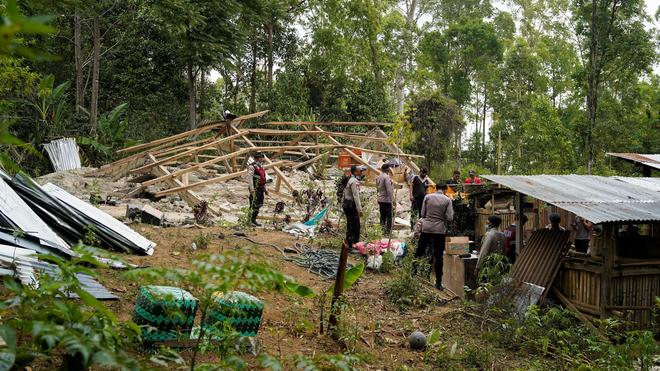
A powerful earthquake in Indonesia has killed 53 people and forced around 5,000 to evacuate, as aftershocks and landslides hamper rescue efforts.

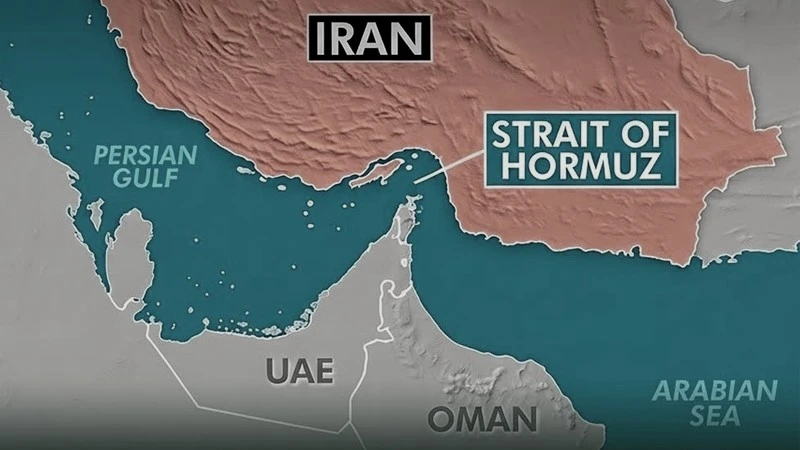
Iran, Oman and the U.S. are reportedly close to a Strait of Hormuz agreement tha...
.jpeg)
Fresh U.S. airstrikes in Iran reportedly killed 14 people, prompting Iranian ret...
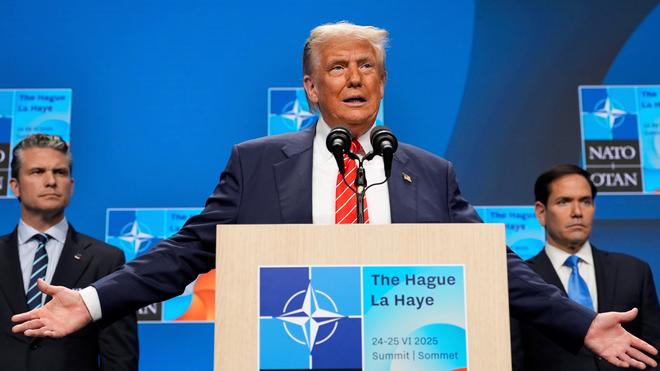
President Donald Trump claimed he is Iran’s “No. 1 target” after security measur...
.jpeg)
Three people were killed in U.S. strikes in western Iran as tensions escalated f...
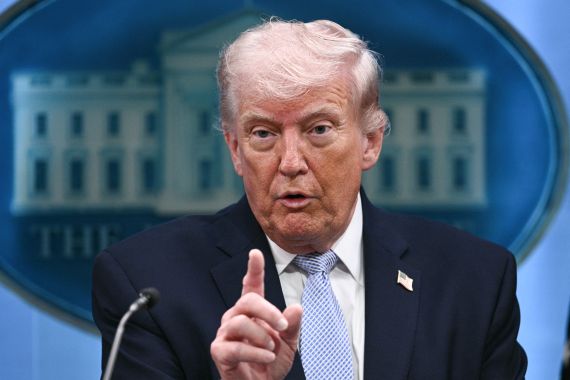
President Donald Trump said the Iran ceasefire is “over” following fresh U.S. st...