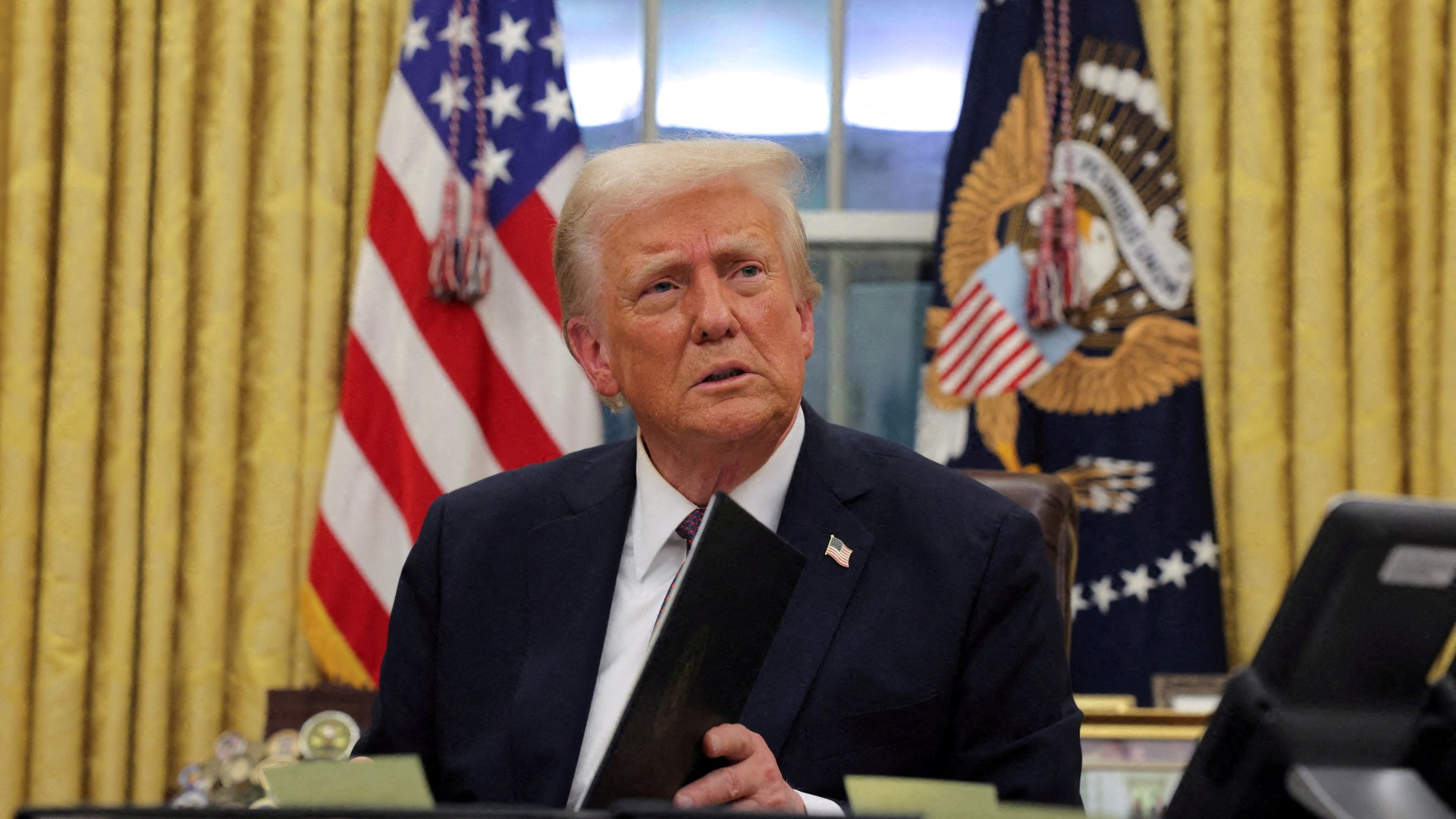
The United States is reeling from a terrible loss after an Afghan national tragically shot and killed two members of the National Guard. This shocking attack, which reportedly took place near the White House, has deeply saddened the nation and immediately ignited a heated debate about the safety of American military personnel and the security of the homeland. For the families of the two fallen guards, the tragedy is a raw reminder of the dangers faced by those who serve, making the question of who we allow into our country a painfully personal one.
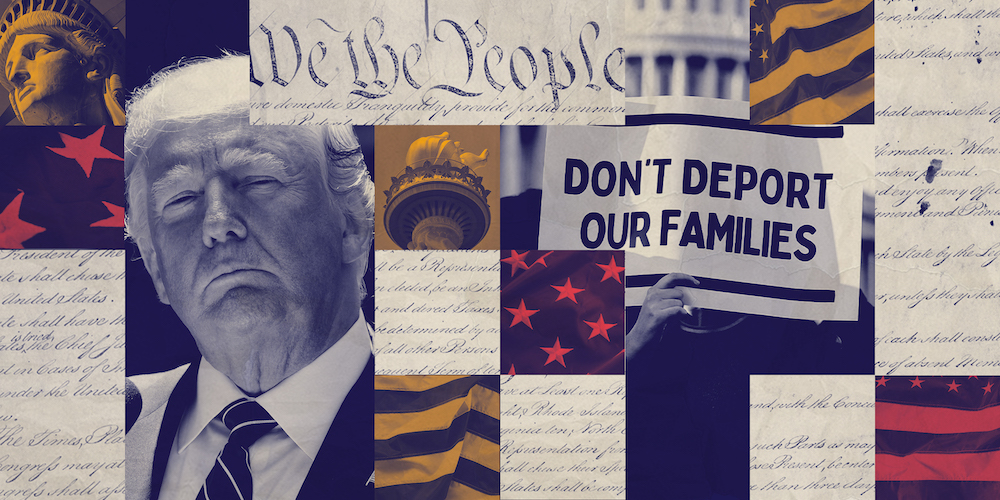
The sorrow quickly turned political when President Donald Trump responded with a fierce promise for action. Blaming the current state of immigration policies for the tragedy, Mr. Trump announced what he called a "big move" to fix the system. He declared that he would "permanently pause migration" from countries he deemed high-risk and vowed to end millions of immigration permissions granted under the previous administration. His post was clear: he plans to restore order by immediately reversing current policies.
This sweeping set of proposed changes would also involve a massive "reverse migration" effort, meaning large-scale deportations of non-citizens Trump considers a threat or "not a net asset" to the US. He also aims to strip federal benefits from non-citizens and denaturalize those who he claims undermine the peace. The deaths of the two National Guards have thus become the tragic spark for a major shake-up, setting the stage for a bitter national fight over borders, entry screening, and the future face of America.
.jpeg)
Trump cited India’s voter-ID system while backing the SAVE America Act, highlighting differences in voting rules between the two countries.
.jpeg)
A Russian missile strike hit Lakshmi Mittal-linked ArcelorMittal’s steel plant in Ukraine, killing two and injuring several others as the war escalates.
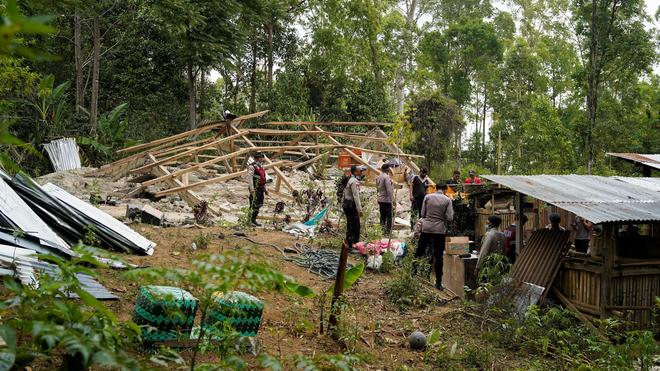
A powerful earthquake in Indonesia has killed 53 people and forced around 5,000 to evacuate, as aftershocks and landslides hamper rescue efforts.

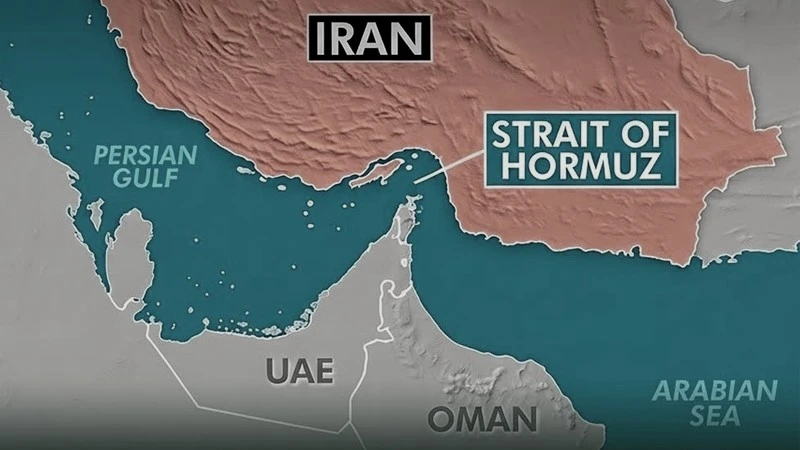
Iran, Oman and the U.S. are reportedly close to a Strait of Hormuz agreement tha...
.jpeg)
Fresh U.S. airstrikes in Iran reportedly killed 14 people, prompting Iranian ret...
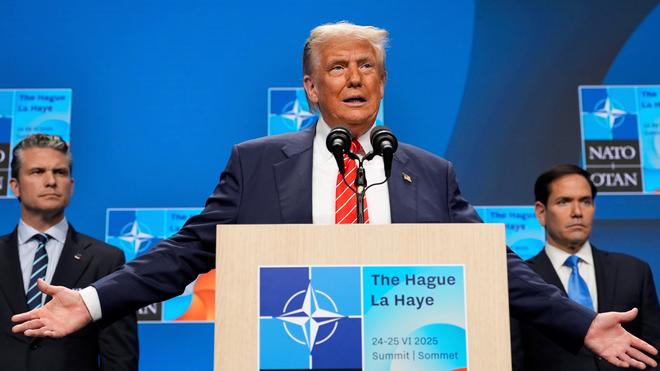
President Donald Trump claimed he is Iran’s “No. 1 target” after security measur...
.jpeg)
Three people were killed in U.S. strikes in western Iran as tensions escalated f...
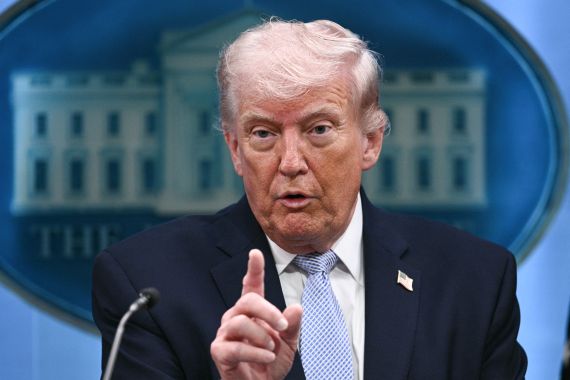
President Donald Trump said the Iran ceasefire is “over” following fresh U.S. st...