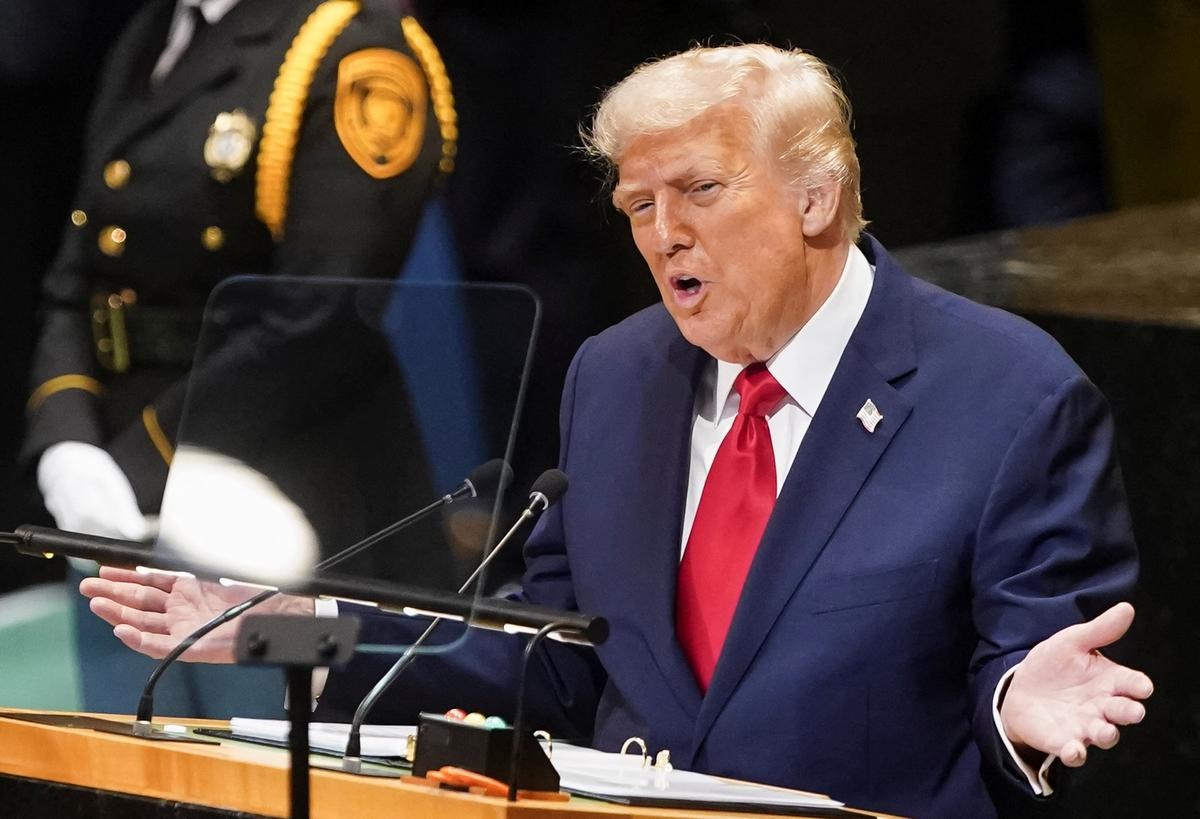
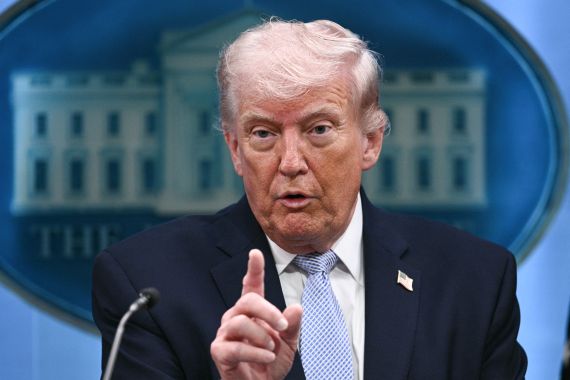
Desk Correspondent , Washington - The US President yet again decided to place himself on the pedestal by claiming that his threat of putting a "200% tariff" on both India and Pakistan made both the nations step back from any more hostility during Operation Sindoor in May 2025. Speaking at the Board of Peace event in Washington, he made this strikingly controversial assertion and added, “nothing like money” when it's about preventing a war.
Trump stated that both India and Pakistan were preparing for a full-scale encounter when. He mentioned 11 fighter jets were shot down, whereas the correct number would be 7, before he reached out directly to the leaders of New Delhi and Islamabad. A threat about economic penalties came from him, which apparently made them step back. Full-on warfare, even in the air, had been on the table according to his account. Damage to their financial systems seemed too high a price, so they pulled away from more clashes.
“I said, if you fight, I’m going to put a 200 percent tariff on each of your countries … when it came to losing a lot of money, they said, ‘We don’t want to fight,’” Trump said. He also repeated an earlier claim—attributed to Pakistan’s prime minister—that his intervention saved “25 million lives.” However, analysts note that neither New Delhi nor Islamabad has confirmed such figures or acknowledged U.S. mediation.
What actually happened during Operation Sindoor?
A sudden tension spiked in May 2025 following the deadly Pahalgam attack on April 22 that left 26 civilians dead. Instead of large-scale retaliation, India launched Operation Sindoor—a focused move against militant sites beyond the Line of Control. Pakistan hit back by shutting down its airspace while exchanging targeted gunfire across the border. Though sharp, the entire episode wound down within just a few days.
Indian officials were determined not to tolerate any outside suggestion that trade threats affected their decision or the ceasefire. The Ministry of External Affairs was consistent in resolving the issue through bilateral military dialogues between the Director Generals of Military Operations of both countries without any third-party mediation.
Global Response and Diplomacy
Trump continues to utilise the foreign policy role to influence public opinion as he frequently recounts the incident, which has resulted in roughly 80 references to his role since last year. However, diplomatic experts warn that the complicated security dynamics in South Asia may be oversimplified if war prevention is framed in terms of economic risks.
As the world watches, both India and Pakistan continue to exercise caution in their formal reactions, prioritising domestic decision-making over foreign involvement in regional security issues.
.jpeg)
Trump cited India’s voter-ID system while backing the SAVE America Act, highlighting differences in voting rules between the two countries.
.jpeg)
A Russian missile strike hit Lakshmi Mittal-linked ArcelorMittal’s steel plant in Ukraine, killing two and injuring several others as the war escalates.
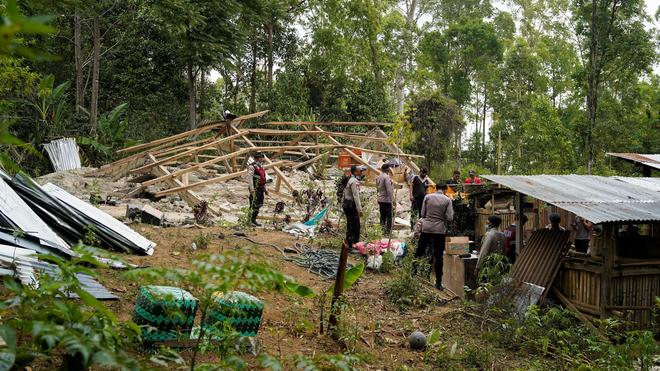
A powerful earthquake in Indonesia has killed 53 people and forced around 5,000 to evacuate, as aftershocks and landslides hamper rescue efforts.

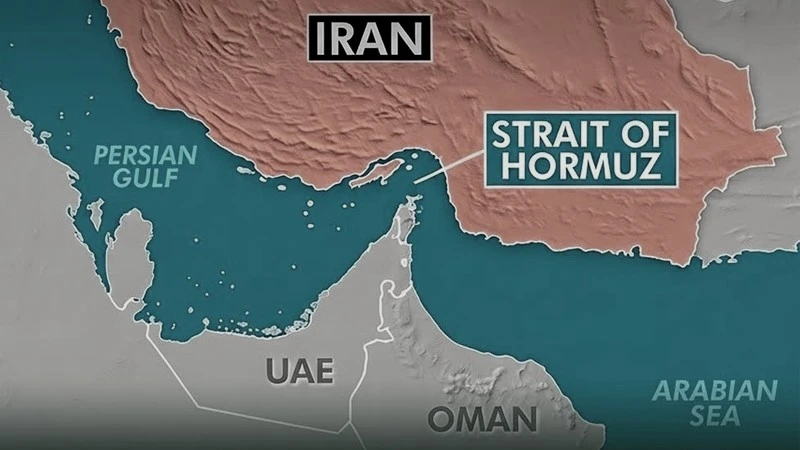
Iran, Oman and the U.S. are reportedly close to a Strait of Hormuz agreement tha...
.jpeg)
Fresh U.S. airstrikes in Iran reportedly killed 14 people, prompting Iranian ret...
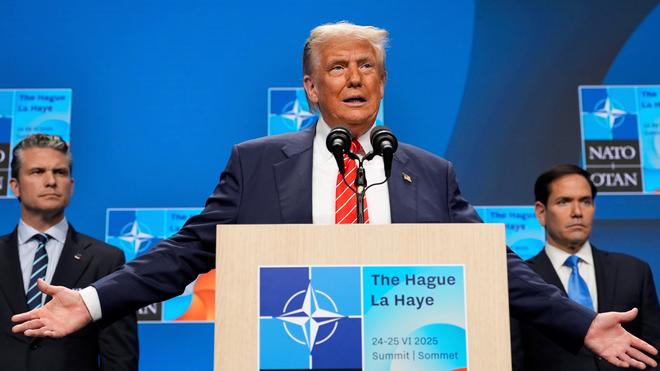
President Donald Trump claimed he is Iran’s “No. 1 target” after security measur...
.jpeg)
Three people were killed in U.S. strikes in western Iran as tensions escalated f...
President Donald Trump said the Iran ceasefire is “over” following fresh U.S. st...