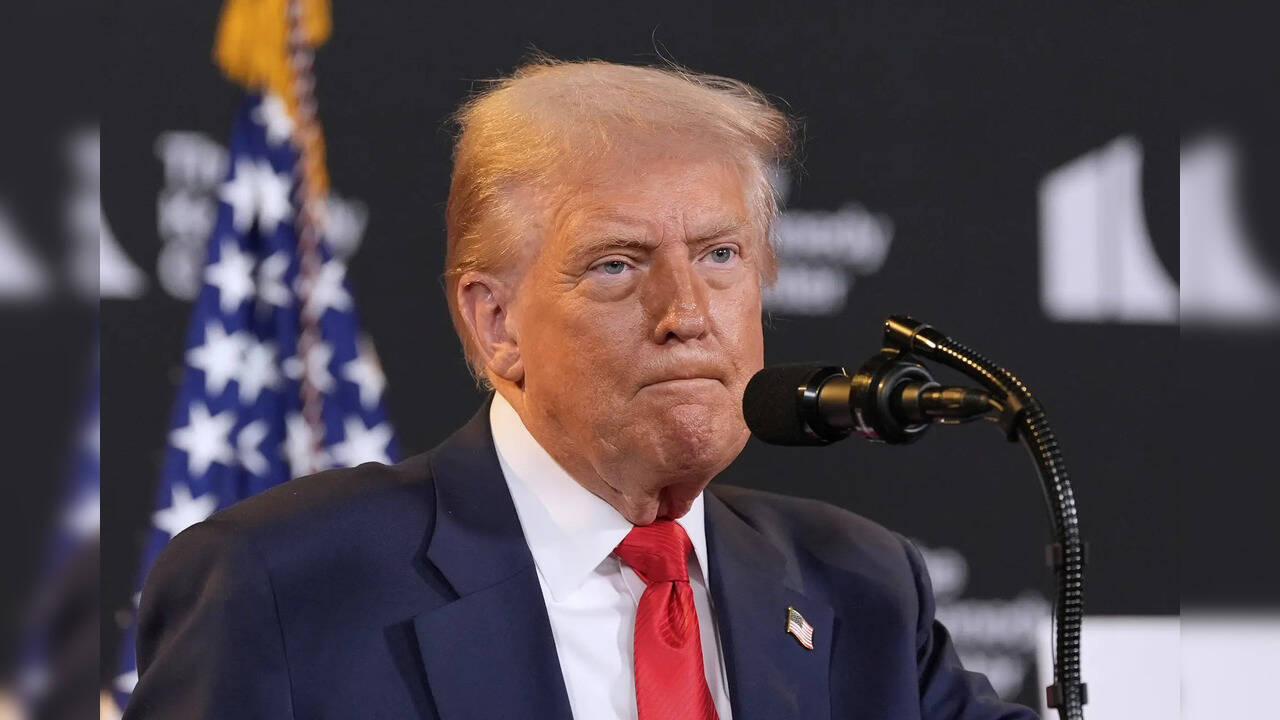
Former U.S. President Donald Trump’s decision to impose 50% tariffs on Indian goods has been linked to “personal pique” rather than purely economic reasoning, according to a new report by global brokerage firm Jefferies.
The report states that while the tariffs were justified under the argument of protecting American industries, they appear to have been heavily influenced by Trump’s frustration over India’s trade practices and New Delhi’s refusal to make concessions during past negotiations.
According to Jefferies, the duties have affected multiple sectors including textiles, footwear, jewellery, and agricultural exports, putting additional pressure on Indian exporters at a time when global demand is already slowing. Indian businesses are expected to face near-term challenges, particularly small and medium-scale manufacturers who rely on the U.S. market.
The analysis further notes that the tariffs may strain diplomatic ties between New Delhi and Washington. While India has expressed concern over the move, officials are reportedly exploring avenues for dialogue to mitigate the impact.
Jefferies added that India could attempt to diversify its trade partners, but a short-term adjustment will be difficult given the scale of exports to the U.S. The brokerage also highlighted potential inflationary effects in the American market, as tariffs could make imported goods more expensive for consumers.
The report concludes that long-term implications will depend on whether the tariffs remain in place or are renegotiated under future trade discussions.
.jpeg)
Trump cited India’s voter-ID system while backing the SAVE America Act, highlighting differences in voting rules between the two countries.
.jpeg)
A Russian missile strike hit Lakshmi Mittal-linked ArcelorMittal’s steel plant in Ukraine, killing two and injuring several others as the war escalates.

A powerful earthquake in Indonesia has killed 53 people and forced around 5,000 to evacuate, as aftershocks and landslides hamper rescue efforts.

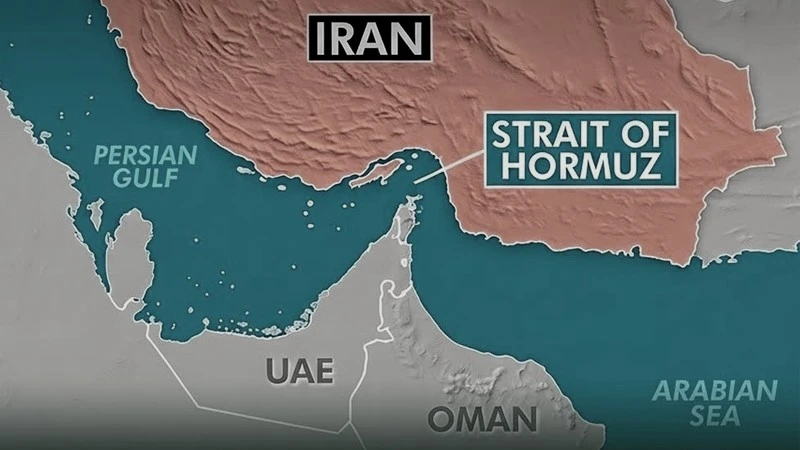
Iran, Oman and the U.S. are reportedly close to a Strait of Hormuz agreement tha...
.jpeg)
Fresh U.S. airstrikes in Iran reportedly killed 14 people, prompting Iranian ret...
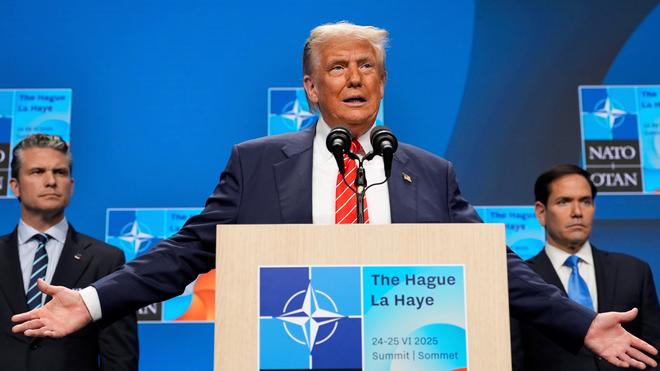
President Donald Trump claimed he is Iran’s “No. 1 target” after security measur...
.jpeg)
Three people were killed in U.S. strikes in western Iran as tensions escalated f...
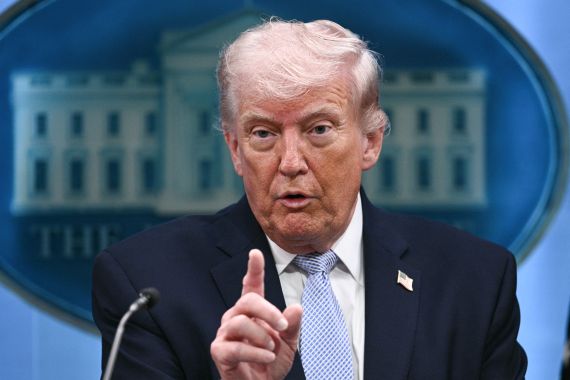
President Donald Trump said the Iran ceasefire is “over” following fresh U.S. st...