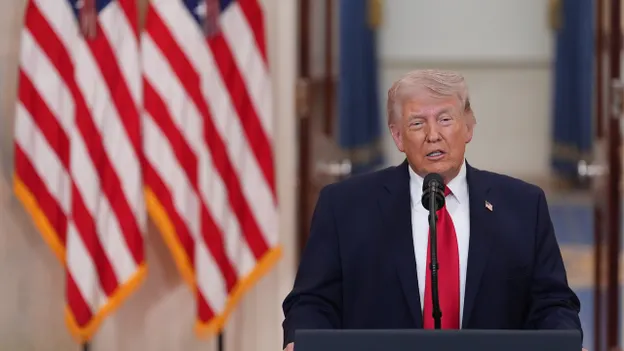
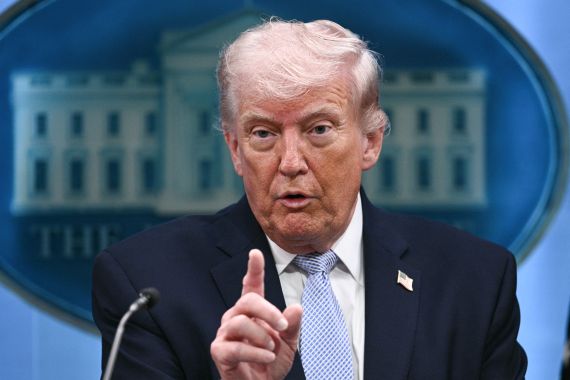
Desk Correspondent , Washington DC - US President Donald Trump has publicly reaffirmed Washington’s backing of its key Middle Eastern partners, declaring that the United States “will not let them get hurt or fail” as the war with Iran drags into its fourth week. In a nationally televised address on April 1, 2026, Trump thanked Israel, Saudi Arabia, Qatar, the United Arab Emirates, Kuwait, and Bahrain as crucial allies in the US‑Israel campaign against Iran, describing them as “great” partners who have stood firmly with Washington throughout the conflict.
Trump’s remarks come amid rising tensions in the region, with US led airstrikes and Iranian retaliatory attacks triggering fears of a broader regional war. Officials in Washington have warned that the military campaign is entering a decisive phase, with Trump vowing to “finish the job” and do so “very fast”. The president has repeatedly framed the war as a way to neutralize Iran’s nuclear ambitions and reshape the Middle East security order, while also using the moment to push for deeper normalization between Israel and Gulf states, including Saudi Arabia.
Several Gulf allies, including Saudi Arabia and the UAE, have reportedly urged Trump behind the scenes to continue the campaign until Iran’s leadership and military capabilities are significantly weakened. Analysts say Trump’s latest speech is aimed equally at reassuring nervous regional partners and signaling to Iran that Washington will not tolerate cross‑border attacks on US allies. For now, the line “we will not let them get hurt or fail” has become the administration’s core message toward Israel and the Gulf monarchies, underscoring a hardening US stance in the ongoing Iran‑US‑Israel war.
.jpeg)
Trump cited India’s voter-ID system while backing the SAVE America Act, highlighting differences in voting rules between the two countries.
.jpeg)
A Russian missile strike hit Lakshmi Mittal-linked ArcelorMittal’s steel plant in Ukraine, killing two and injuring several others as the war escalates.
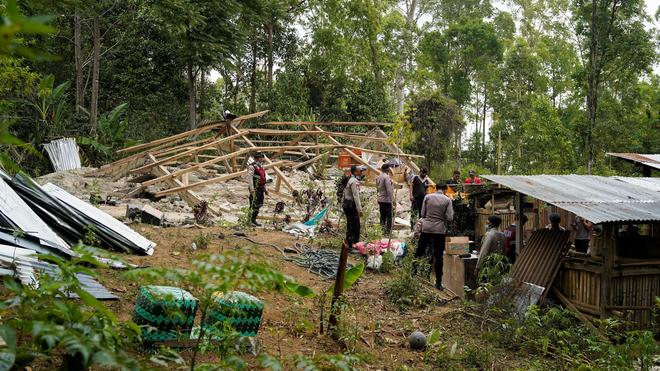
A powerful earthquake in Indonesia has killed 53 people and forced around 5,000 to evacuate, as aftershocks and landslides hamper rescue efforts.

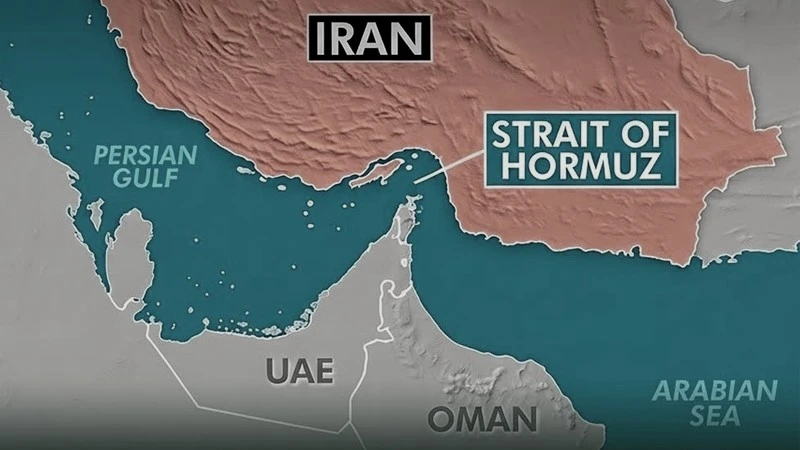
Iran, Oman and the U.S. are reportedly close to a Strait of Hormuz agreement tha...
.jpeg)
Fresh U.S. airstrikes in Iran reportedly killed 14 people, prompting Iranian ret...
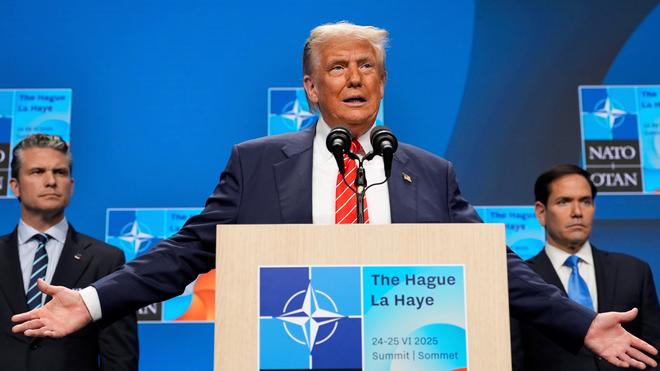
President Donald Trump claimed he is Iran’s “No. 1 target” after security measur...
.jpeg)
Three people were killed in U.S. strikes in western Iran as tensions escalated f...
President Donald Trump said the Iran ceasefire is “over” following fresh U.S. st...